Mar . 05, 2026 02:35
Understanding Halal Casing: Ensuring Product Integrity for Global Markets
In today's interconnected world, businesses aiming to penetrate the Muslim consumer market – a demographic of over 1.8 billion – must understand and adhere to Halal requirements. A critical, often overlooked aspect of this is the packaging. Halal casing, or packaging, plays a pivotal role in maintaining the Halal integrity of products throughout the supply chain. This article explores the importance of Halal casing, its requirements, materials, and how RTCasing offers solutions for businesses needing compliant packaging. Ensuring your products meet Halal standards is not just about religious compliance; it's a strategic move for expanding your market reach and building consumer trust.
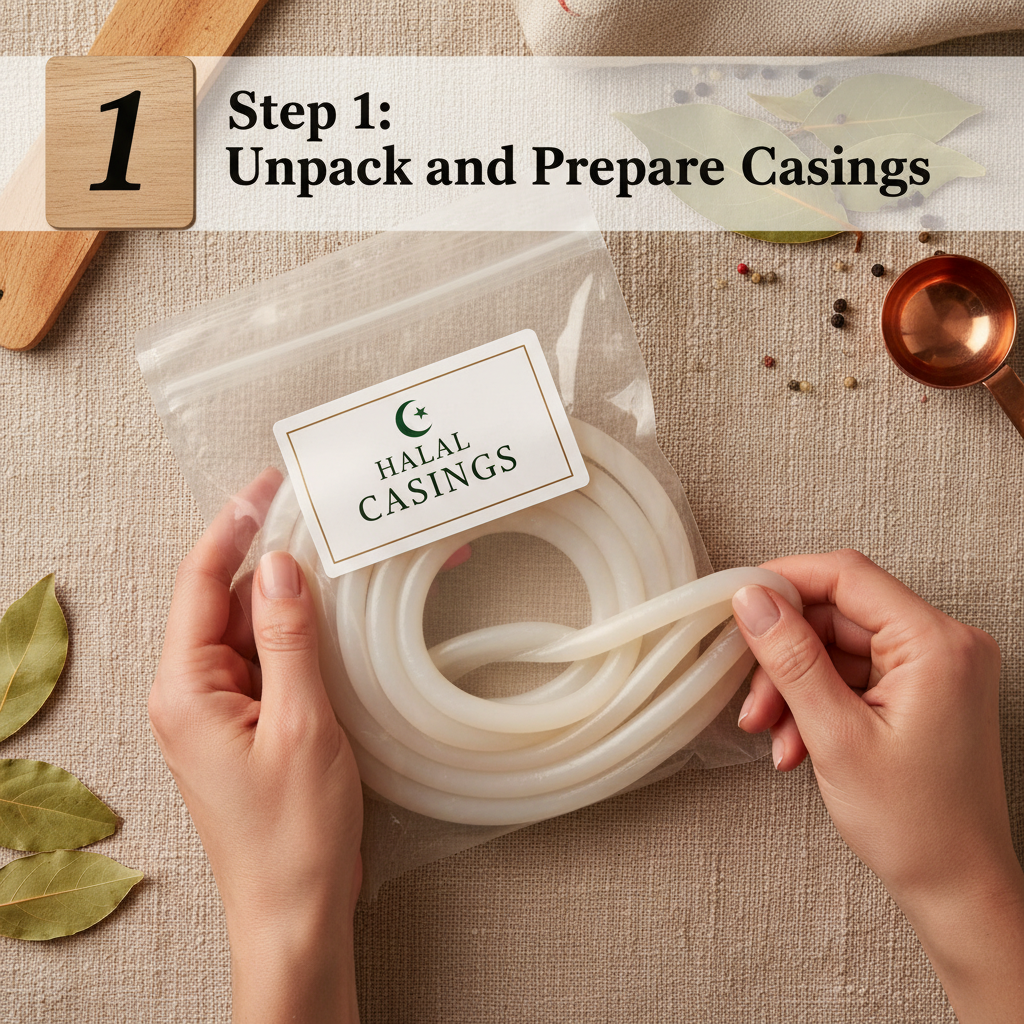
What Defines Halal Casing?
Halal casing isn't simply about the material itself; it's about preventing contamination from haram (non-Halal) substances. This encompasses the entire lifecycle of the packaging, from sourcing raw materials to manufacturing, storage, and transportation. Key considerations include ensuring the casing hasn’t come into contact with pork, alcohol, or any other non-Halal items. It also extends to the inks and adhesives used in printing and sealing. The goal is to maintain the purity of the product within, safeguarding its Halal status. RTCasing understands these nuances and provides tailored solutions to meet specific Halal requirements.
Key Considerations for Halal Casing: Ensuring the casing hasn’t come into contact with pork, alcohol, or any other non-Halal items. Maintaining purity of the product through the entire supply chain.
Materials Used in Halal-Certified Packaging
A variety of materials can be used in Halal casing, provided they meet the necessary criteria. Commonly used materials include: Polypropylene (PP), Polyethylene (PE), Paperboard (with Halal-certified adhesives and inks), and PET. However, materials derived from animal sources or containing animal-derived additives are typically prohibited. It is also critical to ensure the inks and adhesives used in printing and labeling are Halal-certified to avoid contamination. RTCasing carefully sources materials and utilizes Halal-compliant inks and adhesives to guarantee the integrity of your product’s packaging.
Acceptable Packaging Materials:
• Polypropylene (PP)
• Polyethylene (PE)
• Paperboard (with Halal-certified adhesives/inks)
• PET
Halal Casing vs. Conventional Packaging: A Detailed Comparison
While conventional packaging focuses primarily on product protection and aesthetics, Halal casing incorporates an additional layer of scrutiny regarding religious compliance. This includes rigorous checks on ingredient sourcing, manufacturing processes, and potential cross-contamination. Conventional packaging may utilize animal-derived adhesives or coatings, whereas Halal casing prohibits them. Certification from a reputable Halal certification body is crucial for demonstrating compliance and building trust with Muslim consumers.
The Importance of Halal Certification for Packaging
Halal certification demonstrates a commitment to meeting Islamic dietary laws, providing assurance to Muslim consumers. It's not simply a "check-box" exercise; it's a testament to your dedication to respecting cultural and religious beliefs. A recognized Halal certification logo on your packaging builds trust and confidence, enhancing brand reputation and opening doors to a significant market segment. Choosing a packaging supplier with existing Halal certification, like RTCasing, simplifies the process and ensures compliance.
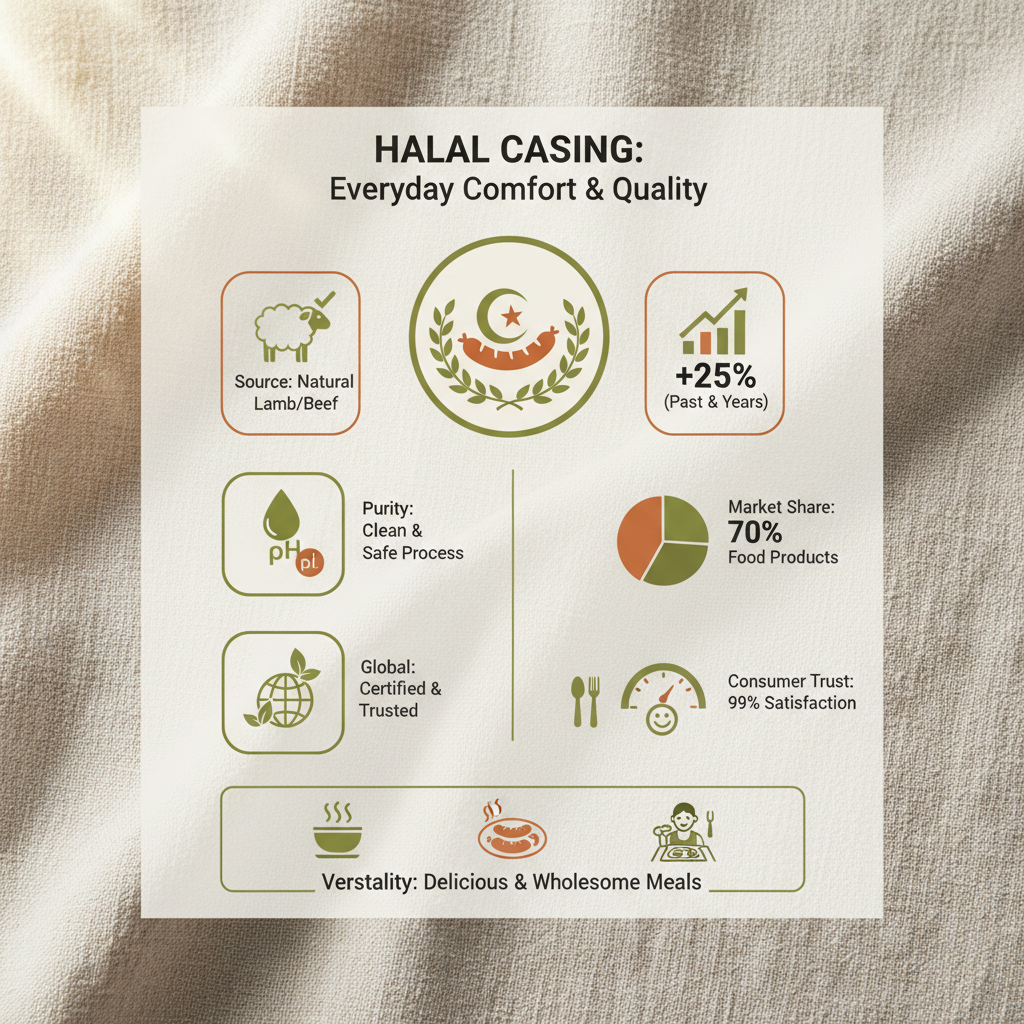
RTCasing: Your Trusted Partner for Halal Packaging Solutions
At RTCasing, we understand the complexities of Halal certification and provide a comprehensive range of packaging solutions designed to meet the strictest requirements. We offer a diverse selection of materials, Halal-certified inks and adhesives, and customizable options to suit your specific product needs. Our commitment to quality and compliance ensures your products are ready for the global Halal market. Contact us today to learn more about our Halal casing solutions.
Conclusion: Ensuring Halal Compliance with the Right Packaging Partner
Choosing the right packaging partner is crucial for successfully navigating the Halal market. RTCasing provides the expertise, materials, and certifications to ensure your products meet the necessary standards, fostering trust with Muslim consumers and expanding your global reach.
Frequently Asked Questions (FAQs)
What is the process for obtaining Halal certification for packaging?
The process typically involves submitting your packaging materials and manufacturing processes to a recognized Halal certification body. They will assess your supply chain, ensuring that all ingredients and processes are compliant with Islamic dietary laws. This includes verifying the absence of Haram substances and ensuring proper hygiene standards. RTCasing already possesses Halal certification, streamlining the process for our clients. The certification body will conduct audits and inspections to ensure ongoing compliance.
Are all types of plastic packaging considered Halal?
Not necessarily. While some plastics themselves are Halal, the additives used in their production – such as stabilizers or plasticizers – can contain Haram substances. It's crucial to ensure that all additives are Halal-certified. Furthermore, the plastic must not have been used to package Haram products previously to prevent contamination. RTCasing uses only Halal-certified plastic resins and additives in our packaging solutions.
How important is the sourcing of inks and adhesives in Halal packaging?
The sourcing of inks and adhesives is extremely important. Many inks and adhesives contain alcohol or animal-derived ingredients, making them non-Halal. Using Halal-certified inks and adhesives prevents contamination and ensures the integrity of the packaging. RTCasing exclusively utilizes Halal-certified inks and adhesives in our printing and labeling processes.
What should I look for in a Halal packaging supplier?
When selecting a Halal packaging supplier, look for companies with recognized Halal certification from a reputable body. Verify their commitment to Halal compliance throughout their entire supply chain, including material sourcing, manufacturing, and storage. They should be able to provide documentation verifying the Halal status of their materials and processes. RTCasing is fully committed to Halal compliance and can provide all necessary documentation.