paź . 20, 2025 10:50
how to use dry sausage casing, dried hog casing, dried hog casings, dried sausage casing, dried sausage casings is a key solution in the food industry industry, specifically within Meat processing and Edible casing. This article explores how RUNTAI (HEBEI)CASING CO.,LTD. supports professionals with durable, high-performance products, and explains why this product is an ideal choice for businesses in these sectors.
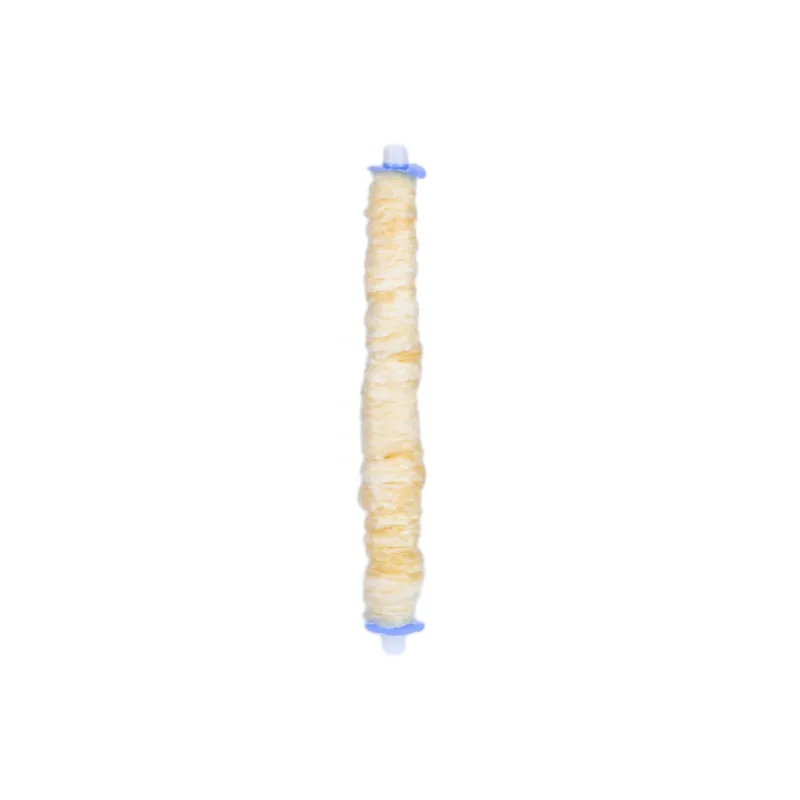
Table of Contents
- how to use dry sausage casing, dried hog casing, dried hog casings, dried sausage casing, dried sausage casings Overview
- Benefits & Use Cases of how to use dry sausage casing, dried hog casing, dried hog casings, dried sausage casing, dried sausage casings in Edible casing
- Cost, Maintenance & User Experience
- Sustainability & Market Trends in food industry
- Conclusion on how to use dry sausage casing, dried hog casing, dried hog casings, dried sausage casing, dried sausage casings from RUNTAI (HEBEI)CASING CO.,LTD.
how to use dry sausage casing, dried hog casing, dried hog casings, dried sausage casing, dried sausage casings Overview
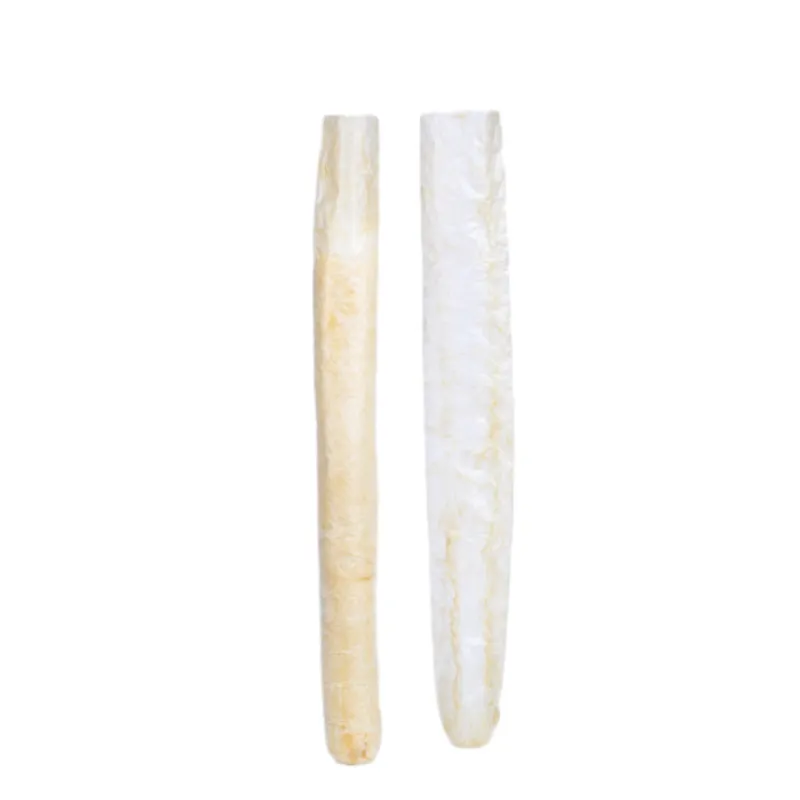
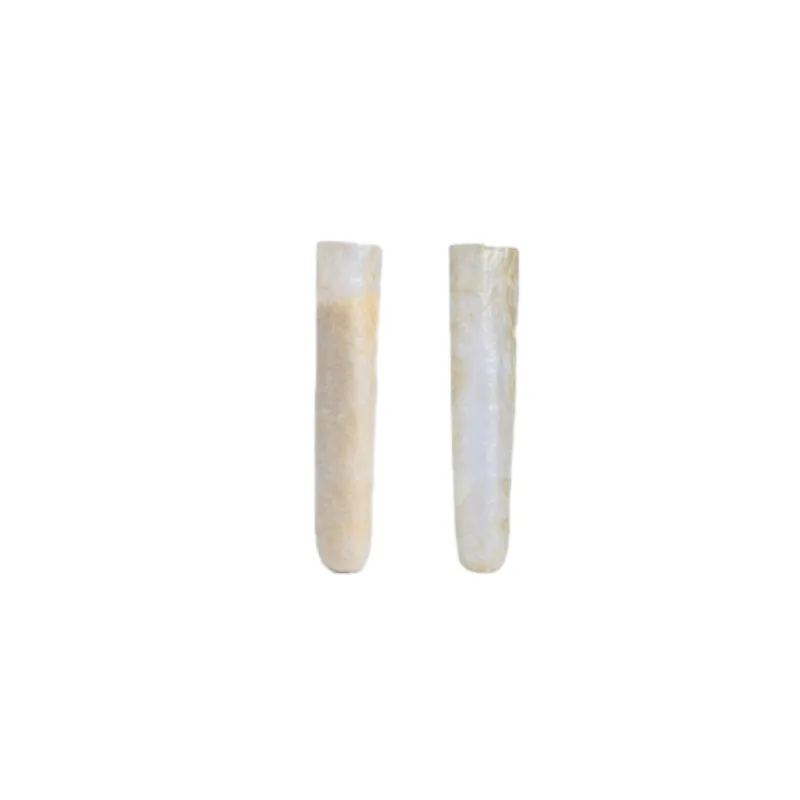
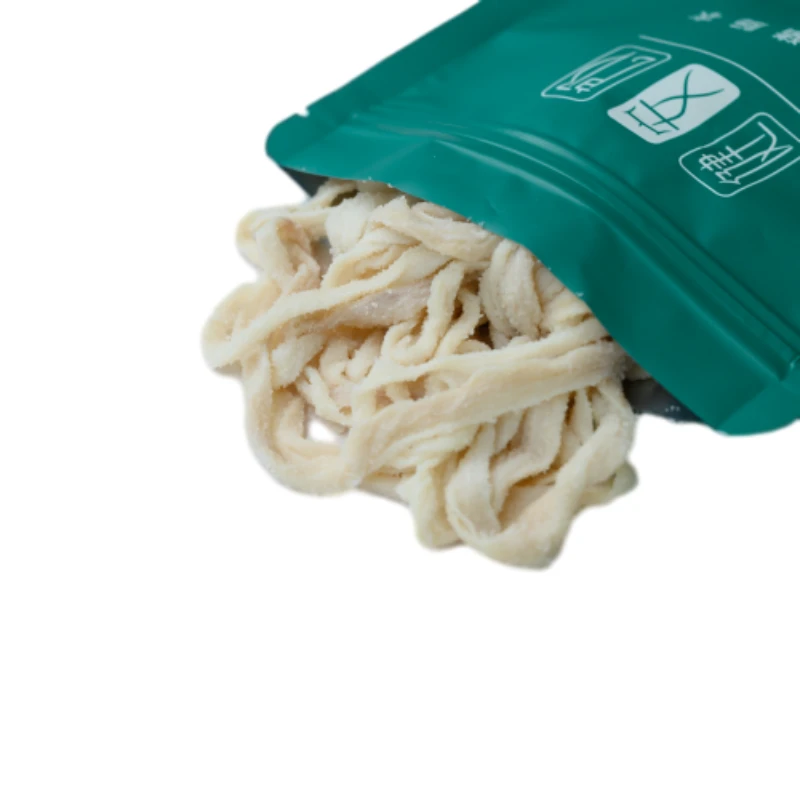
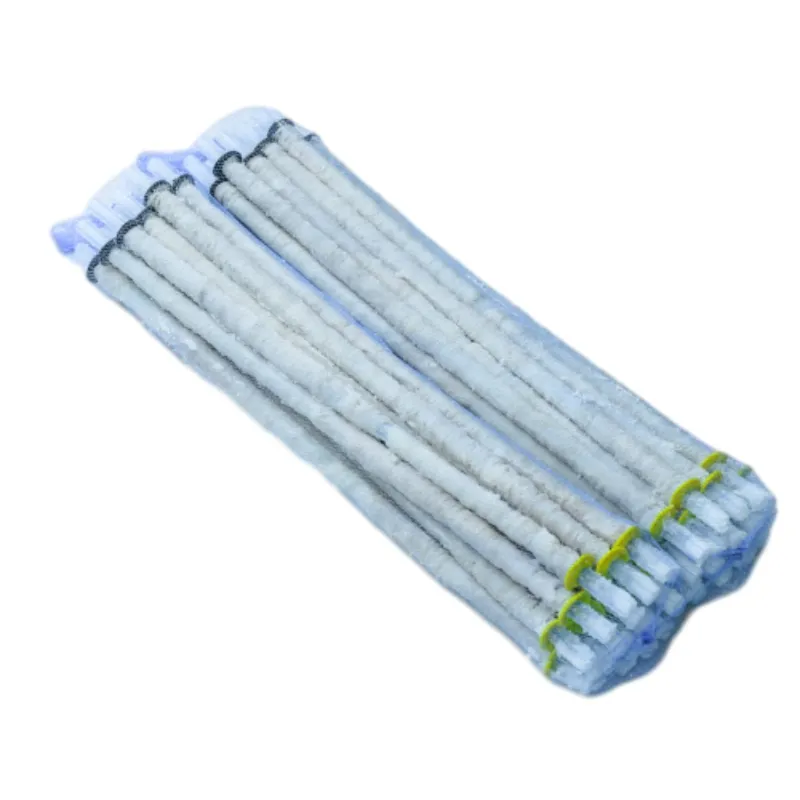
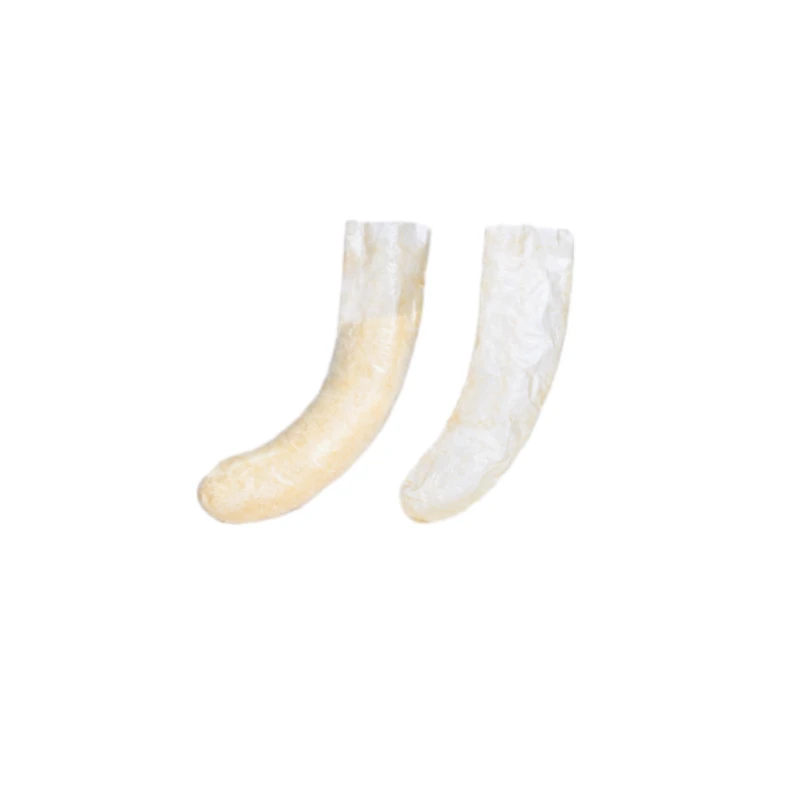
Dried hog casings are natural pork intestines that have been carefully cleaned, calibrated, salted, and then dehydrated for long-term, ambient storage. Compared with wet-salted alternatives, dried sausage casings reduce shipping weight and warehouse footprint while preserving the hallmark snap, smoke permeability, and artisanal appearance that premium sausages demand. Typical calibers for dried hog casing include 28/30, 30/32, 32/34, 34/36, and 36/38 mm, suitable for salami, pepperoni, chorizo, snack sticks, and regional dry-cured specialties.
RUNTAI (HEBEI)CASING CO.,LTD. manufactures dried hog casings to stringent food-safety systems (e.g., HACCP and ISO-managed processes) and supplies consistent, production-ready hanks. After rehydration, dried hog casings deliver uniform fill, strong tensile strength, and reliable twist performance for high-throughput lines. In a recent customer evaluation, a co-packer reported fewer burst events and more consistent link lengths after switching to RUNTAI dried sausage casings, contributing to improved yield and smoother downstream packaging. For processors scaling SKUs or rationalizing suppliers, RUNTAI’s calibrated selection and stable supply help standardize product quality across plants and regions.
Benefits & Use Cases of how to use dry sausage casing, dried hog casing, dried hog casings, dried sausage casing, dried sausage casings in Edible casing
Across edible casing applications, dried hog casings combine natural bite with process efficiency. Their permeability supports smoke and fermentation, enabling authentic flavor development in dry and semi-dry sausages while maintaining a desirable surface bloom. Caliber consistency across dried hog casings supports accurate stuffing pressures and predictable cook/dry-down, reducing rework and giveaway. For brands competing on quality cues—clean label, traditional texture, and visual appeal—dried sausage casings remain a trusted choice.
RUNTAI (HEBEI)CASING CO.,LTD. offers options tailored to popular formats: slim calibers for snack sticks, mid-range for pepperoni and salami, and larger diameters for regional specialties. Processors value the firm yet elastic performance after soaking, which sustains higher line speeds with fewer splits. Practical benefits include compact storage, simplified inventory handling, and flexible lot sizing—useful for contract manufacturers balancing multiple product runs. Whether you prioritize artisanal authenticity or industrial throughput, RUNTAI’s dried hog casing portfolio equips operations teams with dependable materials engineered for modern meat processing.
Cost, Maintenance & User Experience
Total cost of ownership favors dried sausage casing in several ways. Dehydration lowers freight costs and frees cold-storage capacity compared with wet-salted product. Shelf-stable packaging reduces shrink risk and simplifies inventory rotation, while consistent calibers help minimize casing waste and product variance. Customers report a smoother start-up curve for new operators thanks to predictable soak-up and stronger linking, both of which support higher OEE and better ROI on stuffing assets.
How to use dry sausage casing for optimal results:
- Storage: Keep dried hog casings in a cool, dry place; maintain package integrity; rotate lots FIFO.
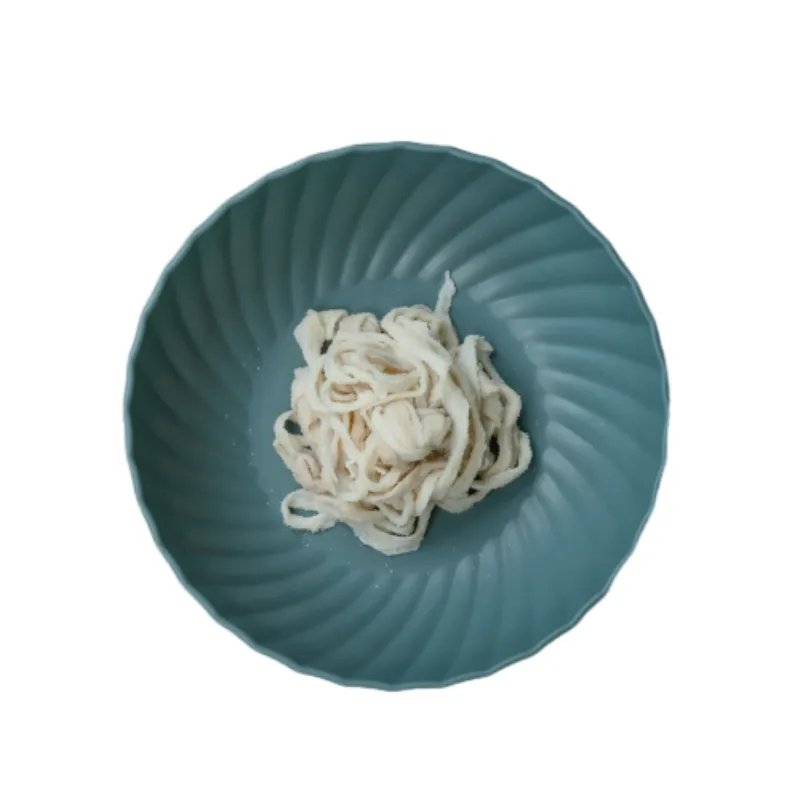
- Rehydration: Soak in clean, warm water (30–35°C) for 20–30 minutes with a pinch of salt; refresh water if needed.
- Prep: Rinse inside and out; slide onto the stuffing horn without over-stretching.
- Stuffing: Maintain steady pressure for uniform fill; twist at target link length; prick air pockets if required.
- Process: Proceed with fermentation/smoking/drying per your HACCP plan; monitor weight loss targets and surface conditions.
Processors switching to dried hog casings frequently note less downtime from split casings and faster changeovers. RUNTAI (HEBEI)CASING CO.,LTD. backs this with responsive technical support, sizing recommendations by SKU, and practical training resources for operators—helping teams reach stable performance quickly.
Sustainability & Market Trends in food industry
Natural casings are an upcycled by-product of pork processing, contributing to circularity by maximizing the value of existing raw materials. Dried sausage casings, in particular, reduce cold-chain reliance and associated emissions during transport and storage. As consumers and retailers push for clean-label proteins and authentic textures, demand for dried hog casings rises in tandem with premium and regional sausage lines.
Regulatory expectations (e.g., HACCP, traceability, supplier audits) continue to tighten. RUNTAI (HEBEI)CASING CO.,LTD. invests in robust quality systems, lot-level documentation, and process controls that help customers meet global frameworks (such as EU 853/2004 and USDA-FSIS requirements as applicable). Looking ahead, market growth will be propelled by private-label expansion, export-oriented SKUs, and efficiency upgrades in mid-sized plants. RUNTAI’s forward-thinking approach—caliber optimization, stable supply programs, and technical service—positions your operation to align sustainability commitments with dependable, large-scale performance in dried hog casings.
Conclusion on how to use dry sausage casing, dried hog casing, dried hog casings, dried sausage casing, dried sausage casings from RUNTAI (HEBEI)CASING CO.,LTD.
Dried hog casings deliver the natural bite, smoke permeability, and artisan look that premium sausages require—while improving logistics, shelf stability, and line efficiency. For B2B processors and brand owners, RUNTAI (HEBEI)CASING CO.,LTD. provides calibrated, reliable dried sausage casings backed by rigorous quality systems and practical technical support. Ready to optimize your sausage program?
Contact us: email: runtaicasings@163.com
Visit our website: https://www.rtcasing.com | Product page: Dried Hog Casings