Dec . 02, 2025 17:28
The Real Deal on Where to Buy Pork Casing: Why It Matters More Than You Think
If you’ve ever bitten into a traditional sausage or savored a classic bratwurst, you’ve likely enjoyed pork casing without even realizing it. But behind the scenes, knowing where to buy pork casing isn’t just a niche concern for butchers or food artisans — it’s a surprisingly global industry thread with implications in food security, sustainable production, and cultural heritage. The sheer demand for natural casings crosses continents and culinary boundaries, making sourcing both a logistical challenge and an opportunity for innovation.
Understanding where to buy pork casing is essential for anyone connected to meat processing, from gourmet producers to large-scale manufacturers. Plus, the quality and availability of casings impact everything from product consistency to consumer trust — in other words, it’s about far more than just wrapping meat.
Introduction: Pork Casings in a Global Context
Globally, the pork casing market reflects changes in dietary habits, supply chain shifts, and even export-import regulations. According to the Food and Agriculture Organization (FAO), pork remains one of the most widely consumed meats worldwide, especially across Europe, East Asia, and the Americas.
The demand for natural pork casings is estimated at several thousand tons annually. Yet supply chains can be fragile—affected by healthcare standards for animals, hygiene protocols, and evolving consumer preferences towards plant-based or synthetic alternatives.
Here’s a twist: manufacturers often struggle with sourcing consistent, high-quality casings to meet both artisanal and industrial production needs. The challenge? Finding reliable suppliers with sustainable, regulated products that can scale. Hence, the pressing question: where to buy pork casing?
What Are Pork Casings? A Simple Definition
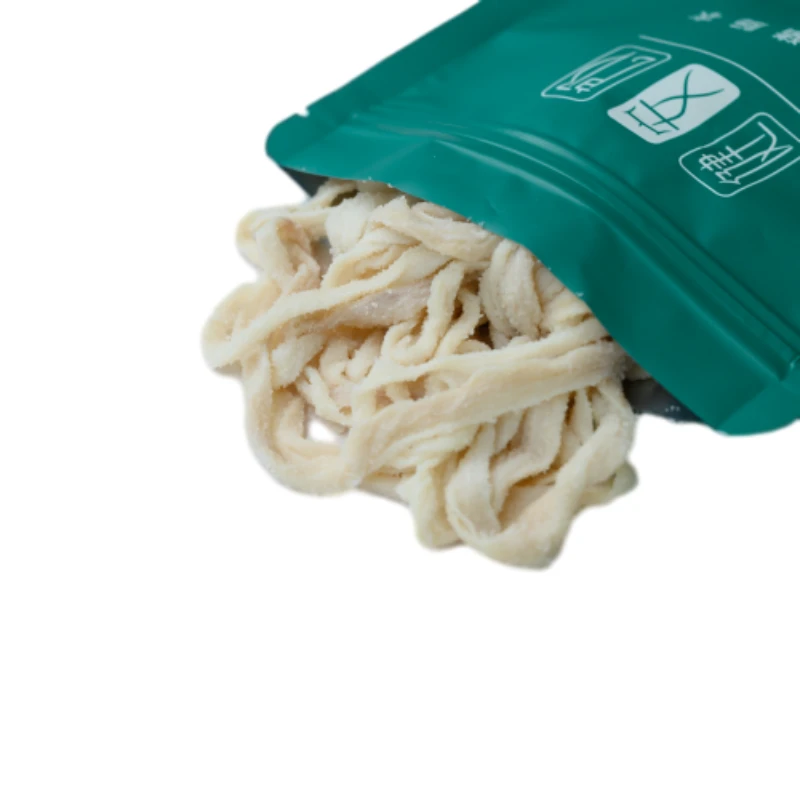
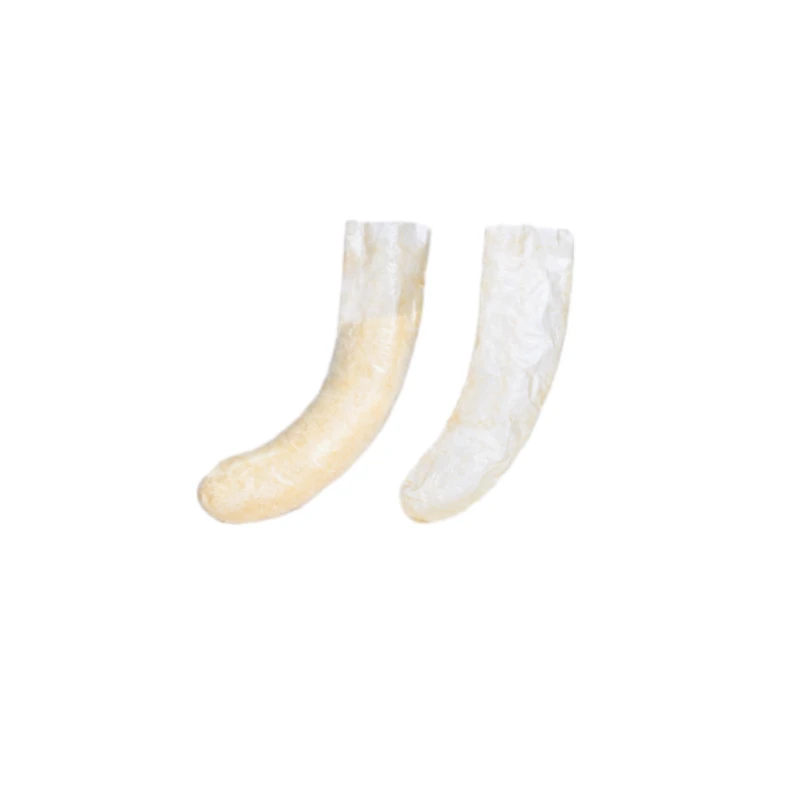
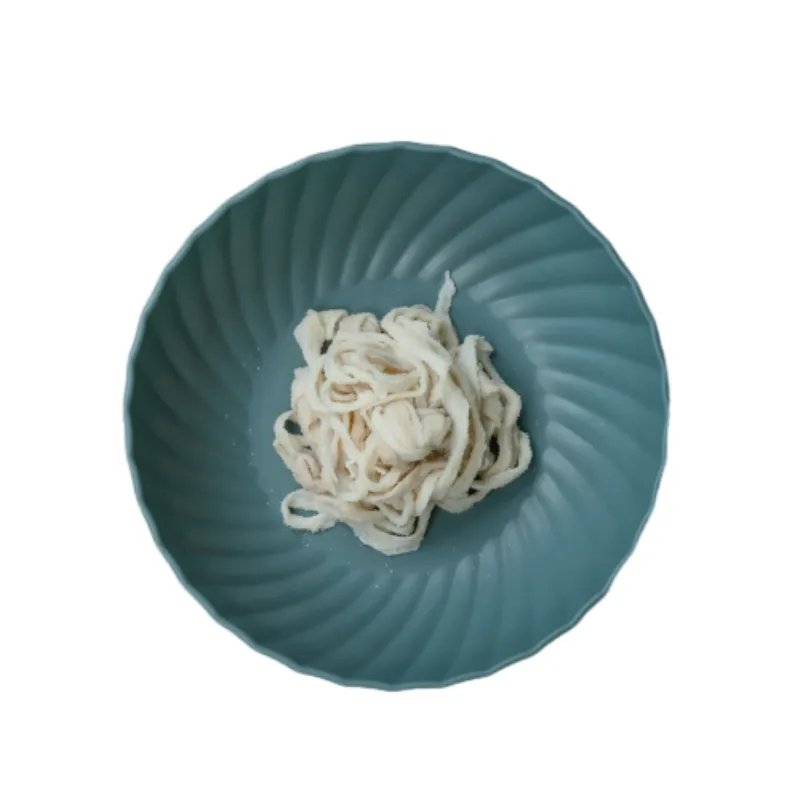
At its core, pork casing is the cleaned and processed intestines of pigs, used to encase various meat products. Unlike synthetic alternatives, natural casings’ unique elasticity and breathability lend sausages that characteristic snap and texture that many aficionados swear by.
Modern food tech has partly replaced natural casings with collagen or cellulose, but pork casings still dominate in many traditional markets for their flavor and authenticity. Interestingly, they even have a role beyond food, such as in some biomedical applications, thanks to their biocompatibility.
Mini Takeaway
Simply put, pork casings connect gastronomy, culture, and industry — but sourcing them isn’t as straightforward as it seems.
6 Key Factors to Consider When Buying Pork Casings
1. Quality & Freshness
Casings must be thoroughly cleaned and preserved. Freshness directly affects sausage flavor and safety. Many producers prefer frozen rather than salted casings to maintain texture.
2. Size & Diameter Variability
Different sausages demand different casing diameters—from small breakfast links to large bratwursts. Customers need suppliers who offer this range reliably.
3. Compliance & Safety Standards
Given that pork casings are animal-based, regulations vary by country. Buyers should verify certifications like ISO, HACCP, or those aligned with EU or FDA standards to avoid import/export issues.
4. Sustainability & Traceability
As with many animal products nowadays, there’s growing pressure for ethically sourced casings. Vendors offering transparent supply chains earn trust.
5. Price & Availability
The cost can fluctuate seasonally or due to geopolitical factors affecting pig farming. Knowing suppliers with consistent inventory mitigates production delays.
6. Vendor Support & Customization
Producers often appreciate partners who provide technical advice, packaging options, or even customized casing dimensions.
Mini Takeaway
Buying pork casings isn’t just about price—quality, compliance, and supplier relationship matter just as much.
Product Specification Table: Typical Pork Casing Features
| Feature | Specification | Details |
|---|---|---|
| Diameter Range | 16-32 mm | Suitable for various sausage types |
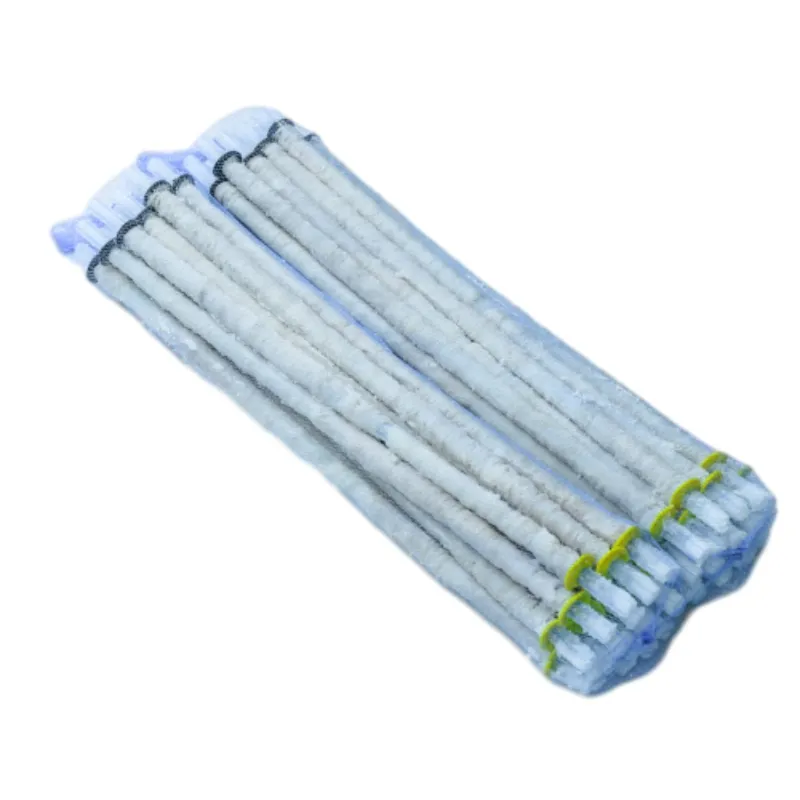
| Length per Package | Up to 80 meters | Convenient bulk buying options |
| Preservation | Frozen or salted | Depends on buyer preference |
| Certification | ISO, HACCP | Meets international hygiene standards |
| Source | Certified pig farms (EU, USA) | Ensures ethical sourcing |
Who’s Selling Pork Casing? A Quick Comparison
| Vendor | Region | Product Range | Price Range (per meter) | Special Features |
|---|---|---|---|---|
| RTCasing | Global (HQ USA) | Natural, salted, frozen casings | $0.12 - $0.20 | 24/7 support, ISO certified |
| NaturalGut Ltd. | Europe | Wide size range, custom packaging | $0.15 - $0.22 | Focus on sustainability |
| Asia Casings Co. | Asia Pacific | Frozen natural and collagen casings | $0.10 - $0.18 | Competitive pricing, local market expertise |
Global Applications & Use Cases
The use of pork casings spans a rich tapestry of industries and geographies. In Europe, artisanal charcuterie relies on natural casings to uphold centuries-old recipes. In North America, large-scale sausage manufacturers balance between cost-efficiency and the sensory experience natural casings provide.
Oddly enough, even humanitarian food aid programs find pork casing source challenges when trying to supply culturally appropriate, ready-to-eat meat products in emergency zones. Meanwhile, in Asia’s street food scene, pork casings help craft iconic snacks with authentic texture that synthetic alternatives fail to match.
Medical research occasionally leverages similar materials for biocompatible grafts—talk about a surprising crossover.
Mini Takeaway
Where you buy pork casing isn’t just about the product but the culture, region, and application it will serve.
Advantages & Long-Term Value of Choosing the Right Supplier
- Reliability: Avoid production halts by sourcing from vendors with consistent stock.
- Social Responsibility: Support for ethical animal farming and sustainable sourcing.
- Product Quality: Authentic taste and texture that boost brand reputation.
- Cost Efficiency: Prevent waste through quality casings that reduce breakage.
- Customer Trust: Transparency and certifications enhance consumer confidence.
There’s also something to be said about how natural casings evoke nostalgia or tradition for consumers — a subtle but powerful marketing edge that synthetic casings can rarely match.
What’s Next? Future Trends & Innovations in the Pork Casing Market
Technology is creeping in, albeit slowly. Innovations in preservation like vacuum-freezing and new certification protocols promise longer shelf-life and safer import-export logistics. Digital traceability — blockchain for casings, anyone? — is gaining traction to assure buyers of provenance.
Meanwhile, some companies explore biodegradable or hybrid casings to appeal to an eco-conscious market, blending traditional craftsmanship with modern sustainability goals.
Common Challenges & Smart Solutions
Handling and storing pork casings can be tricky. Many buyers report damage due to improper thawing or storage. To tackle this, thorough training for staff and choosing suppliers who offer user support make a real difference. Another hurdle is seasonal price volatility, which some choose to offset via long-term partnerships and scheduled deliveries.
Then there are the administrative headaches — certifications and cross-border compliance aren’t trivial. But suppliers who streamline paperwork or help navigate regulations truly earn their keep.
FAQ: Your Top Questions on Where to Buy Pork Casing
- Q: What should I look for in choosing a pork casing supplier?
A: Focus on supplier certifications (ISO, HACCP), consistency in product size, preservation methods, and customer service. Reliable delivery schedules and traceability also count. - Q: How do pork casings compare to synthetic ones?
A: Natural pork casings offer superior texture, flavor, and breathability. However, they require more careful handling and are generally pricier. - Q: Can I buy pork casings in bulk online?
A: Absolutely. Many vendors, such as RTCasing, specialize in bulk supply with shipping across regions. - Q: How are pork casings preserved for shipping?
A: Typically by freezing or salting. Frozen casings tend to retain texture better and have a longer shelf life, but salted ones offer simpler storage. - Q: Are there eco-friendly pork casing options?
A: Some suppliers now trace ethical farming and biodegradability, but natural casings by their nature are already more biodegradable than synthetics.
Conclusion
In real terms, mastering where to buy pork casing is like holding a secret key to balancing tradition with modern industrial needs. It impacts quality, sustainability, and economic efficiency. Done right, sourcing pork casings empowers producers to meet market demand authentically while upholding safety and ethical standards.
Curious to explore quality pork casings tailored to your needs? Visit https://www.rtcasing.com and find out how to secure reliable, certified pork casing supplies that help your products stand out.
Final Thought
Next time you enjoy a sausage with that perfect snap, remember — it all starts with choosing the right casing from the right place. And that choice matters more than you might think.
1. Food and Agriculture Organization of the United Nations (FAO): Meat Market Reports
2. ISO 22000 Food Safety Management Systems Standards
3. European Commission - Food Hygiene Rules