Dec . 01, 2025 21:25
What Exactly Is Sausage Casing Made Of, and Why Does It Matter?
If you've ever bitten into a beautifully crafted sausage, you’ve probably tasted the subtle but sturdy encasement that holds it all together. Sausage casing is made of natural or synthetic materials that provide structure, protection, and even that familiar snap when you take a bite. But beyond the culinary delight, understanding what sausage casing is made of is an oddly fascinating snapshot of global food manufacturing, sustainability efforts, and even cultural heritage.
Globally, the sausage casing industry supports billions of people by ensuring food is safely preserved, transported, and enjoyed. The variety of casing materials directly impacts production costs, environmental footprints, and consumer safety. So knowing what sausage casing is made of is key — not only for producers and consumers but anyone interested in the intersection of food, technology, and sustainability.
The Global Stage: Why Sausage Casings Are More Than Just Wrappers
According to the Food and Agriculture Organization (FAO), the demand for processed meat products is growing steadily, especially in emerging economies. In numbers, this means millions of tons of sausages packed, shipped, and consumed every year. The casing that encases these sausages plays a vital role not just in the taste and texture but in global supply chains.
One challenge the industry faces is balancing natural casing supplies with synthetic alternatives to meet demands sustainably. As traditional sources (like animal intestines) fluctuate in availability due to livestock farming shifts and animal welfare concerns, manufacturers explore scalable, cost-effective, and eco-friendly replacements.
So the question “sausage casing is made of what exactly?” is more than curiosity — it’s a peek into how food tech evolves alongside environmental and ethical pressures worldwide.
Defining Sausage Casing: Natural or Synthetic?
Simply put, sausage casing refers to the material used to stuff sausage meat before cooking or curing. These casings come primarily in two categories:
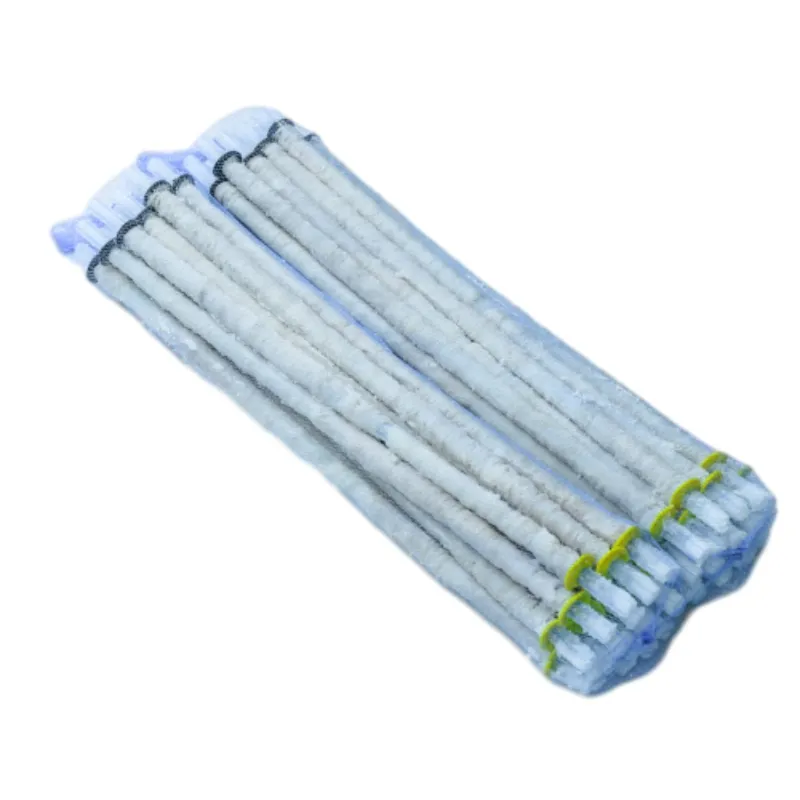
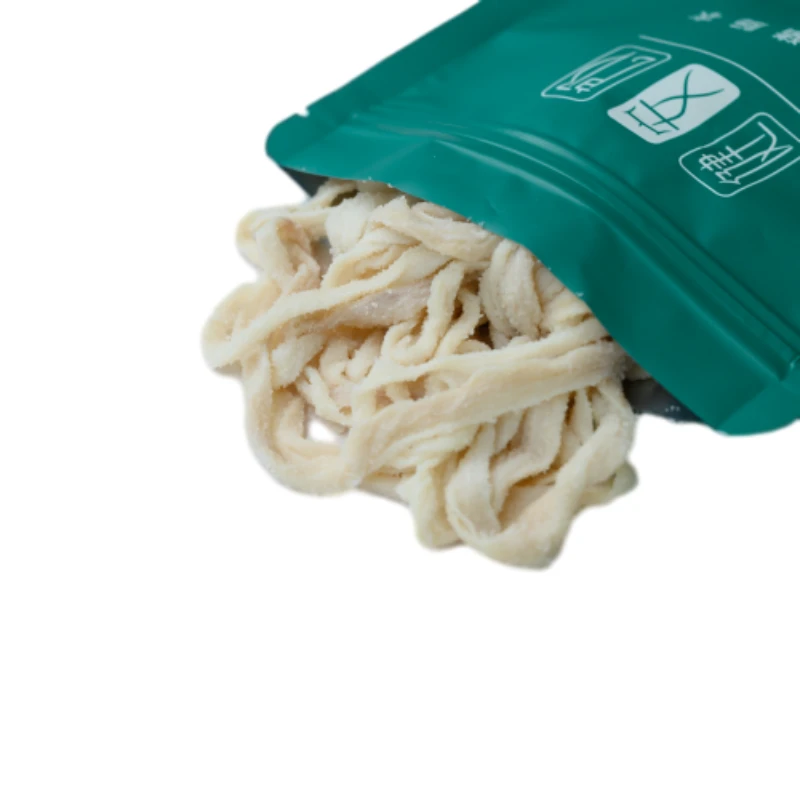
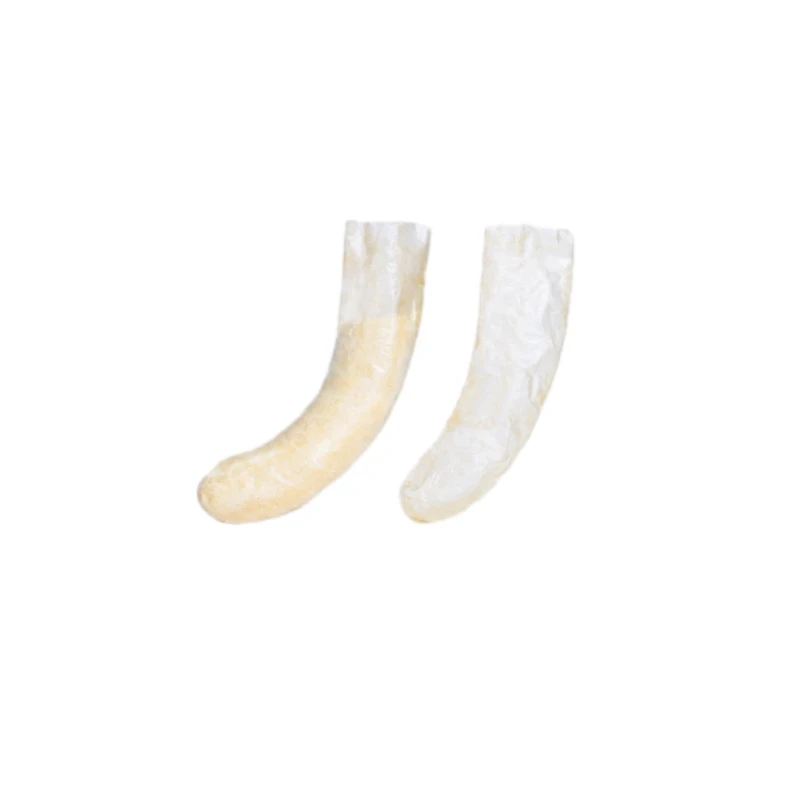
- Natural Casings: Derived from the cleaned intestines of animals like pigs, sheep, or cows. These have been used for centuries, prized for their elasticity and bite.
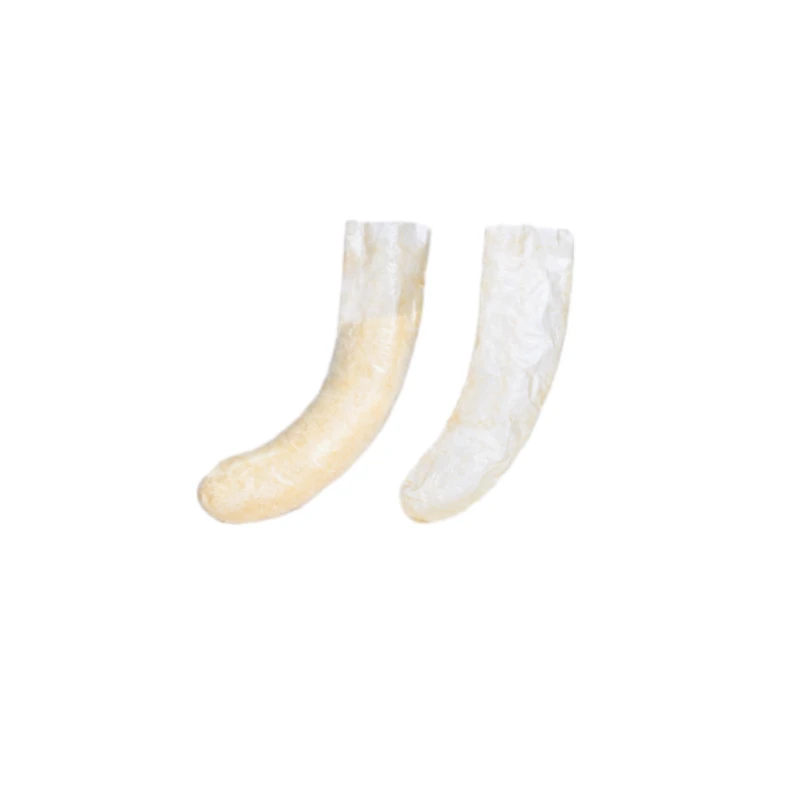
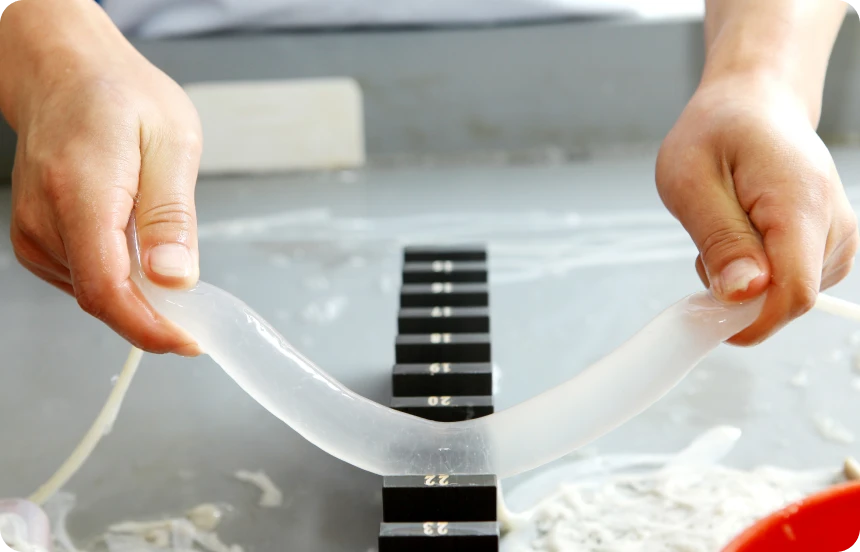
- Synthetic Casings: Made from materials such as collagen, cellulose, or even plastic polymers, designed for specific manufacturing methods and shelf life.
Though traditional, natural casings face supply and regulatory challenges, synthetic variants keep pace with industrial demand — albeit with different textures and handling properties.
I suppose that shows how food technology balances age-old craftsmanship with the demands of modern mass production and safety.
Core Components of Sausage Casing: What Really Matters
1. Durability and Elasticity
The casing needs to hold its shape under pressure, heat, and moisture without bursting. Natural casings offer phenomenal stretchiness, but collagen casings have improved a lot, making them popular in large-scale factories.
2. Food Safety and Non-Toxicity
Sausage casing is made of materials that must comply with food safety standards globally — FDA, EU, and more. This means being free of contaminants, flavors, and allergens that might alter the sausage or harm health.
3. Biodegradability and Environmental Impact
Here’s where natural casings shine — being organic, they break down easily. Synthetic collagen is also biodegradable to an extent, while cellulose is renewable. Plastic casings, although rare nowadays, pose disposal issues.
4. Scalability and Consistency
Industrial operations require uniform shapes and sizes for machines to handle. Synthetic materials tend to win here, as animal intestines vary naturally in diameter, posing challenges in automation.
5. Cost Efficiency
Natural casings can be pricey due to limited supply and preparation costs. Synthetic casings, made from collagen or cellulose, offer more predictable pricing and stock availability. Producers often juggle these factors based on target markets.
6. Sensory Qualities
Texture, taste, and “snap” — all these come down to the casing’s makeup. Traditionalists swear by natural casings for their unique bite, but new technologies try to mimic these features synthetically — sometimes successfully, sometimes... not quite.
Mini takeaway: Whether natural or synthetic, sausage casing is made of materials carefully chosen to balance durability, safety, sustainability, and sensory experience. It’s more science than simple wrapping.
Worldwide Uses: Who’s Packing These Sausages and Why?
From sprawling urban meat-processing plants in Germany to artisan butchers in Italy and small family stalls in rural Asia, sausage casings find their way into countless kitchens and factories worldwide.
- Europe: Natural casings are preferred for traditional sausages like bratwurst or chorizo, with strict quality laws.
- North America: A mix with synthetic casings dominates, optimizing for mass production and export.
- Asia: Rapid urbanization fuels demand for collagen and cellulose casings to meet food safety standards.
- Humanitarian Relief: In post-disaster zones, easily transported and long-lasting synthetic casings are used for pre-cooked meat supplies.
Interestingly, many NGOs collaborating with food aid projects find that the casing material affects not just shelf life but cultural acceptability — a subtle but important factor.
Advantages That Go Beyond Holding Meat Together
In real terms, understanding what sausage casing is made of reveals much about production sustainability, cost savings, and consumer satisfaction.
- Sustainability: Natural casings support circular agriculture, while advanced synthetic versions reduce resource strain.
- Cost & Flexibility: Manufacturers often switch between casing types to control expenses without sacrificing quality.
- Social Impact: Sausages can preserve cultural food heritage — the casing is part of that intangible value.
- Reliability: A dependable casing ensures less waste, consistent cooking, and safety—a big deal in the food sector.
You might not think of the casing as a linchpin, but for processors and consumers alike, it’s a quiet hero.
Looking Ahead: The Future of Sausage Casings
Exciting developments are on the horizon, from biodegradable collagen casings made via bioengineering to smart packaging infused with sensors. Industry players are exploring:
- Eco-friendly casing materials derived from plant proteins and fungi.
- Automation-friendly synthetic casings tailored for high-speed production lines.
- Digital tracking systems embedded to verify product origin and safety.
Combining sustainability, tech integration, and manufacturing efficiency seems to be the target. Sometimes, the future is wrapped inside a casing...
Current Challenges & How The Industry Tackles Them
Despite advancements, sausage casing materials face hurdles:
- Supply Constraints: Natural casings depend on livestock yields, making supply volatile.
- Cost Fluctuations: Sourcing premium natural materials can unexpectedly spike prices.
- Quality Consistency: Biological materials vary, complicating mass production.
- Environmental Concerns: Synthetic casing disposal can be tricky if non-biodegradable.
Experts recommend blending materials – using hybrid casings and pushing R&D in sustainable fibers, plus improving cleaning and recycling processes. Plus, more transparent sourcing and certification promise to ease concerns.
Product Specification Table: Popular Sausage Casings Overview
| Casing Type | Source Material | Biodegradable | Typical Diameter Range (mm) | Ideal Use | Cost Level |
|---|---|---|---|---|---|
| Natural (Pork Intestine) | Animal (Pork) | Yes | 16–28 | Artisan Sausages, Grilling | High |
| Collagen Casings | Derived from Beef or Pig Collagen | Moderate | 15–50 | Mass Production, Cooked Sausages | Moderate |
| Cellulose Casings | Plant Cellulose | Yes | - | Skinless Sausages, Hot Dogs | Low |
| Plastic Casings | Polymer Films | No | Variable | Cooked/Smoked Sausages | Low–Moderate |
Vendor Comparison: Leading Sausage Casing Manufacturers at a Glance
| Vendor | Primary Casing Type | Global Market Reach | Sustainability Initiatives | Customization Options |
|---|---|---|---|---|
| Viscofan Group | Collagen, Cellulose, Fibrous | 150+ countries | Yes, carbon footprint reduction programs | Diameter, length, permeability |
| Devro | Collagen | Global | Focus on biodegradable casings | Strength, collagen source |
| Nippon Meat Packers (Japan) | Natural & Collagen | Asia Pacific | Innovating with plant-derived materials | Shape, thickness |
FAQ: Your Most Common Questions About Sausage Casings
- What is the difference between natural and synthetic sausage casings?
- Natural casings are made from animal intestines and offer superior elasticity and flavor, while synthetic casings (collagen, cellulose) are manufactured materials designed for consistent sizing and easier processing, commonly used in large-scale production.
- Are synthetic casings safe to eat?
- Yes, synthetic casings made from collagen or cellulose comply with global food safety regulations and are safe to eat. Some cellulose casings, however, are designed to be peeled off after cooking.
- How does the casing material affect the taste of the sausage?
- The casing can influence taste and texture, with natural casings providing the classic “snap” and subtle flavor, while synthetic casings offer a more neutral profile ideal for mass-produced sausages.
- Can sausage casings be biodegradable?
- Many natural and collagen casings are biodegradable. Cellulose casings, derived from plant fibers, are also biodegradable, but plastic casings typically are not.
- Where can I find high-quality sausage casings for my business?
- Reliable vendors include Viscofan, Devro, and Nippon Meat Packers, among others. You can explore specific offerings at sausage casing is made of to find detailed product info and order options.
Wrapping Up: Why Knowing ‘Sausage Casing Is Made Of’ Matters for the Long Haul
To step back for a moment — sausage casing is made of materials that reflect centuries of tradition, innovation, and an ongoing push toward sustainability and efficiency. Whether you’re an industry professional or a curious consumer, understanding the source and nature of these casings opens up insights into how food manufacturing balances quality, safety, and environmental concerns.
The future looks promising, with bioengineered casings and smarter production methods on the rise. And frankly, it’s comforting to think that even something as humble as the sausage casing plays a part in a global movement toward responsible food systems.
Interested to learn more? Visit sausage casing is made of for comprehensive resources and industry-leading products.