Dec . 02, 2025 17:06
What Is Sausage Skin Made Out Of? A Simple Yet Surprising Overview
If you've ever wondered what's that thin layer that holds your favorite sausage together, you're not alone. Understanding what sausage skin is made out of might seem trivial at first, but it actually matters a lot for food quality, safety, and even cultural culinary traditions around the world. On a global scale, the materials used to encase sausages can affect production costs, environmental impact, and even animal welfare considerations — so knowing these ingredients is a little more interesting than you might expect.
Let’s unpack the mystery of sausage skins with a light but informed approach, bringing in some stats and insights while keeping it approachable for anyone who enjoys their meatwrapped just right.
Why It Matters: The Global Context of Sausage Casings
Sausage production is a multi-billion-dollar industry globally, with millions of tons made yearly. According to Wikipedia, the world consumes tons of sausages, and this all hinges on the casing — the “skin.”
The materials used for sausage skins come from different sources, including natural animal intestines and synthetic alternatives. The choice often depends on regional preferences, technological scalability, and environmental policies.
The United Nations Food and Agriculture Organization (FAO) highlights that meat processing innovations, including safe and sustainable casing materials, impact food security and hygiene worldwide. So, understanding what sausage skin is made out of touches on food safety laws, cultural norms, and ecological footprints all at once.
Oddly enough, for an industry centuries old, the challenge of sourcing durable, edible, and sustainable casings remains. Synthetic casings grow in demand because they can be produced uniformly and at scale, but natural casings still have a stronghold for taste and texture. It's a tug-of-war between tradition and technology.
What Is Sausage Skin Made Out Of? Defining The Terms
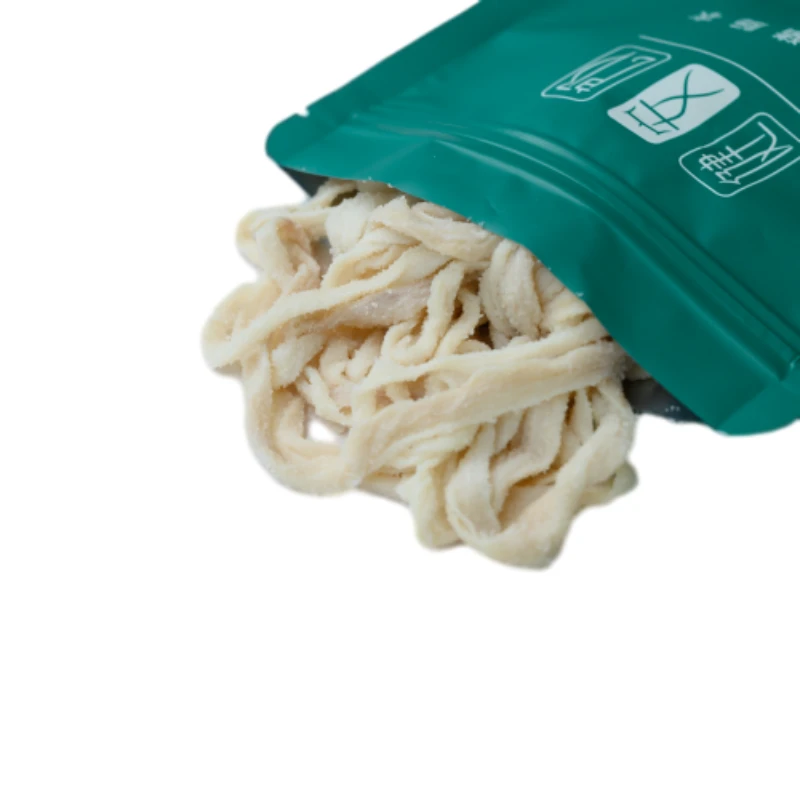
Simply put, sausage skin — or the casing — is the outer layer that encases the ground meat and spices. Traditionally, natural casings come from cleaned intestines of pigs, sheep, or cows. These are edible and provide that characteristic "snap" when you bite into a sausage. In the modern industry, however, synthetic casings made from collagen, cellulose, or plastic are common.
Natural casings are biodegradable and have been used for thousands of years. Synthetic types emerged to offer consistency, affordability, and sometimes longer storage life. Each material has its place depending on the end product needs, manufacturing method, and consumer preference.
Natural Casings
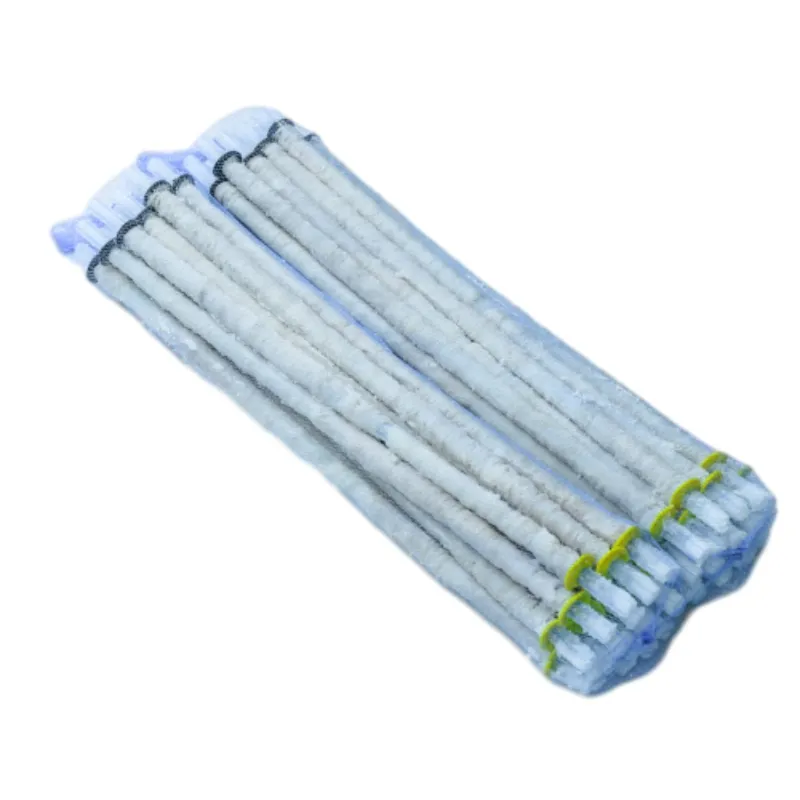
- Derived from pig, sheep, or cow intestines
- Edible, flexible, and breathable
- Used mainly in traditional and artisanal sausage production
Collagen Casings
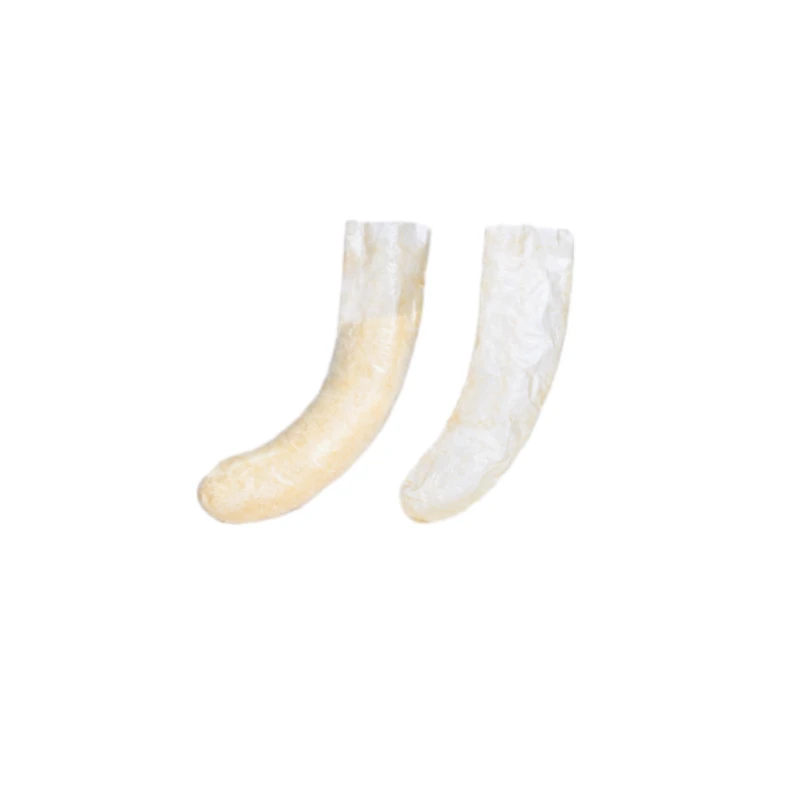
- Made from purified collagen extracted from cattle or pig hides
- Edible, available in much larger diameters
- Popular for fresh and cooked sausages
Cellulose Casings
- Made from plant fibers (wood pulp or cotton)
- Not edible; usually removed after cooking
- Often used for hot dogs and skinless sausages
Plastic Casings
- Made from various polymers
- Not edible but excellent for longer shelf life and moisture retention
- Used in industrial sausage packaging
Core Aspects To Consider About Sausage Skins
1. Durability
The casing needs to hold its shape during stuffing and cooking. Natural casings are surprisingly strong but less uniform, while synthetic ones offer consistent thickness and resistance.
2. Edibility
Whether the casing can be eaten affects the consumer experience. Natural and collagen casings are mostly edible, cellulose and plastic usually are not.
3. Cost Efficiency
Natural casings require more processing and are costlier. Synthetics allow cheaper mass production but sometimes compromise on traditional taste.
4. Environmental Impact
Biodegradability is a growing concern, pushing many producers to prefer natural or collagen casings over petroleum-based plastics.
5. Production Scalability
Industrial producers need casings that can handle high-speed linking machines; synthetic options are typically better suited.
Global Applications and Use Cases
Natural sausage skins are still favored in many European countries, like Germany and Italy, where traditional recipes demand that “snap” and authenticity. Meanwhile, the US and large-scale producers often switch to collagen or cellulose casings for hot dogs, pepperoni, and other processed meats.
In developing countries, natural casings might be used less due to cost and supply constraints, pushing innovation in synthetic alternatives. For instance, in remote industrial areas or relief efforts where food preservation is critical, cellulose casings can be removed after cooking, improving shelf stability.
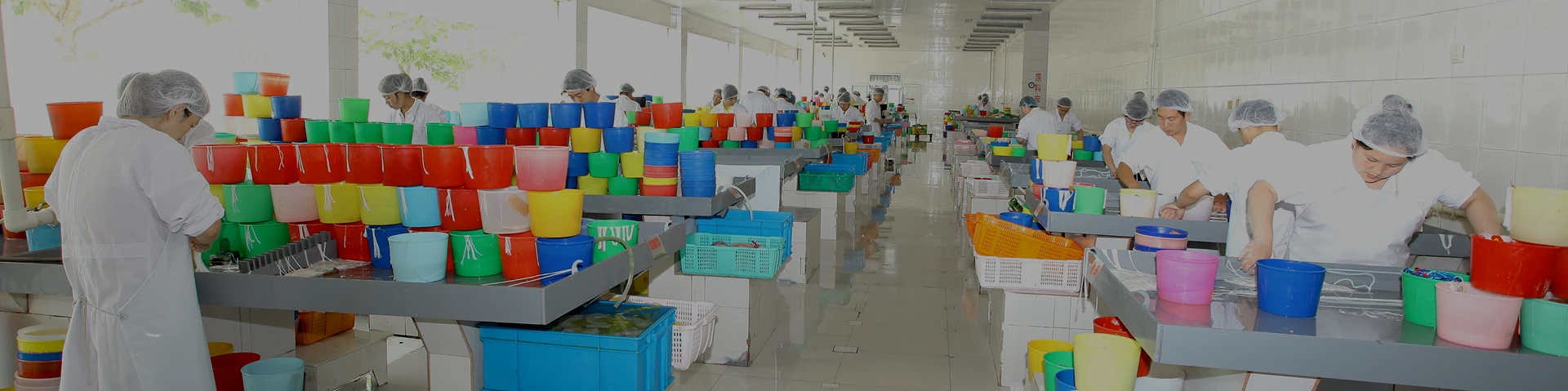
Many artisan butchers also emphasize sourcing high-quality natural casings — some even importing from specialty suppliers to maintain product consistency.
| Sausage Skin Type | Source | Edibility | Typical Uses | Environmental Note |
|---|---|---|---|---|
| Natural Casings | Animal intestines (pork, sheep, beef) | Edible | Artisan sausages, traditional recipes | Biodegradable |
| Collagen Casings | From cattle or pig hides | Mostly Edible | Fresh and cooked sausages | Mostly biodegradable |
| Cellulose Casings | Plant fiber | Not edible | Hot dogs, skinless sausages | Biodegradable |
| Plastic Casings | Various polymers | Not edible | Industrial packaging, long shelf life | Non-biodegradable |
Advantages & Long-Term Benefits of Knowing Sausage Skin Composition
- Food Safety & Quality: Knowing casing composition helps prevent contamination and ensures proper cooking.
- Sustainability: Choosing biodegradable casings reduces food processing’s ecological footprint.
- Cost Management: Balancing natural vs. synthetic costs impacts affordability and profit margins.
- Cultural Authenticity: Proper casing preserves culinary heritage – think bratwurst or chorizo.
- Consumer Trust: Transparency about ingredient origins supports brand ethics.
I find it fascinating how a small detail like the sausage’s skin reflects bigger themes in food manufacturing, trade, and culture — maybe more than we notice while chomping down at a backyard BBQ.
Future Trends & Innovations in Sausage Casings
Modern research increasingly targets sustainability and health concerns. Some emerging solutions include:
- Plant-based edible casings: Bioengineered from algae or cellulose combined with proteins, offering a natural snap without animal products.
- Advanced collagen casings: Enhanced processing for uniform thickness and reduced allergen risks.
- Smart packaging casings: Embedded sensors that track freshness or temperature during shipping.
- 3D-printed custom casings: A speculative but intriguing frontier for artisanal or personalized sausages.
Green energy and digital integration in production lines also optimize casing manufacturing, reducing waste and energy consumption.
Challenges & Solutions in Sausage Skin Production
Common issues crop up, like the inconsistent quality of natural casings due to variations in animal diet or region, which affects texture and length. Synthetics sometimes lack the flavor boost that natural skins provide, and plastic casings face backlash over non-recyclability.
Innovative solutions revolve around improving collagen extraction methods, blending materials for better performance, and boosting traceability in supply chains to reassure consumers on origin and ethics.
Quick FAQ: Your Sausage Skin Questions Answered
- What is the difference between natural and synthetic sausage casings?
- Natural casings come from animal intestines, are edible, and offer a unique “snap.” Synthetic casings include collagen, cellulose, or plastic, designed for consistency and mass production, with varying edibility.
- Are natural sausage skins safe and hygienic?
- Yes, natural casings undergo extensive cleaning and treatment. Regulatory bodies like the USDA require strict standards to ensure they’re safe for consumption.
- Can I use vegetarian sausage skins?
- Plant-based casings, like cellulose, exist but are usually removed after cooking. New innovations are developing fully edible vegetarian casings derived from algae and proteins.
- How do sausage casings affect the taste?
- Natural casings enhance texture and flavor due to breathability and protein makeup, while some synthetic types offer more neutral flavor but better shelf life.
- Is sausage skin biodegradable?
- Natural and collagen casings are biodegradable. Cellulose casings biodegrade too, but plastic is generally not recyclable or biodegradable.
Conclusion: Why Knowing Sausage Skin Materials Pays Off
So, what is sausage skin made out of? It’s both a simple and deeply connected answer — from ancient animal intestines to cutting-edge bioengineering. This casing isn’t just packaging; it influences taste, production efficiency, safety, and sustainability worldwide.
Being aware of your sausage’s skin means understanding a little more about the journey from farm to fork. So if you’re curious to learn even more or explore sourcing options, why not visit our website for detailed info and expert advice?
After all, every great sausage deserves the right skin to tell its story.
| Supplier | Products Offered | Pricing | Sustainability Focus | Global Reach |
|---|---|---|---|---|
| RT Casing | Natural, Collagen, Cellulose | Competitive; Bulk discounts | High; focus on biodegradable options | Worldwide exports |
| Natural Casing Co. | 100% Natural hog and sheep casings | Premium pricing | Traditional focus; organic sourcing | Selective regional markets |
| Global Collagen Supplies | Wide range of collagen casings | Mid-range pricing | Invested in sustainable collagen farming | International distribution |
References:
1. Wikipedia — Sausage casing
2. Food and Agriculture Organization of the United Nations (FAO) reports on meat processing
3. ISO standards for food safety and casing quality (ISO 22000)