Dec . 02, 2025 17:04
What Is Sausage Skin Made of Now? A Global Look at Its Composition and Importance
At first glance, sausage skin might seem like just a minor detail in the meat industry. But understanding what is sausage skin made of now opens a window into centuries-old food traditions, modern food science, and even global sustainability challenges. Why does it matter? Because the casing isn’t just about holding meat together — it often impacts food safety, texture, and even how environmentally friendly a sausage truly is. This article takes you from the basics to the latest innovations, mingling culinary tradition with industrial progress.
Introduction: The Global Context of Sausage Skins
Sausage production is big business worldwide — according to the Food and Agriculture Organization (FAO), the global sausage market topped $30 billion in recent years, with steady growth forecasted. The variety of sausages ranges from Europe’s classic bratwurst to Asia’s spiced chorizos and the fast-growing plant-based sausages emerging from North America.
With production at this scale, the material used for sausage skins has become a notable point of evolution. Problems like supply chain disruptions, consumer demand for cleaner and sustainable ingredients, and health concerns have all pushed the industry to rethink the casing. In fact, the choice of casing doesn't just influence味the product quality but also impacts global sustainability goals around packaging waste and animal welfare.
Yet, what is sausage skin made of now? This question ties directly into industrial innovation as well as cultural preferences.
Understanding Sausage Casings: What Are They Made Of Now?
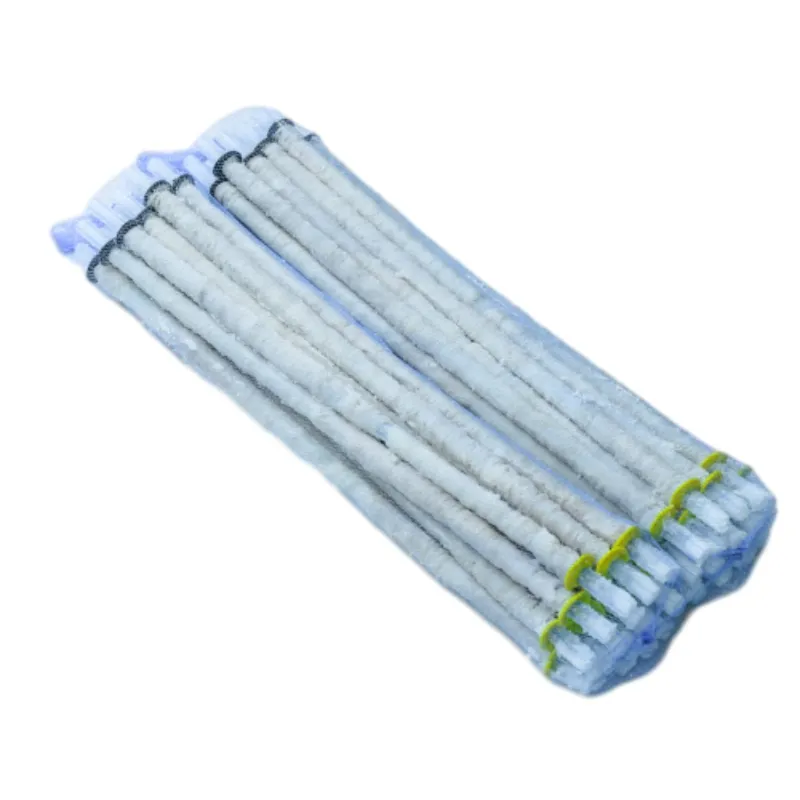
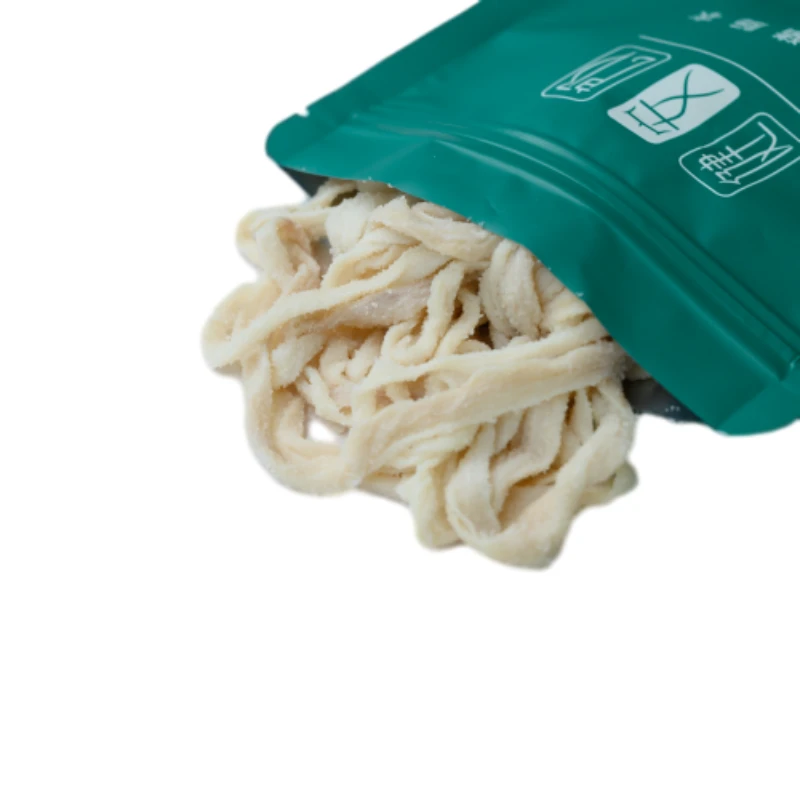
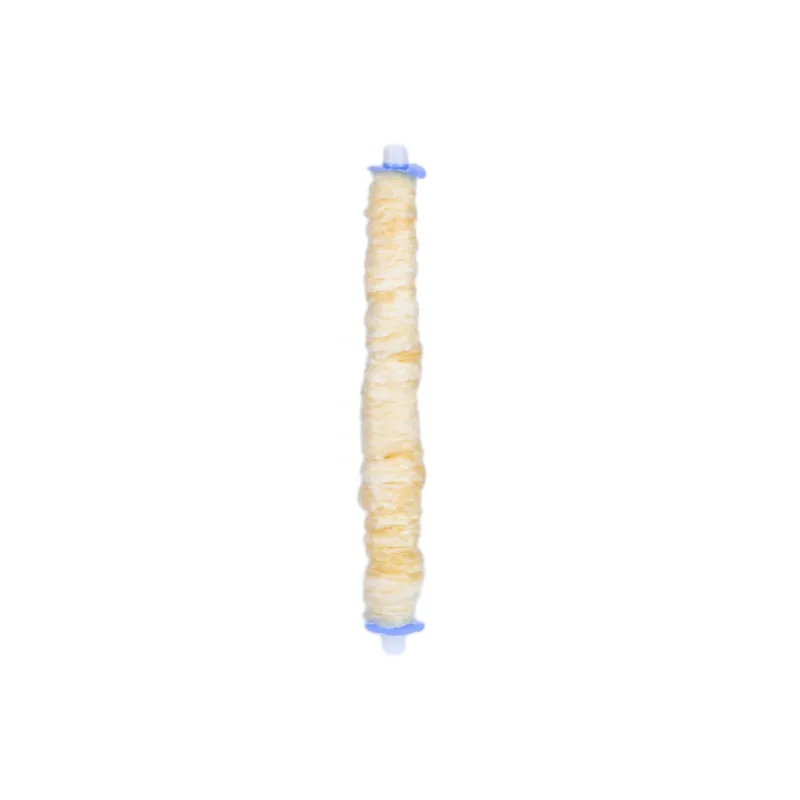
Traditionally, sausage skins were made from animal intestines, mainly pork, sheep, or cattle. These natural casings impart a characteristic snap and flavor that many sausage aficionados cherish. But as the food industry modernized, synthetic alternatives emerged, including collagen, cellulose, and plastic-based casings.
Today, the answer to what is sausage skin made of now is a blend depending on the end product, market, and regulatory standards. Natural casings remain popular for premium products while collagen casings have gained ground due to their uniformity, safety, and ease of handling. Cellulose is mostly used in skinless sausages, but it’s still important as an industrial casing.
Interestingly, there’s a growing sector exploring biodegradable and even plant-based casings, aligning with sustainability efforts. So, it's a fascinating mix: some sausages wrapped in centuries-old natural skins, others in high-tech, lab-made materials designed to optimize shelf life and reduce waste.
Mini Takeaway:
Modern sausage skins straddle tradition and technology — natural casings for authentic texture, synthetic and innovative casings for mass production, consistency, and environmental concerns.
Key Components and Features of Modern Sausage Skin Materials
1. Natural Casings: The Classics
- Source: Usually hog, sheep, or beef intestines.
- Features: Breathable, flexible, edible, and impart characteristic ‘snap’.
- Drawbacks: Variable quality, higher cost, supply limitations, and hygiene issues.
2. Collagen Casings: The Industrial Favorite
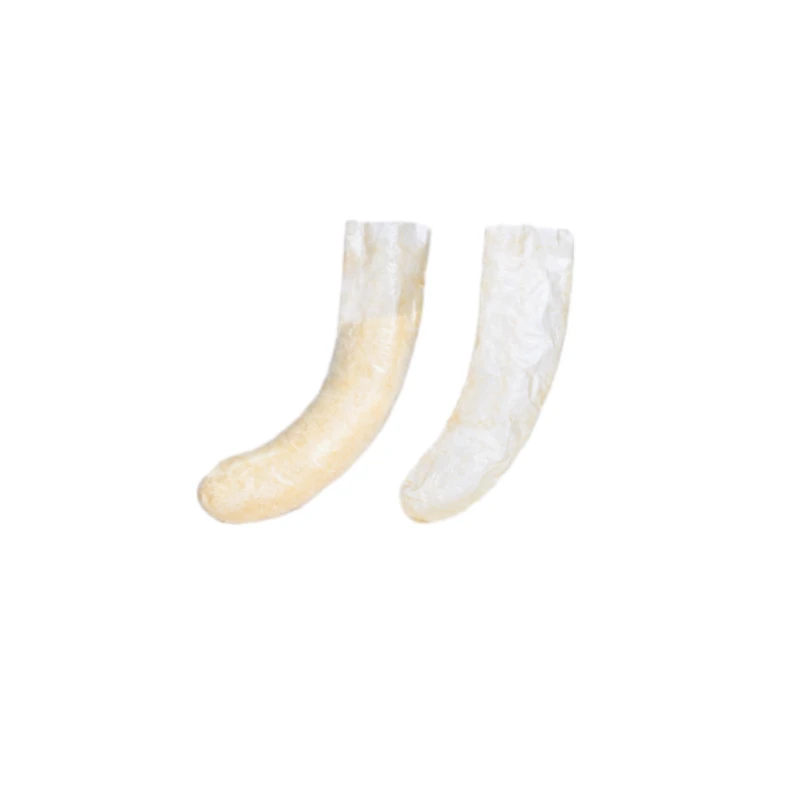
- Source: Processed cattle or pig hides.
- Features: Consistent thickness, easy to handle, edible, and usually less costly than natural casings.
- Drawbacks: Slightly less ‘snap,’ sometimes flavor-neutral.
3. Cellulose Casings: For Skinless Sausages
- Source: Wood pulp-derived fibers.
- Features: Form-stabilizing but removed before packaging, often used for hot dogs.
4. Synthetic Plastic Casings
- Source: Plastic polymers.
- Features: High barrier to oxygen and moisture, used mainly for non-edible casing applications like salami wrapping.
- Drawbacks: Not edible, troublesome disposal.
5. Emerging Plant-Based and Biodegradable Casings
- Under development to meet sustainability goals and consumer demand for natural products.
- Potential to revolutionize the idea of sausage skin in coming years.
Mini Takeaway:
The sausage skin market today balances product quality, cost-efficiency, and sustainability through diverse casing materials tailored to different needs.
Global Applications and Use Cases of Sausage Casings
Depending on regional preferences and technology access, sausage skins are applied in a variety of ways:
- Europe: High-end products still favor natural casings for premium texture, especially in Germany, Italy, and Spain.
- North America: Large-scale meat processors rely on collagen casings for uniformity in hot dogs and sandwich sausages.
- Asia: A mix of traditional natural casings and new synthetic ones supports varied local delicacies.
- Post-disaster and Remote Zones: Quick, shelf-stable sausage products with synthetic casings support food distribution where refrigeration is minimal.
For example, relief organizations use sausages with collagen casings in emergency rations because they keep well and are easy to transport. Meanwhile, artisanal producers in Europe fiercely defend the natural intestine-based casings for their flavor nuances.
Mini Takeaway:
From Michelin-star kitchens to humanitarian aid packs, sausage casings serve a diverse, global range of culinary and practical purposes.
Advantages & Long-Term Value of Modern Sausage Casings
- Cost Efficiency: Industry-grade collagen and cellulose casings significantly reduce manufacturing inconsistencies and waste.
- Sustainability: New bioplastic and plant-based options promise less environmental impact than traditional plastics.
- Food Safety & Shelf Life: Synthetic casings create tougher barriers to contamination and oxygen, enhancing shelf stability.
- Consumer Appeal: Natural casings convey authenticity, while synthetic ones meet the convenience factor.
- Social Impact: Supporting local producers of natural casings sustains traditional practices and rural economies.
Sure, I know many purists argue that “only natural casings” make a true sausage. But in reality, blending various materials often creates the best balance for accessibility, taste, and sustainability, especially as consumer demands evolve.
Future Trends & Innovations in Sausage Skin Materials
The sausage skin industry isn’t just sitting still, and frankly, there’s some exciting innovation underway:
- Biodegradable Casings: Companies are experimenting with seaweed and other plant-derived films that can break down safely in the environment.
- Lab-grown Collagen: Using bioengineering to create collagen without animal hides, reducing ethical concerns.
- Smart Packaging: Embedded sensors in casings to detect spoilage (still largely experimental).
- Regulatory Shifts: ISO and FDA updates pushing for cleaner labeling and safety standards affecting casing choices.
With global consumers becoming more eco-conscious and the meat industry embracing digital transformation, the humble sausage skin might soon be smarter and greener than ever before.
Challenges & Solutions in Using Modern Sausage Casings
Yet, it’s not all rosy. Each casing type has its quirks:
- Natural casings: susceptible to inconsistent supply and hygiene concerns.
- Collagen casings: sometimes criticized for lower mouthfeel authenticity.
- Bioplastic casings: not yet widely cost-effective or fully tested for long-term food safety.
Many food scientists suggest hybrid approaches can mitigate these issues. For example, coating natural casings with antimicrobial layers or blending plant-based materials with collagen to optimize both texture and sustainability.
FAQ: Frequently Asked Questions About What is Sausage Skin Made of Now
- What are the main differences between natural and collagen sausage casings?
- Natural casings come from animal intestines, offering unique texture and flavor, but can vary in quality and cost. Collagen casings are manufactured from animal hides, providing uniformity and ease of use, making them popular for mass production.
- Are synthetic casings safe to eat?
- Some synthetic casings, like collagen and cellulose, are edible and safe. Other plastic-based casings are non-edible and must be removed before consumption.
- How are modern sausage casings contributing to sustainability?
- Emerging biodegradable and plant-based casings reduce reliance on plastics and animal products, supporting environmental goals and reducing packaging waste.
- Can sausage casings be customized for specific products?
- Yes, manufacturers can tailor casing thickness, hardness, and permeability depending on the sausage type, cooking method, and shelf-life requirements.
- Where can I learn more about innovations in sausage skin technology?
- Industry publications, FAO reports, and research from food tech startups provide ongoing updates. A good starting point is what is sausage skin made of now — where innovation meets tradition.
Product Specification Table: Typical Sausage Casings Comparison
| Property | Natural Casings | Collagen Casings | Cellulose Casings |
|---|---|---|---|
| Source | Animal intestines | Animal hides (collagen) | Plant fiber (wood pulp) |
| Edibility | Edible | Edible | Not edible (removed before packaging) |
| Texture | Distinct snap, chewy | Uniform, mild snap | Smooth, no bite |
| Cost | High | Moderate | Low |
| Sustainability | Renewable but animal-based | Animal byproduct, sustainable sourcing improving | Plant-based but processing intensive |
Vendor Comparison Table: Leading Sausage Casing Suppliers
| Supplier | Material Specialty | Global Reach | Price Tier | Sustainability Focus |
|---|---|---|---|---|
| Viskase Companies | Collagen casings | North America, Europe, Asia | Mid-range | Invests in eco-friendly development |
| Devro | Collagen, edible films | Global, strong in Europe | Mid to high | Green innovation programs ongoing |
| Donger Meat Products | Natural casings | Asia, domestic markets | Premium | Limited focus |
Conclusion: Why Understanding What Sausage Skin Is Made Of Matters
So, what is sausage skin made of now? Simply put, it depends — ranging from natural animal intestines to advanced collagen casings and emerging biodegradable films. The blend of tradition and innovation helps this fragment of food technology solve challenges of taste, safety, cost, and sustainability worldwide.
Whether you are a food producer, a curious consumer, or someone interested in sustainable packaging, grasping the details of sausage casings opens a flavorful door into the evolving future of food. Curious for more? Don’t forget to check out what is sausage skin made of now to dive even deeper.
At the end of the day, it feels like sausage skins are quietly at the crossroads of food heritage and modern science — a reminder that even the smallest detail can tell a big story.