Dec . 02, 2025 17:02
What Is Salami Casing Made Of? A Closer Look at This Essential Ingredient
If you’ve ever wondered what is salami casing made of and why it feels like such a simple question opens a door to a surprising world, you’re not alone. Globally, this tiny but vital component affects not just taste and texture but also the food industry’s sustainability and safety standards.
Salami, after all, is one of the world’s oldest preserved meats — and the casing plays an outsized role. Understanding what makes up salami casing matters not just for charcutiers but for food scientists, manufacturers, and even ethical consumers keen on where their food truly comes from.
In brief: knowing what salami casing is made of unravels a mix of tradition, innovation, and global food safety concerns.
The Global Importance of Salami Casings
Salami consumption isn’t limited to Europe or the Mediterranean anymore; it’s a staple in countless kitchens worldwide, be it Argentina, the US, or Asia. According to the Food and Agriculture Organization (FAO), processed meat markets are growing steadily, with global demand projected to rise nearly 3.5% annually through 2030.
Yet, the challenge lies not only in producing delicious salami but also in sourcing casings that meet strict hygiene, durability, and consumer preference standards. Edible casings must be safe and often biodegradable, while artificial casings need to meet regulatory approvals — a constant balancing act in the food supply chain.
Oddly enough, the problem of “what is salami casing made of” ripples into environmental debates too. Natural casings come from animal intestines, which some consumers shy away from, pushing demand for synthetic or plant-based alternatives — each with their own pros and cons.
The rise of global processed meat markets underscores the need for advanced, safe, and sustainable salami casings.
Defining Salami Casings: What Exactly Are They?
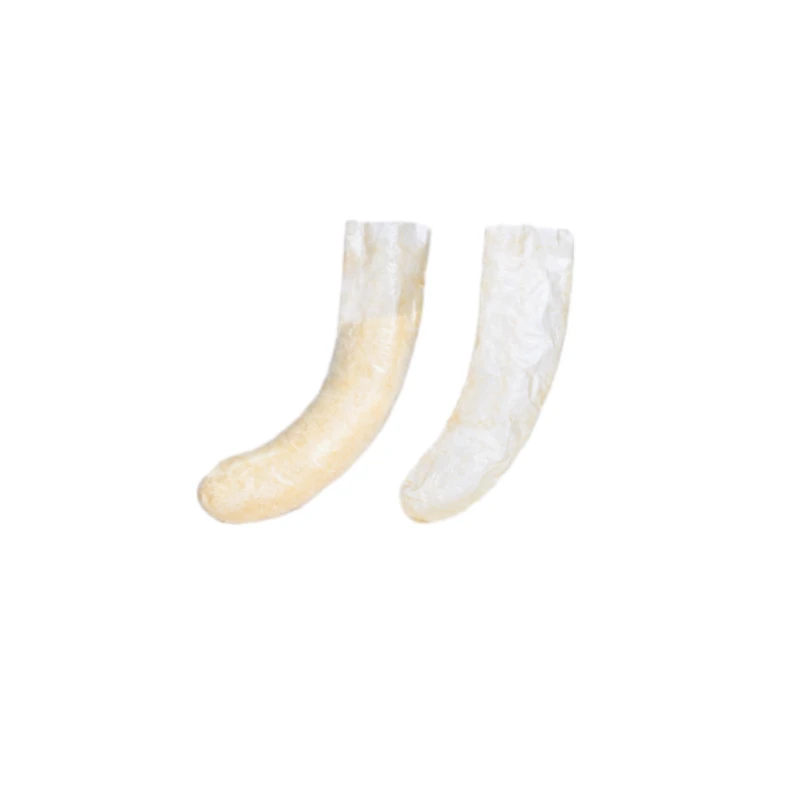
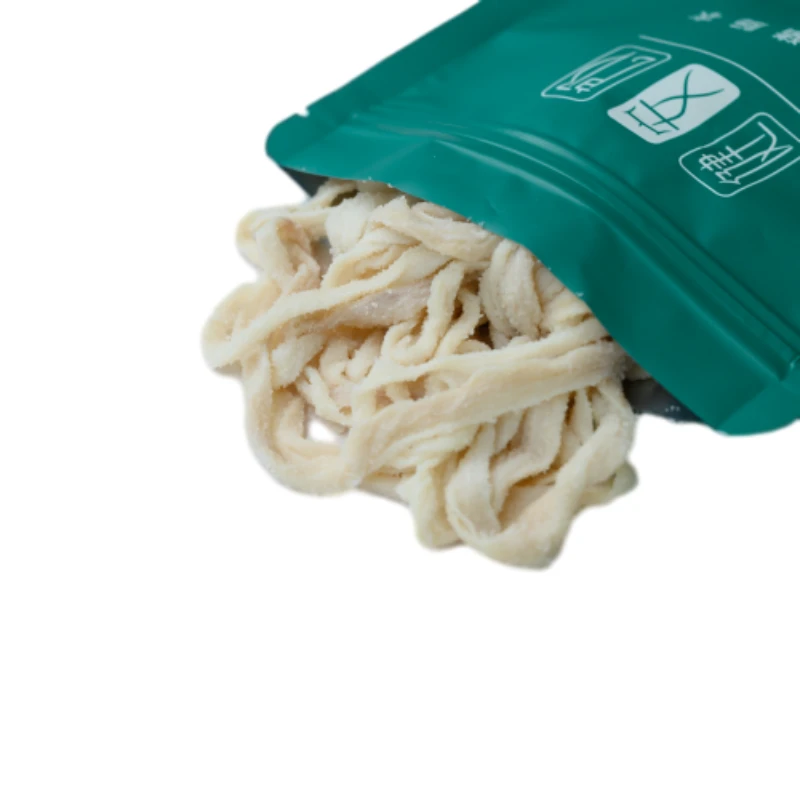
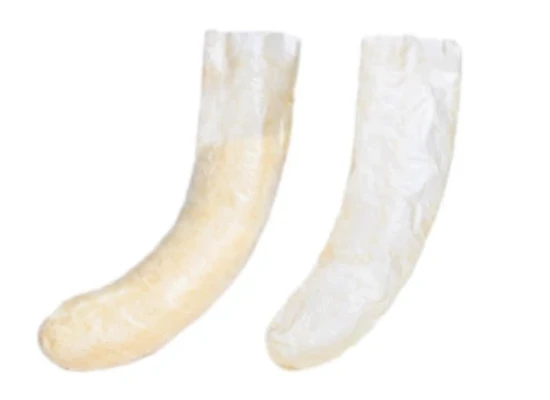
Simply put, salami casings are the edible or inedible covers that enclose the meat mixture as it cures and ages. Traditionally, these casings are made from cleaned and processed animal intestines—usually from pigs, sheep, or cows. The natural casing’s porous texture allows moisture and smoke to escape during curing, which is crucial for flavor development.
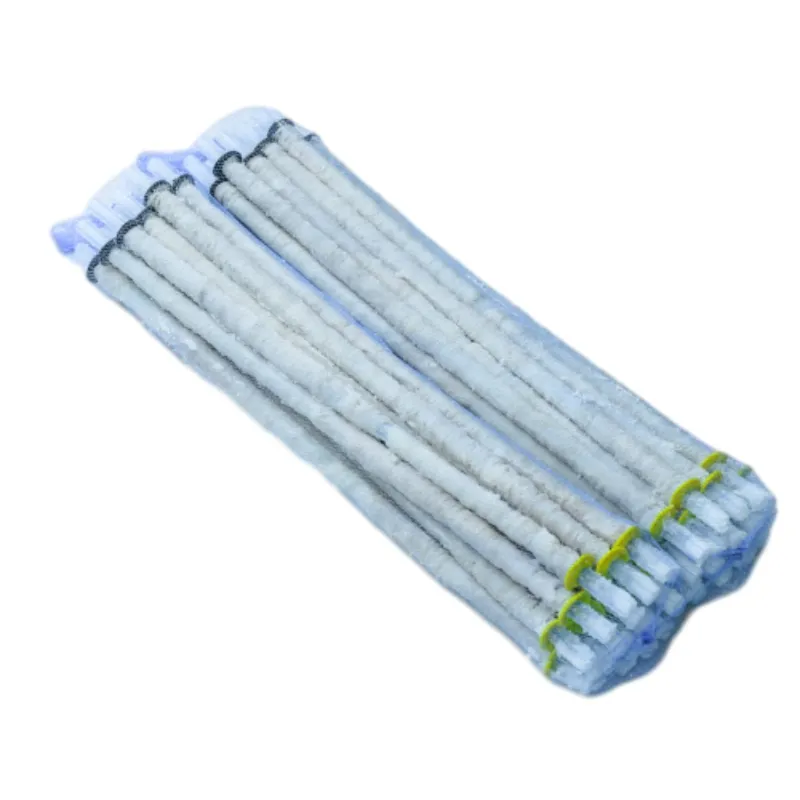
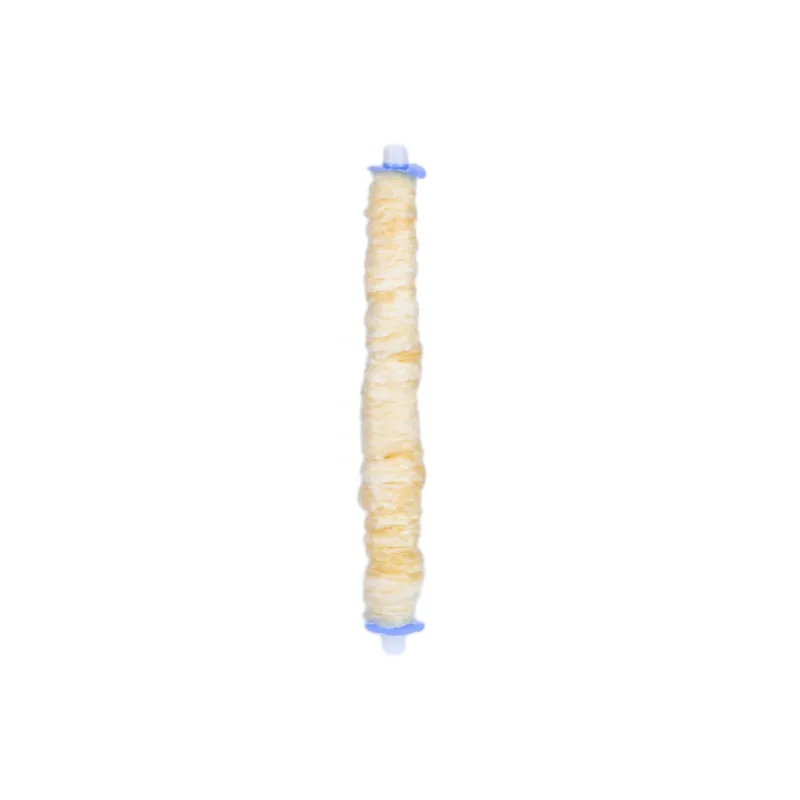
Modern industry has flooded the market with alternatives. Collagen casings, mostly derived from bovine or porcine sources but processed extensively, have gained popularity for uniformity and ease of use. Then you have cellulose casings made from plant fibers, often used in large-scale production but peeled off after cooking.
This connection to both age-old craft and cutting-edge processing technology is what keeps salami casing production so fascinating and challenging.
At its core, salami casing is a protective skin made either naturally or synthetically, designed to shape, protect, and flavor the sausage.
Key Aspects of Salami Casing Materials
1. Durability and Permeability
The casing must provide sufficient mechanical strength to hold meat throughout fermentation without tearing. At the same time, it should allow gas exchange — this helps the meat cure properly, developing texture and taste. Natural casings excel here, but synthetic collagen types now come close, with engineered permeability.
2. Food Safety and Hygiene
The casing touches the final product directly, so hygiene standards are non-negotiable. Natural casings undergo rigorous cleaning and treatment. Synthetic options often carry strict certifications ensuring no contamination or allergenic residues, making them attractive for mass production.
3. Cost Efficiency and Scalability
Natural casings are labor-intensive and less uniform, often leading to higher costs and supply unpredictability. Synthetic casings provide an answer to scaling production while keeping prices in check — a crucial factor for industrial manufacturers.
4. Consumer Preferences and Labeling
Truthfully, many consumer choices depend on dietary or ethical concerns (e.g., kosher, halal, vegetarian). Plant-based or cellulose casings meet niche demands but don’t work for all salami types. Transparency in labeling what casing is used becomes a key selling point.
5. Sustainability
Natural casings are biodegradable, often considered more environmentally friendly when responsibly sourced. Synthetic casings may not be, but innovations in bioplastics are gradually reshaping the landscape.
The choice of salami casing depends on balancing functionality, safety, cost, consumer demand, and environmental impact — a multi-front challenge.
Practical Specifications: Typical Salami Casing Characteristics
| Characteristic | Natural Casing | Collagen Casing | Cellulose Casing |
|---|---|---|---|
| Source | Animal intestine | Processed animal proteins | Plant fibers (cellulose) |
| Permeability | High | Medium to high | Low (often removed after cooking) |
| Durability | Medium | High | Low |
| Biodegradability | Yes | Partial | Yes |
| Common Usage | Artisanal, traditional salami | Industrial salami packaging | Cooked sausages (removed post-cook) |
How Different Wrappers Stack Up: Salami Casing Vendors Compared
| Vendor | Material Type | Price Range (USD/kg) | Key Features | Sustainability |
|---|---|---|---|---|
| RT Casing Co. | Natural pig casing | 15-20 | Premium quality, hand-selected, excellent permeability | Fully biodegradable |
| Collagex Solutions | Collagen bovine | 10-13 | High strength, consistent diameter, easy to handle | Partially biodegradable |
| PlantSkin Inc. | Cellulose/plant fiber | 6-8 | Vegetarian, smooth finish, shed post-cooking | Highly biodegradable |
Global Applications of Salami Casings: More Than Meets the Eye
In Europe, artisanal producers prize natural casings for their authenticity and flavor-enhancing role. Meanwhile, huge industrial manufacturers in the US and China rely on collagen casings for consistent, fast production to meet booming demand. In some Muslim-majority countries, halal-certified casings derived from vetted animal sources or plant-based materials are crucial for market access.
It’s worth mentioning how salami casings can also play a role in humanitarian and development sectors. For example, small local charcuterie operations, often run by women’s co-ops in emerging economies, use natural casings sourced regionally to add value and preserve local traditions — a little-known but important sustainability and social impact story.
Salami casing materials reflect and respond to regional tastes, religious norms, and production scales worldwide.
Why Choosing the Right Salami Casing Matters Long-Term
- Flavor and authenticity: Natural casings give salami its classic chew and aroma.
- Food safety: Properly sourced casings prevent contamination and spoilage.
- Environmental impact: Biodegradable casings reduce waste in an era hungry for sustainability.
- Consumer trust: Transparent labeling builds brand loyalty.
- Economic efficiency: Scalability and cost control let businesses grow responsibly.
Salami casings might seem like a minor detail, but the right choice can transform entire supply chains — and honestly, it feels like a nod to tradition meeting a modern push for conscience in food production.
Innovations and Future Trends in Salami Casings
The future is, as usual, a bit of a mixed bag — or a fascinating laboratory. New collagen variants derived through sustainable processes promise stronger, more uniform casings with less environmental footprint. At the same time, edible plant protein casings are gaining traction, especially with the rise of flexitarian diets.
Digitally-controlled casing manufacturing—that assures precise diameter, thickness, and permeability—is also starting to redefine industrial salami production efficiency. Meanwhile, some companies explore biodegradable bioplastics, tightly regulated and compliant with food safety standards, essentially blending the best of synthetic and natural worlds.
One could say, the drive to answer “what is salami casing made of” today is powering a mini-revolution in protein preservation tech that’s just starting to hit stride.
Common Issues and Their Fixes
One tricky issue is the inconsistency of natural casings — every gut is slightly different, requiring skillful handling and quality control. Collagen casings solve this but sometimes fail the purity tests set by consumers wanting all-natural foods. Then, cellulose casings, though eco-friendlier and vegetarian-friendly, don’t always lend themselves to traditional curing well.
Industry insiders often recommend hybrid approaches: combining natural casings with synthetic inner linings, or fermenting with starter cultures that compensate for casing limitations. Also, ongoing R&D on plant-based casings aims to improve texture and permeability.
FAQ: What Is Salami Casing Made Of?
- Q1: Can I eat salami casings, and are they safe?
- A1: Natural and collagen casings are generally edible and safe if processed correctly. Cellulose casings are usually removed before consumption. Always check packaging or ask your producer to be sure.
- Q2: Are there vegetarian or vegan salami casings available?
- A2: Yes, cellulose or plant-based casings can be alternatives. However, these are commonly non-edible during consumption or used for cooked products, not for traditional dry-cured salami.
- Q3: What are the environmental impacts of different casing types?
- A3: Natural casings are biodegradable but rely on animal source sustainability. Synthetic collagen and cellulose alternatives vary in biodegradability; ongoing innovations aim to reduce plastic waste in casings.
- Q4: How do I select the right casing for my salami production?
- A4: Consider production scale, desired texture, consumer preferences, and cost. Artisanal producers often choose natural casings, while industrial operations may prefer collagen for uniform size.
- Q5: Is it difficult to source natural casings globally?
- A5: Supply can vary regionally due to availability and regulation. Partnering with trusted vendors like RT Casing Co. helps secure quality natural casings consistently.
Conclusion: Wrapping Up the Mystery of Salami Casings
In the grand scheme of food production, “what is salami casing made of” is more than just an ingredient question — it’s a window into tradition, technology, and evolving consumer values. The right casing balances durability, safety, sustainability, and that unmistakeable bite that makes salami loved everywhere.
If your interest is piqued and you’d like to explore natural, collagen, or even veggie-friendly casings for your next batch, I suggest visiting RT Casing Co. They’ve stood out for quality and innovation, bridging artisanal tradition with modern needs.
So next time you slice into a wheel of salami, spare a thought — a lot is packed inside that thin, wrinkled skin.
Know your casing, and you know the soul of the salami.