Dec . 02, 2025 17:00
What Is Pork Casing Made Of? A Deep Dive into This Essential Natural Product
If you’ve ever savored a traditional sausage, you’ve probably enjoyed the subtle texture and even bite that only a natural casing can provide. But what exactly is pork casing made of, and why does it matter beyond the butcher’s shop? On a global scale, understanding pork casings touches everything from food production to cultural heritage, and even humanitarian efforts. This article unpacks the mystery behind pork casing materials, revealing their significance across industries and the many reasons why their sustainable sourcing is vital today.
Global Context: Why Pork Casings Still Hold Their Ground
In 2022, global meat production topped 340 million tons, with pork accounting for roughly 36% of it — and pig intestines, the source of natural casings, play a small but crucial role in sausage manufacturing worldwide (FAO data). The demand for natural sausage casings keeps rising, especially in regions where culinary traditions lean on authenticity and quality. The challenge? Synthetic casings exist, but they often cannot perfectly replicate the elasticity or flavor delivery properties of natural pork casing made of collagen-rich intestinal membranes. Many smaller producers, and even large-scale food companies, prefer natural casings for texture and consumer trust.
Interestingly, the United Nations' Food and Agriculture Organization (FAO) stresses sustainable sourcing for all animal byproducts used in food chains to reduce waste and environmental burden. Pork casing, being a natural byproduct of slaughterhouses, fits perfectly into zero-waste goals — but only if processed responsibly.
Defining Pork Casings: The Natural Sausage Shell
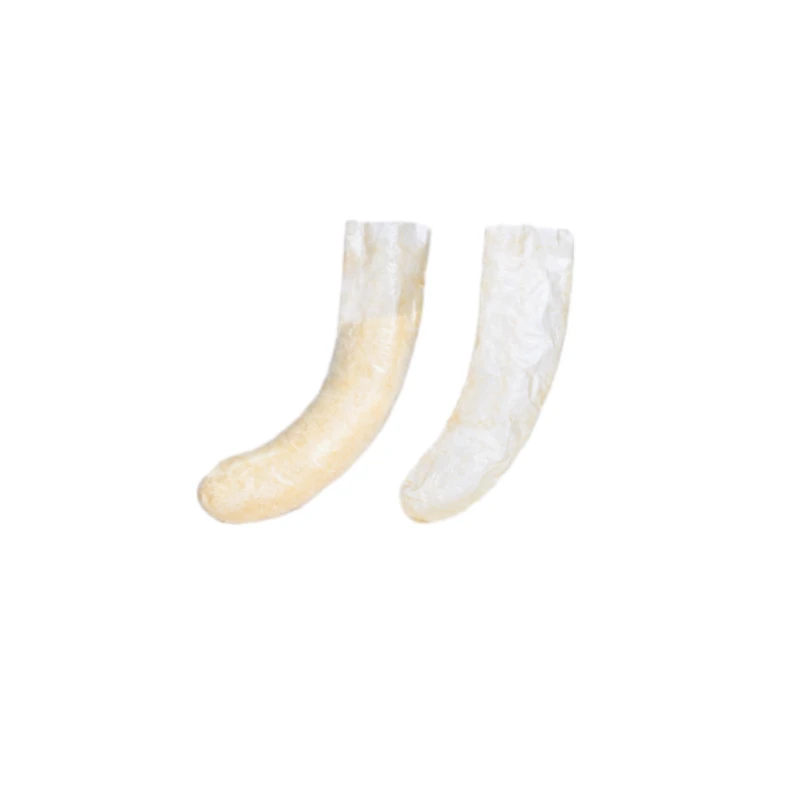
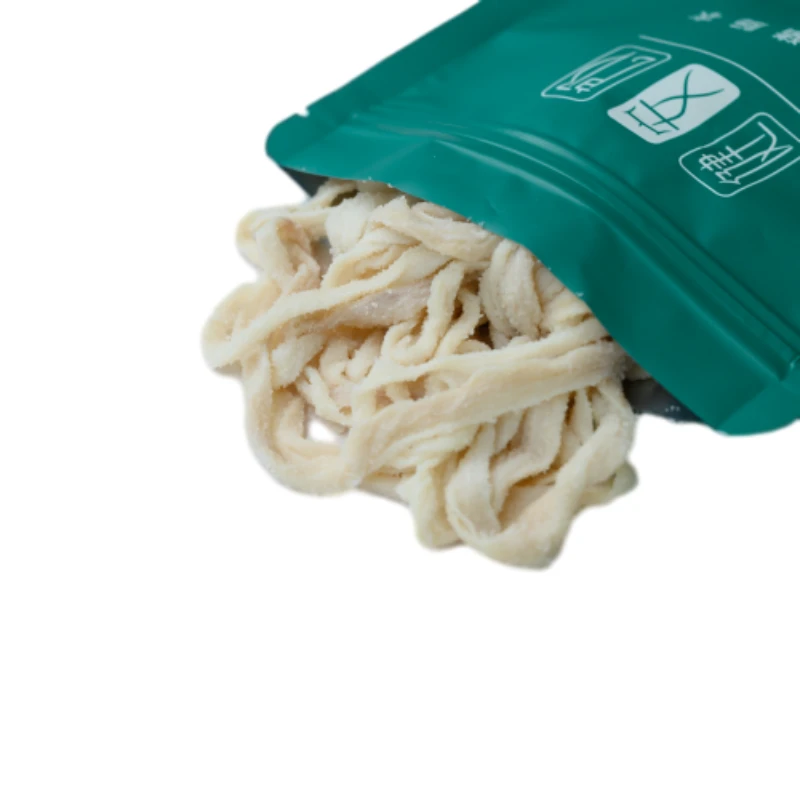
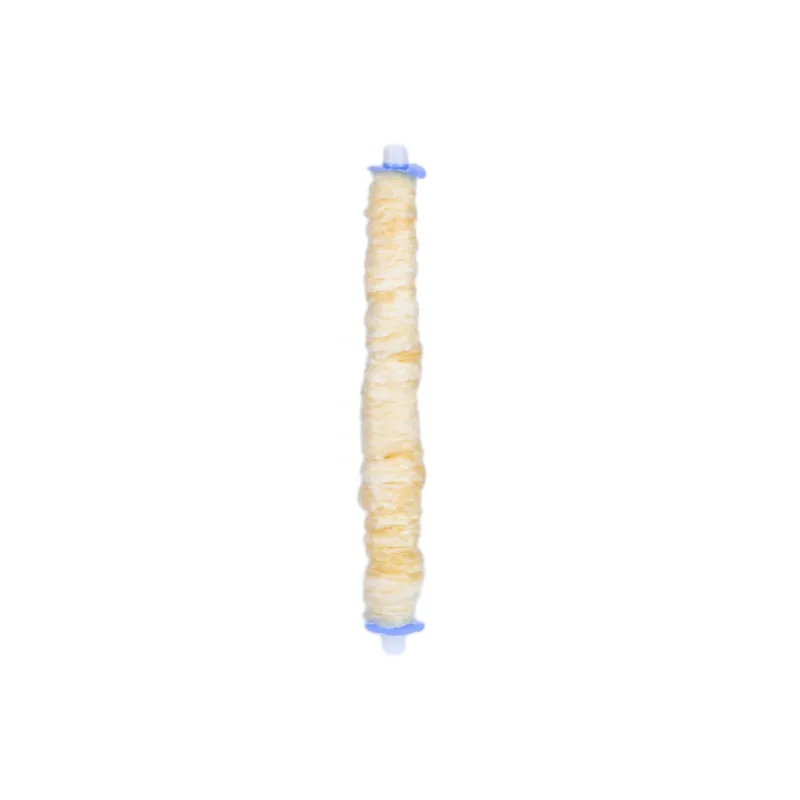
So, what is pork casing made of? Simply put, pork casings are sections of cleaned pig intestines, typically the small intestine, processed as edible natural casings. These are tubular membranes primarily composed of collagen fibers, a structural protein, giving them elasticity, strength, and the unique ability to hold sausage fillings firmly.
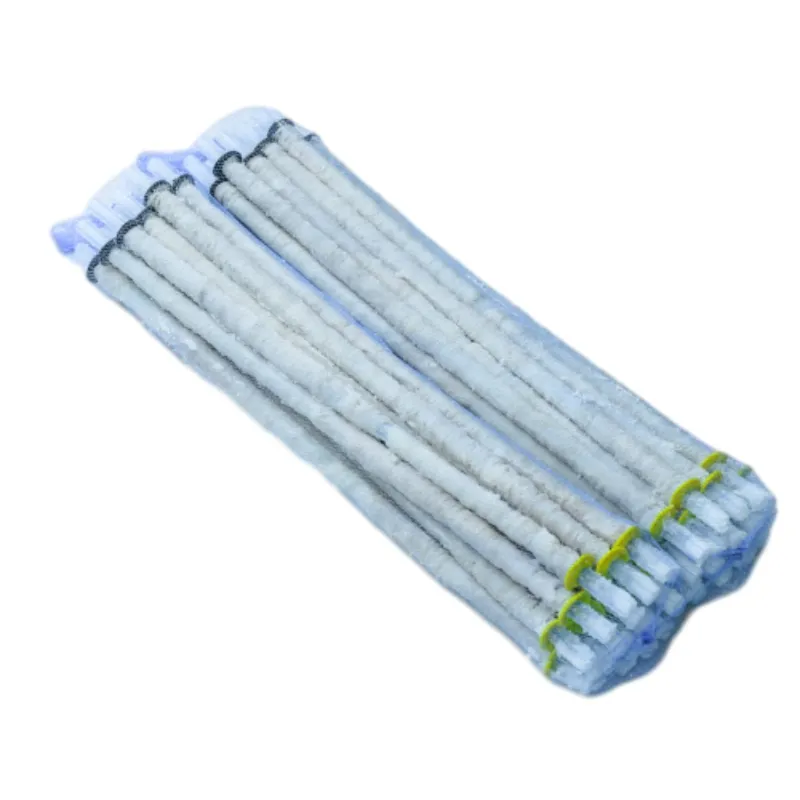
Natural casings are far from a byproduct tossed aside; they are carefully cleaned, treated, and preserved for use in sausage production globally. This ties pork casings to traditional food industries but also to modern sustainable practices, where utilizing every part of the animal minimizes waste.
Core Characteristics of Pork Casings
1. Natural Durability and Elasticity
Pork casings stretch easily and shrink back without cracking, making them ideal for stuffing sausages. This natural flexibility outperforms many synthetic alternatives, providing a satisfying “snap” on the bite that consumers expect.
2. Food-grade Safety
Processed under stringent hygiene standards, pork casings comply with international food safety regulations like ISO 22000 and HACCP protocols to ensure they remain safe and free from contaminants.
3. Biodegradability and Sustainability
Unlike plastics, pork casings are biodegradable. This adds an eco-friendly aspect to their usage, appealing to markets gradually shifting towards sustainability in packaging and consumables.
4. Cost-Effectiveness and Resource Efficiency
Using natural casings from pork intestines is a smart way to make full use of the animal, ensuring minimal waste, which can also reduce costs compared to some highly processed synthetic casings.
Global Applications & Use Cases
From craft butchers in Germany to large-scale sausage manufacturers in the U.S., pork casings are foundational. In Europe, especially Germany and Italy, artisan sausages rely on natural pork casing for their iconic texture and shape.
In developing countries, pork casings occasionally serve humanitarian projects where meat preservation during relief efforts is required — natural casings allow for local sausage making that’s both economical and culturally relevant.
Meanwhile, in the export business, producers in China and Eastern Europe use pork intestines to supply casings worldwide, showing how this natural product fuels global food supply chains.
Advantages and the Long-Term Value of Pork Casings
- Authenticity: Natural casings maintain traditional craftsmanship and consumer preference for real sausages.
- Sustainability: They reduce food waste by utilizing animal byproducts effectively.
- Food Safety: Properly processed casings meet strict health and safety standards.
- Biodegradable: Environmentally superior to plastics, supporting greener production cycles.
- Emotional Connection: Consumers often equate natural casing sausages with quality and heritage, building brand trust.
Looking Ahead: Emerging Trends & Innovations
Interestingly, research is ongoing on collagen alternatives and bioengineered casings that mimic pork intestinal properties but reduce reliance on animal sources, which could reshape the industry.
Digital traceability and blockchain integration in meat supply chains are gaining ground, enhancing transparency — meaning we will soon be able to know exactly what pork casing is made of and its origin in real-time. That’s quite the leap for consumer trust!
Challenges in Pork Casing Production & How They’re Addressed
The primary challenge is consistent quality: pork casings depend heavily on animal feed, health, and slaughter techniques, which vary geographically. Some casings can be uneven or fragile.
Innovative cleaning, grading technologies, and better supply chain integration are helping producers deliver steadier quality. Additionally, educating small-scale processors on hygiene improves overall safety.
Frequently Asked Questions
Q1: How are pork casings cleaned and prepared for use?
A: The pig intestines are flushed to remove contents, then soaked in saline, salted, and dried to remove bacteria while maintaining elasticity. This process can take several days under regulated conditions.
Q2: Can pork casings cause allergies or safety issues?
A: Rarely. They are food grade and comply with international safety rules; however, those with specific allergies should consult medical advice. Proper processing prevents bacterial contamination.
Q3: How long do pork casings last once packaged?
A: When properly salted and stored in dry conditions, pork casings can last 12 to 18 months unopened. Once soaked and used, they should be refrigerated and used promptly.
Q4: What alternatives exist to pork casings?
A: Synthetic collagen casings made from processed collagen, cellulose casings from plant fibers, and even plant-based edible films are alternatives, although none perfectly replicate all natural casing qualities.
Summary Table: Typical Pork Casing Specifications
| Specification | Details |
|---|---|
| Material | Cleaned pig small intestine membrane (collagen) |
| Diameter Range | 16-32 mm (varies by grading) |
| Shelf Life | 12-18 months (salted, dry) |
| Compliance Standards | ISO 22000, HACCP |
| Typical Usage | Sausage encasement, culinary traditional products |
Vendor Comparison: Leading Pork Casing Suppliers
| Vendor | Origin | Product Range (Diameter mm) | Certification | Notable Strength |
|---|---|---|---|---|
| Great Wall Casings | China | 18-28 | ISO 22000, Halal | Strong cleaning process |
| EuroNatural Casings | Germany | 16-32 | ISO 22000, HACCP | Organic certified options |
| Sausage Select | USA | 20-30 | FDA inspected | Custom grading |
In Closing
To circle back, understanding what pork casing is made of reveals much more than a culinary curiosity. It touches sustainability, tradition, technology, and global food culture — a neat example of how deeply food production threads into bigger stories. Whether you’re a small-scale charcuterie artist or a large food brand, the way you choose and handle pork casings matters — for flavor, for environment, and for consumer trust.
If you’re curious to discover more about natural casings or want to explore what is pork casing made of in detail, visit our site for a wealth of info and sourcing options. Sometimes, the simplest ingredients hold the richest stories.
Key Takeaway
Pork casings, derived naturally from pig intestines, remain the gold standard due to their unique texture, biodegradability, and cultural importance. Their sustainable sourcing and quality control are critical as global demand grows and innovation steps in.
References:
1. Food and Agriculture Organization of the United Nations (FAO), Meat Market Review 2022.
2. International Organization for Standardization (ISO), Food Safety Standards ISO 22000.
3. Wikipedia contributors, "Sausage casing," Wikipedia, The Free Encyclopedia. https://en.wikipedia.org/wiki/Sausage_casing