Dec . 02, 2025 16:06
What Is Hot Dog Casing Made Out Of and Why It Matters
Ever bitten into a hot dog and wondered what’s holding that juicy meat together? That outer skin, the casing, is more than just a wrapper — it's a fascinating blend of tradition, science, and industry. Understanding what hot dog casing is made out of isn't just a curiosity; it has global implications for food safety, sustainability, and cultural preferences. From street vendors in Chicago to factory lines in Germany, the casing plays a vital role in how we enjoy this popular snack worldwide.
Why does this matter? Well, aside from taste and texture, the materials used affect everything from shelf life to allergy considerations and even environmental impact. Grasping the ins and outs of casing materials helps manufacturers innovate, regulators keep food safe, and consumers make informed choices.
Global Context: A Small Component With a Wide Reach
Worldwide, hot dogs are a multi-billion-dollar industry. According to data from the World Food Organisation and ISO food standards, processed meat products, including hot dogs, are a staple in many countries. Yet, choosing the right casing presents challenges. For instance, in countries with dietary restrictions (Kosher, Halal), the casing must comply with strict guidelines. Additionally, with rising consumer demand for clean-label and sustainable goods, manufacturers must rethink traditional materials.
Globally, the market faces pressure to reduce synthetic polymers and animal-based products to mitigate environmental damage. The challenge: how to produce casings that are durable yet eco-friendly, edible yet compliant with safety standards? The quest to understand what hot dog casing is made out of fits right into this scenario.
Defining Hot Dog Casings: Edible, Natural, and Synthetic
Simply put, a hot dog casing is a thin tube that holds the ground meat mixture during cooking. It maintains the product shape, containing juices and flavors. Traditionally, casings are classified into three categories:
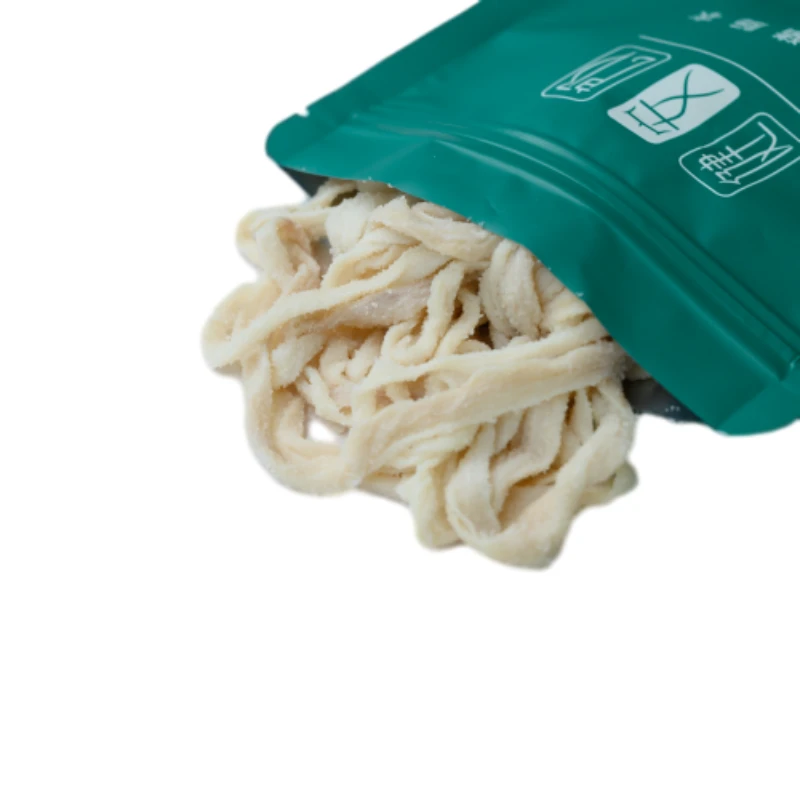
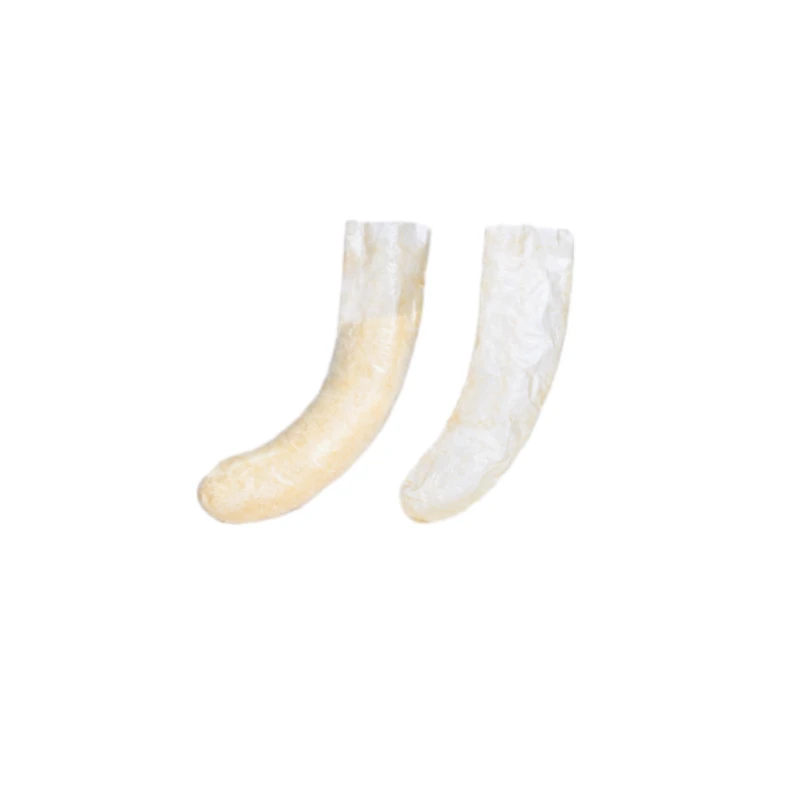
- Natural Casings: Derived from cleaned and processed animal intestines (mostly pork, sheep, or beef).
- Collagen Casings: Made from processed collagen extracted from beef or pork hides and bones.
- Synthetic Casings: Manufactured using cellulose, fibrous materials, or plastic polymers.
Natural casings offer a distinctive 'snap' and aroma prized by gourmet consumers, while collagen casings are more uniform and easier for large-scale production. Synthetic casings often serve industrial and non-edible wrapping purposes. These varieties show how the casing world straddles tradition and modern industry under the same roof.
Mini takeaway:
Hot dog casings range from natural intestines to high-tech synthetics, each with pros and cons affecting taste, production, and ethics.
Core Components That Define Performance and Preference
1. Durability and Strength
A casing must hold together during cooking and handling. Natural casings can be delicate and prone to bursting, whereas collagen and synthetic casings offer more mechanical strength. This is crucial when factory lines generate thousands of sausages daily.
2. Edibility and Consumer Appeal
Natural casings are edible and add a unique mouthfeel; some synthetics are peelable and not meant to be eaten. This distinction affects packaging and marketing strategies globally.
3. Cost Efficiency
Natural casings are labor-intensive and expensive; collagen casings strike a middle ground, while synthetics are often cheaper but raise sustainability questions.
4. Sustainability
Synthetic casings contribute to plastic waste, but collagen comes from byproducts of the meat industry, and natural casings are biodegradable. Sustainability concerns push innovation towards plant-based or hybrid casings.
5. Scalability and Consistency
Industrial production favors collagen and synthetic casings due to uniform size and texture. Natural casings vary greatly, challenging automation.
Mini takeaway:
Casing materials balance strength, edibility, cost, sustainability, and production scalability — no perfect one-size-fits-all solution exists.
Real-World Applications Across the Globe
In the U.S., natural casings dominate artisan markets aiming for authentic taste, while mass producers lean on collagen for process efficiency. In Europe, regulation and consumer taste guide choices closely, often favoring natural or collagen. Meanwhile, Japan’s innovative food industry experiments with cellulose and plant-based casings to meet vegetarian and vegan demand.
In post-disaster relief, such as after typhoons or wildfires, non-perishable synthetic casings are favored for ready-to-eat rations included in emergency food kits. Remote industrial zones running on limited refrigeration prefer collagen casings that extend shelf life without sacrificing texture.
Hot Dog Casing Material Specification Table
| Material Type | Source | Edibility | Typical Use | Sustainability |
|---|---|---|---|---|
| Natural | Animal intestines (pork, beef) | Edible | Gourmet, traditional | Biodegradable, renewable |
| Collagen | Processed animal hides | Usually edible | Industrial, uniform batches | Byproduct use, moderate |
| Synthetic (cellulose/plastic) | Plant fibers or polymers | Usually non-edible | Industrial, non-edible skins | Less sustainable, recycling needed |
Comparing Major Hot Dog Casing Vendors
| Vendor | Casing Types Offered | Global Reach | Sustainability Initiatives | Notable Strengths |
|---|---|---|---|---|
| NaturalCasingCo | Natural | North America, Europe | Waste reduction in processing | Premium quality, artisan appeal |
| CollaTech | Collagen, some synthetic | Worldwide | Using animal byproducts; reduced water use | Highly consistent products |
| SyntheticWraps Inc. | Cellulose, plastic polymers | Global | Recycling programs & biodegradable options | Durability for industrial use |
Advantages and Long-Term Values
Understanding what hot dog casing is made out of means recognizing the ripple effect on supply chains, consumer health, and environmental impact. Natural casings support sustainable farming by using whole-animal processing. Collagen casings improve industrial efficiency, reducing waste and standardizing output.
From a consumer perspective, the casing determines comfort, dignity, and food enjoyment—something that gets surprisingly overlooked. This blend of tactile and emotional satisfaction bolsters trust in food brands. Meanwhile—and this is no small thing—the move toward cleaner, greener casings is part of a broader push for corporate responsibility and innovation.
Emerging Trends: Innovations Shaping the Future of Casings
The industry isn't standing still. Researchers are developing plant-based casings made from cellulose blends or seaweed extracts to meet vegan demands. Biodegradable synthetic casings with embedded sensors to monitor freshness? Yes, that’s coming too. Automation is making casing installation on production lines smoother, while digital traceability allows better regulatory oversight.
Oddly enough, the hottest topic isn’t just about materials but about how casings fit into a sustainable circular economy. In real terms, this might mean repurposing animal byproducts fully, or replacing non-renewable synthetics with smart bio-materials.
Challenges and How They're Tackled
Each casing type has its hurdles. Natural casings vary in thickness, causing breakages during high-speed production. Collagen may sometimes lack the authentic look or mouthfeel. Synthetics bring environmental issues if not recycled properly.
Innovative solutions include enzyme treatments to strengthen natural casings, hybrid collagen-plant casing blends, and developing guidelines for labeling “edible vs peelable” casing types clearly. Industry experts say collaboration across suppliers, manufacturers, and regulators is key — no one player can solve this alone.
FAQ About What Is Hot Dog Casing Made Out Of
Q1: Are natural casings better for flavor than synthetic ones?
A1: Generally, yes. Natural casings provide a distinctive snap and subtle flavor that many consumers prefer. Synthetic casings often lack this sensory element but are easier to produce in consistent sizes for mass-market sausages.
Q2: Can people with dietary restrictions safely eat hot dogs with natural casings?
A2: It depends on the source. Natural casings come from pork, beef, or sheep intestines, which may not be suitable for specific diets (Kosher, Halal, vegetarian). Always check product labeling or inquire with manufacturers for compliance.
Q3: How sustainable are collagen casings compared to synthetics?
A3: Collagen casings repurpose animal byproducts, reducing waste and environmental impact. Synthetics often rely on petrochemicals and take longer to biodegrade unless specifically designed to do so.
Q4: Can synthetic casings be used for all types of sausages?
A4: Synthetic casings excel in industrial settings but aren't suitable for every type due to texture and edibility concerns. They're often used for non-edible skins or peel-off casings.
Q5: Are there plant-based alternatives to traditional hot dog casings?
A5: Yes, research into cellulose and seaweed-based casings is advanced, with some products already on the market catering to vegan preferences and sustainability goals.
Conclusion: Wrapping It Up
So, what is hot dog casing made out of? Whether natural intestines, collagen, or synthetic fibers, the casing is a surprisingly complex material blending tradition and tech. Its choice affects everything from taste, safety, and scalability to sustainability and social impact.
For manufacturers aiming to innovate and consumers seeking transparency, understanding casing materials is crucial. If you’re curious or involved in the food industry, digging deeper can only benefit your product quality and market success.
Want to learn more? See what is hot dog casing made out of and explore the latest casing innovations.
References: