Dec . 02, 2025 15:22
Understanding What Is a Sausage Skin Made Of: More Than Just a Casing
You might wonder, when biting into a juicy sausage, what exactly keeps its shape — that thin wrapping we call the sausage skin. What is a sausage skin made of? It’s a simple question on the surface, but the answer touches everything from food tradition and industrial processing to sustainability and global trade. Sausage skins aren't just culinary afterthoughts; they matter globally for food safety, cultural heritage, supply chain reliability, and evolving consumer preferences. Knowing what sausage casings are made from helps producers innovate, and consumers choose better — whether for taste, health, or even environmental reasons.
Why Does This Matter Around the World?
Globally, the sausage market is booming. According to the International Trade Centre, processed meat products, including sausages, are worth billions in trade every year, with casings playing a pivotal role. Challenges like food safety regulations (think ISO 22000 standards), animal welfare, and rising vegetarian trends urge us to consider what goes into that shiny sausage skin. Are natural casings still the norm? How do synthetic plastics fare? And what about innovations driven by sustainability? Understanding this is critical for everyone from slaughterhouses to supermarket shelves.
Mini takeaway: The humble sausage skin is more than packaging — it’s a vital link in the complex global meat industry.
What Exactly Is Sausage Skin?
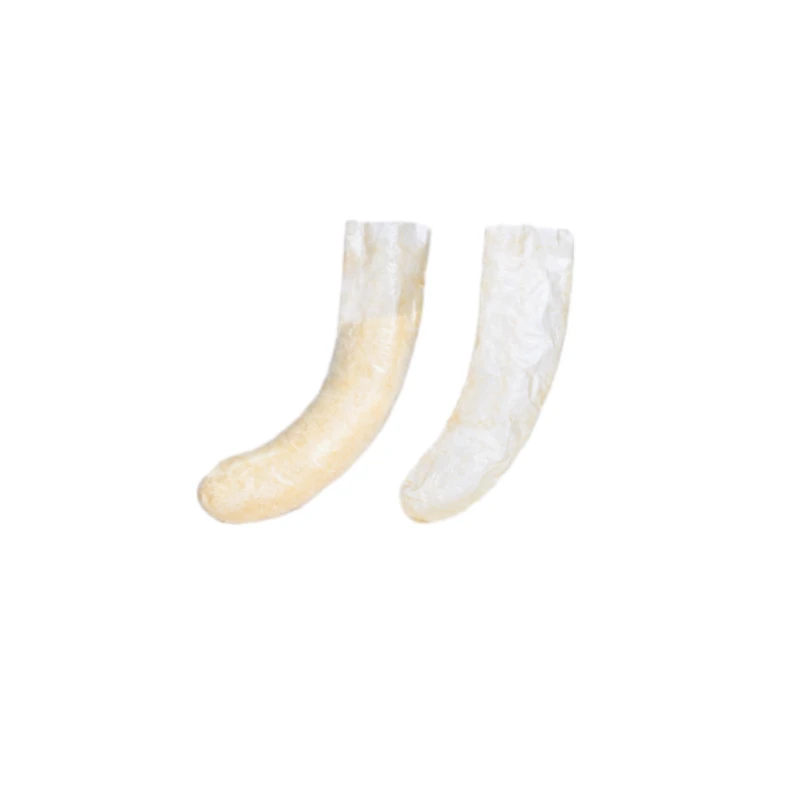
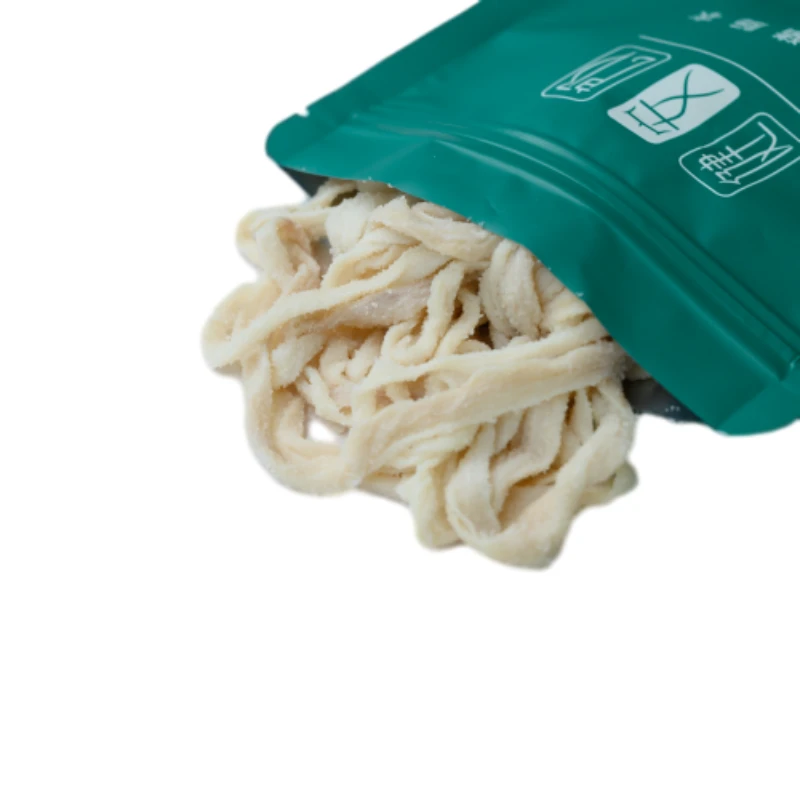
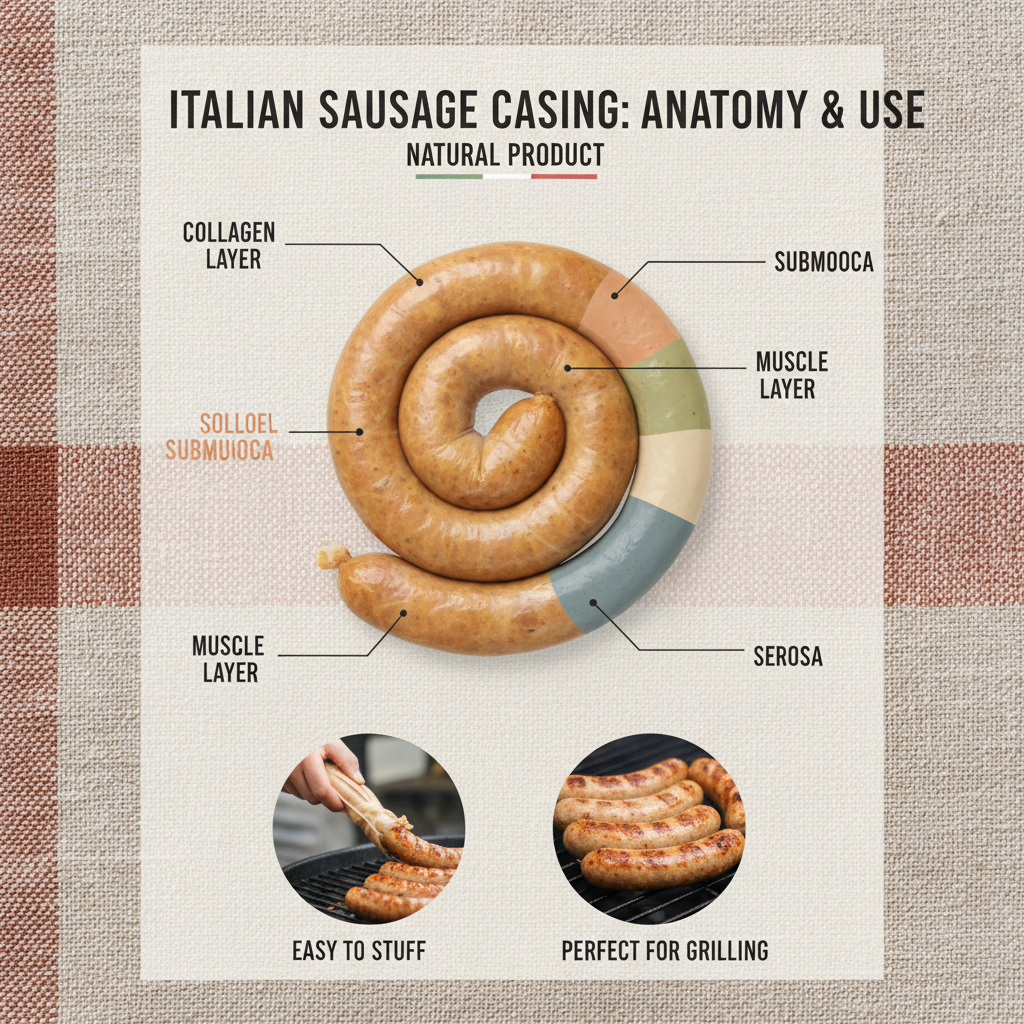
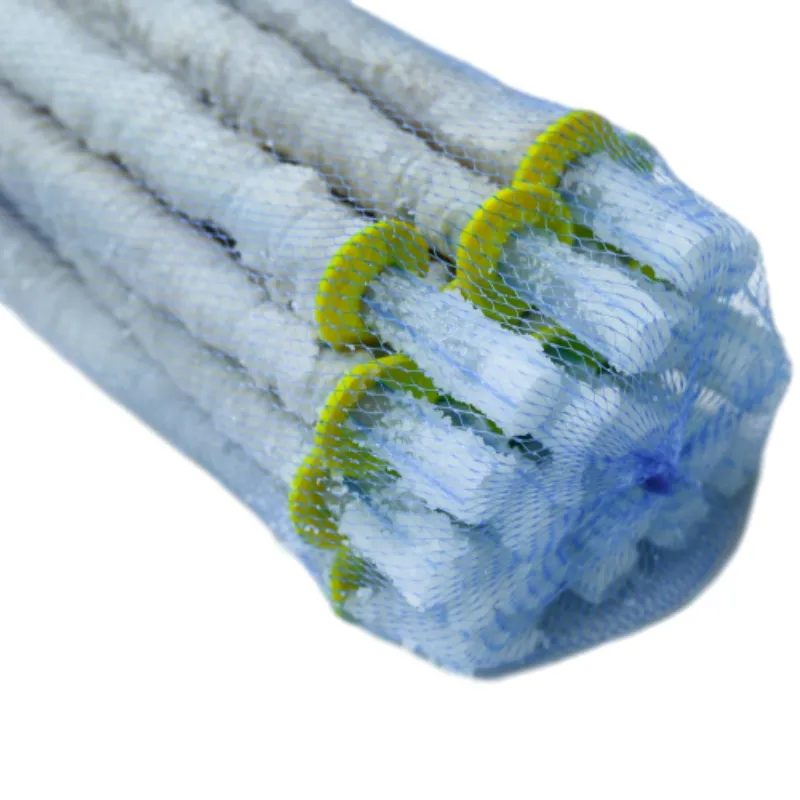
Simply put, sausage skin — often called casing — is the outer layer that holds ground meat and spices together during sausage production. Traditionally, it’s made from the cleaned intestines of animals like pigs, sheep, or cows. These natural casings are prized for taste and texture. However, with changing demands, synthetic and collagen casings now compete, offering consistency and durability.
Modern meat producers rely on sausage skins not only to contain the filling but also for their effect on cooking and smoking processes. The casing’s quality can make or break the finished product — quite literally.
Connection to Industry and Humanitarian Needs
Oddly enough, the casing industry is intimately connected to global food security and even humanitarian efforts. Regions with fresh meat shortages or limited refrigeration devices often rely on dried sausage products whose skins ensure shelf stability. Keeping food safe, nutrient-rich, and culturally acceptable during transport or disaster relief means sausage skins are quietly doing some heavy lifting.
Key Factors That Define Sausage Skin Quality
1. Material Origin
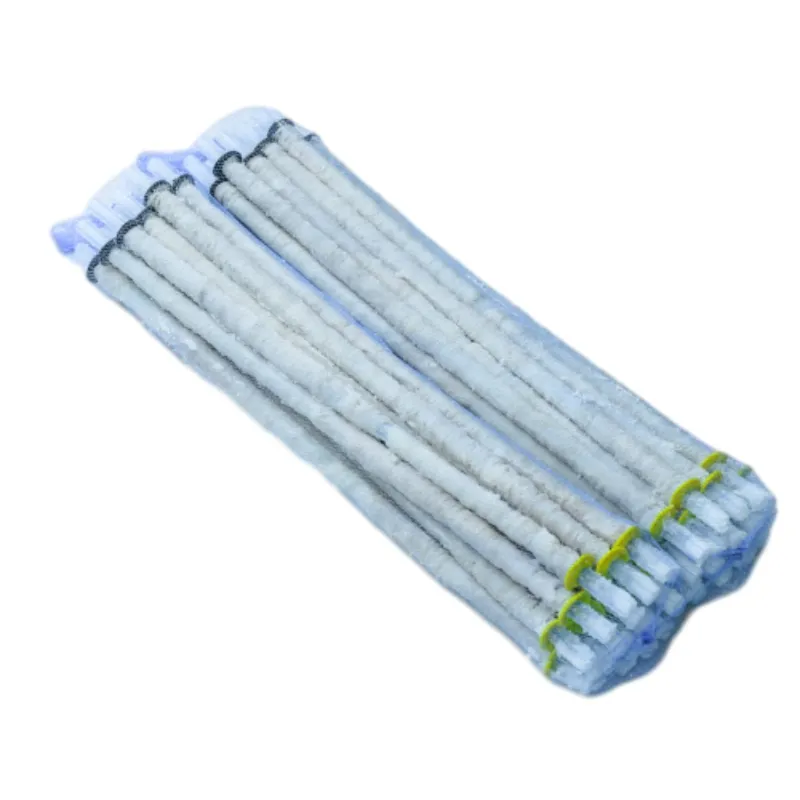
Natural casings come from animal intestines—mostly pig, sheep, or cattle. Their structure is bio-compatible and permeable, allowing smoke and moisture flow. Synthetic casings, often made from collagen (from split cattle skins) or cellulose (plant-based fibers), provide uniformity and ease of processing.
2. Durability & Elasticity
The ability to stretch without tearing is crucial. Natural casings vary by thickness and elasticity, affecting how sausages bite and snap. Collagen casings are designed for optimal strength, which is why many large-scale processors prefer them for automated filling.
3. Food Safety & Hygiene
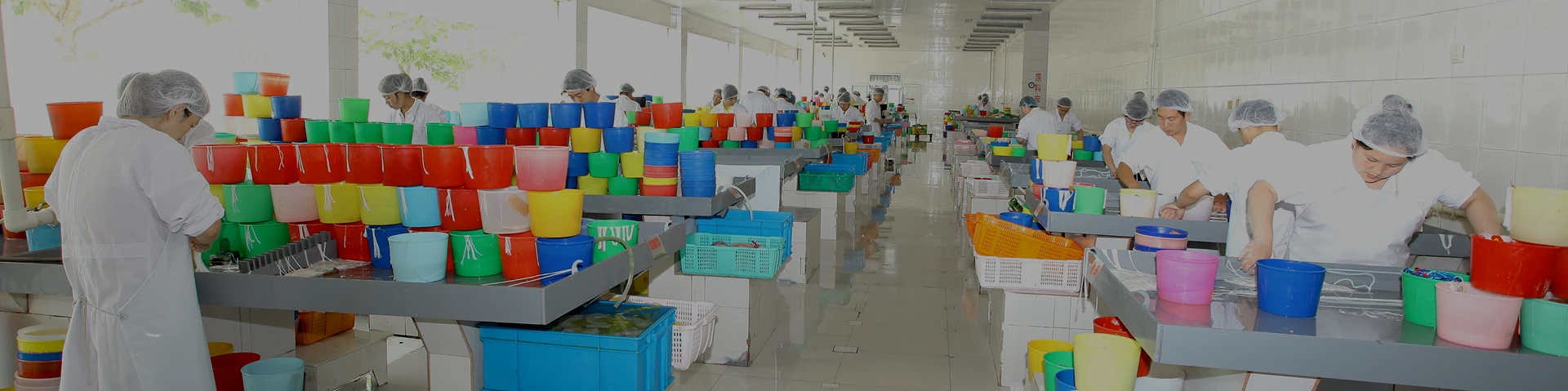
Sausage skins must meet stringent hygiene standards—washed, salted, and sterilized. For synthetic skins, regulatory certifications like ISO 9001 and compliance with EU food-contact materials legislation ensure safety throughout their shelf life.
4. Environmental Impact
With increasing focus on sustainability, natural casings are biodegradable and sourced from by-products of meat processing, thus reducing waste. Synthetic varieties, while offering convenience, often pose questions about plastic residues and disposal.
5. Cost Efficiency
Natural casings require skilled labor for preparation and are often costlier. Collagen or cellulose casings can be produced in excess quantities, lowering overall costs and enabling consistent sizing — a big deal in mass production.
Mini takeaway:
Choosing the right sausage skin balances tradition, performance, cost, and environmental considerations — which isn’t as straightforward as it sounds.
Where Are Sausage Skins Used Globally?
Sausage casing use varies regionally but is truly global in reach. Europe and Asia have deep-rooted traditions with natural casings, especially in countries like Germany and China, where artisanal sausages command respect. In contrast, North American processors lean heavily on collagen casings for convenience.
In developing regions, sausage skins help preserve meats for markets that lack refrigeration. During emergency relief, preserved sausages packed in edible casings are lifesavers—providing safe protein at scale.
Industries & Organizations Benefiting:
- Meat processing plants: For consistent quality and scalability.
- Exporters & importers: Efficient packaging aids international trade.
- NGOs & disaster relief: Long-lasting, safe protein sources.
- Artisanal producers: Maintaining heritage sausage recipes.
Notable Example:
In Central Europe, small butcheries use carefully prepared natural casings to craft sausages that are iconic to cultural identity—something industrial products can’t quite replicate.
Basic Sausage Skin Specification Table
| Property | Natural Casings | Collagen Casings | Cellulose Casings |
|---|---|---|---|
| Material Source | Animal intestines (pig, sheep, cattle) | Processed cattle collagen | Plant fibers (cellulose) |
| Flexibility | High, natural elasticity | Moderate elasticity | Low; often removed after cooking |
| Environmental Impact | Biodegradable & renewable | Biodegradable | Biodegradable but less used for edible casings |
| Typical Use | Gourmet & traditional sausages | Mass production sausages | Skinless sausages or hot dogs |
Vendor Comparison: Leading Sausage Skin Suppliers
| Vendor | Product Range | Quality Certification | Global Reach | Price Range (per 100m) |
|---|---|---|---|---|
| Natural Casings Co. | Natural pig, sheep, cattle | ISO 22000 | Europe, Asia | $120–$165 |
| CollagenTech Ltd. | Collagen casings, flavored varieties | ISO 9001, FDA approved | North America, Europe, Asia | $90–$130 |
| EcoSkin Corp. | Cellulose & bio-plastic casings | ISO 14001 (environmental) | Global | $70–$120 |
Why Opt for the Right Sausage Skin? The Benefits Explained
- Food Quality & Taste: Natural casings offer an unmatched bite and aroma.
- Processing Efficiency: Synthetic casings facilitate faster, more consistent production lines.
- Sustainability: Choosing biodegradable skins means lowering environmental footprints.
- Product Longevity: Proper casings help sausages resist spoilage and withstand transport.
- Consumer Trust: Transparent sourcing and safety certification build brand reputation.
It’s fascinating how a simple concept like sausage skin intertwines craftsmanship, science, and global economics.
Future Innovations in Sausage Skin Materials
With plant-based and lab-grown meat alternatives gaining traction, casings need reinvention. Companies explore biodegradable biofilms made from seaweed and chitosan—improving edibility and reducing waste. Digital scanning for sizing consistency and AI-driven quality control also promise to revolutionize casing production.
There’s also growing interest in allergy-free and vegan casings that maintain the culinary experience without animal products, responding to the surge in vegetarian and vegan diets worldwide.
Challenges and How the Industry Is Addressing Them
Despite advances, issues persist like variability in natural casings, disposal concerns with synthetics, and price volatility linked to supply chain disruptions. Some innovative approaches include:
- Developing hybrid casings that combine natural texture with synthetic strength
- Using blockchain for traceability from farm to table
- Collaborations between biotech firms and meat producers to create next-gen materials
So even with seemingly small things like sausage casing materials, progress relies on multidisciplinary ingenuity.
FAQs About What Is a Sausage Skin Made Of
- What are natural sausage casings made from?
- Natural casings are primarily made from cleaned and processed animal intestines, such as pigs, sheep, or cattle. They offer excellent elasticity and are edible, favored for traditional sausages.
- Are synthetic sausage skins safe to eat?
- Synthetic casings like collagen are generally safe and edible, meeting food safety certifications. Cellulose casings are often removed after cooking and are not eaten.
- How long do sausage skins last in storage?
- Natural casings stored properly—salted and refrigerated—can last months. Synthetic casings often have longer shelf lives due to packaging, but specifics depend on manufacturer guidelines.
- Can sausage skins be vegan or plant-based?
- Yes! Plant-based and bio-based casing alternatives are emerging, such as cellulose and seaweed-derived films, addressing vegan consumer demands.
- Why do some sausages 'snap' when bitten?
- The characteristic “snap” comes mainly from natural casings due to their collagen structure, which provides resistance before breaking under bite force.
Wrapping It Up
So, what is a sausage skin made of? More than a mere wrapper, it’s an intersection of tradition, science, and sustainability. Whether you’re a food producer seeking consistent quality or a curious consumer wanting transparency, understanding sausage casings pays off. The materials chosen shape taste, efficiency, and even environmental impact — a small piece with outsized influence.
If you want to learn more details and explore specialized casing options, visit our website: https://www.rtcasing.com. There’s more to unwrap than meets the eye.