Dec . 02, 2025 08:05
What Are Natural Hog Casings Made Of and Why They Matter Globally
When you bite into a traditional sausage, the flavorful snap you feel isn’t just magic — it’s the natural hog casing doing its work. But beyond the taste, have you ever wondered what exactly these casings are and why their makeup matters so much in the global food industry? Understanding what are natural hog casings made of opens a gateway not just to appreciating culinary artistry but also the global circulation of natural resources, sustainability, and even food safety.
It turns out, the origins and processing of natural hog casings reflect centuries of tradition; yet, they also connect deeply with modern global markets, where millions of sausages are produced daily worldwide. Knowing their composition is not just academic — it influences manufacturing efficiency, waste management, and even trade policies. And frankly, in a world scrambling for sustainable, bio-based solutions, natural hog casings are quietly relevant beyond the grill.
Mini takeaway: Natural hog casings have a simple origin but a complex role, weaving together tradition, industry, and global supply chains in a surprisingly impactful way.
Global Context: Why Do Natural Hog Casings Matter?
Natural hog casings hail from the small intestines of pigs, a byproduct of the pork industry. Globally, pork accounts for over 36% of meat consumption, according to the Food and Agriculture Organization (FAO), making these casings an abundant and renewable resource. In fact, the global sausage market size—expected to hit USD 60 billion by 2025—depends heavily on consistent casing supply.
However, the challenge is two-fold: how to safely process these natural casings and how to meet the demand sustainably. In a world increasingly conscious about food safety standards (ISO 22000), environmental impact, and supply chain transparency, natural hog casings come under scrutiny. The question “what are natural hog casings made of?” is not just about material origin but about maintaining quality and minimizing waste amid rapidly changing global regulations.
Interestingly, emerging markets in Asia and Eastern Europe experience growing demand for natural casings, while traditional producers in North America and Europe refine their processing techniques to stay competitive.
Mini takeaway: Natural hog casings are at the crossroads of tradition and innovation—a vital ingredient in a booming global meat industry facing modern regulatory and sustainability pressures.
Defining Natural Hog Casings
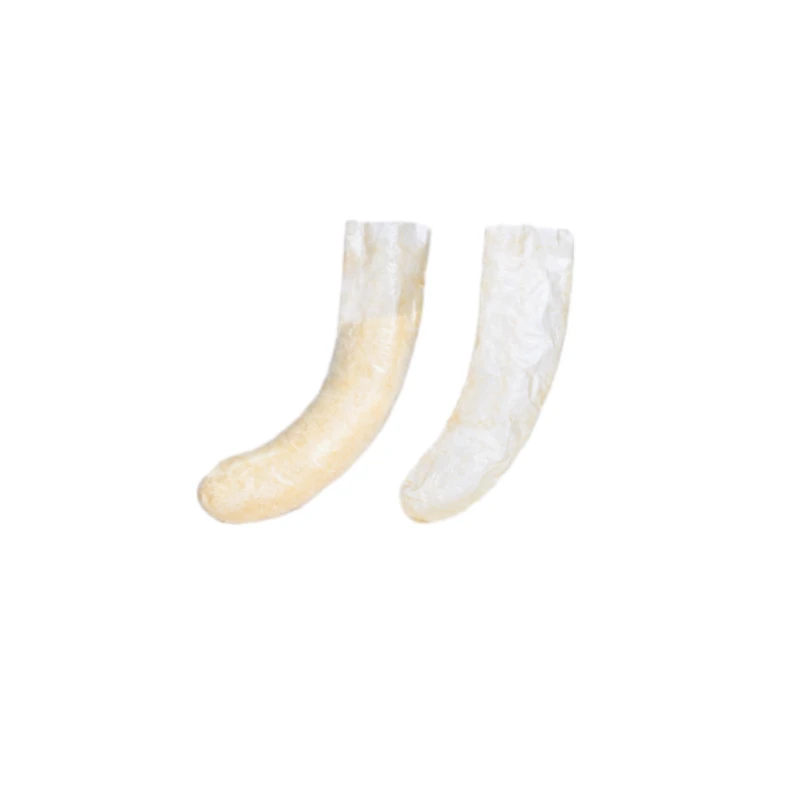
Simply put, natural hog casings are the cleaned and prepared small intestines of pigs. Unlike synthetic casings made from collagen or cellulose, natural casings are truly “natural,” retaining much of their original structure, composed mostly of collagen—a protein that offers elasticity and durability. This collagen-rich tissue gives sausages their distinctive snap and helps hold the filling together during cooking.
Beyond culinary use, natural hog casings connect to industrial needs by offering a biodegradable, renewable packaging solution, contrasting sharply with plastic or synthetic alternatives. In humanitarian contexts—such as remote livestock processing or local meat supply chains in developing regions—they represent a local, low-tech option to add value and reduce waste.
What are natural hog casings made of is a simple question with answers that link natural biology to food science and sustainable industry practice.
Mini takeaway: These casings are biological materials, mostly collagen from pig intestines, prized for their unique properties in both gastronomy and eco-friendly applications.
Key Factors: What Makes Natural Hog Casings Special?
1. Composition and Strength
Natural hog casings are predominantly collagen-based—around 85 to 90%. This gives them strength and elasticity, allowing a tight, firm sausage without breaking during smoking or cooking. The collagen fibers align in a layered structure, which is why sausage makers prize their durability.
2. Biodegradability
Unlike synthetic casings that linger in landfills, natural hog casings decompose naturally, which makes them an environmentally friendly choice for producers and consumers alike. This biodegradability helps meet rising consumer preferences for eco-conscious products.
3. Sizing and Flexibility
Small intestine segments are typically 16-22 mm in diameter, ideal for breakfast sausages or snappy links. Their natural variability can add artful imperfection to sausage shapes — though manufacturers can grade and sort by size for consistency.
4. Processing Methods
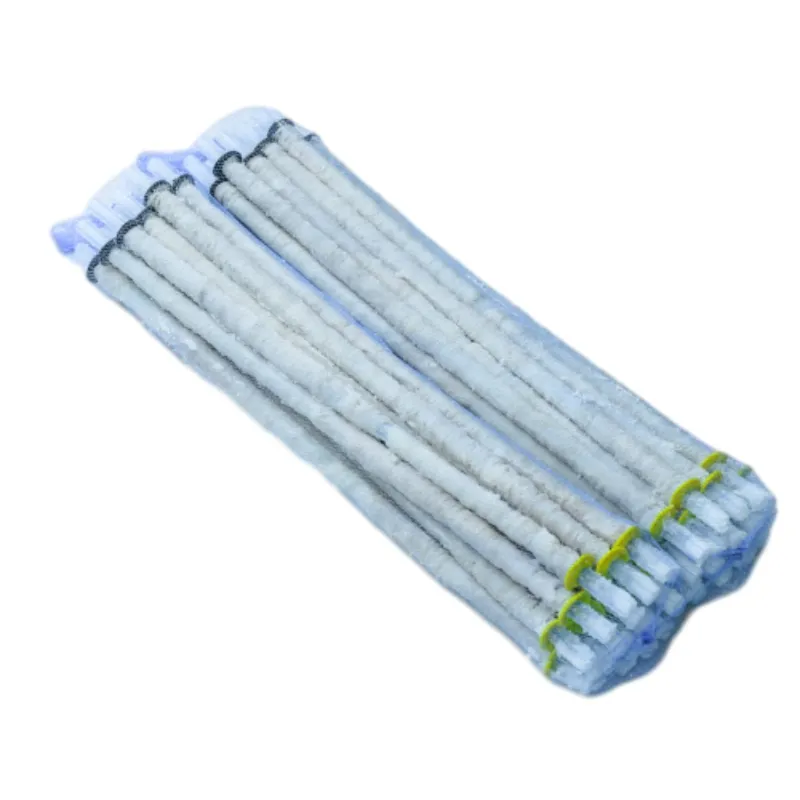
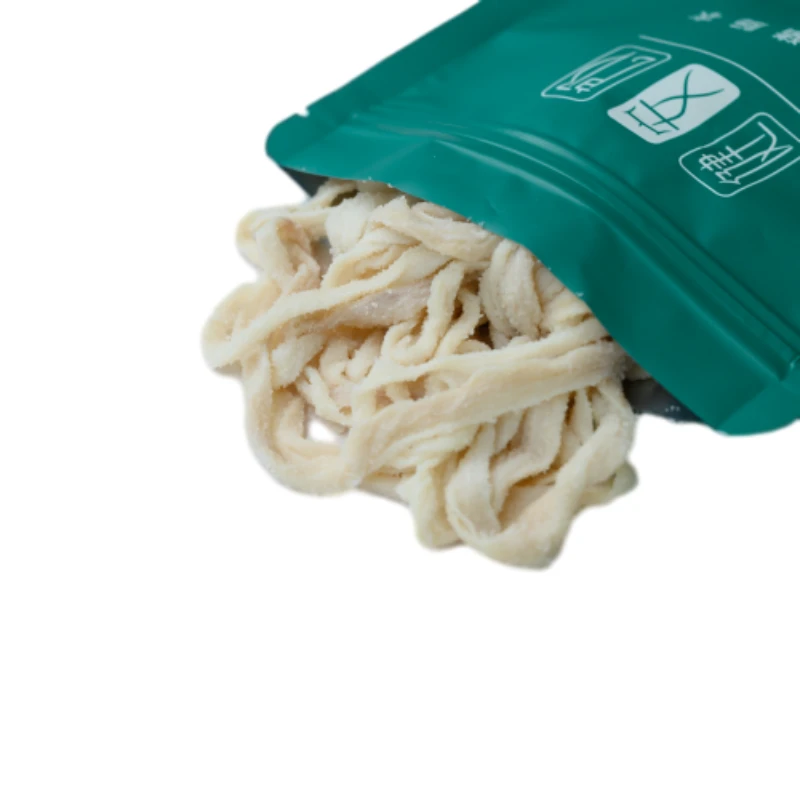
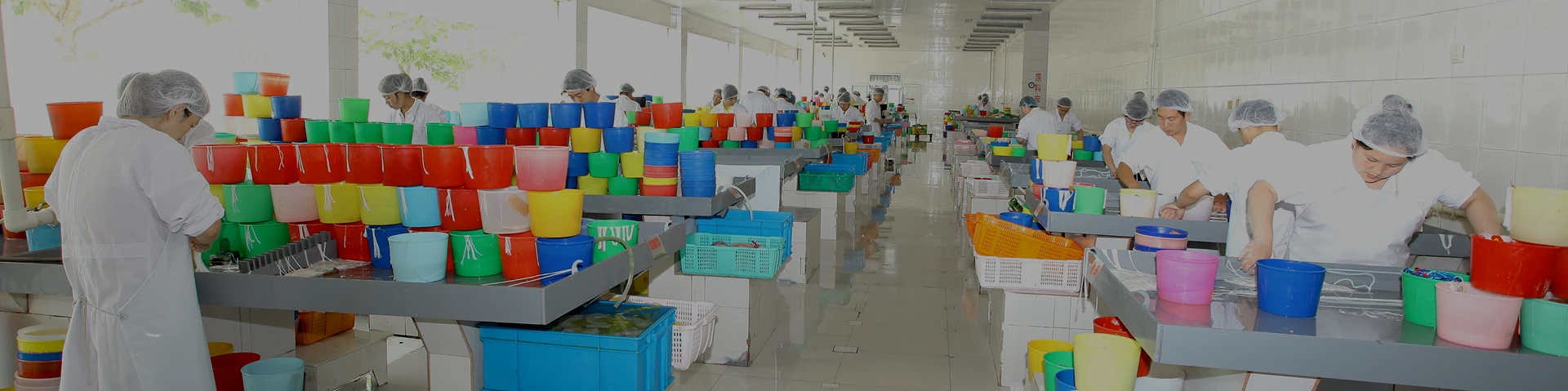
Casings undergo thorough cleaning and are salted to preserve freshness. This technique has been honed over decades to balance hygiene and preservation without losing the physical integrity of the casing.
5. Cost Efficiency
As a byproduct of existing pork production, hog casings are cost-effective compared to synthetic alternatives—particularly in regions with strong pig farming sectors.
Mini takeaway: Natural hog casings combine natural strength, biodegradability, and cost-effectiveness, making them a preferred choice among artisanal and industrial sausage makers.
Natural Hog Casings in Global Applications
Natural hog casings are found worldwide — from American Midwest smokehouses to Eastern European outdoor markets, and increasingly in Asian urban centers favoring authentic flavors. They serve small artisanal producers and large industrial operations alike.
- Food Industry: The primary use is in sausage production, prized for authentic taste and texture.
- Disaster Relief: In remote areas, natural casings enable local meat processing with minimal infrastructure.
- Export Markets: Countries like Denmark and the US export casings globally, supporting local economies.
- Research & Innovation: Used in food science labs to test natural biodegradable packaging alternatives.
For example, in parts of Eastern Europe where traditional sausage recipes rely heavily on natural hog casings, smallholders have increased incomes by upgrading casing cleaning and preservation, a testament to the casings’ socio-economic value.
Mini takeaway: Their applications go beyond sausages, often playing a role in local economies and humanitarian efforts, especially where low-tech solutions matter.
Advantages and Long-Term Value of Natural Hog Casings
Putting it plainly, these casings stand for much more than what meets the eye:
- Sustainability: Biodegradable and derived from waste, they contribute to circular economies.
- Safety and Trust: Properly processed natural casings meet stringent food hygiene standards.
- Quality and Experience: The “snap” they give is a sensory hallmark, building brand loyalty.
- Economic Impact: Support for the pork industry value chain—from farm to factory.
- Innovation Potential: Opportunities for bio-based packaging and food tech extensions.
Many chefs and sausage artisans swear by natural casings’ distinctive sensory qualities — and this emotional connection can drive premium pricing and customer trust.
Mini takeaway: Combining eco-logic with emotional appeal, natural hog casings create value that’s both measurable and felt at the table.
The Future: Trends and Innovations
Going forward, there’s a push towards refining sourcing and processing to reduce environmental costs even further. Automation in cleaning systems, advanced quality grading using AI imaging, and even genetic research into collagen production are on the horizon.
Policymakers interested in reducing plastic waste support natural casings as a viable alternative. Meanwhile, digital supply chains promise better traceability — an increasing demand from global consumers.
And oddly enough, some startups explore blends of natural and synthetic materials to combine best properties while pushing novel packaging ideas.
Mini takeaway: The future of natural hog casings blends tradition with cutting-edge tech, promising safer, greener, and better-quality products.
Challenges and Solutions in Using Natural Hog Casings
But not everything is rosy. Natural hog casings face challenges:
- Supply variability: Sourcing consistent quality requires strong relations with suppliers and standardized grading.
- Hygiene risks: Improper cleaning can lead to spoilage — a big concern in food safety.
- Durability limits: Fragility during transport and storage can cause breakage and waste.
Innovative cold-chain logistics, better preservation salt formulas, and machine vision sorting help address these. Also, educating small-scale producers on hygiene boosts overall safety.
Mini takeaway: While challenges persist, clever solutions and technology keep natural hog casings competitive in modern markets.
Frequently Asked Questions About What Are Natural Hog Casings Made Of
- What exactly is the material of natural hog casings?
- They are primarily made from the cleaned, salted small intestines of pigs, which consist mostly of collagen—a strong, elastic protein that provides the unique texture of natural sausages.
- How are natural hog casings cleaned and prepared?
- The casings go through a careful process of flushing, rinsing, and salting to remove bacteria and preserve the material while keeping its structural integrity intact.
- Can natural hog casings be used for all types of sausages?
- Mostly yes, especially for smaller diameter sausages like breakfast links, snack sticks, or traditional European sausages. Larger sausages might require different casings.
- Are natural hog casings safe and food-grade?
- When processed to international food safety standards (like ISO 22000), they are perfectly safe and trusted by producers worldwide.
- Is using natural hog casings eco-friendly?
- Yes. Because they are biodegradable and sourced from meat industry byproducts, they offer a sustainable alternative to plastic or synthetic casings.
Conclusion: Why Understanding Natural Hog Casings Matters
Unpacking what are natural hog casings made of reveals a fascinating crossroads of biology, tradition, sustainability, and industry. From humble pig intestines to international trade goods, these natural casings carry stories of craft, economy, and evolving global demands. Their elastic, collagen-based nature not only shapes the sausages we know and love but also embodies a promising, eco-friendly future for food packaging and material science.
If you’re curious to dive deeper or exploring natural casings for your own business, don’t hesitate — visit our website: https://www.rtcasing.com for more insights and solutions.
Product Specification Table
| Specification | Detail |
|---|---|
| Material Composition | Collagen (~85-90%) from pig intestines |
| Diameter | 16-22 mm (variable grading available) |
| Preservation | Salted and dried |
| Shelf Life | Up to 2 years if stored at 4°C, dry place |
| Biodegradability | 100%, compostable in natural conditions |
Vendor Comparison of Natural Hog Casings
| Supplier | Quality Grade | Price Range (per kg) | Lead Time | Key Markets |
|---|---|---|---|---|
| RTCasing Co. | Premium A | $10-$12 | 2–3 weeks | North America, Europe, Asia |
| Global Casings Ltd. | Standard B | $7-$9 | 3–4 weeks | Europe, Middle East |
| EcoNatural Casings | Organic Certified | $15-$18 | 4 weeks | North America, Niche organic markets |