Dec . 02, 2025 07:30
What Are Natural Casings Made Of? A Deep Dive Into Their Origins and Uses
At first glance, natural casings might seem like a simple topic limited to sausage lovers or artisan butchers, but their story stretches far beyond kitchen counters. Understanding what natural casings are made of matters globally — from food industries to sustainable trade and even humanitarian efforts. Today, these delicate yet sturdy products not only shape the taste of classic meats but also reflect centuries-old traditions and modern ecological thinking.
Why bother with the specifics? Natural casings have unique properties that synthetic substitutes often lack — think breathability, texture, and biodegradability. Simply put, knowing their composition unlocks a better appreciation of authenticity, quality, and practical benefits that ripple across food safety, economics, and cultural heritage.
Why Natural Casings Still Matter in a Global Industry
Globally, the sausage market alone is a multi-billion dollar industry, with Europe, Asia, and North America leading consumption. According to the Food and Agriculture Organization (FAO), natural casings remain dominant in traditional crafted sausages, especially in Mediterranean and Asian cuisines.
One challenge manufacturers face is balancing demand with sustainable sourcing. Livestock populations, environmental regulations, and consumer preferences have turned the spotlight on natural casings, especially because synthetic alternatives sometimes fail to deliver the “real deal.” Plus, in many rural or developing areas, sourcing natural casings locally supports small economies and maintains culinary heritage.
So when we talk about what are natural casings made of, we're also touching on a delicate supply chain and cultural ecosystem critical to global food security and artisanal craft.
Defining Natural Casings: What Are They Really?
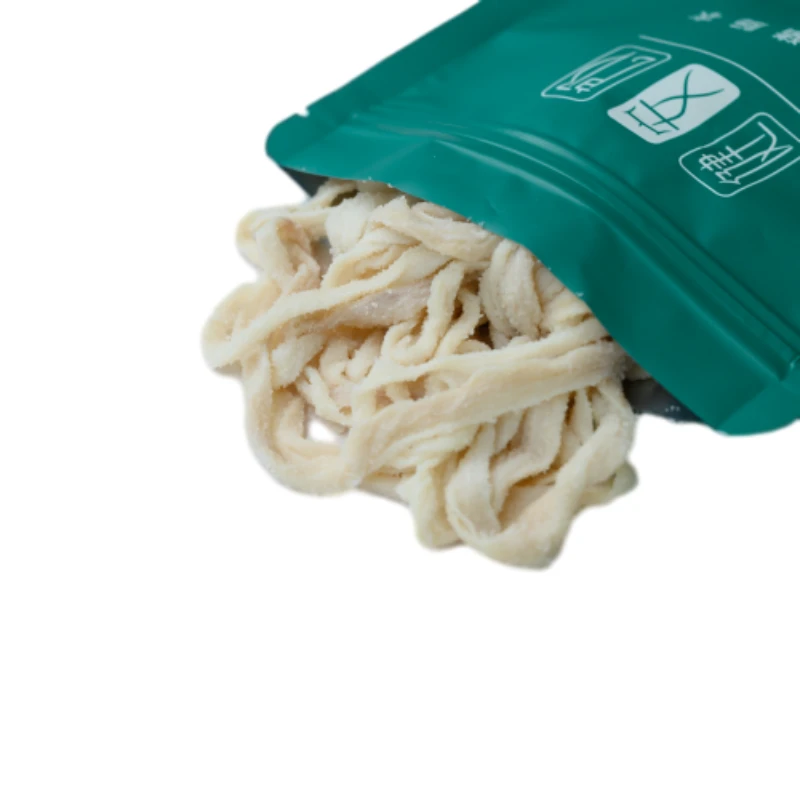
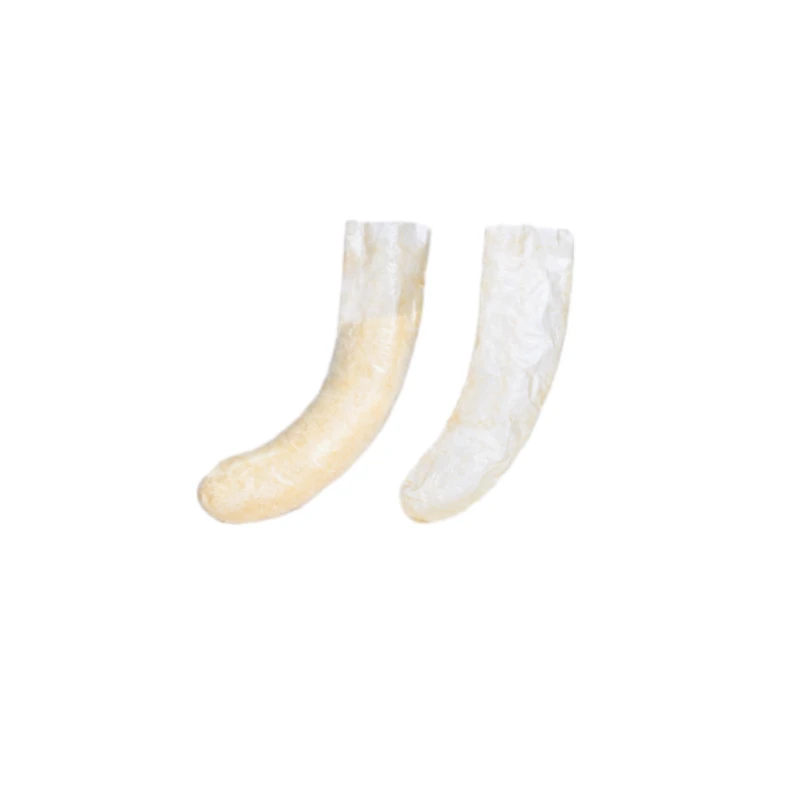
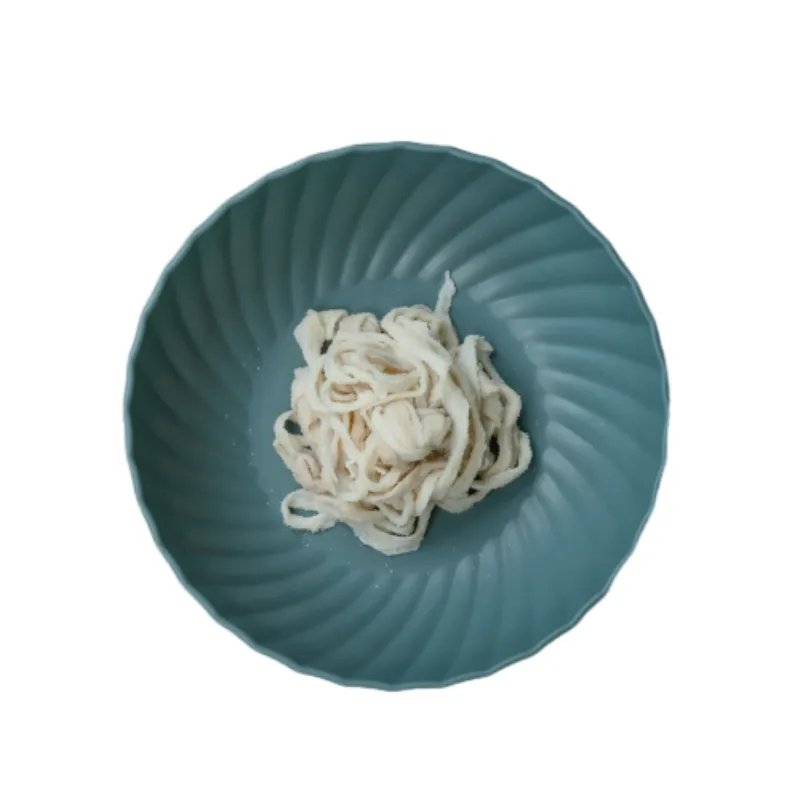
Natural casings primarily come from the intestines of farm animals — usually pigs, sheep, and cows. The process involves cleaning, scraping, and sometimes salting these intestines to create a thin, flexible membrane suitable for stuffing with meat. Essentially, they’re edible and biodegradable tubes made from the submucosa layer of animal intestines.
This natural origin explains their distinct texture and flavor contribution to sausages — plus why chefs worldwide often prefer them over artificial counterparts. Beyond food, some humanitarian sectors utilize natural casings for specialized packaging or medical purposes, where biodegradability and natural materials are a must.
Key Components and Attributes of Natural Casings
1. Material Source: Animal Intestines
The core of natural casings lies in its animal origin — typically hog (porcine), sheep (ovine), or cattle (beef). The choice impacts diameter, thickness, and strength, making it critical for different sausage styles.
2. Durability and Elasticity
Natural casings possess a tensile strength that synthetic materials just can’t mimic. This elasticity means they expand with the meat during cooking without tearing, preserving sausage integrity and juiciness.
3. Permeability
Oddly enough, natural casings breathe. They allow smoke, moisture, and even flavors to penetrate during curing, which synthetic equivalents struggle to achieve.
4. Biodegradability & Sustainability
Since these casings come from animal by-products, they're naturally biodegradable and often sourced with minimal waste — fitting into circular economy models for sustainable food production.
5. Processing and Preservation
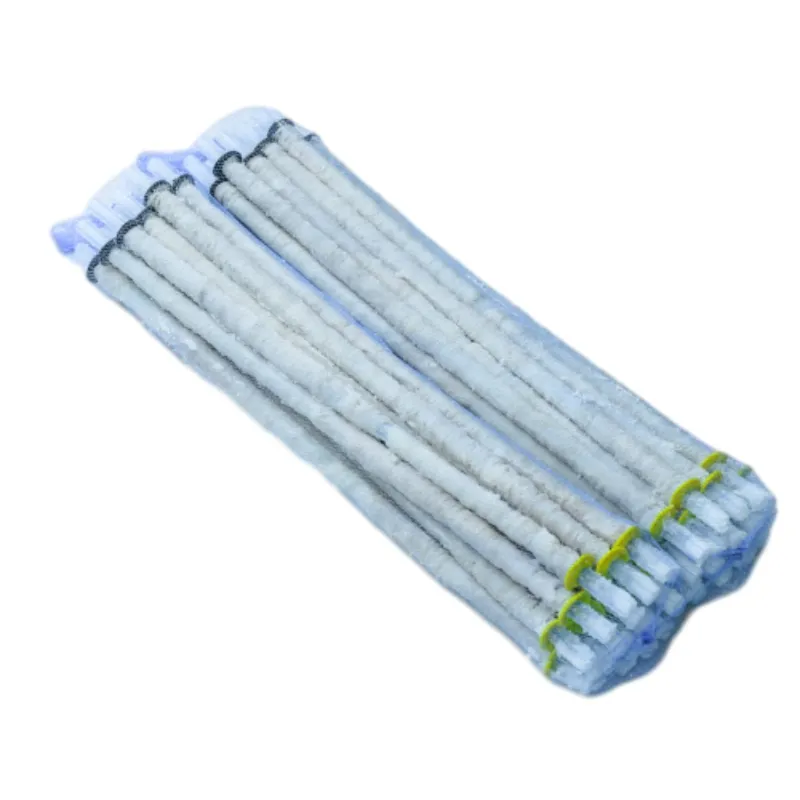
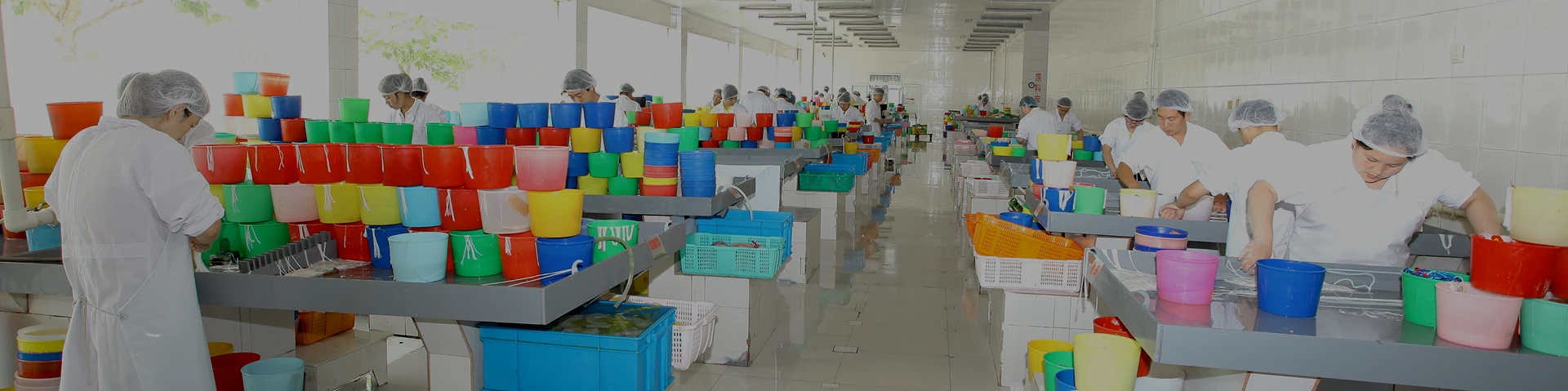
Once harvested, natural casings are thoroughly cleaned and preserved (via salting or chilling), ensuring shelf life while maintaining their natural qualities.
| Specification | Hog Casings | Sheep Casings | Beef Casings |
|---|---|---|---|
| Diameter Range | 26–34 mm | 16–22 mm | 42–65 mm |
| Thickness | Approx. 80–95 μm | Approx. 50–75 μm | Approx. 90–110 μm |
| Typical Use | Fresh sausages | Small sausages, snacks | Salamis, large sausages |
| Shelf Life (Preserved) | Up to 2 years salted | Up to 1.5 years salted | Up to 2 years salted |
Mini takeaway: Natural casings are essentially nature’s own packaging—biodegradable, flexible, and perfectly sized for traditional meat products. Their material and processing nuances define how they behave in culinary applications worldwide.
Global Applications & Real-Life Use Cases
Natural casings feature prominently in numerous regions renowned for their meat processing traditions:
- Europe: Countries like Germany and Italy are famous for sausages like bratwurst and salami, heavily reliant on hog and beef casings.
- Asia: Chinese and Vietnamese sausages often use thinner sheep or hog casings for snacks and delicacies.
- North America: Growing artisanal sausage makers have revived natural casing use to highlight quality and natural eating experiences.
Beyond food, in humanitarian logistics — especially during large-scale natural disasters — some NGOs turn to natural casings to package nutrient packets or specialty foods since these casings provide both convenience and biodegradability. Even some experimental medical uses leverage their skin-like properties, although that’s a niche field.
Mini takeaway: The versatility of these casings underscores their global footprint—spanning culinary heritage to unique industrial and humanitarian roles.
Advantages of Natural Casings Over Synthetic Alternatives
It’s not just tradition shaping preference; natural casings bring some genuine advantages to the table:
- Superior Texture & Taste: They provide a snap and flavor-absorbing qualities that synthetic casings largely fail to emulate.
- Sustainability: Made from by-products, they reduce waste and have a far smaller environmental impact.
- Breathability: Allowing smoke and moisture transfer, they enhance curing and preservation.
- Edibility: Natural casings can be eaten, which is a big plus for many consumers.
- Supporting Local Economies: Especially in developing regions, casing harvesting supports rural livelihoods.
Emotionally, they connect eaters with a more natural product experience — an often overlooked but powerful factor in food marketing.
Where Trends Are Leading Natural Casings
The future of natural casings is interesting, especially as sustainability pushes the meat industry toward greener horizons. Here are a few noteworthy trends:
- Improved Processing Technologies: Automation and better cleaning techniques reduce contamination risks and increase yield.
- Traceability: Blockchain and digital tracking improve supply chain transparency, reassuring consumers.
- Hybrid Solutions: Combining natural casings with edible coatings for enhanced shelf life.
- Environmental Standards: Certifications focusing on sustainable sourcing to meet growing consumer demands.
This ongoing innovation keeps natural casings relevant in a world increasingly conscious of food origins and environmental impact.
Challenges in Natural Casing Use and How They’re Being Tackled
Despite their appeal, natural casings come with hurdles:
- Supply Fluctuations: Availability depends on livestock populations, which can be unpredictable.
- Quality Variability: Animal feed, age, and handling affect consistency.
- Preservation Difficulties: They require careful storage to prevent spoilage.
- Cost: More expensive than synthetic alternatives.
Experts often recommend blending suppliers, investing in cold chain logistics, and continuous training on handling to maintain quality. Some firms are exploring labs-grown alternatives too, but those are still in infancy.
FAQ: Frequently Asked Questions About What Are Natural Casings Made Of
- What exactly are natural casings made of?
- Natural casings are made from the cleaned intestines of animals such as pigs, sheep, and cows. These intestines are processed and preserved to form edible, flexible tubes used mainly for sausage production.
- Can natural casings be eaten?
- Yes, one of their main benefits is that they’re edible, providing a natural “snap” to sausages and contributing to the overall eating experience.
- Are natural casings more sustainable than synthetic ones?
- Generally, yes. Because they’re derived from by-products of livestock, natural casings support waste reduction and are fully biodegradable, unlike many synthetic materials.
- How long do natural casings last before use?
- When properly salted and stored, natural casings can last up to two years, though refrigeration is recommended to maintain quality.
- Do natural casings work for all types of sausages?
- While adaptable, different casings suit specific sausage sizes and types — for example, sheep casings for smaller sausages and beef casings for larger ones.
Wrapping It Up
Understanding what natural casings are made of is more than just knowing ingredients—it's appreciating centuries of culinary art meshed with modern sustainability. These casings connect animals, craftsmen, and consumers across continents and cultures. And while challenges exist, ongoing innovation ensures they remain vital.
Curious to explore natural casings in more detail or interested in sourcing options? Don’t hesitate to visit us at https://www.rtcasing.com for expert insights and products.
Mini takeaway: Natural casings are a fascinating blend of nature, tradition, and technology — still going strong and evolving in the modern era.
Vendor Comparison Table: Top Natural Casing Suppliers
| Vendor | Country of Origin | Product Range | Sustainability Practices | Price Range |
|---|---|---|---|---|
| RT Casing Co. | China | Hog, Sheep & Beef Casings | ISO-22000 Certified, Waste Reduction | Mid-Range |
| Natural Casings Inc. | Germany | Specialty & Organic Casings | Organic Certification & Recycling Programs | High |
| Global Sausage Supplies | USA | Wide Selection, Custom Orders | Enhanced Cold Chain Logistics | Mid to High |