Dec . 02, 2025 03:15
Understanding What Are Hog Casings Made Of: More Than Just Sausage Wrappers
So you’ve probably heard the phrase “hog casings” tossed around, especially if you’re into sausage making or meat processing — but what are hog casings made of exactly? It turns out, they’re a surprisingly fascinating product with global significance. Beyond their culinary use, these natural casings carry a story of tradition, innovation, and sustainability. Understanding what hog casings consist of isn’t just trivia; it’s a key to appreciating a centuries-old craft that’s still very much alive, impacting industries from food production to humanitarian aid. Plus, knowing the ins and outs can help producers, chefs, and consumers make smarter choices.
At the global level, hog casings tie into food security, supply chains, and even environmental goals — more on that soon.
The Global Context: Why Hog Casings Matter Today
Let’s zoom out a bit. The United Nations Food and Agriculture Organization (FAO) points out that meat production and processing involve a complex web of resources. Sausages remain a staple in many cultures worldwide — from German bratwurst to Spanish chorizo. According to FAO, the natural casing market itself thrives partly because of rising global meat consumption (expected to grow by about 14% by 2030). So having reliable, sustainable casings that are safe and durable is critical.
Then there’s the supply chain challenge. Hog casings come mainly from slaughterhouse by-products, so the industry has to juggle availability, consistency, and hygiene standards while being cost-efficient. As regulations tighten globally (think ISO food safety standards), better understanding what hog casings are made of helps improve processing, traceability, and consumer trust.
Oddly enough, these casings also have humanitarian touches — in some post-disaster operations, natural casings have been repurposed for packaging or waterproofing, proving their versatility beyond the dinner table.
Mini takeaway: Hog casings are more than just sausage skins; they’re a global commodity intertwined with food security, sustainability, and industrial efficiency.
Definition & Meaning: What Exactly Are Hog Casings Made Of?
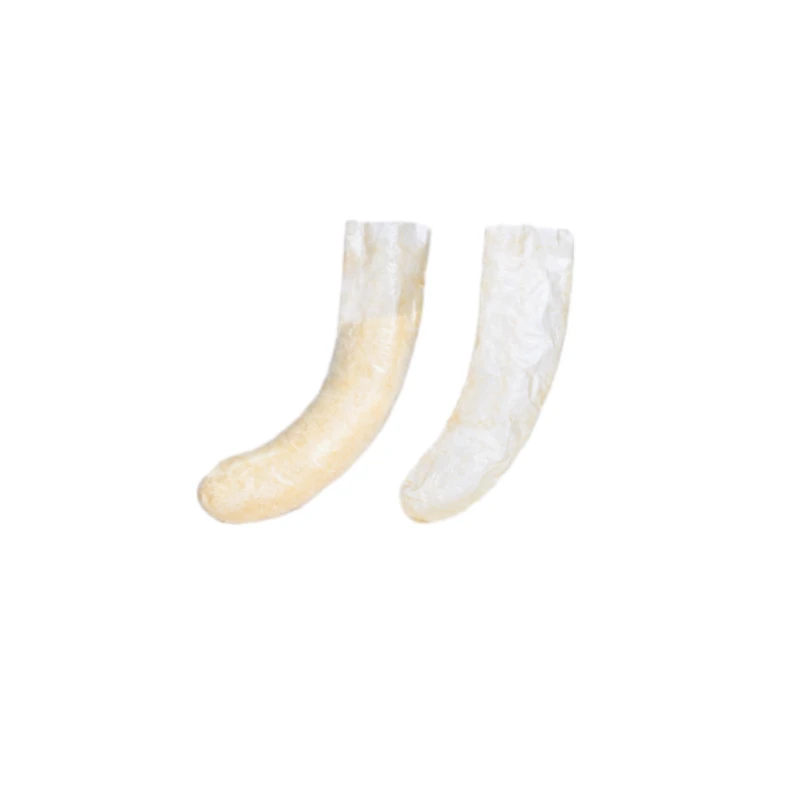
At its simplest, a hog casing is the thin, tubular layer derived from the cleaned intestines of pigs (hogs, hence the name). Specifically, it’s the submucosa layer of the small intestine after it has been carefully processed and cleaned to become edible and safe for stuffing with meat mixtures.
Natural casings, including those from hogs, have been favored for centuries because of their elasticity, porousness, and ability to impart authentic texture and flavor to sausages. Unlike synthetic alternatives, what hog casings are made of reflects a natural collagen-rich material that reacts well to cooking and smoking.
Though rooted in traditional butchery, hog casings today meet modern food safety regulations and are often treated or salted for preservation. They are integral to many small-scale artisan butchers as well as large-scale meat producers looking for high-quality natural sausage casings.
Key Components and Qualities of Hog Casings
1. Natural Collagen Structure
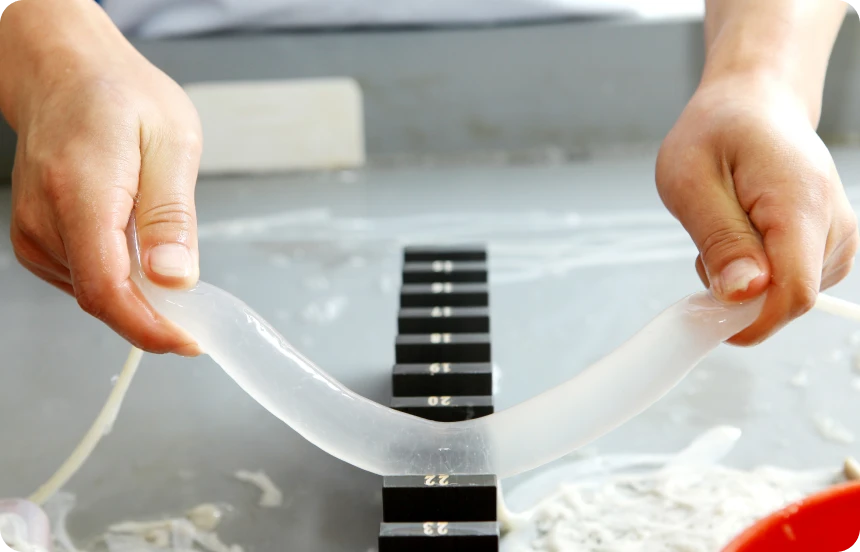
The backbone of hog casings is collagen, a protein providing strength and elasticity. This collagen matrix allows the casing to stretch during stuffing without tearing – a key feature for sausage makers.
2. Porosity and Breathability
Hog casings are semi-permeable, allowing smoke and flavors to penetrate while letting moisture escape. This characteristic impacts the final sausage texture and taste profoundly.
3. Cleaned and Preserved
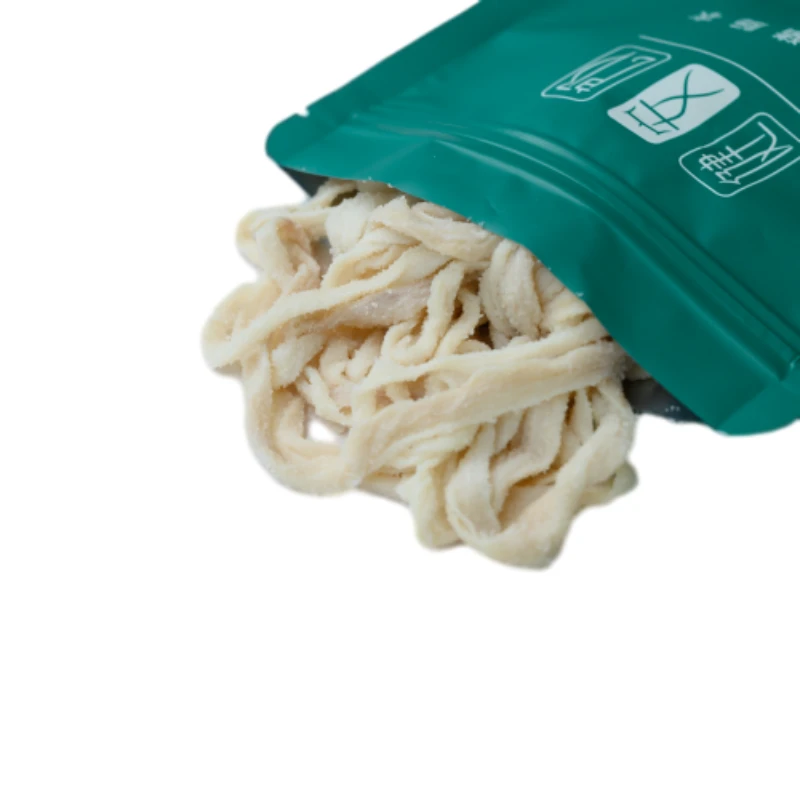
Before use, hog casings undergo rigorous cleaning where blood, fat, and other residues are removed. Salt curing or brining is common to preserve these delicate natural tubes for months.
4. Biodegradable and Sustainable
Since hog casings derive from animal by-products, they contribute to a zero-waste approach within the meat industry. Their full biodegradability makes them a preferred choice over synthetic plastics in today’s eco-conscious markets.
5. Size and Consistency
Casings vary in diameter depending on the hog’s section they’re taken from, typically ranging from 18 mm to 28 mm. Uniformity in size matters for industrial performance, which is why good sorting and grading processes are critical.
Mini takeaway: Hog casings’ unique combination of natural collagen, breathability, and biodegradability makes them hard to beat for authentic sausage production.
Global Applications & Use Cases: Beyond Sausage Stuffing
Of course, sausage-making is the star application, from European bangers to spicy Asian sausages. Yet, there is more to hog casings than meets the eye:
- Artisanal Food Production: Small-scale butchers prize hog casings for their texture and culinary authenticity.
- Large Meat Processors: Reliable source of natural casings meeting international sanitary standards.
- Disaster Relief and Packaging: In resource-poor settings, natural casings have occasionally been used for temporary containers or protective sealing, thanks to their flexibility and biodegradability.
- Research & Development: Some companies and universities explore collagen casing properties for medical uses like biodegradable sutures or collagen scaffolds.
Geographically, hog casings dominate markets in Europe, North America, and China, where pork sausage consumption is high. Emerging markets in Southeast Asia and South America are increasingly exploring these natural products given rising consumer demand for “clean-label” meats.
Product Specification Table: Typical Hog Casing Characteristics
| Specification | Details |
|---|---|
| Material | Natural pig small intestine (submucosa layer) |
| Diameter Range | 18 mm – 28 mm (approx.) |
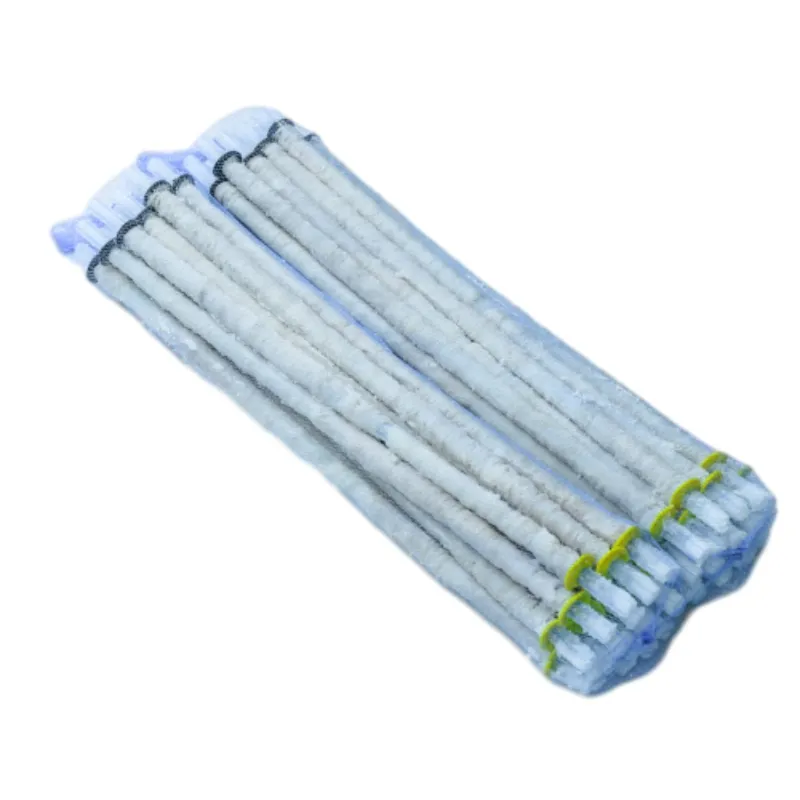
| Length per bundle | Up to 5 meters |
| Preservation Method | Salt curing or brining |
| Shelf Life | 6 months (dry salted, refrigerated) |
| Applications | Sausage casings, specialty foods, biodegradable use cases |
Advantages & Long-Term Value of Using Hog Casings
Why stick to real hog casings when there are synthetic options, you might wonder? Well, many butchers and consumers swear by the natural touch:
- Authentic Experience: Real casings deliver that “snap” and mouthfeel that plastic can’t match.
- Eco-Friendliness: Being biodegradable means they don’t contribute to microplastic pollution—a plus for sustainability-focused producers.
- Health & Safety: They allow smoke and curing agents to permeate naturally, reducing the need for preservatives.
- Economic Efficiency: Since they’re by-products, hog casings help utilize the entire animal, supporting zero-waste goals in the meat industry.
- On a human level: there’s a certain trust and tradition packed into every link that synthetic casings have yet to capture.
Mini takeaway: Hog casings blend practical, ecological, and emotional benefits that keep them relevant even in today’s high-tech food world.
Comparing Leading Hog Casing Vendors
| Vendor | Source Country | Packaging | Price Range (per kg) | Certifications |
|---|---|---|---|---|
| Smith Sausage Supply | USA | Vacuum Packed Bundles | $15 - $20 | FDA, ISO 22000 |
| Euro Natural Casings | Germany | Salt Cured Bundles | €13 - €18 | HACCP, ISO 9001 |
| Asia Pacific Casings Co. | China | Refrigerated Bundles | $10 - $14 | ISO 22000 |
Future Trends & Innovations in Hog Casings
The world of natural casings isn’t standing still — new technologies and ideas creep in, blending tradition with innovation:
- Enhanced Cleaning & Sterilization: Steam and enzymatic cleaning methods improve safety without damaging the collagen.
- Digital Traceability: Blockchain and smart packaging to track casing origins and compliance.
- Hybrid Casings: Combining natural collagen with bio-polymers for longer shelf life and improved performance.
- Green Initiatives: Reducing water and chemical use in casing processing aligns with stricter environmental regulations.
And I’d wager some start-ups are looking into lab-grown collagen as well — could that be the “future hog casing”? The market for sustainable proteins and materials is a hotbed for creativity.
Challenges & Solutions in the Hog Casing Industry
Of course, it’s not all smooth sailing:
- Supply Volatility: Dependence on pig slaughter volumes means casings can fluctuate in availability and price.
- Quality Variation: Natural product, so size and strength inconsistencies happen — tough for automated processors.
- Sanitation Standards: Risk of contamination requires rigorous cleaning and certification processes.
Solutions? Many vendors are investing in advanced sorting machines, chemical-free cleaning tech, and stronger supplier relationships to ensure steady supply and quality. Plus, close collaboration with regulatory bodies keeps standards high.
Frequently Asked Questions About What Are Hog Casings Made Of
Q1: Are hog casings edible and safe to eat?
A1: Yes, hog casings are edible and safe when properly cleaned and salted or brined. They’ve been used for centuries in sausage-making without health issues, provided modern food safety standards are met.
Q2: How do hog casings compare to synthetic sausage casings?
A2: Natural hog casings offer better texture, flavor enhancement, and biodegradability compared to synthetics. However, synthetics provide more uniformity and longer shelf life, making them sometimes preferable for large industrial use.
Q3: Can hog casings be frozen for later use?
A3: Yes, after cleaning, hog casings can be frozen, though it’s better to use them fresh or properly salted for optimal elasticity and taste.
Q4: Where can I learn more about the origin and production of hog casings?
A4: Reputable sources include industry websites and what are hog casings made of pages, plus academic articles on meat processing and FAO publications.
Q5: Are there ethical or animal welfare concerns surrounding hog casing production?
A5: Casings are by-products of animals already processed for meat, so ethical concerns mainly relate to broader livestock practices. Certification programs now encourage sustainable and humane sourcing.
Conclusion: The Enduring Appeal of Hog Casings
To sum it up—knowing what hog casings are made of reveals a rich intersection of food heritage, modern science, and sustainable practices. Their unique collagen structure, biodegradability, and natural origin keep them indispensable in the global meat industry. For anyone interested in quality sausage production or eco-friendly food solutions, hog casings offer a choice that’s both practical and rooted in tradition.
If you’re looking to learn more or source high-quality natural casings, I recommend visiting our trusted partner’s site: https://www.rtcasing.com. It’s a solid resource for novices and experts alike.