Dec . 01, 2025 15:50
Vegetarian Sausage Casing: Why It’s Gaining Global Attention
Vegetarian sausage casing—sounds niche, but trust me, it matters way more than you’d guess. As the global food system evolves, more people care about how their food is made, not just what it tastes like. This isn’t only about vegans or vegetarians; it’s a shift that taps into health, sustainability, ethics, and even economics. Understanding vegetarian sausage casing is key for manufacturers, distributors, and consumers who want to embrace more humane, eco-friendly, and innovative food solutions without compromising on texture or flavor.
In a world where demand for plant-based proteins is projected to grow by roughly 10% annually through 2030, the casing—a seemingly small element—has taken center stage. Why? Because traditionally, sausage casings come from animal intestines, which clashes with the whole "vegetarian" ethos and limits market reach in certain regions or cultures. The rise in vegetarian sausage casing responds to real global challenges: how to create products that meet diverse dietary requirements, reduce environmental impact, and maintain functionality.
Setting the Stage: The Global Context of Vegetarian Sausage Casings
Globally, the food industry is undergoing a transformation influenced by increasing consumer awareness, technological breakthroughs, and shifting cultural norms. According to a 2023 UN FAO report, plant-based food sales have jumped by 15% over the past five years. At the same time, ISO highlights that sustainable food processing is critical for meeting environmental goals.
The meat processing sector isn't just about the meat anymore. There’s a growing challenge here: how to deliver the same sensory experience—and functional qualities—that traditional sausage casings provide, but without animal products. This is where vegetarian sausage casings come in. They address a variety of pain points: allergen concerns, religious dietary laws (e.g., halal, kosher), environmental footprint, and even supply chain volatility for natural casings.
What Exactly Is Vegetarian Sausage Casing?
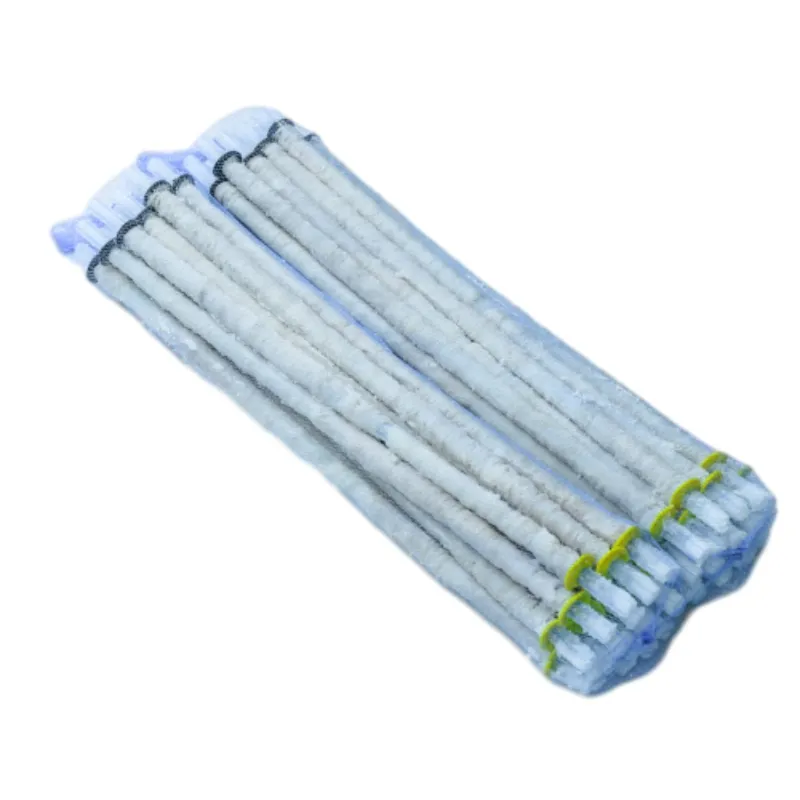
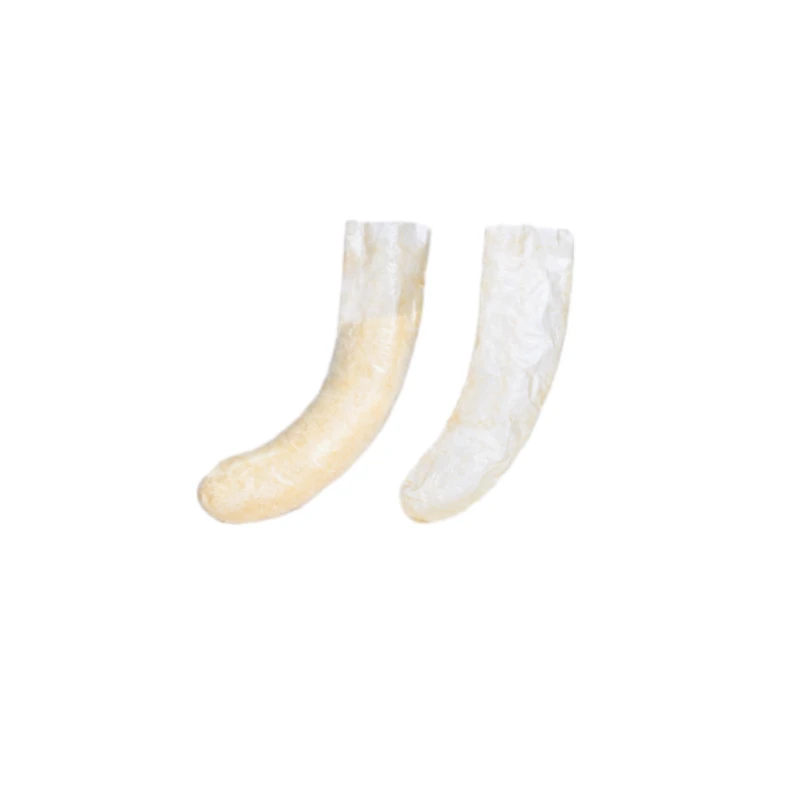
Simply put, vegetarian sausage casing refers to an edible or non-edible casing material made entirely from plant-based or synthetic substances used to encase sausage fillings. Unlike traditional casings, which come from cleaned animal intestines or collagen derived from animals, these casings rely on natural cellulose, pea protein films, alginates, or biodegradable plastics. They uphold the structure and bite of a sausage while respecting vegetarian and vegan principles.
In real terms, they’re part of a broader movement in food tech that’s seeking alternatives to animal-derived ingredients. Beyond food innovation, these casings have humanitarian implications—they can be halal/kosher compliant and appeal to regions with restricted animal product consumption or shortages.
Core Aspects to Know About Vegetarian Sausage Casings
1. Durability & Texture
One of the trickiest bits is mimicking the “snap” and resilient bite of natural casings. Many manufacturers rely on cellulose or specialized plant proteins to achieve that firm but pliable feel consumers expect. Durability matters for transport, cooking, and even slicing.
2. Scalability & Manufacturing
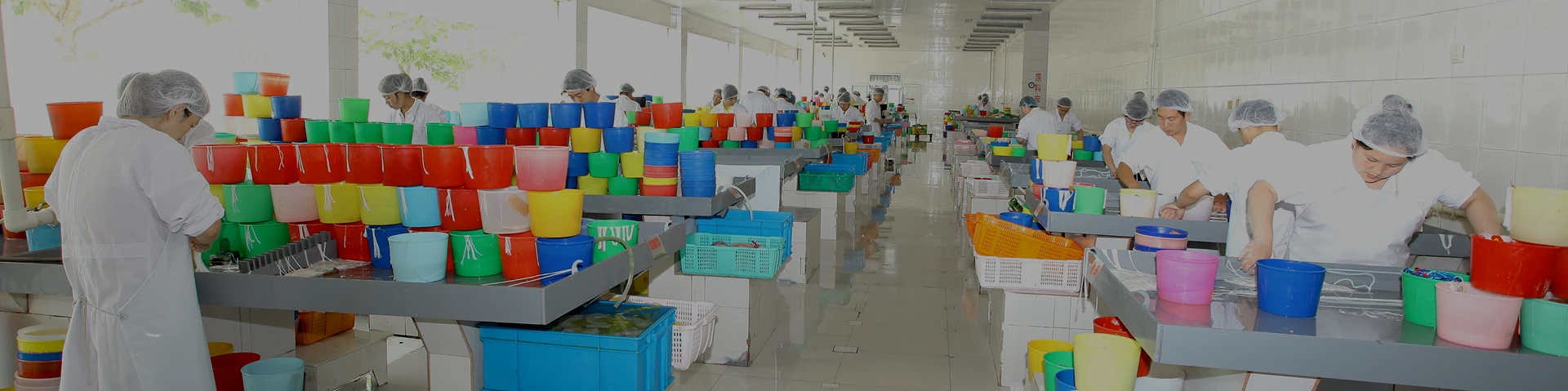
Vegetarian sausage casings must be produced at scale to keep prices competitive. Innovative extrusion and molding technologies have made it possible to churn these out efficiently, with consistent quality—something that was a bottleneck in earlier days.
3. Cost Efficiency
Initially, plant-based casings can be pricier than natural ones due to tech and material costs, but longer-term—especially with growing demand—costs are dropping steadily. Plus, they sidestep issues like animal product supply volatility.
4. Food Safety & Hygiene
Consumer concerns about contamination and allergens are taken seriously. Vegetarian casings offer controlled production environments free from animal pathogens, appealing to health-conscious markets.
5. Environmental Impact
Reduced land use, water consumption, and greenhouse gas emissions are big wins here. It’s a no-brainer when balancing sustainability with high-quality product design.
Product Specification Table: Sample Vegetarian Sausage Casing
| Specification | Details |
|---|---|
| Material Composition | Cellulose + Pea Protein Blend |
| Edibility | Edible |
| Diameter Range | 16 mm - 32 mm |
| Tensile Strength | 30 MPa |
| Shelf Life | 12 months (dry storage) |
| Certification | ISO 22000, Halal, Vegan Certified |
Real-World Applications: Who’s Using Vegetarian Sausage Casing?
You see these casings utilized widely in commercial food manufacturing in Europe and North America, especially where vegan and vegetarian products have become a major segment. The fast-growing Indian and Middle Eastern markets also lean on vegetarian casings as they align with local dietary laws and consumer demand.
Beyond retail, these casings have become popular in institutional catering—think university cafeterias, hospital meal services, and airline food providers—that need inclusive menus. Even aid organizations use them in specially designed emergency rations to cater to diverse recipients.
For example, in post-disaster relief operations in Southeast Asia, vegetarian sausage casings allow relief agencies to deliver protein-packed, culturally sensitive food options without animal product restrictions, ensuring broad acceptability.
Advantages That Add Up Over Time
- Cost-effective sustainability: They lower carbon footprints compared to animal intestines and reduce dependency on livestock farming.
- Ethical Consumer Trust: Provide a humane alternative that resonates with ethically-minded buyers.
- Food Safety: Controlled production environments reduce contamination risk.
- Regulatory Compliance: Easily adapted to meet halal, kosher, and allergen-free standards.
- Innovation Leader: Brands can stand out with cleaner labels and transparent supply chains.
In short, it’s not just about “plant-based” on the label but an entire ecosystem of reliability, trust, and innovation that appeals on both emotional and logical levels.
Emerging Trends & Innovations in Vegetarian Sausage Casings
Looking ahead, we’re seeing exciting leaps: biodegradable packaging blends that decompose faster, improved texture delivery through protein-engineered films, and even digital traceability systems that confirm origin and ingredient transparency—a big ask from consumers today.
Automation in casing production is ramping up, too, enabling custom sizes and shapes that weren’t possible before. This flexibility helps manufacturers adapt quickly to seasonal or regional trends. Sustainability policies aligned with UN SDGs push R&D toward even more eco-friendly materials.
Challenges on the Horizon and Ways to Overcome Them
Of course, perfection remains elusive. Some complain about slight texture differences or limited flavor retention compared to natural casings. Another hurdle is scaling production without losing quality consistency.
Experts suggest hybrid approaches—combining natural and vegetarian materials or enhancing plant-based casings with novel enzymes—to improve mouthfeel and processing performance. On the supply side, cultivating new raw materials and securing investments toward economies of scale will help bring prices down.
FAQ: Common Questions About Vegetarian Sausage Casing
- Are vegetarian sausage casings safe to eat and digest?
- Yes. Most vegetarian casings on the market today are edible and made from natural plant fibers or proteins. They are designed to break down easily during cooking and digestion, offering a safe alternative to traditional animal-based casings.
- Can vegetarian sausage casings be used with all types of sausage recipes?
- Generally, yes. Modern plant-based casings are versatile enough to work with fresh, cooked, or smoked sausages. However, some highly specialized or dry-cured sausages might still require specific casing properties, so it’s important to check compatibility.
- How do vegetarian casings affect the shelf life of sausage products?
- Plant-based casings often improve shelf life by reducing bacterial contamination risks inherent with natural casings. Moreover, many have moisture and oxygen barrier properties that help extend freshness.
- Are vegetarian sausage casings more expensive than traditional casings?
- Typically, they currently cost slightly more due to manufacturing complexity and raw material sourcing. However, as demand grows and technologies advance, prices are expected to become more competitive with natural casings.
- Where can I buy vegetarian sausage casings for commercial use?
- Leading vendors specialize in these products globally. You can explore options at our recommended site, which offers a range of sizes, certifications, and custom options tailored to your needs.
Wrapping It Up: Why Vegetarian Sausage Casings Are a Smart Investment
In the bigger picture, vegetarian sausage casings represent much more than a trendy product. They’re a bridge to a more sustainable, ethical, and inclusive food supply chain. For manufacturers, the move opens doors to new markets and consumer segments. For consumers, it means choices that better align with their values. And for the planet—well, every little component counts.
Feeling curious? Don’t hesitate to explore quality options and technical insights at https://www.rtcasing.com. It’s the kind of resource you might revisit often as this market unfolds.
Vendor Comparison Table: Top Vegetarian Sausage Casing Providers
| Vendor | Material Types | Customization | Certifications | Price Range |
|---|---|---|---|---|
| EcoCasing Inc. | Cellulose, Pea Protein | Diameter & Strength | Vegan, Halal, ISO 22000 | $$$ |
| PlantSkin Solutions | Alginate-Based | Thickness | Vegan, Gluten-Free | $$ |
| GreenWrap Industries | Biodegradable Plastics | Color & Shape | ISO 22000, Compostable | $$$ |
Mini Takeaway
Vegetarian sausage casings, while an often overlooked piece of sausage-making, symbolically and practically support a shift toward cleaner, more ethical foods. Their growing diversity, combined with tangible benefits in cost, safety, and sustainability, makes them poised for widespread adoption.