Dec . 01, 2025 03:00
What’s the Deal with Casing for Homemade Sausage—and Why Does it Matter?
When you hear "casing for homemade sausage," maybe your first thought is, “Isn’t that just... the skin?” Well, yes and no. It’s the vital outer wrapping that holds all the juicy, flavorful goodness together. But it’s more than just a container; it's a subtle art, a technical craft and an internationally important piece in the world of food production and safety. Whether you’re a home cook or a small-scale producer, understanding sausage casings can totally elevate your game—and trust me, the global food ecosystem relies on them more than we might think. Globally, meat and sausage production (I’m talking about millions of tons) requires efficient, safe, and sustainable casing solutions. According to the Food and Agriculture Organization (FAO) of the UN, meat processing innovations are key to reducing waste and improving food security. Sausage casings, from natural to synthetic, play a big role here. They not only affect texture, flavor, and appearance but also impact storage, transport, and ultimately, the end customer’s experience. For the average artisan or enthusiast, knowing your casing can mean the difference between a sausage that bursts or a product that sells well at markets. ---The Global Context: Why Homemade Sausage Casings Are More Than Just Gut Feeling
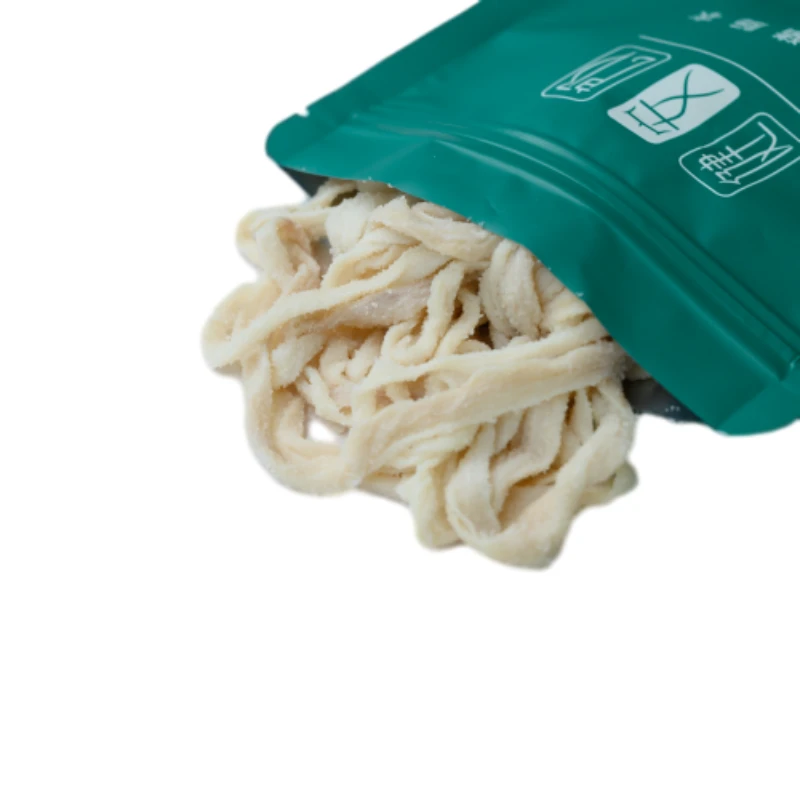
Globally, demand for sausage and processed meat has steadily grown—with markets in Europe, Asia, and North America leading the charge but rising fast in emerging economies too. The International Trade Centre reports that sausage casings are a small yet steadily growing international commodity, influenced by trends around sustainability, animal welfare, and consumer wellness. What’s tricky? Often, the supply chains for natural casings, which mainly come from pig, sheep, or cow intestines, are fragile. In some cases, small producers struggle with affordability and accessibility. That creates gaps in quality and safety standards. Synthetic casings, whether collagen or cellulose derived, are trying to fill those gaps, but the question of “what’s best?” creeps in daily. Think about disaster relief or food aid in remote zones—sausage casings that are shelf-stable, easy to transport, and safe for consumption can mean better nutrition options. ---Defining Casing for Homemade Sausage: More Than Just a Wrapper
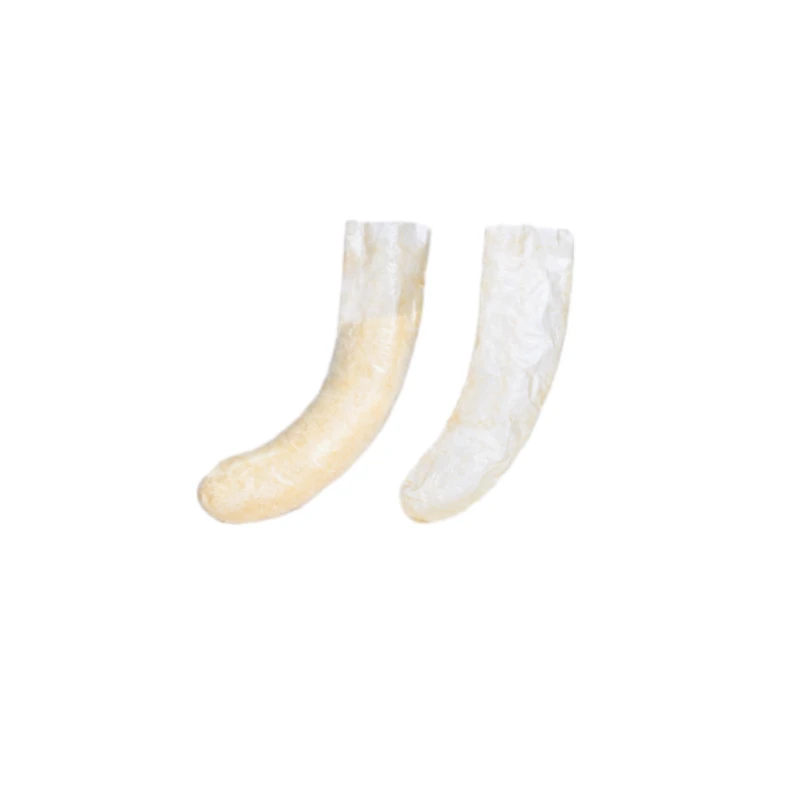
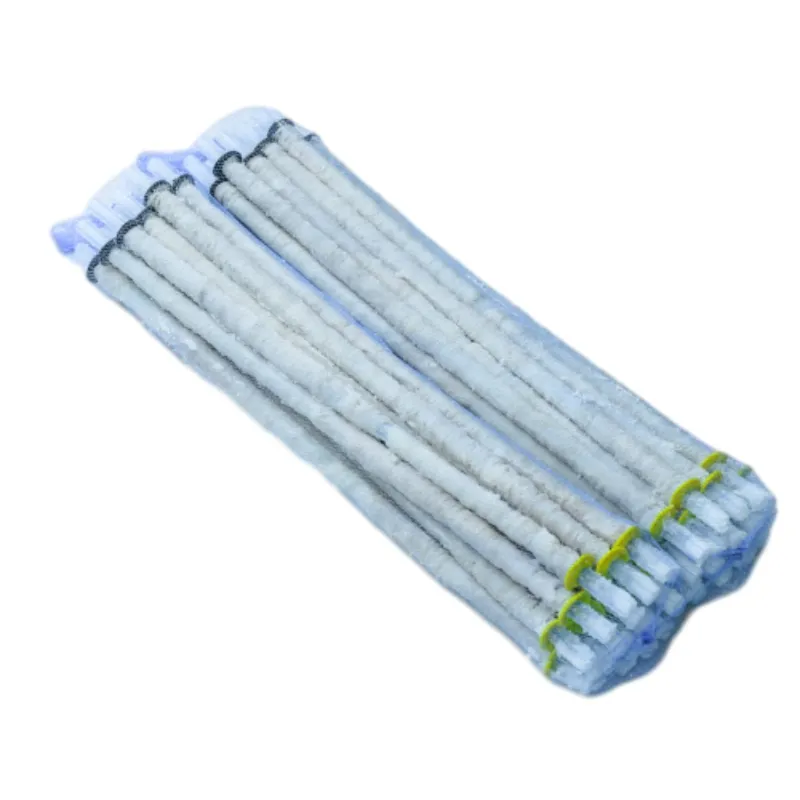
Simply put, a casing for homemade sausage is the external cover that encases minced meat mixtures, holding them in their characteristic shape and size, ready to be cooked, smoked, or stored. Traditionally, ‘natural casings’ come from cleaned animal intestines. Today, there are also synthetic options like collagen, cellulose, and even plant-based casings — each offering distinct qualities. But here’s the interesting bit: these casings don’t just protect the sausage. They influence cooking times, texture, moisture retention, and even flavor absorption. In humanitarian contexts, specially designed casings help preserve protein for displaced populations and aid workers. For enthusiasts, they offer a canvas for culinary creativity. ---Core Components to Consider When Choosing Sausage Casings
1. Durability & Integrity
The best casing withstands stuffing pressure and cooking without bursting. Natural casings offer a distinct snap, but variability exists depending on the animal source and processing. Synthetic casings often provide uniform strength but may lack that traditional bite.2. Edibility & Taste
Natural casings usually add a subtle umami note, enhancing the overall taste experience. In contrast, some synthetic casings are removed after cooking. That said, innovations in food-grade materials mean many synthetics are now fully edible and even flavor-neutral.3. Cost & Accessibility
For homemade sausage makers, affordability matters. Natural casings can be pricier due to processing and sourcing constraints. Collagen casings often strike a balance—reasonable cost with decent performance. Your local market or online suppliers influence this greatly.4. Sustainability
As consumer awareness rises, the casing industry faces pressures to reduce environmental footprint. Natural casings, being biodegradable, score high, but their supply stability can be tricky. Some manufacturers are experimenting with plant-based and bioengineered casings.5. Size & Scalability
Depending on the sausage type—from thin breakfast links to large bratwursts—casings come in various diameters. Scalability is not just about size but availability in quantities for batch production. ---How Are These Casings Used Around the World?
You might think sausage casings are mainly a European or Korean thing, but no. South American chorizo, African kofta, and Middle Eastern merguez all rely on casings, often made from animals native to the region. In Germany and Poland, artisan producers prize natural hog casings for tradition and taste, while large US producers sometimes opt for synthetic collagen casings for uniformity and automation. In remote industrial zones, or during humanitarian food relief efforts, packaged sausages with reliable casings become invaluable protein sources exactly because they can last longer and resist spoilage. For example, the World Food Programme’s efforts sometimes utilize collagen casings for ready-to-eat meats delivered to crisis zones. ---Quick Mini-Takeaway:
Choosing the right sausage casing is a blend of tradition, technology, and practicality. It affects everything from taste to logistics. ---Advantages of Using the Right Casing for Homemade Sausage
We often underestimate how important the casing is for the end-user experience. Here’s what the right casing can offer: - Consistency & Reliability: Prevents rupture during cooking and storage. - Food Safety: Proper casings reduce contamination risks. - Better Flavor & Texture: Especially with natural casings that contribute their own subtle taste. - Social & Cultural Impact: Keeps heritage recipes alive and respected. - Waste Reduction: Proper casings help sausages stay fresher longer, reducing spoilage. There’s an emotional angle too—presenting a well-crafted sausage in a perfect casing builds consumer trust and culinary pride. And for small businesses or hobbyists, that trust is worth a lot. ---Recent Innovations and What’s Next for Sausage Casings
Interestingly, the industry is veering toward bioengineering and sustainability. Think microbial collagen or plant-based casings that mimic traditional ones but use fewer resources. Some companies integrate smart packaging tech—cool, right?—to monitor freshness or gas exchange in the casing. Automation is also pushing synthetic casing use, helping producers meet higher-volume demands without losing quality. Digital supply chains and traceability become crucial to ensure safety and transparency, aligning with stricter ISO standards. For home sausage makers, this means greater accessibility to sophisticated casing options once reserved for large operations. ---Common Challenges—and How to Solve Them
- Supply instability of natural casings: Often weather-dependent and regionally limited. Solution: Consider hybrid use of collagen casings or bulk ordering from reputable suppliers. - Cost barriers for home producers: Synthetic casings can be pricier at low volumes. Shop smart or specialize with small natural casing bundles. - Quality variability: Natural casings differ in thickness and performance. Tip: soak and rinse well; test small batches to perfect your technique. - Environmental concerns: Rising pressures urge replacements with biodegradable synthetics. Keep an eye on market offerings—an eco-friendly choice is coming. ---Here’s a Clear Product Specification Table for Typical Sausage Casings:
| Type of Casing | Material | Diameter Range | Edible | Price Range (per meter) | Best For |
|---|---|---|---|---|---|
| Natural Hog | Pig Intestine | 18–28 mm | Yes | $0.15 – $0.30 | Traditional sausages & breakfast links |
| Collagen | Derived from beef/pig collagen | 16–26 mm | Mostly yes | $0.20 – $0.40 | Mass production & uniform casing needs |
| Cellulose | Plant fibers | 21–34 mm | No (usually peeled) | $0.10 – $0.25 | Skinless sausages & fast processing |
Vendor Comparison Snapshot for Sausage Casings
| Vendor | Product Range | Price Level | Shipping Options | Notable Features |
|---|---|---|---|---|
| RTCasing | Natural, Collagen, Cellulose | Mid-high | Worldwide, express options | High-quality, detailed info, eco-friendly options |
| SausageKing | Natural only | High | Regional (Europe, US) | Premium tradition, limited synthetic |
| CollaSkin | Collagen & synthetic | Low-mid | Global shipping | Budget-friendly, bulk purchase discounts |
Frequently Asked Questions About Casing for Homemade Sausage
Q: What makes natural casings better than synthetic ones for homemade sausage?
A: Natural casings provide a traditional snap and texture that many sausage enthusiasts prize. They are edible, breathe during cooking, and often enhance flavor, whereas some synthetic casings lack this character and are sometimes removed after cooking.
Q: Can I reuse sausage casings when making sausages at home?
A: It’s best not to reuse casings for safety and hygiene reasons. After use, natural casings can be fragile and harbor bacteria—even thorough cleaning isn't a guarantee. Stick to fresh casings to avoid spoilage.
Q: How do I store natural sausage casings for longer shelf life?
A: Keep natural casings refrigerated in salted water if possible, or freeze them for extended storage. Proper soaking before use is important to make them pliable and remove excess salt.
Q: Are collagen casings suitable for cooking in a home oven or smoker?
A: Yes, collagen casings are designed to withstand cooking processes like smoking or baking, retaining shape well and providing a uniform look. They’re great for consistent results at home.
Q: Where can I buy quality casing for homemade sausage at reasonable prices?
A: Specialized suppliers like RTCasing offer a good range of casings with reliable shipping and detailed product info—helpful for hobbyists and small producers alike.
---