Dec . 02, 2025 19:02
Natural Sheep Casings Companies: Why They Matter Globally
Natural sheep casings companies form a cornerstone in the global sausage and meat processing industry, selling products that bridge tradition and modern manufacturing. But beyond the food industry, these companies support a niche with deep cultural roots and a surprising sustainability story. Understanding how they operate sheds light on food supply chains, artisanal craftsmanship, and the complexities of global trade in often overlooked biological materials.
Globally, the demand for natural casings remains strong, driven by consumer preferences for natural, gluten-free sausage casings that ensure superior taste and texture. At the same time, the industry faces challenges like supply volatility and competition from synthetic alternatives. Curious how these companies source, process, and deliver such delicate yet essential products? Keep reading — natural sheep casings companies are more fascinating than you'd think.
Setting the Global Stage for Natural Sheep Casings Companies
Worldwide, sheep farming and processing have long supported rural economies across regions like Central Asia, Europe, and parts of South America. According to the Food and Agriculture Organization (FAO), global sheep meat production is in the millions of tons annually, with a significant share geared toward sausage making.
However, sourcing natural sheep casings involves more than just abattoirs—specialized cleaning, grading, and packing facilities are essential. This makes natural sheep casings companies crucial intermediaries between farmers and food producers. Roughly 80% of the world’s sausage casings are natural, suggesting strong dependence on these firms.
Yet modern challenges persist: fluctuating livestock availability, environmental standards tightening worldwide, and market demands for traceability put pressure on casing suppliers. Finding companies that balance tradition with innovation is key to maintaining supply without compromising quality.
What Exactly Are Natural Sheep Casings Companies?
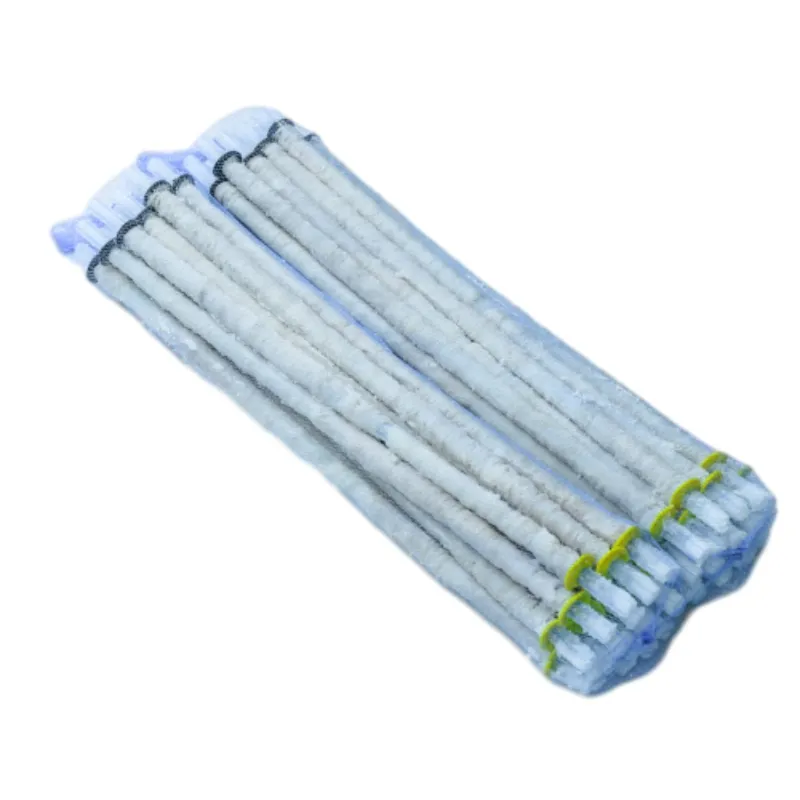
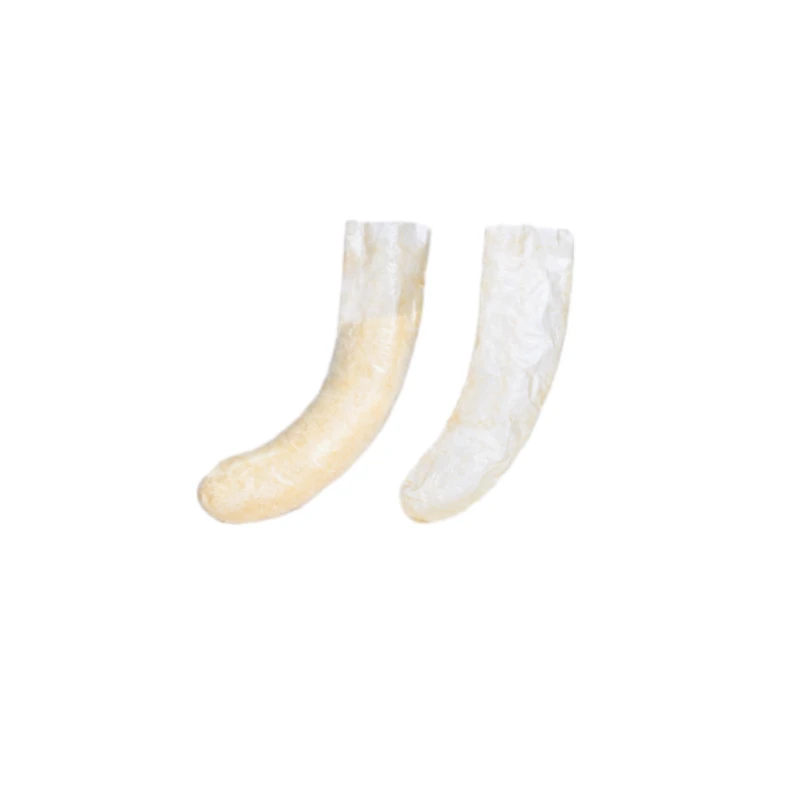
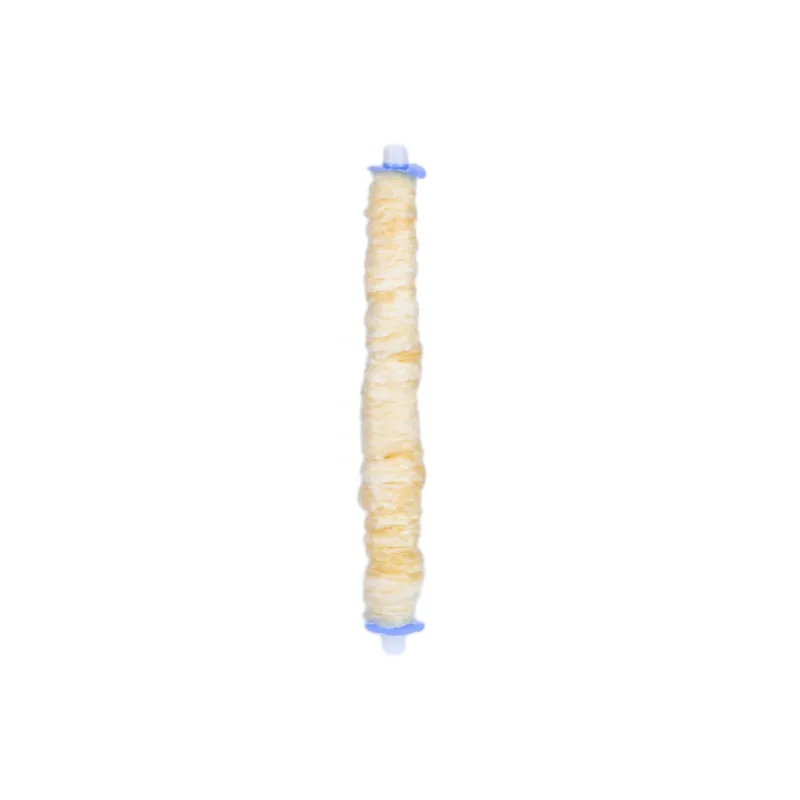
At their core, natural sheep casings companies specialize in harvesting, cleaning, grading, and selling sheep intestines that serve as casings for sausages and various meat products. These casings are prized for their thinness and elasticity, delivering a unique bite and flavor profile impossible to duplicate synthetically.
They operate at the interface of agriculture, food science, and global commerce. While they might not be household names, their products reach tables worldwide—from fine charcuterie shops to large-scale meat producers.
Interestingly, their work carries subtle social dimensions, supporting small-scale sheep farmers and preserving artisanal food cultures. So, these companies aren’t just suppliers; they carry a small legacy of tradition forward.
Key Aspects and Strengths of Natural Sheep Casings Companies
1. Quality & Purity Control
Because natural casings are animal intestines, raw materials vary by breed, diet, and region. Reliable companies maintain stringent purification and grading processes ensuring uniformity in diameter, texture, and cleanliness.
2. Sustainable Sourcing Practices
Many companies emphasize ethical harvesting aligned with animal welfare and environmental sustainability standards. This often means traceability from the farm to the factory, reducing waste and reinforcing eco-friendly claims.
3. Scalability and Flexibility
Despite being niche, some companies have adapted to large-scale production thanks to modern machinery that cleans and prepares casings efficiently — even accommodating custom orders for different diameters or shelf-life requirements.
4. Global Supply Chain Integration
These companies frequently navigate complex logistics—especially warm-chain transportation given the perishable nature of natural casings. Export regulations and quality certifications also shape their operational practices.
5. Cost Efficiency Compared to Alternatives
While synthetic casings may be cheaper, many chefs and consumers prefer natural sheep casings for their textural and culinary qualities, keeping demand steady despite price fluctuations.
Mini takeaway: Natural sheep casings companies blend artisanal craft with industrial agility, meeting tight standards while respecting traditional sourcing.
Global Applications & Real-World Use Cases
- Europe: Home to charcuterie traditions—France, Spain, and Germany rely heavily on natural sheep casings for specialty sausages like merguez and chorizo.
- Asia: Countries such as China and Vietnam increasingly import casings to keep pace with rapid growth in processed meats.
- Middle East: Halal-certified casing suppliers help meet religious and cultural requirements for meat products.
- Disaster Relief & Remote Food Supplies: Oddly enough, organizations sometimes prefer natural casings due to their biodegradability and packaging convenience in humanitarian contexts.
Each region’s demand nuances shape how natural sheep casings companies operate — tailoring products accordingly.
Advantages & Lasting Benefits of Choosing Natural Sheep Casings
Natural sheep casings offer unmatched culinary characteristics: better bite, flavor infusion, and superior cooking performance. But the benefits extend beyond the plate. Environmental advantages include biodegradability and reduced plastic use, fitting modern sustainability trends.
On a social level, supporting these suppliers preserves rural livelihoods and traditional food crafts. There's also a trust factor—consumers increasingly scan labels and appreciate “natural” ingredients. I’d argue this trend will only accelerate with the health-conscious generation taking center stage.
Product Specifications at a Glance
| Specification | Typical Range | Notes |
|---|---|---|
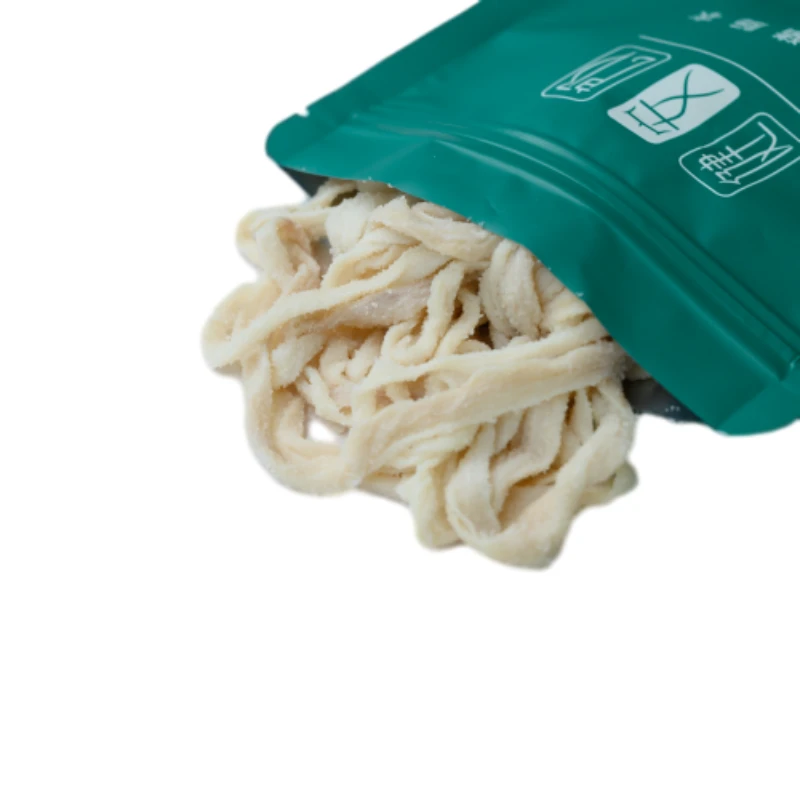
| Material | Sheep Small Intestine | Cleaned, salted, semi-dried |
| Diameter | 16-22 mm | Custom diameters available |
| Length per bundle | 50 to 90 meters | Folded or single strand |
| Packaging | Vacuum packed | Cold chain maintained |
| Shelf life | Up to 12 months (salted) | Refrigerated storage advised |
Comparing Leading Natural Sheep Casings Companies
| Vendor | Origin | Sustainability | Range of Diameters (mm) | Global Reach | Typical Lead Time |
|---|---|---|---|---|---|
| CasingsGlobal Ltd. | UK | Certified Organic, Fair Trade | 16-20 | Europe, Asia, Americas | 2-4 weeks |
| Sheep Casings International | Turkey | Eco-friendly sourcing | 18-22 | Middle East, Europe | 3-5 weeks |
| RT Casings Co. | USA | Sustainable farm partnerships | 16-21 | North America, Asia | 1-3 weeks |
Looking Ahead: Innovations and Trends in the Industry
Oddly enough, a centuries-old product like natural sheep casings is experiencing subtle yet impactful innovation waves. Automation in cleaning and grading processes is enhancing consistency without losing artisanal quality. Some companies now use blockchain to offer full traceability from farm to sausage, appealing to eco-conscious consumers.
Environmentally, there’s a growing push toward zero-waste processing—byproducts once discarded are finding use in fertilizers or animal feed. Policy changes favoring animal welfare also reshape sourcing methods globally. And with the global meat alternative boom, a curious question emerges: will demand for natural casings ever taper off? For now, tradition remains strong.
Challenges and Emerging Solutions
One challenge natural sheep casings companies constantly juggle is raw material variability. Weather, feed, and sheep breeds all contribute to inconsistent quality. To counter this, many firms invest in quality labs and advanced sorting tech to maintain premium standards.
Another hurdle is logistics. Because casings are perishable, cold-chain management across continents is tricky and costly. Some innovators are exploring freeze-drying techniques and improved packaging to extend shelf life safely.
Lastly, competition from synthetic casings pressures prices, but many customers still value natural qualities markedly. So companies often differentiate via sustainability certifications or customer partnerships.
FAQ: Common Queries About Natural Sheep Casings Companies
- What are the main benefits of natural sheep casings over synthetic alternatives?
- Natural casings provide unmatched texture, flavor infusion, and a traditional "snap" that synthetic versions can’t replicate. They are also biodegradable and preferred by many consumers seeking natural, non-GMO solutions.
- How long do natural sheep casings last under proper storage?
- When salted and refrigerated, natural sheep casings can last up to 12 months. Vacuum sealing and cold-chain logistics help maintain quality during transport.
- Can small-scale sausage makers buy directly from natural sheep casings companies?
- Yes, many suppliers offer flexible order sizes suited to artisanal producers and hobbyists. It's best to contact companies directly to discuss minimum orders and custom needs.
- Are natural sheep casings suitable for all types of sausages?
- They are best suited for smaller diameter sausages like merguez, breakfast links, and certain European-style sausages but might not be ideal for large-diameter sausages where hog or beef casings are preferred.
- How is sustainability ensured in sourcing natural casings?
- Reputable companies partner with responsible farms, follow animal welfare standards, and implement waste reduction programs. Certifications like Organic or Fair Trade can also guide buyers.
Wrapping Up: Why It’s Worth Knowing Your Casings
Natural sheep casings companies may be working behind the scenes, but their product literally shapes what ends up on your plate in many cultures. They embody a fascinating blend of agriculture, craftsmanship, and logistics — often overlooked but vital.
Supporting these firms means supporting sustainable food systems, rural economies, and culinary heritage all at once. Curious to explore more or find trusted suppliers? Check out the offerings of natural sheep casings companies with a global edge.
Mini takeaway: Though small and delicate, natural sheep casings carry a big story—one that reminder us that some traditions never really go out of style.