Dec . 02, 2025 20:44
What’s All the Fuss About a Dried Hog Casings Company?
If you’ve never heard of a dried hog casings company, that’s perfectly understandable. It sounds niche—maybe even a little strange. But here’s the thing: these companies underpin a massive global industry tied to food production, sustainability, and a surprising amount of tradition. Knowing what they do and why matters turns out to be pretty insightful, whether you’re an industrial buyer, a sausage maker, or just curious about how everyday meat products come together.
Globally, natural casings—especially dried hog casings—are prized for their strength, elasticity, and edible quality. From artisan butchers in Europe to large scale meat processors in Asia, these casings maintain sausage shape, texture, and flavor in a way synthetic alternatives rarely match. Plus, they’re biodegradable and come from a renewable resource. This means understanding dried hog casings companies gives you a better grasp on sustainable food solutions and global meat supply chains alike.
The Global Context: Why the Dried Hog Casings Industry Matters
We tend to think of food supply chains as a neat, straightforward thing, but the reality is vast and complex. According to the Food and Agriculture Organization (FAO), global meat consumption has been rising steadily—projected to hit nearly 366 million tonnes by 2030. Much of this demand is met by processed meats, like sausages, which often require natural casings.
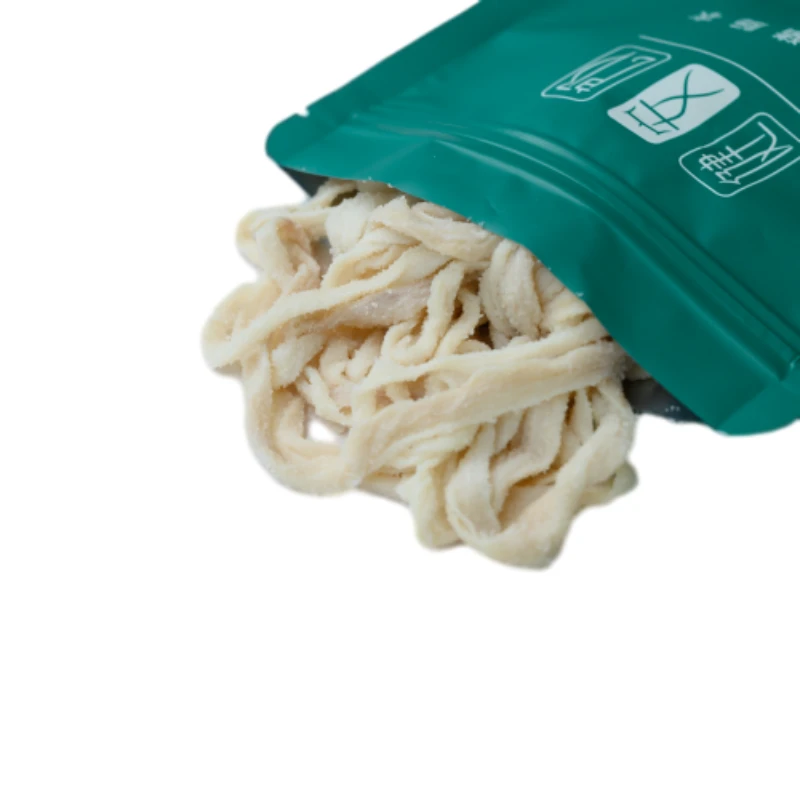
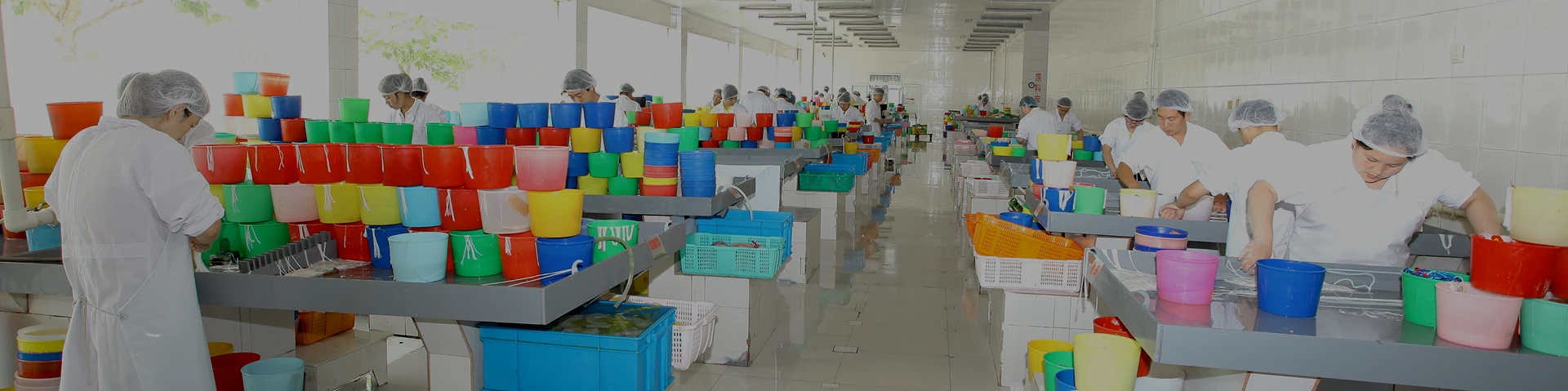
That’s where dried hog casings companies come in. They process, clean, salt, dry, and package hog intestines to create these highly sought-after casings. Since hog production is widespread but unevenly distributed, trade is essential. From Europe (which leads in casing technology) to China and the Americas, these companies help keep the sausage industry running worldwide.
However, challenges persist: supply chain disruptions, animal diseases like African Swine Fever, or fluctuating demand can shake availability. Enter the companies specializing in dried hog casings—the unsung heroes balancing quality, supply, and regulatory standards.
Defining a Dried Hog Casings Company
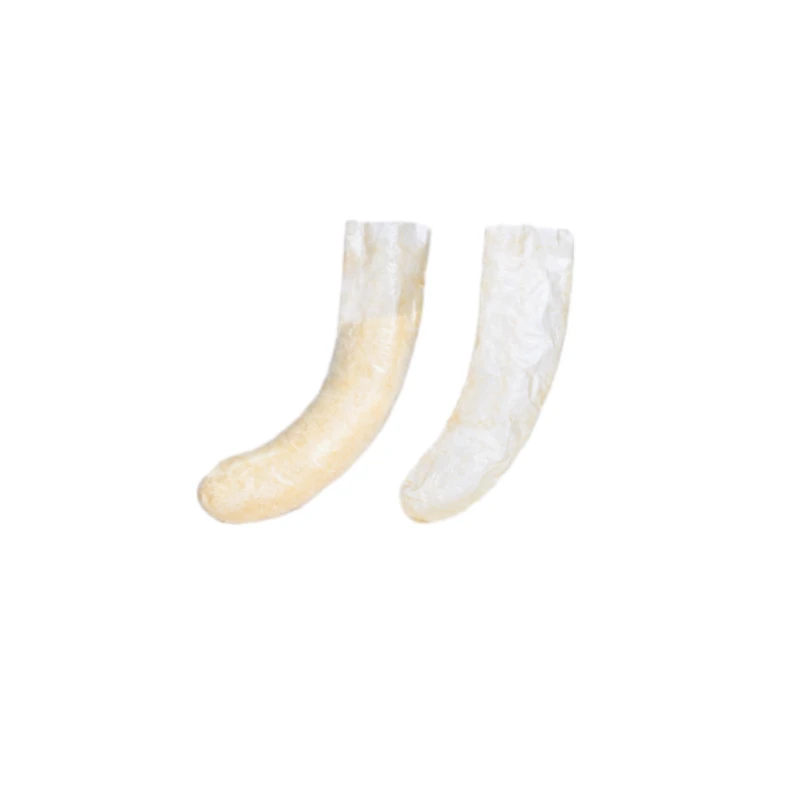
At its core, a dried hog casings company is a specialized business that collects hog intestines, sanitizes them thoroughly, and dries them to create a shelf-stable product used primarily in sausage making. It sounds simple, but the process involves precision cleaning, curing, and drying that ensures the casing is durable yet edible, flexible but consistent.
Think of them as the middlemen between farms that raise hogs and sausage manufacturers who craft everything from kielbasas to bratwursts. In modern food production, there’s an emphasis on safety, traceability, and sustainability, all of which these companies manage carefully. Oddly enough, in humanitarian aid and military rations, the reliability of dried casings (and the sausage they protect) can even contribute to nutrition stability, showing the broader scope.
Core Components That Make Dried Hog Casings Essential
1. Quality & Durability
The biggest selling point is how well dried hog casings hold up. They’re strong enough to handle mechanical sausage stuffing but thin enough to retain the signature snap when cooked. Many engineers and chefs say it’s this delicate balance that synthetic casings struggle to replicate.
2. Scalability of Supply
A reliable dried hog casings company scales its operations by sourcing from multiple suppliers, applying consistent processing standards, and meeting volume demands ranging from artisanal runs to industrial quantities.
3. Cost Efficiency
While synthetic casings sometimes undercut prices, natural dried hog casings wield value in their natural appeal and performance. Proper preservation and drying reduce transport losses and extend shelf life significantly.
4. Food Safety Compliance
Because these casings come from animal intestines, companies follow strict hygiene and safety protocols adhering to ISO and HACCP standards (particularly ISO 22000). This ensures every batch is safe for consumption.
5. Sustainability and Biodegradability
Natural casings biodegrade without toxic residues, easing environmental impact. As the industry leans more toward sustainable practices, this aspect becomes a key selling point—sort of like nature’s own packaging.
Mini Takeaway:
At the heart, dried hog casings companies combine traditional artisanal methods with modern food safety and environmental awareness to deliver a product critical for sausage production worldwide.
Specifications Table: Typical Features of Dried Hog Casings
| Feature | Description |
|---|---|
| Diameter Range | 16mm to 28mm (most common sizes) |
| Length per Bundle | 50 to 100 meters |
| Moisture Content | Typical around 16–20% after drying |
| Processing Time | 24-48 hours for thorough drying and curing |
| Shelf Life | Up to 2 years when stored properly |
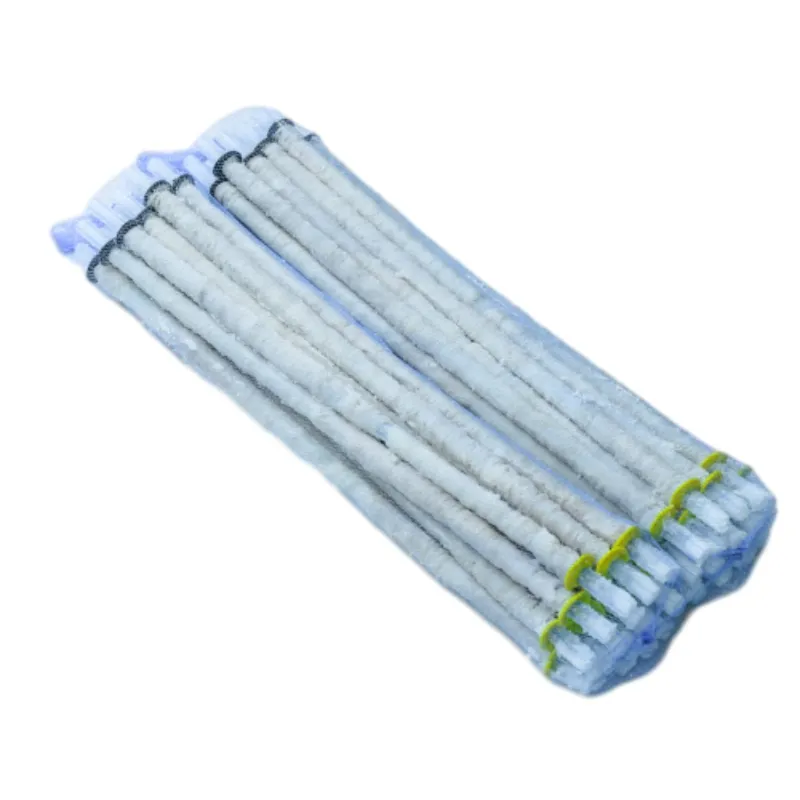
| Packaging | Salted bundles vacuum-sealed or in breathable paper |
Where in the World Are Dried Hog Casings Used Most?
Regions with strong pork industries—like Europe, China, the US, and South America—are home to the majority of dried hog casings companies, but the demand spans worldwide. Interestingly, countries without large-scale pig farming also depend heavily on imports, ensuring a global footprint.
In the food processing industry, manufacturers use these casings for everything from classic European bratwursts to spicy Asian sausages. But beyond the dinner table, some NGOs source dried hog casings for field kitchens in remote locations, valuing their durability and safety.
For example, in parts of Eastern Europe, dried hog casings represent a tradition as well—a culinary heritage passed down through generations. This market dynamic means companies have both industrial and cultural responsibilities.
Mini Takeaway:
Dried hog casings companies operate at an intriguing intersection of food culture, global trade, and practical industrial use.
Comparing Key Dried Hog Casings Vendors
| Company | Origin | Annual Capacity | Specialty | Certifications |
|---|---|---|---|---|
| RTCasing | China | 5,000 tons | High-quality dried hog casings with sustainable sourcing | ISO 22000, HACCP |
| EuroCasings | Poland | 3,200 tons | Traditional curing methods with organic options | EU Organic, ISO 22000 |
| USA Natural Casings | USA | 4,000 tons | Advanced hygiene protocols and custom casing sizes | FDA, ISO 22000 |
Why Choosing the Right Dried Hog Casings Company Makes a Difference
Reliable dried hog casings companies aren’t just about having raw materials on time. They deliver consistency in thickness, elasticity, and safety. For producers, this means fewer production issues and a better final product—something your customers will notice.
Emotionally speaking, using natural casings also connects consumers with authenticity. There’s an unspoken trust in products encased in something natural, biodegradable, and time-honored. For many, that’s a big deal, especially in a world inundated with synthetic food packaging.
Bright Ideas: Future Trends in the Dried Hog Casings Industry
In real terms, it feels like the industry is at a crossroads where tradition meets technology. A few trends to watch:
- Automation: More automated cleaning and processing lines improve throughput and reduce contamination risks.
- Sustainability: Enhanced wastewater treatment and reduced chemical use in processing.
- Quality Tracking: Blockchain and digital traceability may soon provide transparency from farm to factory.
- Alternative Sources: Experimentation with other animal casings or blends to diversify supply.
It’s sort of comforting that while the outside tech changes, the end product—the humble dried hog casing—will remain familiar for many years to come.
Challenges Facing the Industry & How Experts Tackle Them
No industry is perfect. For dried hog casings companies, supply disruption remains a thorny problem. Swine diseases and export regulations can ripple through availability and price.
Experts advocate for diversified sourcing and stronger relationships along the supply chain. New preservation techniques also help extend shelf life, reducing spoilage losses. And, naturally, rigorous quality control is non-negotiable.
Frequently Asked Questions About Dried Hog Casings Companies
Q1: How do dried hog casings compare to synthetic casings?
A: Natural dried hog casings offer superior texture and “snap” when bitten, plus they’re fully edible and biodegradable. Synthetics sometimes win on cost or uniformity but often miss the flavor and feel many consumers expect.
Q2: Can dried hog casings be stored for long periods?
A: Yes! When properly salted, dried, and stored in cool, dry conditions away from contaminants, they can last up to two years without losing quality.
Q3: Are dried hog casings safe and hygienic?
A: Absolutely — companies adhere to strict hygiene and safety protocols, usually certified to ISO 22000 and HACCP standards, to ensure food safety at every step.
Q4: Can I order custom-sized casings for specialty products?
A: Many dried hog casings companies offer custom diameter selections and bundle lengths to fit specific production needs, which helps manufacturers better match their recipes.
Q5: How do these companies handle export regulations?
A: They stay updated on international food safety regulations and ensure proper documentation, allowing for smoother customs clearance and compliance.
Wrapping Up the Long-Term Value of Working With a Dried Hog Casings Company
In the end, these companies aren’t just suppliers — they’re custodians of something unique. They blend sustainable resource use with artisan techniques and modern food safety standards. For manufacturers or consumers interested in authentic food experiences, choosing the right dried hog casings company can profoundly impact product quality and trust.
If you’re seeking top-quality dried hog casings backed by safety and sustainability, I’d recommend checking out a reputable provider like dried hog casings company who focuses on meeting modern industry demands.