Dec . 02, 2025 17:56
The Growing Importance of Small Sausage Casings in Today's Global Market
If you’ve ever savored a juicy, perfectly textured sausage, chances are small sausage casings quietly played a starring role. Beyond just wrapping meat, these casings are vital ingredients in an industry that touches everything from local delis to massive food manufacturers worldwide. Understanding small sausage casings is more than a niche curiosity; it’s about grasping a key component holding together a multi-billion-dollar market critical to global food supply chains.
Why does it matter? Well, the world consumes approximately 120 billion sausages annually (just imagine that many lunchboxes or barbecues!), and without reliable, sustainable casings, the sausage production process could falter. Plus, casings influence texture, flavor release, and cooking behavior—factors that keep consumers coming back for more.
In short: small sausage casings aren’t just packaging; they’re an integral part of food science, supply security, and cultural tradition.
Why Small Sausage Casings Are a Global Food Industry Staple
Digging a little deeper, the significance of small sausage casings ramps up when you look at global production and consumption trends. According to the Food and Agriculture Organization (FAO), meat consumption is expected to rise by nearly 14% globally by 2030—especially in developing regions.
This means demand for diverse types of sausages, hence casings, is expanding. Small sausage casings, in particular, cater to products like breakfast links, snack-sized sausages, and specialty items that require precise dimensions. They fill a niche where careful sizing and consistency are critical—for both manual and automated production lines.
Yet there’s a challenge: sourcing high-quality, resilient casings that balance tradition and innovation while addressing sustainability concerns. Environmental impacts, regulatory pressures, and supply chain disruptions have all put the spotlight on finding better materials and methods.
So, in real terms, small sausage casings are at a crossroads between food culture and cutting-edge industrial demands—and firms that master this edge win market share in a crowded landscape.
Defining Small Sausage Casings Simplified
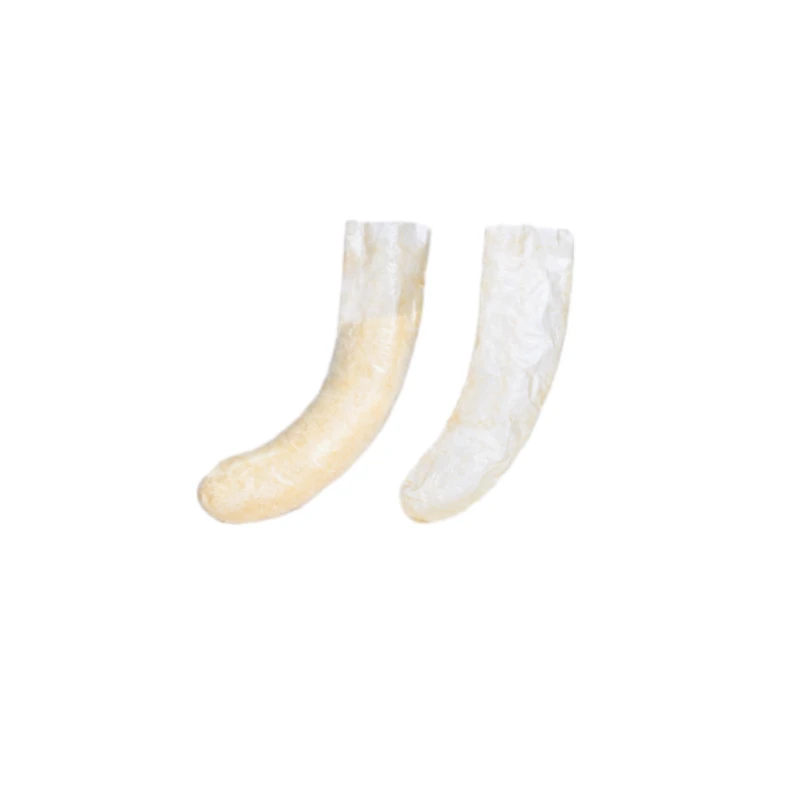
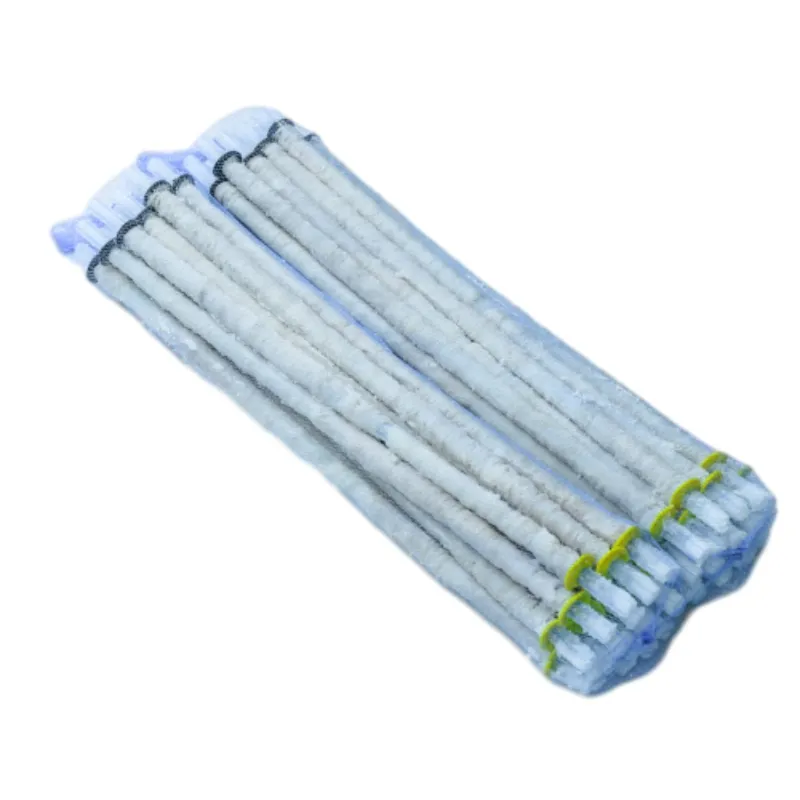
At their core, small sausage casings are thin tubes—usually ranging from 16mm to 32mm in diameter—that encase ground meat mixtures. They serve as the “skin” that holds everything together, enabling uniform shapes and sizes.
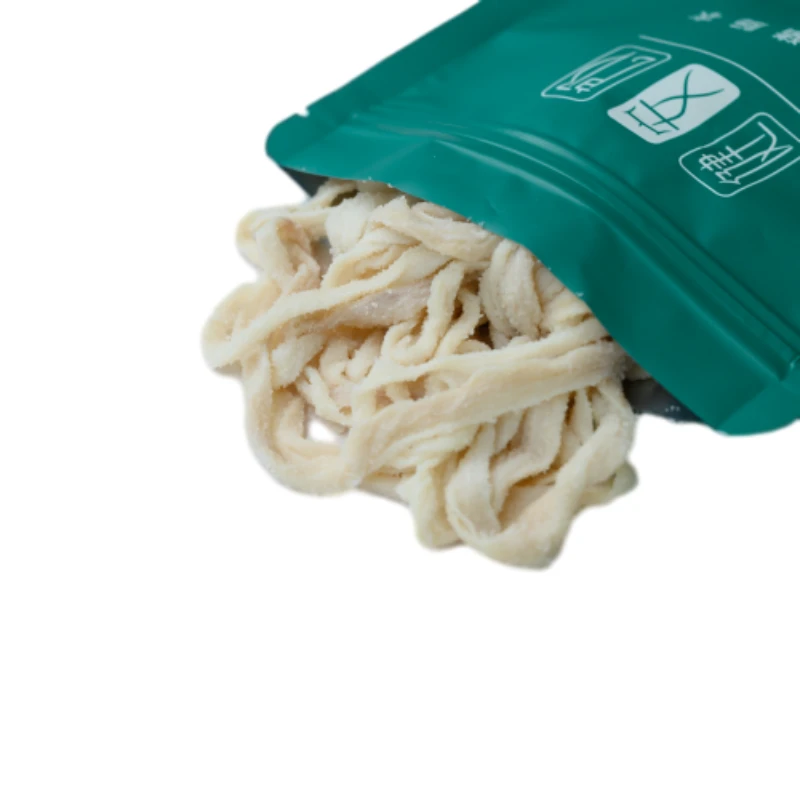
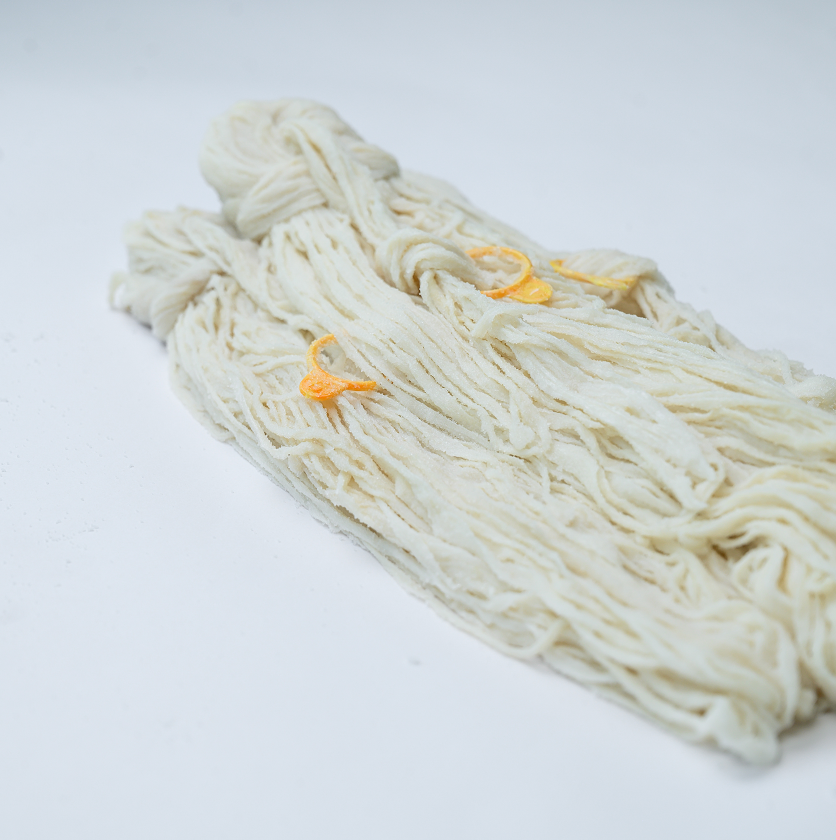
Traditionally, casings were made from natural sources, mostly hog and sheep intestines, prized for their breathability and texture. Nowadays, technology has introduced collagen and cellulose alternatives, which can be more consistent and scalable for industrial use.
In humanitarian and industrial settings, small sausage casings help preserve food longer and ensure safe transport, which ties directly into broader goals around food security and reducing waste. Oddly enough, this humble product connects traditional food craftsmanship to modern logistical challenges.
Mini Takeaway:
- Small sausage casings = thin tubes (16-32mm) used to shape and protect sausages.
- They can be natural (intestines) or synthetic (collagen, cellulose).
- Crucial for product consistency, safety, and shelf life.
Key Qualities That Make Small Sausage Casings Indispensable
1. Durability: Holding Meat Together Under Pressure
Durability is paramount. Casings must resist tearing while retaining flexibility to withstand stuffing machines that can push thousands of sausages a minute. Many engineers say natural casings offer a superior bite and “snap” when cooked, but collagen casings win when uniformity and ease of use matter most.
2. Scalability: From Artisanal Shops to Industrial Giants
Small sausage casings must adapt across scale. Artisanal producers prize natural casings for tradition and flavor, whereas large manufacturers require synthetic ones for rapid, automated production—collagen casings especially shine here because they can be produced consistently in large batches.
3. Cost Efficiency: Balancing Budget with Quality
Cost is often a balancing act. Natural casings tend to be pricier and less predictable in supply, while collagen is cheaper and consistent, though sometimes lacking the ‘authentic’ mouthfeel. Therefore, producers choose based on brand identity and customer expectations.
4. Compatibility with Processing Techniques
Casings must suit various cooking and smoking methods. Natural casings breathe better, allowing smoke to penetrate well, which is essential for certain recipes. Collagen casings may require specific adjustments in smoking to avoid cracking but allow for thicker sausages and faster cooking.
5. Sustainability: Meeting Modern Environmental Standards
With increasing pressure to reduce waste and carbon footprints, sustainable sourcing and biodegradable casings become highly attractive. Some producers now experiment with plant-based casings; while still niche, they hint at a greener future.
Mini Takeaway:
- Durability ensures casings don’t fail during stuffing or cooking.
- Scalability and cost efficiency determine if casings fit small vs. industrial makers.
- Sustainability is a burgeoning factor shaping product innovation.
Worldwide Applications and Real-Life Use Cases
Small sausage casings are everywhere. In Europe, longstanding craft traditions lean heavily on natural casings for sausages like bratwurst and chorizo. Meanwhile, in North America, collagen casings dominate commercial production of breakfast links and snack sticks.
In developing countries, NGOs supplying protein sources for post-disaster relief now rely on durable, portable sausage products often made with collagen casings to extend shelf life and ease transportation to remote areas. These casings enable delivering nutrition where refrigeration is limited.
Even military rations leverage small sausage casings for compact, reliable protein, highlighting their robust practicality.
| Type | Diameter (mm) | Material | Shelf Life | Typical Use |
|---|---|---|---|---|
| Natural | 18-28 | Sheep/Pork Intestine | 4-6 weeks refrigerated | Traditional specialty sausages |
| Collagen | 16-32 | Bovine Collagen | 12 months vacuum-sealed | Industrial mass production |
| Cellulose | 18-30 | Plant-derived fibers | 6 months refrigerated | Skinless sausage alternatives |
Mini Takeaway:
- Different types suit traditional artisans vs. mass producers differently.
- Casings support everything from backyard barbecues to disaster nutrition programs.
Why Investing in Quality Small Sausage Casings Pays Off
Buying premium small sausage casings isn’t just about the immediate product; it’s an investment in brand trust, consumer safety, and operational reliability.
From a cost perspective, choosing casings that reduce breakage means lower waste and fewer production delays. From a sustainability viewpoint, using responsibly sourced natural casings or biodegradable options signals environmental stewardship—building consumer loyalty in a savvy market.
Emotionally, casings enable makers to connect consumers with authentic flavor and texture that define their recipes—whether that’s Grandma’s recipe or a cutting-edge snack.
Looking Ahead: Innovations Shaping the Future of Small Sausage Casings
The next decade promises some fascinating shifts. Bioengineered casings that can biodegrade fully without environmental residues are already in testing phases. Advances in digital manufacturing allow casings with embedded sensors to monitor freshness or cooking temperature—oddly exciting, if you’re a food tech fan.
Automation continues to grow, demanding casings that can perform perfectly at speeds that seemed sci-fi ten years ago. Even policies encouraging local sourcing and cleaner production methods influence which casing types gain traction.
Challenges That Producers Face—and How They Solve Them
Not all is rosy with small sausage casings. Natural casings can vary greatly in quality depending on animal diet, season, and processing methods. Collagen casings sometimes struggle with texture authenticity, and cellulose casings often lack “bite.”
Supply chain hiccups, especially in pandemic-restricted times, have also led to shortages. Many producers are responding by diversifying suppliers and investing in quality control labs and staff training to ensure consistency.
Vendor Comparison Table: Natural vs. Collagen vs. Cellulose Casings
| Attribute | Natural Casings | Collagen Casings | Cellulose Casings |
|---|---|---|---|
| Texture Authenticity | High | Medium | Low |
| Production Scalability | Low | High | Medium |
| Cost | High | Low | Medium |
| Shelf Life | Short | Long | Medium |
| Environmental Impact | Moderate | Low | Low/Medium |
Frequently Asked Questions About Small Sausage Casings
- What’s the main difference between natural and collagen sausage casings?
- Natural casings are made from animal intestines and offer an authentic texture and ‘snap’ when cooked, favored by traditionalists. Collagen casings are made from processed bovine collagen, providing consistent size and easier handling for large-scale production.
- Can small sausage casings be vacuum sealed for longer shelf life?
- Absolutely. Collagen casings especially maintain integrity well under vacuum-sealed, refrigerated conditions for up to a year, which suits mass distribution channels. Natural casings have shorter shelf lives and require refrigerated storage.
- Are there eco-friendly alternatives to traditional casings?
- Yes, cellulose casings (plant fiber derived) offer a biodegradable option. Some startups are developing fully plant-based casings that break down without microplastic residues, aligning with growing sustainability goals.
- How do I choose the right casing type for my sausage product?
- Consider your production scale, desired texture, cooking methods, and budget. For artisanal quality, natural is best; for large volumes and cost efficiency, collagen is preferred. If eco-friendliness is a priority, cellulose or emerging alternatives are worth exploring.
- Where can I find reliable suppliers of small sausage casings?
- Industry trade shows and specialized distributors provide good options. For example, check small sausage casings suppliers who offer customization and quality assurance tailored to your needs.
Wrapping It Up: Why Small Sausage Casings Matter More Than You Think
So, next time you tuck into a perfectly stuffed sausage, remember the small sausage casing doing a big job to make it happen. Their role blends heritage, innovation, and logistical savvy—factors shaping the global food industry quietly but decisively. Whether you’re a producer, retailer, or just an enthusiast, investing thought into casings is an investment in quality, sustainability, and future-proofing your operation.
If you want to dive deeper or explore your casing options, don’t hesitate to visit our website: small sausage casings.