Dec . 02, 2025 17:48
The Essential Role of a Sausage Casing Size Chart in Modern Food Production
When you think sausage, what comes to mind? The flavor, the juicy bite, maybe the festive backyard BBQ? But behind that simple moment of enjoying a sausage is a surprisingly intricate piece of the puzzle: the sausage casing size chart. It’s more than just numbers on paper — it holds the key to quality, efficiency, and sustainability in the global meat industry.
Understanding this chart is essential for producers large and small, from family farms to multinational food companies, and even to humanitarian efforts where ready-to-eat nutrition counts. The right casing size ensures optimal product yield, consistency, and consumer satisfaction, not to mention regulatory compliance across borders.
The Global Context: Why Sausage Casing Sizes Matter Worldwide
The global meat processing industry is huge — worth hundreds of billions—and it keeps growing. According to the Food and Agriculture Organization (FAO), global meat production reached over 340 million tonnes in recent years. Sausage products represent a significant segment of processed meats. As international markets become more interconnected and diverse, having clear, universally understood standards like sausage casing size charts helps manufacturers meet both market demand and strict regulations.
One of the biggest practical challenges is scalability. Producers need casing sizes that can fit various recipes, equipment, and consumer preferences without causing waste or quality issues. This is where a well-structured size chart saves time and resources, allowing quick choices instead of guesswork. Oddly enough, a simple chart can cut down production errors, shipment issues, and even recalls.
What Exactly Is a Sausage Casing Size Chart?
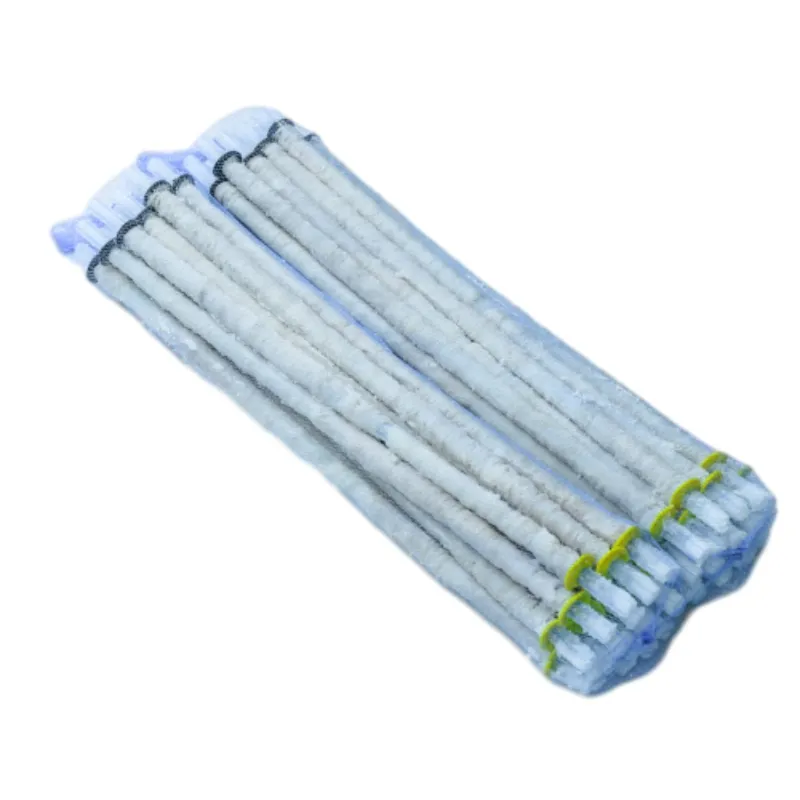
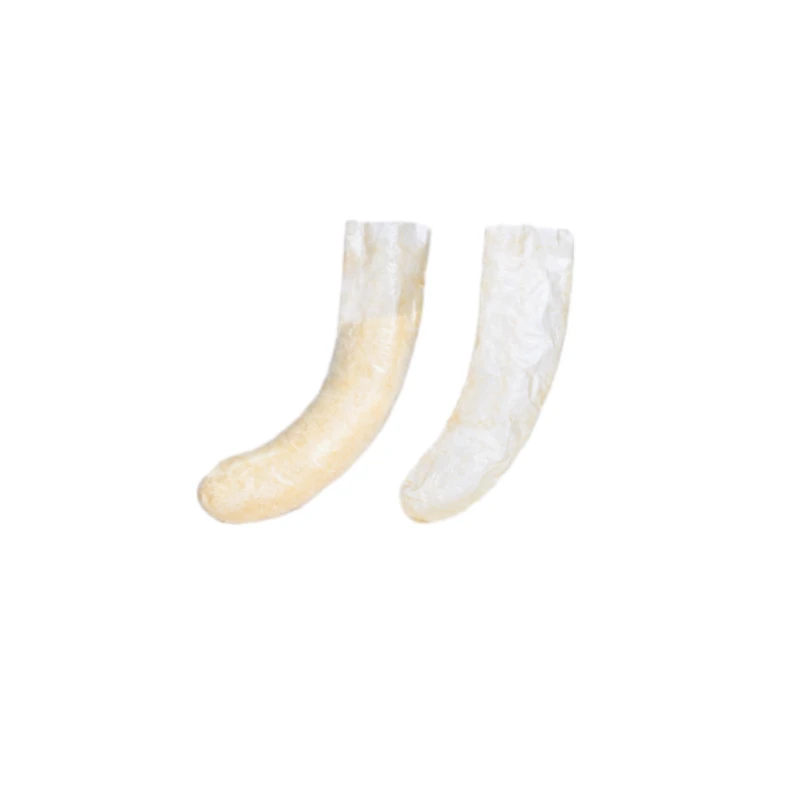
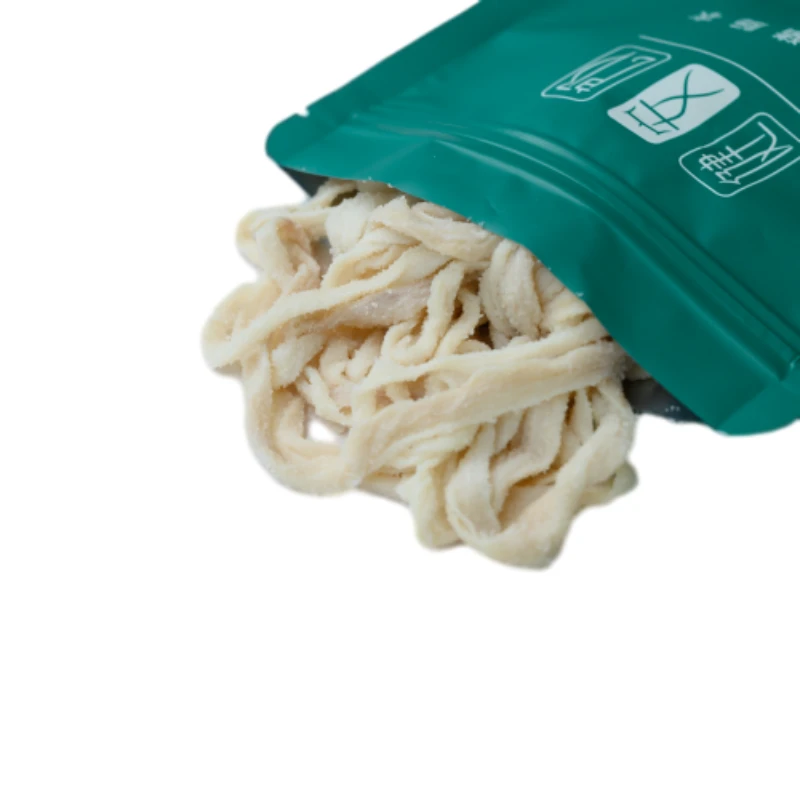
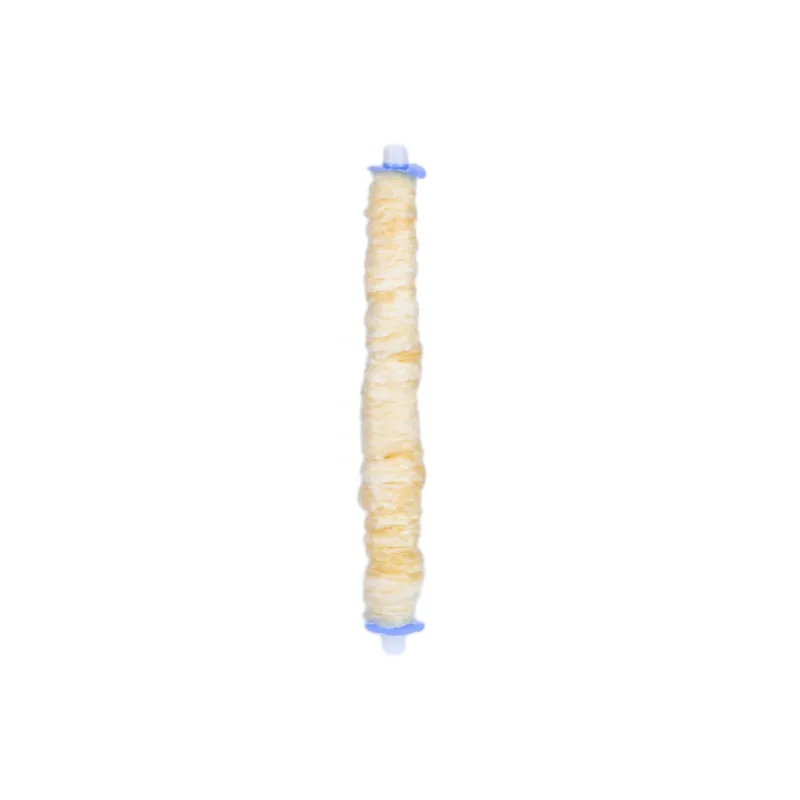
Put simply, a sausage casing size chart lists the available diameters and lengths of casings — the edible or non-edible tubes used to encase ground meat mixtures and other ingredients to make sausages. These casings can be natural (usually animal intestines), collagen-based, cellulose, or even synthetic polymers.
The chart guides manufacturers and butchers in selecting the right size for their product type — whether it's a tiny snack stick or a giant bratwurst. For example, the diameter affects cooking times, texture, and final appearance, so it’s not arbitrary. In humanitarian contexts, such as field ration packs for disaster zones, choosing the correct casing size ensures food safety and portability.
Core Components Any Good Sausage Casing Size Chart Should Include
1. Diameter & Circumference
The primary dimension. Diameters typically range from about 15mm for snack sticks to over 60mm for large sausages. This directly influences the filling volume and cooking parameters.
2. Length & Packaging
Casings come in lengths that affect production flow. Some are in collagen sheets, others in long strands, so the chart usually notes packing details to avoid mix-ups.
3. Material Type
Size charts often specify whether the casing is natural, collagen, cellulose, or synthetic. This matters for smoke absorption, texture, and regulatory acceptance in different markets.
4. Strength & Elasticity
A lesser-known but vital spec. The chart sometimes integrates data on tensile strength which affects machine processing speeds and breakage rates.
5. Usage Recommendations
Some advanced charts indicate ideal sausage types or recipes aligned with each casing size, aiding quality control and marketing strategies.
Real-World Applications: Where and How Sausage Casing Sizes Make a Difference
- Industrial Meat Processing: In large plants, precise casing sizes prevent costly machinery jams and ensure uniform product packaging.
- Artisanal & Local Butchers: Small producers rely on these charts to experiment with new styles while keeping consistency for loyal customers.
- Humanitarian Food Supply: Disasters create challenges like shelf-life and portion control. Selecting optimal casing sizes helps efficiently package ready-to-eat sausages for relief efforts.
- Export & Trade: Different countries have favored sausage dimensions and casing preferences, so size charts help exporters comply with varied market regulations.
- Innovation in Food Tech: Emerging products like plant-based sausages require casing choices that differ from traditional ones, prompting new charts specialized for these items.
Product Specification Table: Typical Sausage Casing Sizes and Features
| Casing Type | Diameter (mm) | Typical Length (m) | Material | Use Case |
|---|---|---|---|---|
| Natural Hog | 20–30 | 5–10 | Natural Intestine | Bratwurst, breakfast sausages |
| Collagen Fibrous | 30–60 | 20–50 | Collagen | Cooked, smoked sausages |
| Cellulose | 25–45 | 40–80 | Plant-based | Skin for hot dogs |
| Synthetic Fibers | 50–70 | 10–30 | Polyamide/Polyester | Large cooked sausages, salami |
Comparing Leading Sausage Casing Vendors: What to Look For
| Vendor | Material Range | Size Variety | Sustainability Efforts | Global Reach |
|---|---|---|---|---|
| Natural Casings Co. | Natural only | Wide (15-40mm) | Minimal | Regional (Europe, Asia) |
| CollaTech Industries | Collagen & Synthetic | Broad (20-70mm) | Increasing Biodegradable |
Global |
| EcoSkin Solutions | Collagen & Cellulose | Moderate (25-50mm) | Strong focus on sustainability |
Europe & Americas |
Why Should You Care About Sausage Casing Size Charts?
On the surface, casing sizes may seem a minor detail, but they have huge ripple effects. Cost efficiency comes from minimizing waste and optimizing packaging. Sustainability is increasingly important — some casings biodegrade, others create plastic-like waste. Consumers expect consistent texture and flavor, so production stability matters for brand trust.
Plus, thinking emotionally, who wants a brittle or bursting casing? Sausage integrity is linked to dignity in food quality, whether in a family meal or emergency ration pack. The innovation in casing technology and sizing shows how even traditional foods evolve to meet 21st-century standards.
The Future: Trends Shaping Sausage Casing Size Charts
Manufacturers are now experimenting with bio-based polymers for casings that biodegrade without compromising durability — the holy grail for a greener meat industry. Digital tech is creeping in, with scanners and software that match product recipe to ideal casing size instantly (smart sizing, if you will).
Automation in meat plants demands standardized sizes but also adaptive flexibility as product lines diversify (hello, plant-based “meats”). And of course, regulations evolve, so size charts must keep pace for compliance in emerging markets.
Common Roadblocks & How Experts Solve Them
- Issue: Variability in natural casing dimensions can cause processing headaches.
Solution: Pair natural with synthetic casings where consistency is critical. - Issue: Sizing confusion slows production launches or exports.
Solution: Use detailed, multi-parameter sausage casing size charts coupled with supplier training materials. - Issue: Consumer demand for plant-based sausages needs new casing sizes.
Solution: Innovation in cellulose and collagen blends customized by size charts specifically for texture and bite.
FAQ: Common Questions About Sausage Casing Size Chart
- What diameter casing is best for breakfast sausages?
- Typically, natural hog casings between 20-30mm diameter are preferred for breakfast sausages due to their ideal bite and cooking properties.
- Can sausage casing sizes differ by country?
- Yes, different markets have preferences and regulations, so exporters should consult localized sausage casing size charts to meet those demands.
- Are collagen casings suitable for plant-based sausages?
- Collagen casings are often used for plant-based sausages, but cellulose casings are also popular due to their neutral flavor and cooking traits. Size charts usually specify recommended material and diameter.
- How does casing size affect cooking time?
- Generally, larger diameter sausages take longer to cook through. Accurate casing size helps precise cooking to avoid under or overcooking.
- Where can I find a reliable sausage casing size chart?
- You can check trusted suppliers or industry sites like https://www.rtcasing.com which offer detailed charts tailored to different casing materials and uses.
Wrapping It Up: Why The Right Sausage Casing Size Chart Is A Game-Changer
Getting your sausage casing size right is like setting the stage for a flawless performance. It impacts production efficiency, product quality, and even environmental footprint. Whether you’re a craft butcher making local favorites or a global processor expanding into new markets, mastering the sausage casing size chart is a step toward smarter, sustainable, and tastier outcomes.
Curious to explore the detailed dimensions and tech specs? Visit https://www.rtcasing.com to dive deeper and get your next batch perfectly encased.