Dec . 01, 2025 18:20
Understanding Sausage Casings: What They’re Made Of and Why It Matters
When you bite into a sausage, you might not spend much time thinking about its casing. Yet, the material that encases meat has a surprisingly global footprint—affecting food quality, environmental impact, and even cultural food traditions across continents. Knowing what sausage casing made of can mean the difference between flavor, safety, and sustainability. Plus, with changing consumer preferences and new manufacturing breakthroughs, the story behind these thin coverings has never been richer or more relevant.
The Global Context of Sausage Casings
The global sausage market is booming, expected to exceed $90 billion by 2025 (source: Statista). Sausage casings are essential for product integrity and consumer trust. According to the International Organization for Standardization, casings should maintain strength, elasticity, and food safety standards worldwide. Yet, sourcing suitable materials poses challenges, especially as sustainability and animal welfare come under more scrutiny.
One significant complication is balancing traditional casing types—often animal-based—with emerging synthetic alternatives that claim environmental benefits. For regions like Europe and North America, regulations are becoming stricter, prompting manufacturers to rethink what sausage casing made of should actually mean in practice.
Mini takeaway: Sausage casing materials impact everything from market growth to regulations and environmental policies.
What Exactly Are Sausage Casings Made Of?
The term “sausage casing made of” usually refers to the type of material wrapping the sausage meat. These casings broadly fall into three main categories:
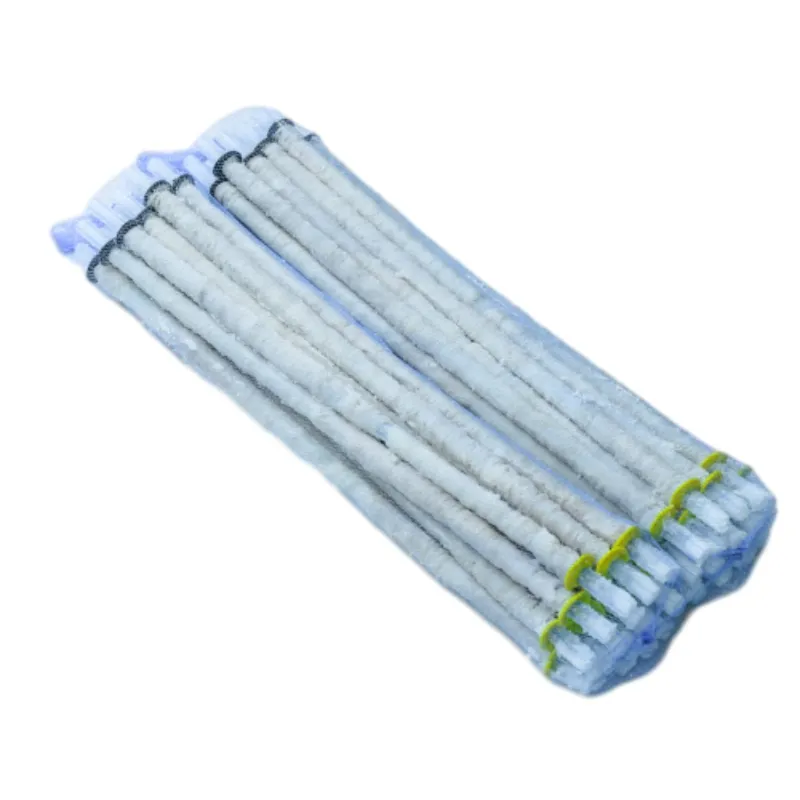
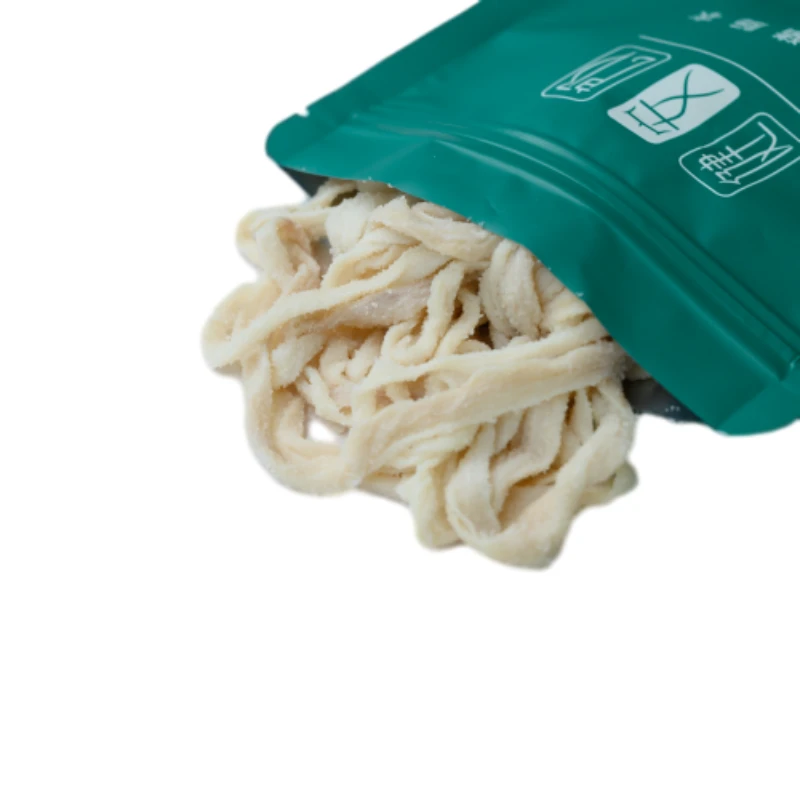
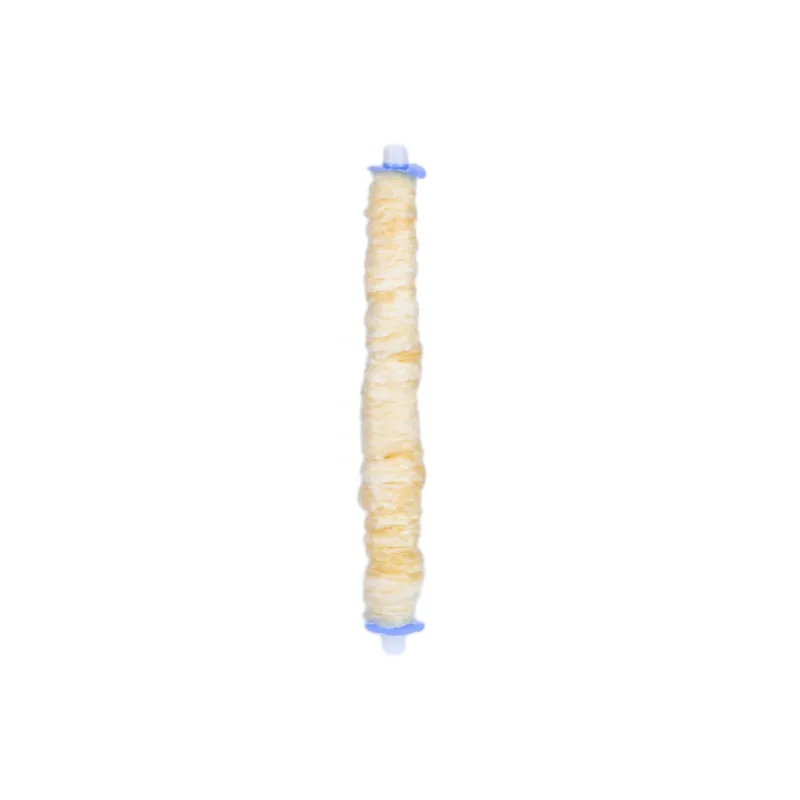
- Natural Casings: Mostly derived from the cleaned intestines of animals such as pigs, sheep, or cows.
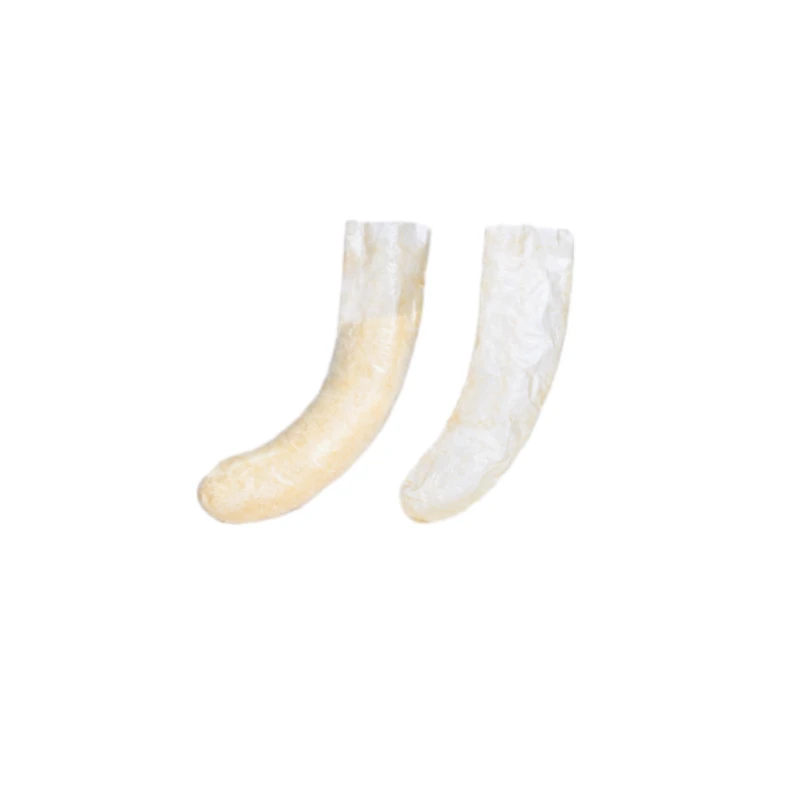
- Collagen Casings: Made from collagen extracted from animal hides and bones, formed into sheets or tubes.
- Synthetic Casings: Manufactured using materials like cellulose or plastics such as polyethylene or polyamide.
Natural casings often provide superior texture and permeability, prized in traditional sausage-making cultures in Germany, Italy, and Eastern Europe. Collagen brings uniformity and ease of use for high-volume industrial production, while synthetic types tend to focus on durability and specific functional properties like smoke penetration.
In humanitarian contexts—say, food relief in disaster zones—the choice of casing might be dictated by shelf life, packaging logistics, or local dietary laws, linking these materials directly to global food security also.
Mini takeaway: “Sausage casing made of” varies widely and ties deeply into cultural, industrial, and logistical factors.
Key Factors That Define Sausage Casings
Durability & Strength
Whether a sausage is fresh, cooked, or dry-aged, its casing must hold form without bursting prematurely. Natural casings provide elasticity, but collagen and synthetic options offer enhanced tensile strength for industrial processes.
Food Safety & Chemical Compatibility
Casing materials must be food-grade and avoid chemical leaching during cooking or storage. ISO and FDA have strict guidelines on what qualifies, especially as consumers demand “clean label” products free from artificial preservatives.
Permeability & Flavor Development
Natural casings are slightly porous, allowing smoke, spices, or air to interact with the meat — vital for artisan sausage profiles. Synthetic casings, generally non-permeable, are used for skinless sausages or where flavor penetration isn't desired.
Cost Efficiency and Scalability
Collagen and synthetic casings often come in standardized sizes and are easier to automate, reducing labor and loss. This scalability is crucial for large manufacturers pushing volume without compromising quality.
Sustainability & Ethical Concerns
Natural casings involve animal products, raising ethical questions and environmental impacts. Synthetic alternatives seek to address these but at some cost to biodegradability. The industry is watching innovations in plant-based casings with curiosity.
Customization & Appearance
From casing thickness to color and texture, manufacturers tailor products to match consumer demand. For example, thicker casings for grilling or dyed casings for brand identity.
Mini takeaway: The ideal casing balances physical, chemical, financial, and ethical factors.
Real-World Applications & Who Uses These Casings?
In Europe, traditional natural casings dominate artisan and high-quality sausage markets, while U.S. producers often use collagen casings for mass production. In Asia, synthetic cellulose casings are common for fast-food style sausages due to low cost and safety considerations.
Humanitarian food programs distribute millions of sausages in post-disaster zones, selecting casings for durability and shelf life, often shifting toward synthetic or collagen for logistical efficiency (see World Food Programme reports).
Specialty manufacturers might blend casings, e.g., natural casing sausages with a synthetic outer layer for extra protection during shipping to remote regions.
Mini takeaway: Usage patterns for sausage casing made of reflect local needs, traditions, and economic realities.
Advantages and Long-Term Value of Different Casings
- Natural Casings: Superior mouthfeel, cultural authenticity, and biodegradability.
- Collagen Casings: Consistency, convenience, and increased production speed.
- Synthetic Casings: Durability, modified permeability, and sometimes extended shelf life.
More broadly, the development of sausage casing materials contributes to food safety and reduces waste through better packaging integrity. Consumers feel safer trusting products with consistent texture, and companies trust casings that minimize recalls or defects.
Emotionally, many consumers appreciate natural casings as part of craft or tradition, while others choose synthetics out of health or ethical concerns — a product identity that the casing actually shapes.
Future Trends in Sausage Casings
Emerging innovations include:
- Plant-based and biodegradable casings: Using seaweed or cellulose blends to reduce animal product reliance.
- Smart packaging features: Casings embedded with sensors for freshness or temperature monitoring.
- Automation-friendly designs: Casings engineered for smoother integration with high-speed production lines.
- Regulatory shifts: New food safety standards pushing cleaner, “green” casing materials globally.
These trends — while still nascent — promise a future where sausage casing made of is no longer just a passive wrapper but an active component of preservation and consumer engagement.
Facing the Challenges Head-On
No casing type is perfect. Natural casings can be inconsistent and sometimes scarce; collagen varies in strength depending on source; synthetic casings may generate waste and face consumer skepticism.
Expert solutions include:
- Hybrid casings combining natural and synthetic layers for best of both worlds.
- Advanced treatments to improve natural casing uniformity and safety.
- Increased R&D into biodegradable synthetics that still perform well.
- Collaborations between suppliers and manufacturers to ensure sustainability audits and traceability.
Frankly, it seems like sausage casing innovators are on a steady path toward more responsible and smarter designs — a process that takes time but pays off.
Product Specification: Typical Sausage Casings Comparison
| Specification | Natural Casing | Collagen Casing | Synthetic Casing |
|---|---|---|---|
| Material Source | Animal intestines | Animal collagen | Cellulose or plastic |
| Strength | Medium (elastic) | High (uniform) | Very High (durable) |
| Permeability | Porous (smoke, air) | Low | None to low |
| Shelf Life | Short-medium | Medium | Long |
| Biodegradability | Yes | Yes (partially) | No (mostly plastic) |
| Cost | High | Moderate | Low |
Vendor Comparison: Leading Sausage Casing Suppliers
| Vendor | Specialty | Available Types | Global Reach | Sustainability |
|---|---|---|---|---|
| NaturalGut Casings Inc. | Premium natural casings | Sheep, hog, beef intestines | Europe, Asia, Americas | Sustainable sourcing |
| ProCollagen Solutions | Industrial collagen casings | Collagen tubes, sheets | Worldwide | Partial bio-based material use |
| SyntheSavor Ltd. | Synthetic and cellulose | Cellulose, plastic, composite | North America, Europe | R&D in biodegradable synthetics |
FAQ: Answers to Common Questions About Sausage Casing Made Of
Q1: What makes natural sausage casings different from synthetic ones?
A1: Natural casings come from animal intestines and offer unique elasticity, breathability, and mouthfeel favored in traditional sausages. Synthetic casings, by contrast, are made from plant-based cellulose or plastics, offering uniformity and extended shelf life but generally lacking the natural texture.
Q2: Are collagen casings suitable for all types of sausages?
A2: Collagen casings work well for cooked and smoked sausages due to their uniform diameter and strength. However, they may not provide the same flavor permeability as natural casings, making them less ideal for long-aged or heavily smoked varieties.
Q3: Is there a sustainable alternative to animal-based sausage casings?
A3: Yes, plant-based synthetic casings derived from cellulose or novel materials like seaweed are emerging as greener alternatives. Though still developing, they aim to reduce animal product use while maintaining functionality.
Q4: How do sausage casing materials affect food safety?
A4: The casing material influences the sausage’s interaction with the environment, such as oxygen exposure and moisture control. High-quality casings meeting ISO and FDA standards minimize contamination risk and preserve freshness.
Q5: Can sausage casings be customized for specific processing needs?
A5: Absolutely. Manufacturers can adjust casing thickness, diameter, permeability, and color to fit cooking methods, presentation, or machine compatibility.
Wrapping It Up: Why Knowing What Sausage Casings Are Made Of Matters
Ultimately, when considering “sausage casing made of,” you’re really diving into a complex mix of tradition, innovation, sustainability, and product performance. Whether you’re a small artisan or a multinational food producer, understanding these materials helps navigate evolving consumer demands and global market trends.
If you’re curious to explore specialized sausage casing made of options that suit your needs, visit our website to learn more about the latest products, trends, and innovations.
Until then, next time you enjoy a sausage, you might just catch yourself wondering about the fascinating wrap holding it all together.