Dec . 02, 2025 19:14
What Is a Salted Sheep Casing Factory and Why Does It Matter Globally?
If you’ve ever wondered about the journey from livestock to the sausages on your plate, then you’re already dabbling in the world of salted sheep casing factories. These specialized facilities process and preserve the intestines of sheep, turning them into natural sausage casings — essential for food industries worldwide. Beyond the culinary focus, salted sheep casings have an interesting global footprint, including uses in bundled food products, traditional markets, and even humanitarian relief efforts.
Understanding how these factories operate, their global impact, and the innovations driving them helps industries, governments, and consumers appreciate the craft behind seemingly simple products. Plus, it opens the door to smarter sourcing and more sustainable practices in a world that’s increasingly conscious about food origins and manufacturing chains.
Mini takeaway: Salted sheep casing factories are a critical link between agriculture and global food markets, worth knowing about for anyone interested in sustainable and traditional food production.
Global Context: Why Salted Sheep Casing Factories Are More Relevant Than Ever
Globally, sheep farming remains a cornerstone of rural economies, especially in regions like Central Asia, the Mediterranean, and parts of Africa. According to the FAO, millions of tons of sheep are processed annually, but only a fraction of that volume is transformed in dedicated casing factories. This gap presents both a challenge and an opportunity.
Salted sheep casing factories help stabilize supply chains in traditional meat product industries, which remain substantial even as industrial meat processing grows. More importantly, in places where refrigeration and synthetic casing availability are not guaranteed, salted natural casings are preferred — their salt-preservation method extends shelf life without complex technology.
In recent years, industry stakeholders face increasing demands for traceability and food safety compliance. That’s where modern salted sheep casing factories must deliver strong quality controls. Also, sustainability concerns urge producers to utilize by-products like sheep intestines fully, reducing waste.
Mini takeaway: The salted sheep casing factory is an industrial solution directly addressing food security, waste reduction, and traditional food manufacturing in diverse global contexts.
Defining the Salted Sheep Casing Factory
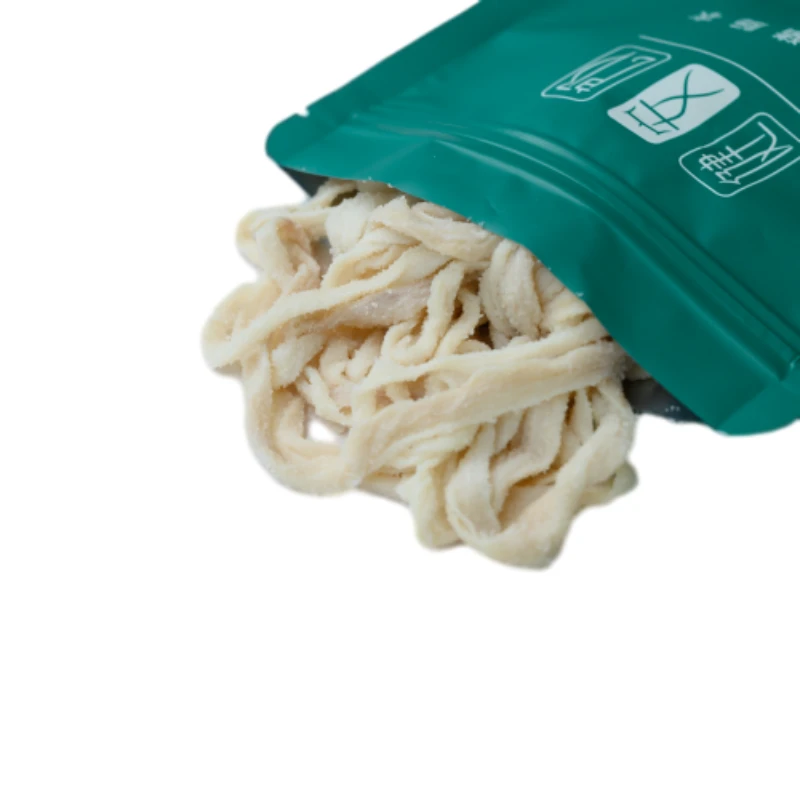
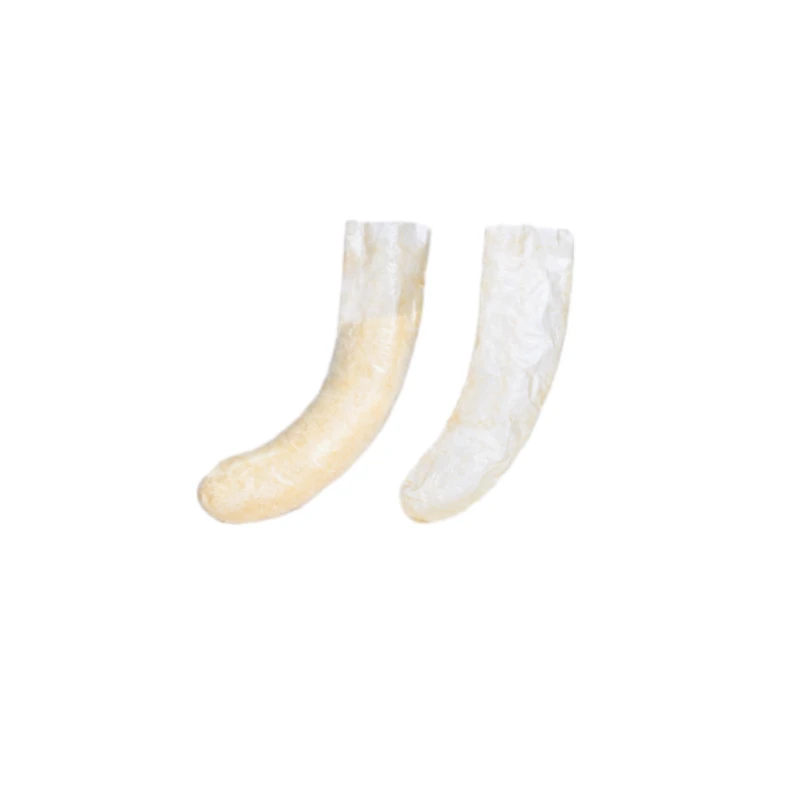
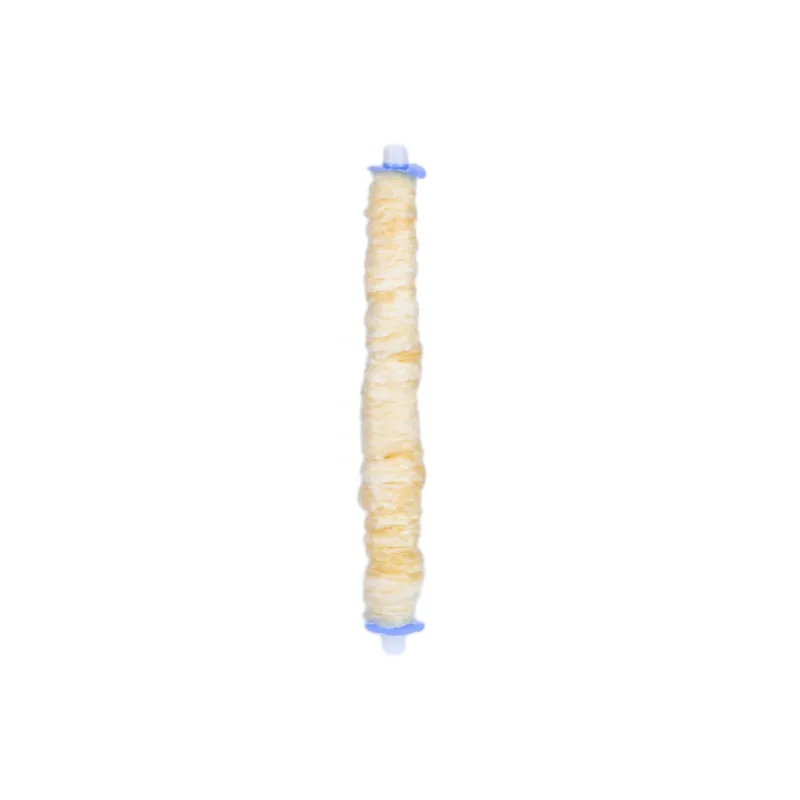
Put simply, a salted sheep casing factory is a facility where sheep intestines are cleaned, treated, salted, and prepared to be sold as natural casings, primarily for sausage making or other food uses. The “salting” process preserves the casing, allowing it to remain usable over extended periods.
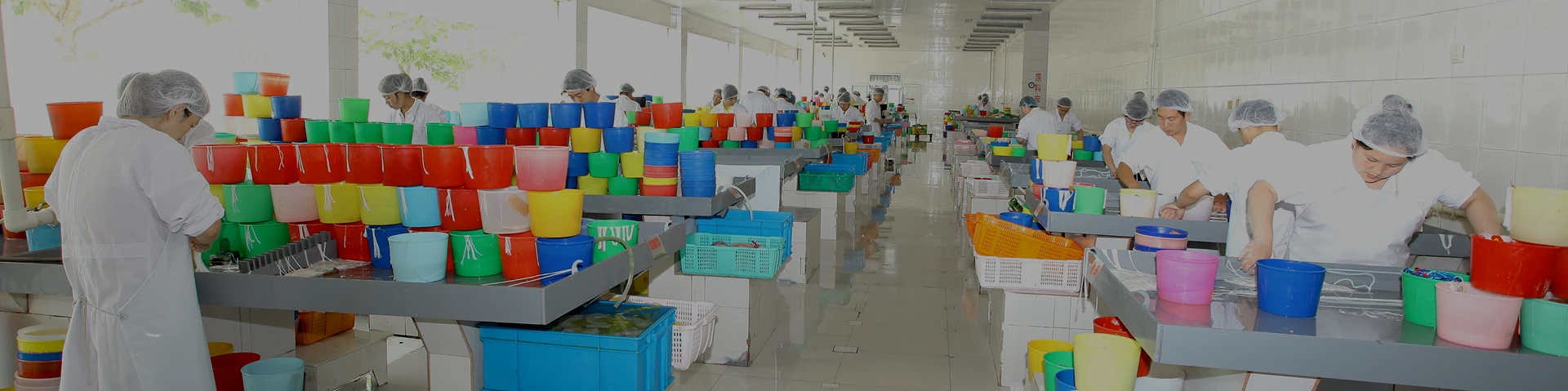
These factories bridge livestock agriculture with food manufacturing sectors. While small-scale processors might rely on manual techniques, larger factories often implement semi-automated cleaning lines, controlled salting baths, and quality testing stations to meet international standards — like the ISO 22000 for food safety.
Beyond food industries, salted sheep casings sometimes find roles in traditional crafts or niche medical uses, though that’s less common today.
Mini takeaway: At its core, the salted sheep casing factory transforms a perishable livestock by-product into a durable, market-ready commodity through skilled processing and preservation.
Key Components That Define Salted Sheep Casing Factories
1. Cleaning and Preparation
The first and arguably most crucial step involves carefully cleaning the sheep intestines to remove residual material. Factories often use a series of rinses, turning machines, and manual inspections to ensure cleanliness. It’s a delicate balance—you want to preserve the casing’s integrity while achieving hygiene.
2. Salting Process
This stage uses salt — sometimes combined with other curing agents — to dehydrate and preserve the casings. Salt acts as a natural preservative, inhibiting bacterial growth and extending shelf life. Factories measure salt ratios carefully, as too much or too little can affect quality and usability.
3. Drying and Storage Conditions
Post-salting, casings often undergo controlled drying to reduce moisture further without making them brittle. Storage usually requires dry, cool conditions to maintain casing elasticity and avoid mold development.
4. Quality Control
Factories may implement several quality checkpoints, including weight testing, diameter measurements, and occasionally microbiological tests. These controls are vital for meeting both regulatory standards and customer expectations, especially for exports.
5. Packaging and Distribution
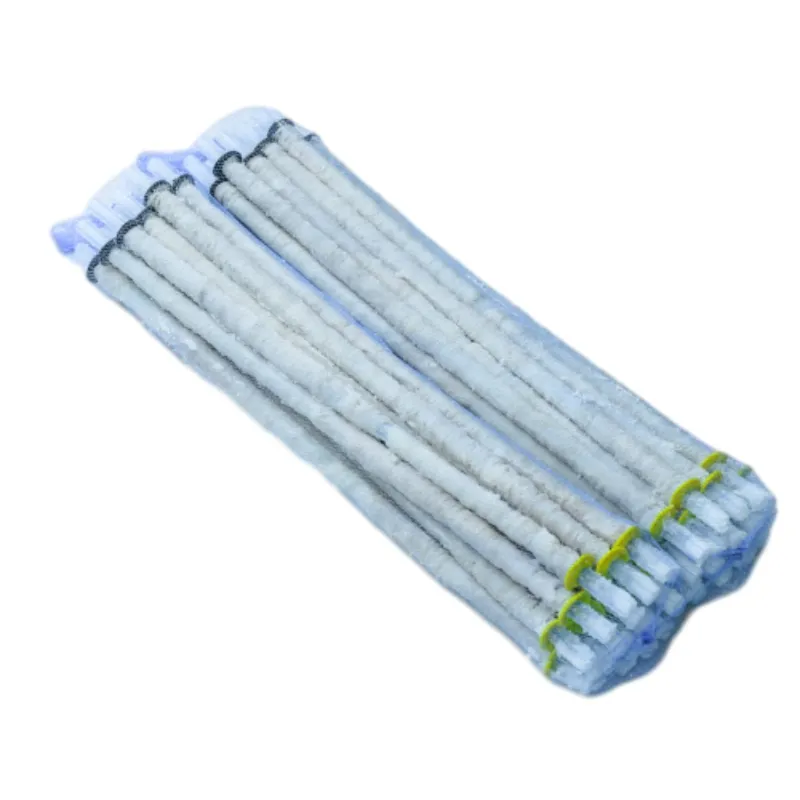
The final step involves packaging salted casings into manageable bundles, often tagged with grading details and origin information. Logistics considerations are critical since these products move globally. Proper packaging keeps them protected during shipment to sausage makers or distributors worldwide.
| Specification | Typical Value | Unit |
|---|---|---|
| Diameter Range | 20 – 28 | mm |
| Salt Content | ~10 – 15 | % |
| Moisture Content | ~30 – 35 | % |
| Shelf Life (Under Proper Storage) | 12 – 18 | months |
Global Applications and Real-World Use Cases
The salted sheep casing factory is more than an industrial cog; it’s central to both everyday food production and more unique applications worldwide.
- Traditional Sausage Making in the Mediterranean and Middle East: Countries in this region prize natural casings for their flavor and texture, often sourced from local sheep casing factories that ensure consistent quality.
- Export to International Food Markets: European and North American sausage manufacturers often depend on imports from specialized salted sheep casing factories, especially for artisan or “natural” meat products.
- Rural and Remote Community Food Security: In regions lacking refrigeration infrastructure, natural casings brought in salted preserve meat products safely, enabling longer storage and reduced waste.
- Humanitarian Aid: Oddly enough, salted natural casings sometimes appear in bulk food kits sent to disaster zones, providing trusted materials for local food industries to rebuild.
Mini takeaway: The salted sheep casing factory’s outputs underpin food traditions, support modern markets, and indirectly contribute to humanitarian relief by helping secure food quality and supply chains.
Advantages and Long-Term Value of Salted Sheep Casing Factories
Why do these factories continue to be vital? For one, they’re champions of cost efficiency. By turning an otherwise discarded by-product into a saleable good, they maximize value across the entire livestock supply chain.
From a sustainability perspective, natural casings produced through salted methods often have a smaller carbon footprint than synthetic alternatives, with less reliance on plastics or chemicals.
On the social side, these factories provide rural employment and preserve traditional knowledge about casing preparation, supporting community economies and cultural heritage.
Finally, there’s an emotional aspect: chefs and consumers tend to trust natural casings for authenticity, safety, and taste — qualities that factories nurturing quality controls can guarantee reliably.
Mini takeaway: Salted sheep casing factories combine economic sense with environmental and social responsibility, making them relevant well into the future.
Future Trends and Innovations in the Salted Sheep Casing Industry
While salted sheep casing factories might feel old-school, innovation is creeping in. For example, automation is starting to streamline cleaning and sorting processes, reducing human error and boosting hygiene.
Some factories are experimenting with eco-friendly salt formulations and improved drying technologies to cut energy use. Digital traceability systems, supported by blockchain tech, are emerging to help meet stringent export markets’ demands.
On a broader scale, efforts to integrate these producers into circular economy models are growing. Taking waste products and turning them into value-added goods fits neatly with global sustainability targets endorsed by the United Nations.
Mini takeaway: Though a traditional craft, salted sheep casing factories are adopting new tech and sustainability innovations to meet tomorrow’s challenges.
Common Challenges and How Industry Experts Are Addressing Them
One big challenge is maintaining consistent quality amid variable sheep intestines sourced from different regions or seasons. Supply fluctuations and contamination risks require skilled management.
Factories also compete with synthetic casings that can be cheaper or easier to handle. The key expert advice for survival? Combining craftsmanship with modern quality systems and marketing the natural casing’s unique benefits.
Transportation and storage in tropical or humid regions pose risks of spoilage. Solutions involve better packaging technologies and logistic partnerships.
Lastly, regulatory compliance in exporting countries can be complex, but progressive adoption of international standards helps factories stay competitive.
Mini takeaway: Through dedication to quality, innovation, and supply chain agility, salted sheep casing factories continue to thrive despite challenges.
Frequently Asked Questions About Salted Sheep Casing Factories
Q1: What is the average shelf life of salted sheep casings, and how should they be stored?The typical shelf life is around 12 to 18 months when stored in cool, dry conditions with proper packaging. Avoid humid or warm storage areas, as moisture can lead to mold growth or reduced elasticity.
Q2: How do salted sheep casings compare to synthetic casings in sausage making?Natural casings are prized for their texture, flavor contribution, and breathability during cooking. Synthetics can be more uniform and sometimes cheaper, but many artisans prefer salted natural casings for authenticity.
Q3: Can salted sheep casing factories export products globally, and what regulations are involved?Yes, they can, but they must comply with strict food safety standards such as ISO 22000 and the importing country’s specific regulations including microbiological tests and traceability documentation.
Q4: Are salted casings environmentally sustainable?Generally, yes. Since they’re by-products of livestock already raised for meat, salted casings help reduce waste. Their natural origin also means less plastic is involved compared to synthetic alternatives.
Conclusion and Call to Action
Salted sheep casing factories may seem like niche industrial facilities, but their global impact is wide-ranging — from food traditions to rural livelihoods, sustainability, and even humanitarian aid. Their blend of age-old processes and modern innovation helps keep the natural casing market viable and valued worldwide. If you’re interested in sourcing high-quality salted sheep casings or want to learn more about the industry's best practices, visit our website: salted sheep casing factory.
Vendor Comparison: Leading Salted Sheep Casing Suppliers
| Vendor | Annual Capacity (tons) | Quality Certification | Global Reach | Price Range (USD/kg) |
|---|---|---|---|---|
| Factory A (Middle East) | 120 | ISO 22000, HACCP | Europe, Asia | 4.5 - 6.5 |
| Factory B (Central Asia) | 95 | ISO 9001 | Asia, Africa | 3.8 - 5.2 |
| Factory C (Europe) | 75 | ISO 22000, BRC | Europe, North America | 5.0 - 7.0 |