Dec . 02, 2025 19:14
What Makes a Salted Sheep Casing Exporter a Key Player in Global Food Traditions?
Salted sheep casings sound niche, even old-fashioned, but they’re surprisingly pivotal in a global context. If you’ve ever savored artisanal sausages or culturally-packed culinary treats, chances are salted sheep casings played a quiet but essential role. And for exporters, the stakes are high: connecting meat producers with markets around the world and ensuring a product that meets both traditional tastes and stringent hygiene standards.
Understanding salted sheep casing exporters isn’t only about appreciating a specialty ingredient: it's about respecting food heritage, ensuring supply chain integrity, and supporting economies—from pastoral lands in Central Asia to cutting-edge meat processing lines in Europe and North America.
Global Context: Why Salted Sheep Casings Matter More Than You Think
Worldwide, the processed meat market is expected to surpass $270 billion by 2027 (source: Statista). Sheep casings form a significant part of this ecosystem because they mimic traditional sausage textures and flavors in various regional delicacies.
Yet, the demand often outstrips local supply. Many countries depend on exporters of salted sheep casings to fill that gap, especially where agricultural practices don’t favor sheep farming or where regulatory standards require precise processing methods. According to FAO statistics, about 12,000 tons of natural sausage casings are traded internationally each year, with a large share coming from countries exporting salted sheep casings.
One challenge has been ensuring these casings maintain quality and safety through long shipping times. A reliable salted sheep casing exporter addresses that, blending tradition and modern food safety compliance to get you a product that’s consistent, preservable, and ready for various markets.
What Exactly Is a Salted Sheep Casing Exporter?
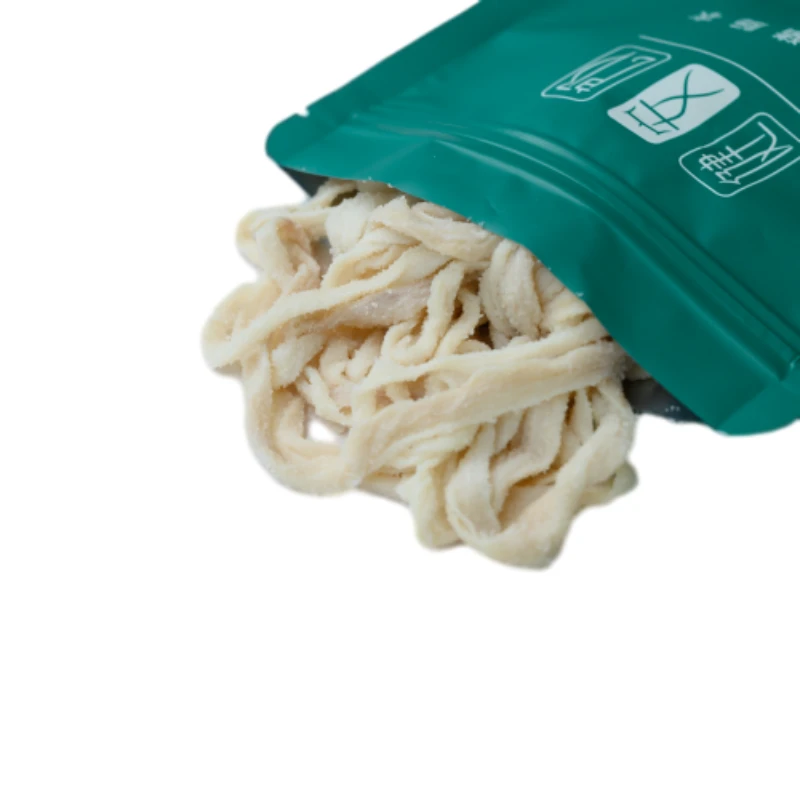
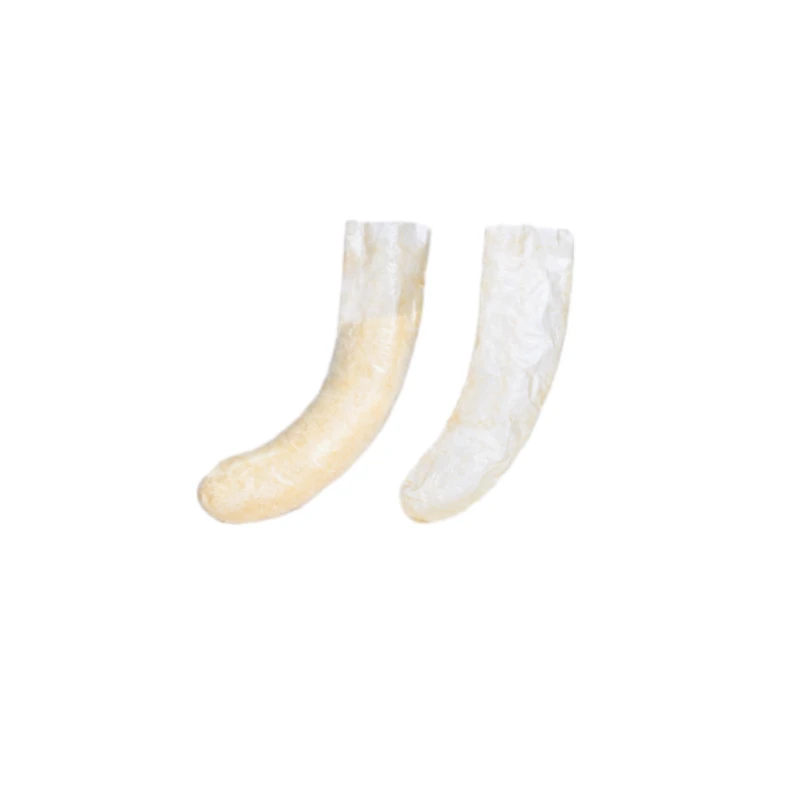
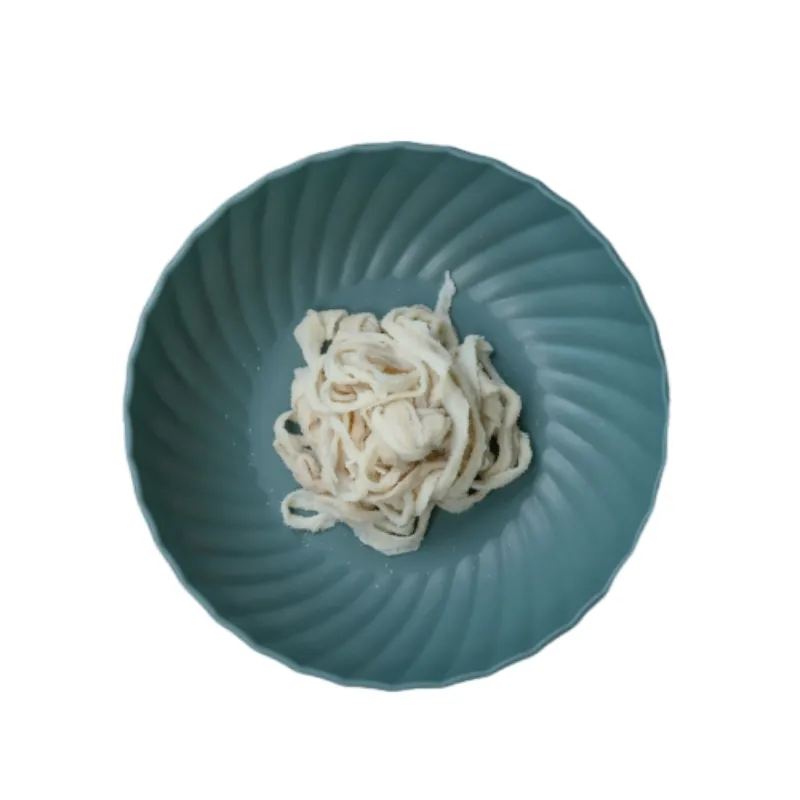
Simply put, a salted sheep casing exporter is a supplier specializing in the preparation, preservation, and international sale of salted sheep intestines, which are used as natural sausage casings. The ‘salting’ is crucial—it’s a time-tested method to preserve the casing, inhibit bacterial growth, and facilitate shipping without refrigeration.
Though seemingly niche, these exporters bridge the gap between sheep-rearing regions—like parts of the Middle East, Central Asia, and Europe—and consumers and manufacturers worldwide seeking authentic natural casings. These exporters ensure that the product conforms to global standards (ISO, HACCP) and meet buyers’ quality requirements.
Core Components That Define High-Quality Salted Sheep Casings
1. Durability and Texture
Good salted sheep casings hold consistently firm under stuffing and cooking. Too brittle, and they’ll snap; hence producers inspect thickness and elasticity carefully. It’s a sort of fine art to salt and process the casings just right.
2. Preservation and Safety
The salt curing process not only extends shelf life but acts as a natural bacterial inhibitor — essential when exporting to far-flung regions without guaranteed cold chains. Exporters invest in hygienic handling to meet global health standards, critical when casings are destined for sensitive markets.
3. Size and Calibration
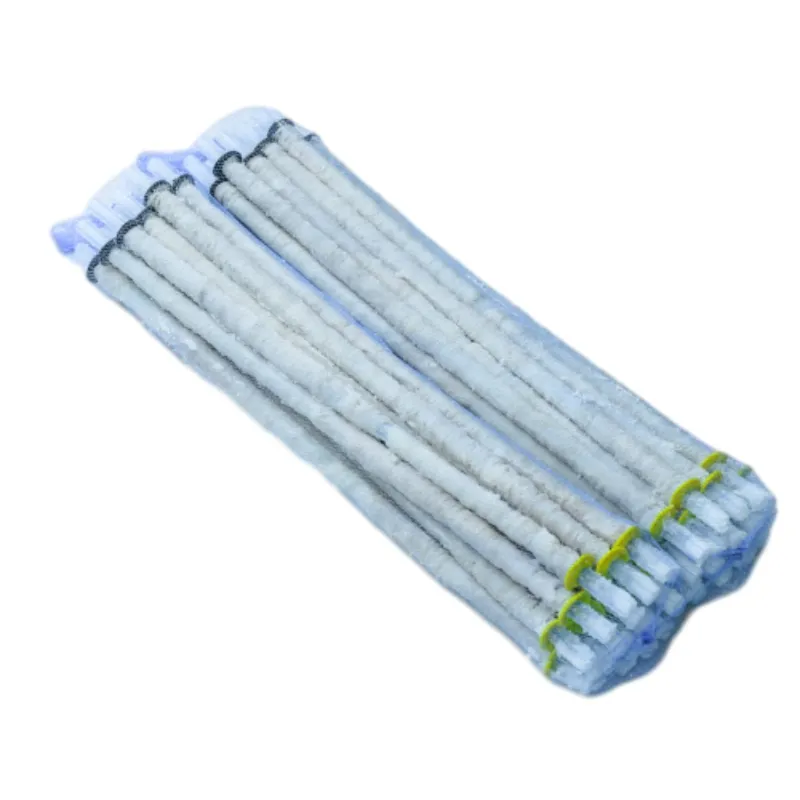
Casings must be sorted by diameter for distinct sausage types—small for delicate lamb sausages, larger for bolder flavors. Exporters provide in-depth size grading, often ranging 16–22 mm, to help producers match their recipes precisely.
4. Traceability and Documentation
Modern food supply chains require detailed documentation. Leading exporters track batch origins, animal welfare certifications, and processing details, making it easier for importers to comply with customs and quality checks.
5. Sustainable Sourcing
It feels like sustainability is everywhere these days, and rightly so. Many exporters focus on ethical animal husbandry and environmentally responsible collection methods, aligning with global sustainability goals (ISO 14001).
Where in the World Do Salted Sheep Casings Find Their Calling?
It’s fascinating how a salted sheep casing from a humble farm ends up wrapped around gourmet sausages at your local deli or in large-scale sausage manufacturing plants.
- Middle East and Mediterranean: Where lamb dishes and lamb sausages are cultural staples, these regions import and export casings shaped by centuries-old recipes.
- Europe: Countries like Germany and Italy, known for artisanal sausage varieties, source natural casings from trusted exporters to preserve authentic texture.
- North America: Increasingly reliant on imports, especially from exporters in Central Asia and Turkey, to meet artisan producers’ demands.
- Post-disaster relief & humanitarian projects: Sausage-making kits, including natural casings, have been designed to improve food security and nutrition in remote or disaster-stricken areas.
One interesting use-case I came across: in remote industrial mining towns, access to fresh meat is limited. Salted casings enable on-site locals to produce their own sausages, extending product use for weeks without refrigeration—a nifty example of technology and tradition converging.
Advantages & Long-Term Value of Using Salted Sheep Casings
The appeal is more than skin deep. Using salted sheep casings has several advantages that resonate across culinary, economic, and social dimensions:
- Cost efficiency: Salted casings reduce spoilage rates, saving money over disposable synthetic alternatives.
- Sustainability: They’re biodegradable and sourced from naturally renewable animal by-products, aligning with circular economy principles.
- Flavor and texture: The natural casing subtly affects sausage bite and flavor release, preferred by chefs and consumers alike.
- Safety and trust: Exporters adhering to strict sanitary protocols reduce foodborne illness risk, ensuring consumer confidence.
- Cultural preservation: Supporting traditional food preparation methods strengthens local identities and culinary heritage.
Salted Sheep Casings Product Specification Table
| Parameter | Value / Range | Notes |
|---|---|---|
| Diameter | 16-22 mm | Different batches for sausage types |
| Length per bundle | 25-30 meters | Pre-sorted and tied bundles |
| Salt content | Approximately 10-15% | Ensures preservation & taste profile |
| Shelf life | Up to 12 months | If stored under proper conditions |
| Certification | ISO 9001, HACCP | Meets international food safety standards |
How Do Salted Sheep Casing Exporters Stack Up? A Quick Comparison
| Exporter | Product Quality | Global Reach | Certifications | Sustainability Efforts |
|---|---|---|---|---|
| RTCasing Co. | Premium uniform casings | Europe, Asia, North America | ISO 9001, HACCP | Ethical sourcing programs |
| SheepNatural Ltd. | Good quality, varied sizes | Asia, Africa | ISO 22000 | Recycling salt waste |
| Global Casings Export | Bulk supplier, budget-friendly | Global | HACCP | Limited sustainability data |
What Does the Future Hold for Salted Sheep Casing Exporters?
As with most food sectors, there’s a push toward traceability—and automated quality control. Some exporters are experimenting with blockchain to log origin data, alongside AI-based texture analysis to objectively grade casings.
On the sustainability front, reducing salt usage without compromising preservation is an active research area; novel curing techniques using natural preservatives could reshape the industry soon. Frankly, that sounds like a win for health-conscious consumers.
Meanwhile, digital platforms simplify customs documentation and streamline global shipping logistics, making it easier than ever to connect with salted sheep casing exporters worldwide.
Common Hurdles and Smart Solutions
Challenges can range from inconsistent raw material quality—dependent on season and geography—to logistical bottlenecks in transport, especially during pandemics or geopolitical tensions.
One trick exporters rely on includes diversifying sourcing farms and establishing multiple processing centers closer to exporting hubs, so if one region suffers disruption, deliveries keep flowing.
Also, some exporters have adopted rapid microbial testing, reducing wait times for export clearance—a crucial step when you’re racing a delicate product against the clock.
Frequently Asked Questions About Salted Sheep Casing Exporters
- What ensures the quality of salted sheep casings during long shipments?
- Proper curing with adequate salting, hygienic packaging, and stable temperature control during transport help maintain quality. Trusted exporters also provide certification and traceability.
- How can small producers import salted sheep casings without hassle?
- Working with exporters who offer smaller batch shipments, clear customs documentation, and sourcing support simplifies importing. Many exporters provide customer service tailored to newcomers.
- Are salted sheep casings better than synthetic alternatives?
- For flavor and traditional texture, natural salted casings are preferred. They are biodegradable and generally perceived as higher quality, though synthetics offer uniformity and longer shelf life.
- How long can salted sheep casings be stored before use?
- When kept dry and at moderate temperature, salted sheep casings can be stored for up to 12 months without losing quality.
Wrapping It Up: Why Work With a Salted Sheep Casing Exporter?
In the end, salted sheep casing exporters play an unsung but vital role in the global food supply chain. They preserve a piece of cultural heritage and enhance food quality, all while meeting modern standards and sustainability goals.
If you’re involved in sausage production or culinary arts, connecting with a reliable exporter—like salted sheep casing exporter RTCasing Co.—can mean the difference between a good sausage and a great one.
Why not explore what these producers and suppliers offer? The world of natural casings is richer and more complex than it appears — and it’s right at your fingertips.
1. FAO - Food and Agriculture Organization: Natural Casings Statistical Data (fao.org)
2. ISO Standards for Food Safety (iso.org)
3. Statista - Processed Meat Market Trends (statista.com)