Dec . 02, 2025 18:04
Salted Hog Casing Manufacturers: An Overview of a Unique Industry
When we think about food production, rarely does the casing that wraps sausages come up in casual conversation. However, salted hog casing manufacturers occupy an essential space in both culinary tradition and global food supply. These manufacturers supply natural casings that have been preserved using salt—a centuries-old technique—to ensure durability and hygiene. Understanding this niche isn't just about appreciating sausage craftsmanship; it’s about recognizing a small yet crucial industrial practice that supports food quality worldwide. Given the growing demand for natural, sustainable food packaging, grasping how salted hog casing manufacturers operate sheds light on a fascinating intersection of tradition, science, and global trade.
Why the World Pays Attention to Salted Hog Casing Manufacturers
Salted hog casing manufacturers might sound like a niche topic, but their global impact is surprisingly significant. According to the Food and Agriculture Organization (FAO), the global sausage market is projected to grow steadily by 3-4% annually. That means natural casings remain in hefty demand, especially in regions like Europe, North America, and parts of Asia where consumers prefer authentic, natural sausage skins over synthetic alternatives.
Yet, there is a challenge. The supply chain of salted hog casings is vulnerable to agricultural shifts, animal health regulations, and global trade disruptions. For instance, outbreaks of swine diseases or import/export restrictions can significantly impact availability. Manufacturers increasingly face pressure to maintain quality, hygiene, and sustainability while keeping products affordable. This pressure has spurred innovation and cross-border collaboration, making the industry a snapshot of modern manufacturing resilience.
What Exactly Are Salted Hog Casings?
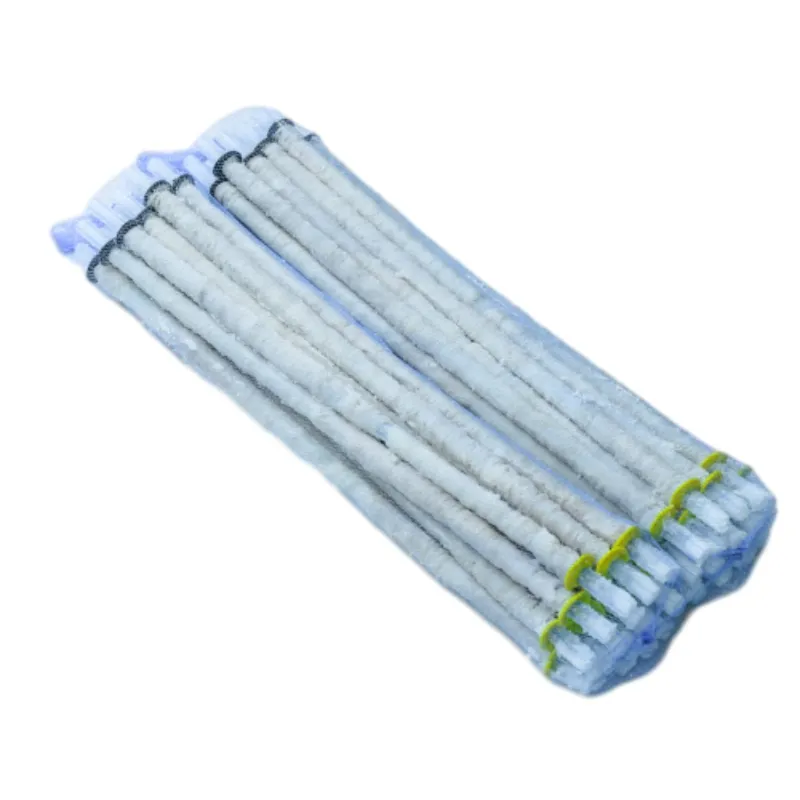
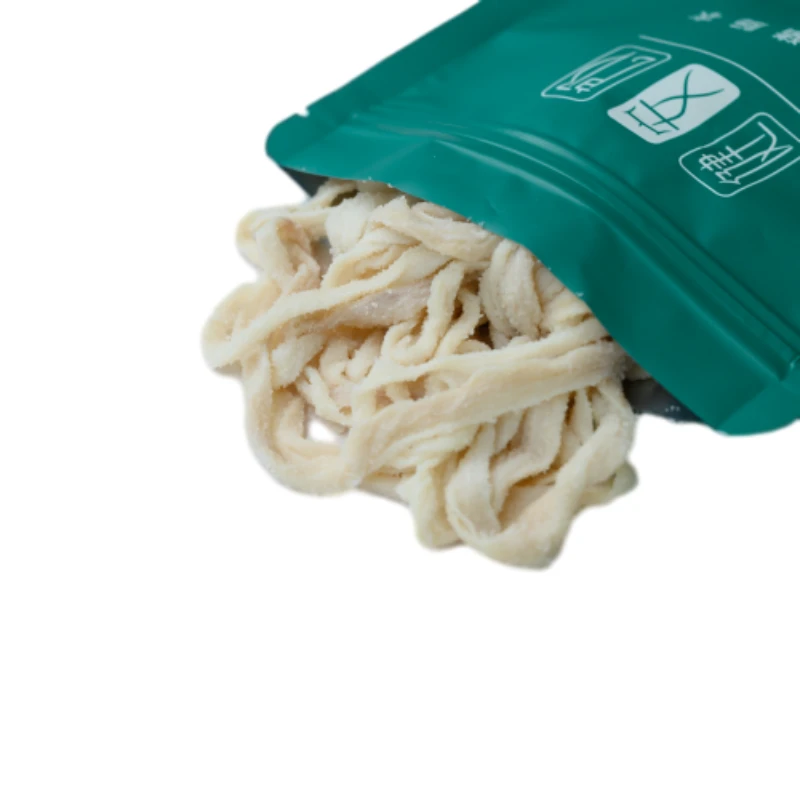
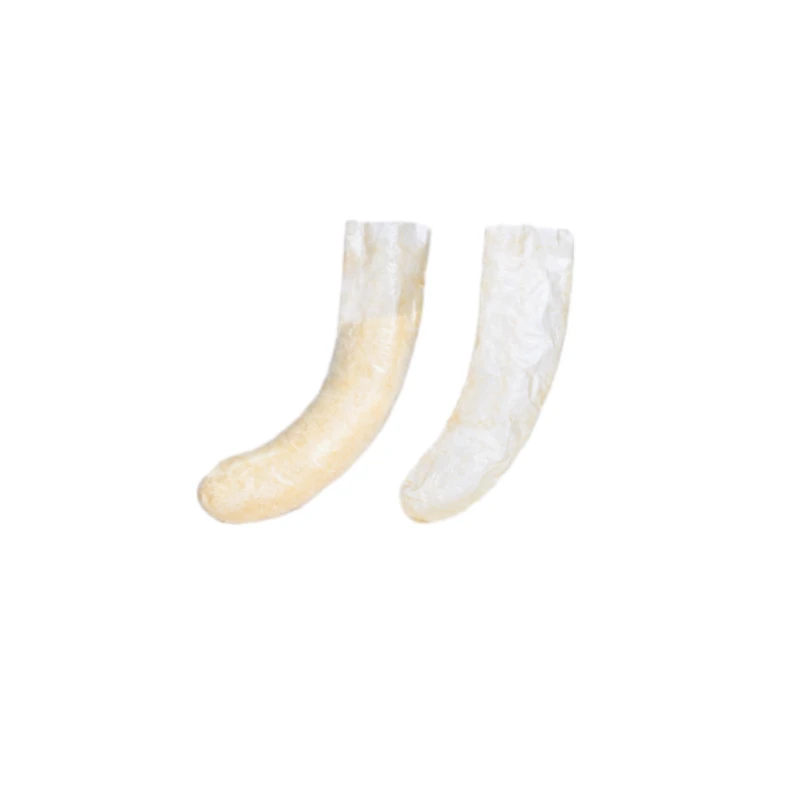
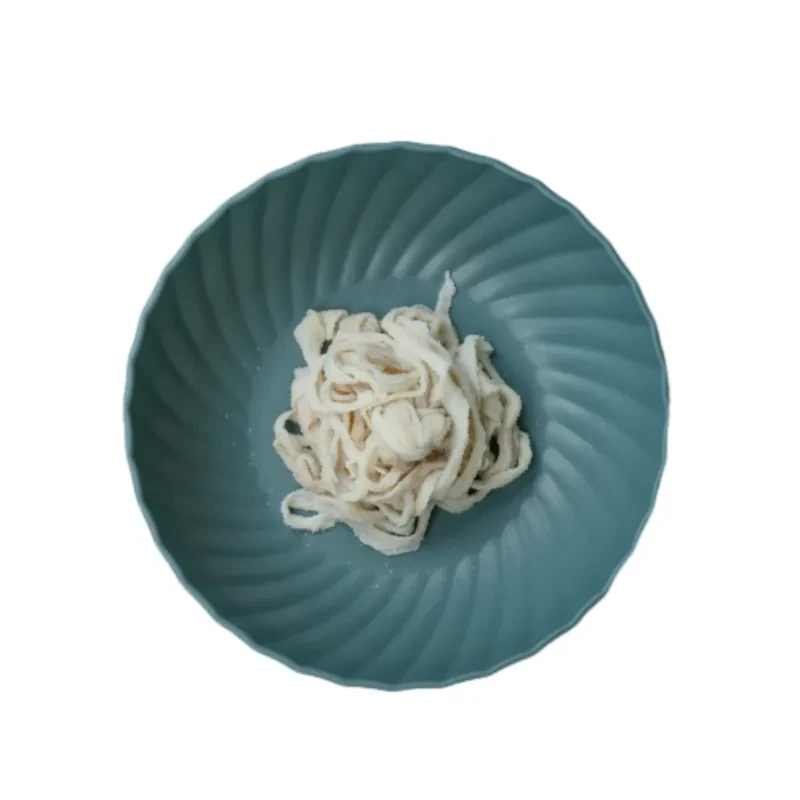
Simply put, salted hog casings are the cleaned intestines of pigs that have been preserved in salt to extend their shelf life. These casings serve as sausage skins, valued for their elasticity, natural bite, and ability to imbue sausages with authentic flavor.
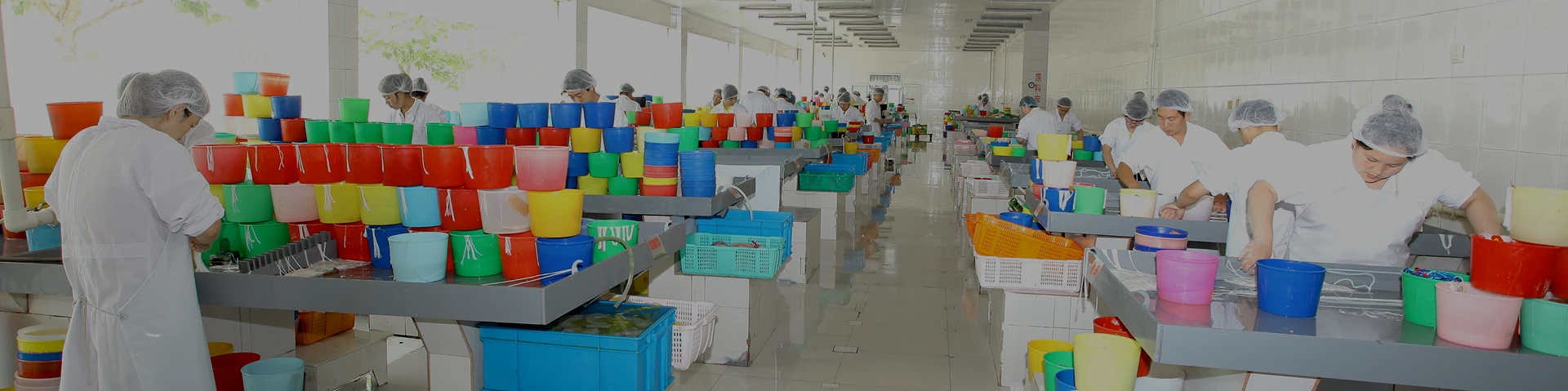
Manufacturers involved in this business specialize in sourcing, cleaning, salting, and packaging these casings for sausage producers worldwide. This labor-intensive process requires both stringent sanitary controls and an understanding of the physical properties of natural materials. In humanitarian contexts, such casings help local food enterprises create shelf-stable products, supporting food security and small business growth.
Core Components of Salted Hog Casings: What Makes Them Tick
1. Durability
Salt acts as a natural preservative, drawing moisture out and preventing bacterial growth. This ensures casings stay usable for months if stored correctly. Robust casing quality means less breakage on sausage lines, reducing waste and downtime.
2. Hygiene & Safety Compliance
Salted hog casing manufacturers must follow strict hygiene practices. They usually adhere to international standards such as ISO 22000 (food safety management), making their products safe for global export. This is vital because the casing directly contacts food.
3. Scalability of Production
Depending on the manufacturer’s capacity, they can supply from small artisanal batches to large industrial orders. Scalability affects pricing and availability—factors many sausage producers weigh carefully.
4. Cost Efficiency
Using natural casings preserved with salt is cost-effective compared to synthetic materials, especially when factoring in consumer preference and product premiumization.
5. Traceability & Sustainability
Increasingly, manufacturers are engaged in traceability programs to ensure casings come from responsibly sourced hogs. This ties into broader pressure on the food industry to adopt sustainable practices.
Salted Hog Casings in the Global Marketplace: Use Cases & Applications
Sausage production remains the primary application, but salted hog casings find use worldwide across various settings. In parts of Europe—especially Germany and Italy—these casings are intrinsic to traditional methods of producing sausages like bratwurst or cotechino.
In developing regions such as Southeast Asia and Latin America, local enterprises often rely on imported salted hog casings to upscale their product lines, adding value to rural food economies.
Interestingly, in post-disaster relief operations where conventional packaging is scarce, salted hog casings can play a role in helping local producers create higher-protein food items that are efficient to transport and store. This interplay between a traditional product and modern humanitarian logistics is oddly beautiful—small intestines preserved in salt touching lives in a big way.
Salted Hog Casing Product Specifications
| Specification | Typical Range | Notes |
|---|---|---|
| Diameter | 16–26 mm | Depends on hog age and breed |
| Length per bundle | ~10 meters | Average length after stripping |
| Salt content | 20–30% by weight | Ensures preservation and flexibility |
| pH level (after rinsing) | 5.5–6.5 | Optimal for sausage processing |
| Shelf life (in salt) | Up to 12 months | Stored in cool, dry conditions |
Comparing Salted Hog Casing Manufacturers: What Sets Them Apart?
| Manufacturer | Country | Annual Production (tons) | Certifications | Sustainability Focus |
|---|---|---|---|---|
| RT Casing Ltd. | China | 500 | ISO 22000, HACCP | Recycling water & energy |
| EuroCasings GmbH | Germany | 350 | IFS, BRC | Organic sourcing initiatives |
| Asia Natural Casings | Vietnam | 420 | ISO 22000 | Solar energy integration |
Why Choose Salted Hog Casings? Advantages and Lasting Impact
- Authenticity in Taste and Texture: Natural casings provide the distinctive bite and snap that synthetic versions rarely match.
- Sustainability: Preserving natural materials with salt avoids chemicals and reduces plastic waste.
- Economic Support: Many producers support rural communities by creating demand for traditional preservation techniques.
- Health Safety: When properly processed, salted casings meet rigorous food safety standards.
- Versatility: Suitable for a wide array of sausage types, from fresh to dry-cured products.
Beyond these practical benefits, there is something comforting about knowing your sausage casing is part of a time-honored, respectful use of animal resources. That human touch still resonates, even in a high-speed, high-tech food industry.
Innovations and Future Directions in Salted Hog Casing Manufacturing
Moving forward, salted hog casing manufacturers are increasingly adopting digital inventory systems, blockchain for traceability, and greener production processes. For example, technologies that reduce water consumption during cleaning and salt recycling are becoming industry priorities.
Automation plays a role too—several manufacturers now use robotic stripping lines to improve hygiene and reduce labor costs. Meanwhile, synthetic composite casings push natural casing manufacturers to highlight their eco-friendly story, pushing the industry toward more sustainable, transparent sourcing policies.
Addressing Challenges in Salted Hog Casing Production
No industry is without hurdles. Variability in raw material quality depending on hog breeds, fluctuating salt prices, and strict import regulations can occasionally slow supply.
Manufacturers combat this with rigorous quality control and establishing long-term relationships with farms to ensure consistent input. Some have also diversified into value-added products like pre-moistened casings to reduce prep time for processors—small efficiencies that add up.
Mini Takeaway:
The salted hog casing business, while traditional at heart, continually adapts to modern challenges—balancing natural product qualities with global food safety and sustainability requirements.
Frequently Asked Questions About Salted Hog Casing Manufacturers
- Q1: How do salted hog casings differ from synthetic casings?
- Salted hog casings are natural, made from animal intestines preserved with salt. They offer superior texture and flavor but require more careful handling. Synthetic casings are man-made, often cheaper and uniform but lack the natural bite and may have environmental concerns.
- Q2: What is the typical shelf life of salted hog casings?
- When properly salted and stored in cool, dry conditions, salted hog casings can last up to 12 months. Moisture and temperature control are crucial to avoid spoilage.
- Q3: Are salted hog casing manufacturers subject to international food safety standards?
- Yes, most manufacturers comply with strict certifications like ISO 22000, HACCP, and local regulations to ensure product safety and quality for export markets.
- Q4: Can salted hog casings be customized by diameter or length for specific sausage products?
- Absolutely. Many manufacturers offer various diameters, typically ranging from 16mm to 26mm, and bundle lengths to meet diverse processing needs.
- Q5: How are salted hog casings shipped internationally to maintain freshness?
- They are packed in salted brine or dry-salted with careful moisture control and shipped in temperature-controlled containers or standard conditions that prevent prickling or microbial growth.
Conclusion: Why Salted Hog Casing Manufacturers Still Matter
Salted hog casings may not be the flashiest ingredient in the food production chain, but their role is indispensable for real sausage lovers and artisanal producers worldwide. Their durability, safety, and sustainability make them a product worth understanding and supporting. If your business is part of this unique ecosystem—or you simply appreciate quality sausage—exploring manufacturers and their offerings is well worth the time.
For more detailed information, sourcing options, or product inquiries, I highly recommend visiting salted hog casing manufacturers. Their expertise and product range make them a leader in this fascinating, time-honored trade.
Final Mini Takeaway
Natural, salt-preserved casings represent a bridge from traditional food craftsmanship to the modern global marketplace. They remind us that sometimes, the best solutions come preserved in salt—and patience.