Dec . 02, 2025 18:20
Understanding Natural Hog Casings Manufacturers: Why It Matters Worldwide
If you’ve ever bitten into a perfectly textured sausage or savored a traditional charcuterie, you’ve unknowingly appreciated the craftsmanship behind natural hog casings. But beyond the kitchen, natural hog casings manufacturers represent a quiet yet critical industry with global reach, impacting food traditions, economies, and sustainable packaging worldwide.
Why is this niche so essential? Because natural casings ensure authentic taste and texture, support sustainable practices by utilizing animal byproducts, and contribute economically to livestock farmers and processors globally. Understanding this industry helps in grasping how ancient traditions meet modern manufacturing challenges—and how food safety, innovation, and cultural heritage intermingle.
The Global Context: A Small Industry With Big Impact
Globally, pork remains one of the most consumed meats—around 36% of the world’s meat production, according to FAO data. This means the demand for quality hog casings climbs steadily, especially in regions like Europe, China, and the Americas. Over half a billion natural casings are produced annually worldwide, driving a $500 million+ industry that bridges farms, factories, and consumers.
Yet, the natural hog casings manufacturers face tough challenges: sourcing consistent raw materials, maintaining hygiene standards, adapting to regulatory landscapes, and innovating sustainably. As global food safety standards tighten, manufacturers must continuously elevate their processes.
Oddly enough, this industry is part tradition, part high tech—a complex dance requiring deep knowledge of biology, chemistry, and logistics. Without efficient casings production, many sausage and deli products would lose their authenticity or be forced to switch to inferior synthetic alternatives.
What Exactly are Natural Hog Casings Manufacturers?
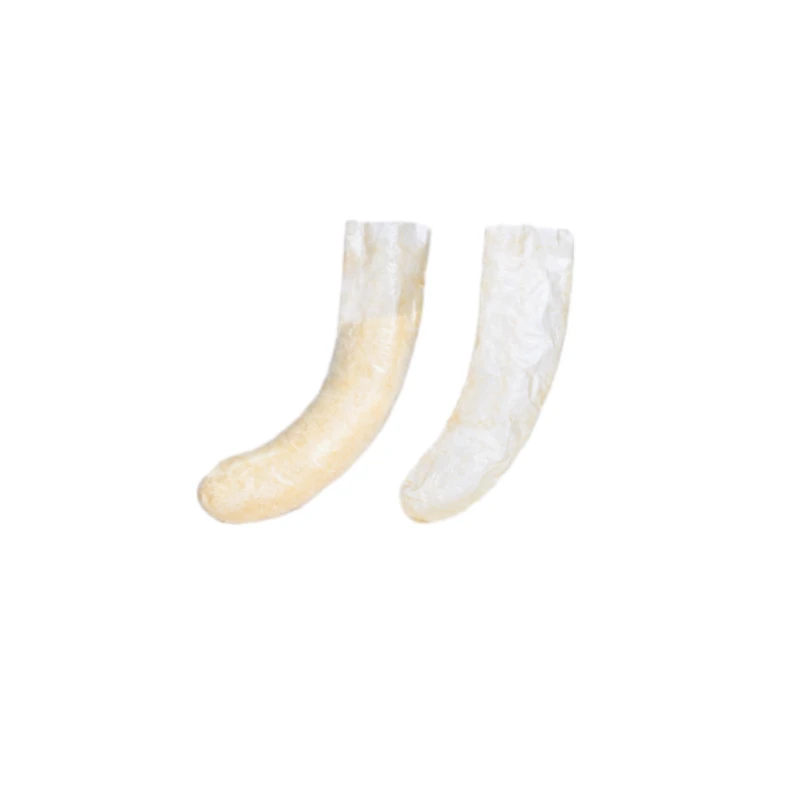
At heart, natural hog casings manufacturers specialize in preparing the intestines of pigs to be used as edible or sausage casings. These casings provide a natural, breathable, and gelatinous skin that enhances the sausage’s flavor, cooking properties, and consumer appeal.
Interestingly, these manufacturers operate at the intersection of agriculture, food processing, and packaging. By transforming animal byproducts otherwise discarded, they champion sustainability and reduce waste.
In modern food manufacturing or even humanitarian aid (think emergency food packing), natural hog casings are prized for their biodegradability and trusted safety profile.
Key Aspects of Natural Hog Casings Manufacturing
1. Quality & Durability
Casings must withstand filling, smoking, cooking, and storage. A well-made natural casing is elastic yet strong, retaining moisture while allowing smoke penetration. Many producers apply stringent testing to measure tensile strength and elasticity.
2. Scalability & Supply Chain
Sourcing consistent hog intestines is a balancing act. Many manufacturers maintain strong ties with pig farms and slaughterhouses. Supply chain reliability impacts the size and quality of output. The best companies can scale production according to seasonal and regional demand.
3. Cost Efficiency
Processing natural casings is labor-intensive and requires hygienic environments, but it’s often more cost-effective than synthetic alternatives over time. Using natural byproducts adds value and reduces waste management costs for producers.
4. Hygiene & Food Safety
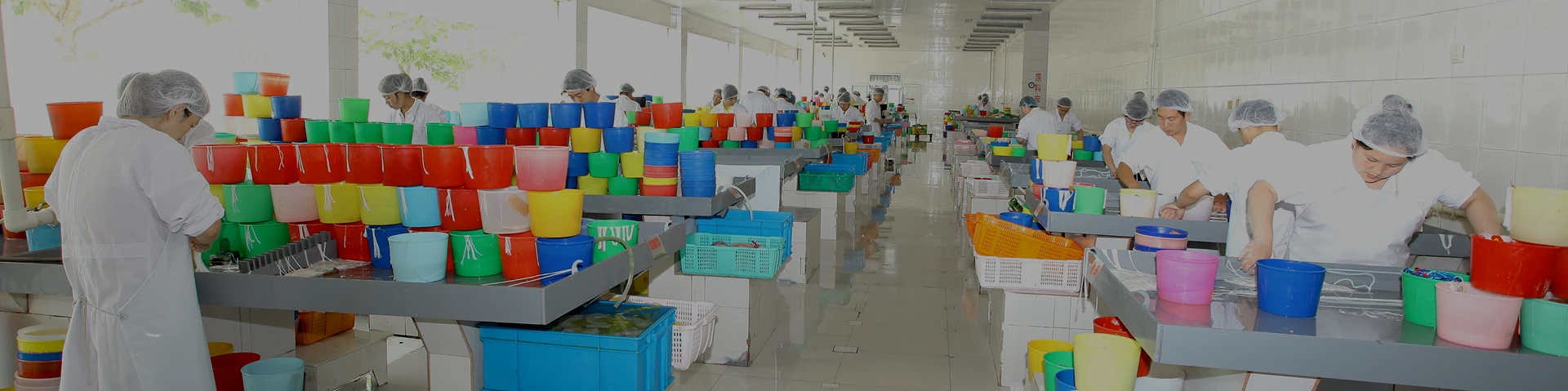
Strict sanitation protocols are crucial. Many manufacturers align with ISO 22000 food safety management systems (Source: ISO) to ensure casings meet international standards.
5. Customization & Innovation
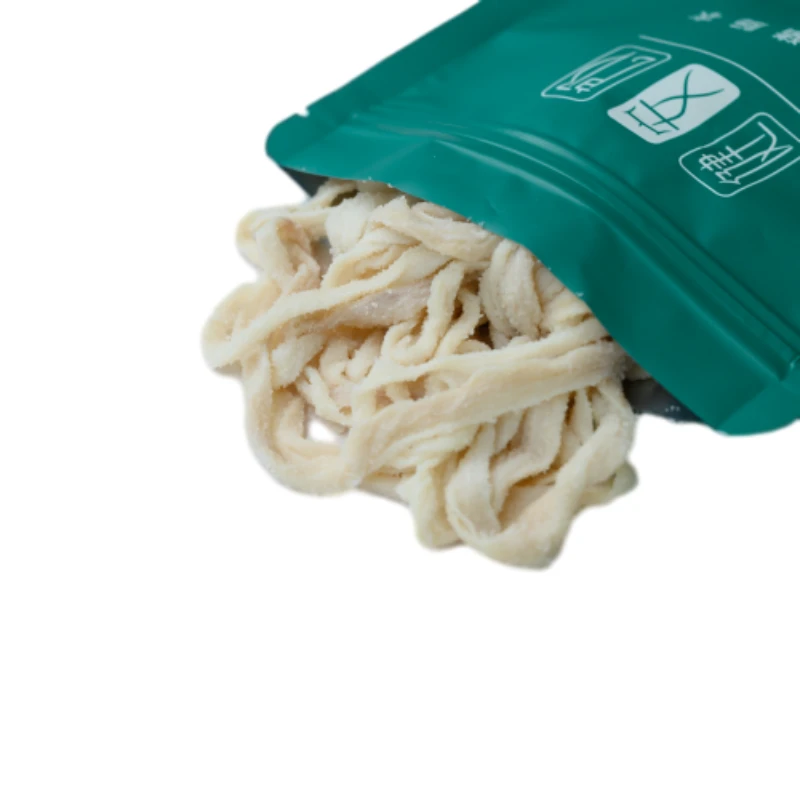
Some manufacturers offer casings tailored by diameter, length, and pretreatment (salted, dried, refrigerated) to meet specific customer needs, whether artisanal sausage makers or industrial processors.
Mini takeaway: Natural hog casings manufacturing is both art and science, with quality, supply, hygiene, and customization at its core.
Global Applications & Real-World Use Cases
From street vendors in Eastern Europe rolling out kielbasa to upscale German butchers packaging bratwurst, the applications are numerous.
- Food Industry: Primary use is sausage and processed meat products worldwide, especially Europe, China, and the US.
- Export Markets: Many manufacturers supply natural casings internationally — a key commodity for regions lacking local pig processing.
- Emergency & Relief Food: In crisis zones, natural casings create reliable, preservable food units thanks to their biodegradability and ease of preparation.
- Traditional Crafts: Preserving food heritage in countries where cultural sausages require natural skins for authenticity.
For instance, in rural Germany, natural hog casings manufacturers cater to local artisanal producers, enabling authentic recipes that tourists seek. Meanwhile, large-scale producers in China drive export volume, helping global markets meet rising demand.
Advantages & Long-Term Value of Natural Hog Casings
The benefits go beyond culinary delight:
- Sustainability: They use byproducts, reducing waste and carbon footprint.
- Authenticity & Quality: Enable traditional sausage textures and flavors unmatched by synthetic alternatives.
- Food Safety & Biodegradability: Trusted by regulators, natural casings decompose harmlessly.
- Economic Impact: Support livestock farmers and create jobs in processing industries worldwide.
- Innovation: Manufacturers increasingly introduce higher hygiene standards and packaging innovation to meet e-commerce and export demand.
You almost feel a connection to centuries of culinary tradition and a commitment to sustainable practice. It’s the kind of industry people don’t often see but totally rely on.
The Future: Trends and Innovations in Natural Hog Casings Manufacturing
Smaller, eco-conscious factories are adopting green energy and water-saving technologies. There’s a trend toward digital traceability, letting buyers verify origin and processing conditions in real time.
Automation, especially in cleaning and packaging, is growing—helping manufacturers boost hygiene compliance and reduce labor costs.
Moreover, researchers explore hybrid casings combining natural and plant-based polymers enhancing strength and shelf life, which sounds like a neat future blend.
Challenges and How Manufacturers Solve Them
Natural casings aren’t without quirks. Supply fluctuations, perishable raw materials, and stringent hygiene demands make production tricky.
Top-tier manufacturers address these through:
- Long-term farm partnerships ensuring steady pig intestines supply.
- Enhanced cold chain logistics to preserve raw materials.
- Investments in ISO-certified facilities to meet safety regulations worldwide.
- Flexible processing lines for multiple casing sizes and treatments.
Though challenges persist, innovation and modern management help keep natural hog casings manufacturers competitive and reliable.
Practical FAQs About Natural Hog Casings Manufacturers
- Q: How do natural hog casings differ from synthetic ones?
- A: Natural casings are made from cleaned animal intestines, offering superior flavor, texture, and biodegradability compared to synthetic casings, which are typically plastic-based. However, natural casings require more careful storage and handling.
- Q: Are natural hog casings safe for international food export?
- A: Yes. Many manufacturers comply with international food safety standards like ISO 22000 and HACCP, ensuring casings meet export regulations and maintain hygiene.
- Q: Can manufacturers customize casing size for different sausage types?
- A: Absolutely. Sizes usually range from 16 to 32 mm in diameter, and many producers offer custom lengths and treatment options such as salted, dried, or refrigerated to suit specific needs.
- Q: What sustainability benefits are associated with these casings?
- A: Since they use animal byproducts, natural hog casings reduce food waste and provide a biodegradable alternative to plastics, helping environmental goals in food packaging.
- Q: How do manufacturers ensure consistent quality?
- A: Through strict supplier control, cold storage logistics, rigorous cleaning and inspection, and certifications adhering to international standards, manufacturers maintain consistent product quality.
Comparing Top Natural Hog Casings Manufacturers
| Manufacturer | Annual Production (Million Meters) | ISO Food Safety Certified | Customization Options | Primary Markets |
|---|---|---|---|---|
| RTCasing Co. | 45 | Yes (ISO 22000) | Diameter, length, treatment | Europe, Asia, Americas |
| GlobalHog Skins | 30 | Partial (HACCP) | Limited | North America, Europe |
| Sausage Naturals Ltd. | 15 | Yes (ISO & GMP) | Full customization | Europe, Middle East |
Natural Hog Casings Product Specs
| Specification | Typical Range | Notes |
|---|---|---|
| Diameter | 16–32 mm | Custom lengths available |
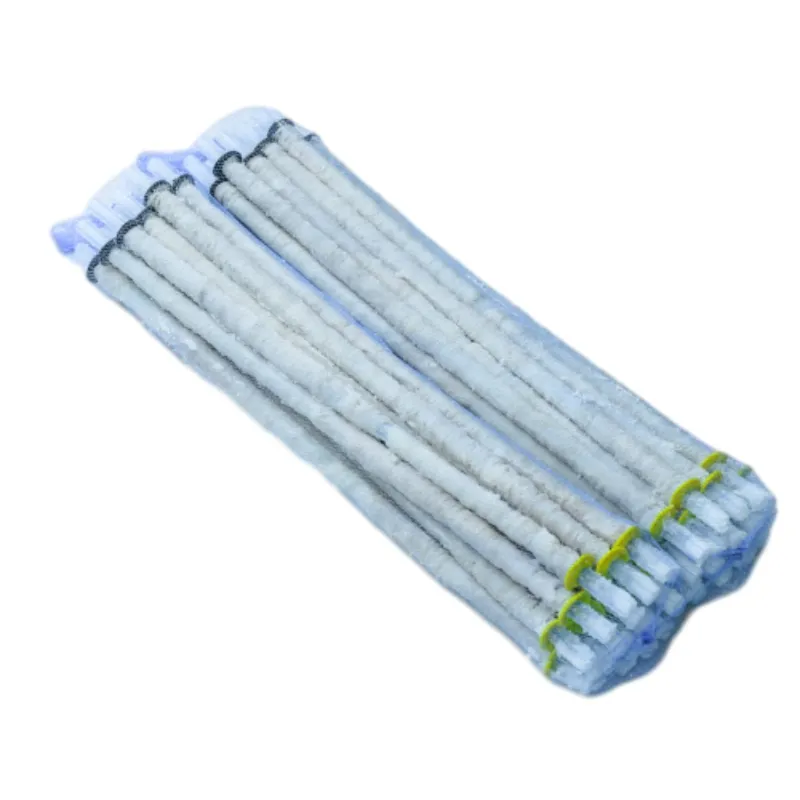
| Length per Hank | 50 meters | Standard packing unit |
| Treatment | Salted, dried, refrigerated | Varies with customer needs |
| Shelf Life | Up to 12 months (refrigerated) | Depends on storage |
| Tensile Strength | 7–10 N/mm² | Measured by manufacturer tests |
Wrapping Up
While natural hog casings manufacturers might not be front-page news, their role in food quality, sustainability, and economic livelihoods is substantial. Their work blends tradition with innovation, challenges with creativity, and local culture with global trade. If the idea of authentic, eco-friendly sausage skins intrigues you, or if you’re sourcing reliable natural casing suppliers, do visit RTCasing Co. for more insights and offerings.
It’s one of those industries where history and future somehow meet in something as small as a sausage skin. Bit of a culinary and industrial miracle, really.
Mini takeaway: Support natural hog casings manufacturers to preserve authenticity, sustainability, and global food heritage.