Dec . 02, 2025 19:46
Understanding the Role of a Natural Casing Supplier in Global Industries
At first glance, the term natural casing supplier might sound niche or even a bit old-fashioned. Yet, behind this seemingly modest occupation lies a vital link in the chain of the food industry and beyond. Whether you’re a small artisan butcher or a large-scale processing company, knowing what a natural casing supplier offers—and why it matters globally—is worth your time. Natural casings ensure quality, authenticity, and often sustainability in sausage manufacturing, but their relevance extends more broadly than you might guess.
In this article, we’ll unwrap the importance of natural casing suppliers from a practical and global perspective. Spoiler alert: the benefits touch on tradition, innovation, environmental stewardship, and economic impact all at once.
Global Context: Why Natural Casing Suppliers Matter Worldwide
Did you know that the global meat processing market was valued at nearly $400 billion in 2023, with sausage production playing a significant role? (World Bank, 2023)
Now imagine vast supply chains stretching across continents — and natural casing suppliers are quietly foundational to them. These suppliers provide the essential material for authentic sausages renowned in various cultures—from bratwurst in Germany to chorizo in Spain and beyond.
We face challenges like increasing demand for clean-label and sustainable products, pressure on synthetic alternatives, and fluctuating raw material availability. Natural casing suppliers help navigate these by offering renewable, biodegradable options that align with modern consumer expectations.
Mini takeaway: Natural casing suppliers are vital to both preserving culinary tradition and meeting the demands of a sustainable, globalized food industry.
What Exactly Is a Natural Casing Supplier?
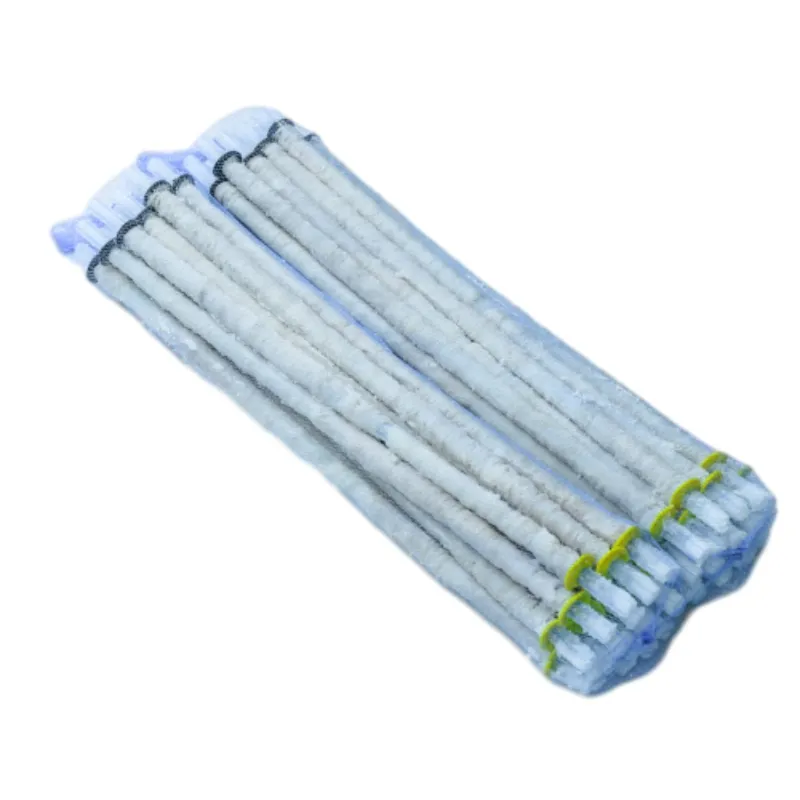
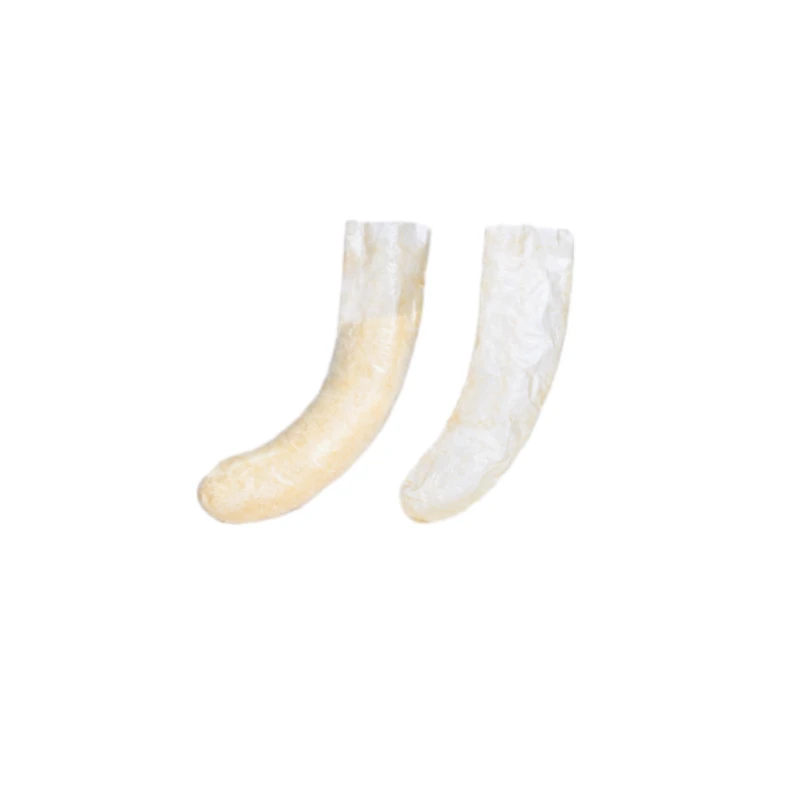
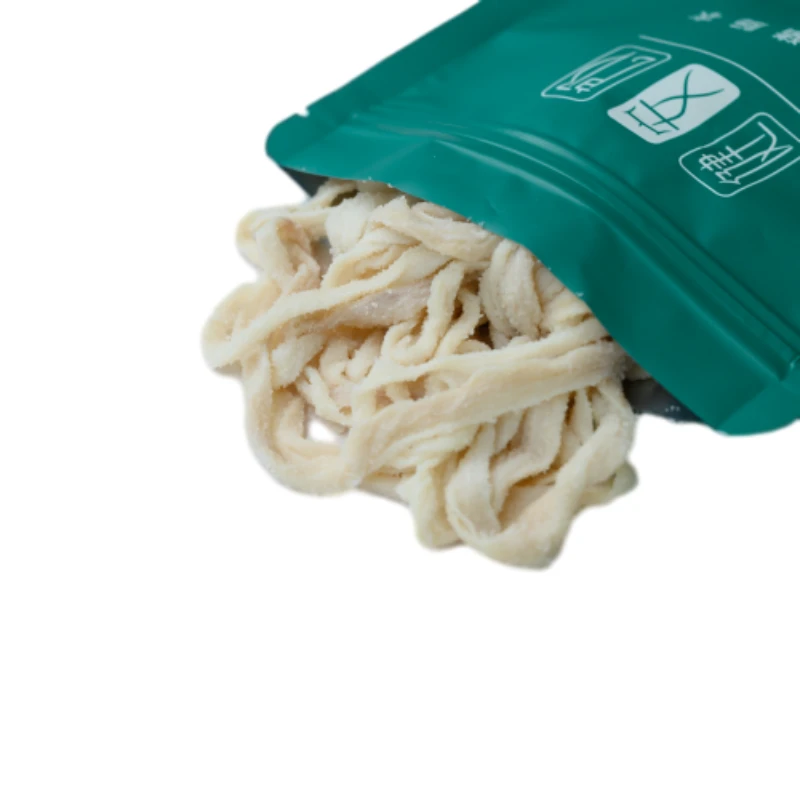
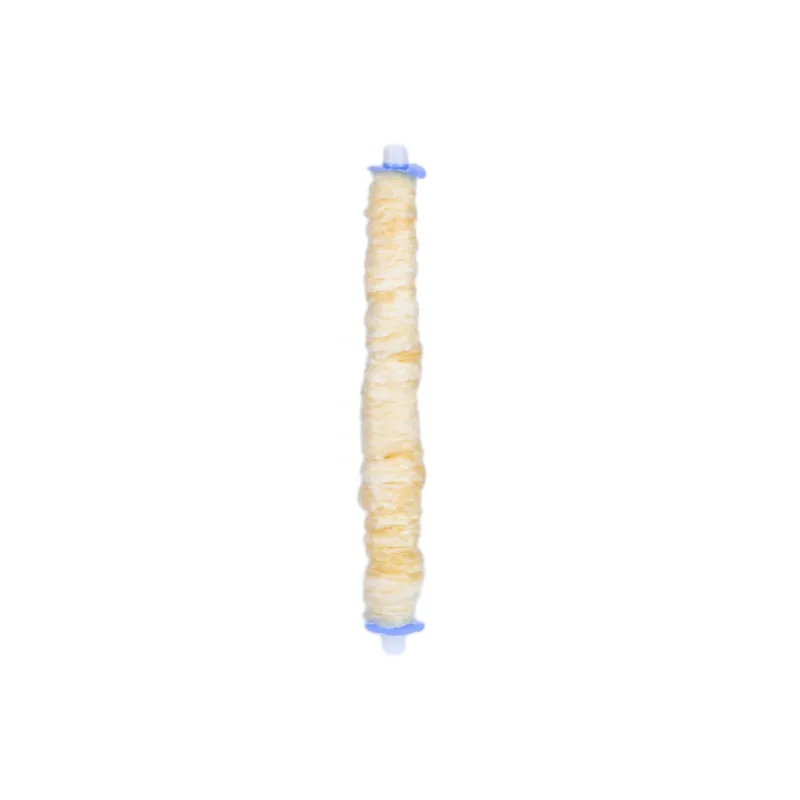
Put simply, a natural casing supplier is a business or entity that processes and delivers natural casings—usually derived from the intestines of animals such as pigs, sheep, and cows—to food manufacturers. Unlike synthetic casings made from collagen or plastic, these originate from carefully cleaned and treated organic sources.
It’s not just about the product itself. Natural casing suppliers often integrate with broader industries, including humanitarian aid (think field kitchens in disaster zones), organic meat producers, and even specialized pet food manufacturers. Their role bridges traditional food craftsmanship with contemporary global food systems.
Core Components of an Effective Natural Casing Supply
1. Consistent Quality and Safety Standards
Since natural casings are animal-based, maintaining strict hygiene and safety through processing is non-negotiable. Many suppliers comply with ISO 22000 food safety management standards to guarantee pathogen-free products ready for manufacturing or direct use.
2. Durability and Ease of Use
Good natural casings offer enough elasticity and strength to endure filling, cooking, and packaging without tearing. For industrial customers, this means less waste and smoother production lines. But odd variations happen—which is why top suppliers often grade and test their casings meticulously.
3. Traceability and Transparency
Modern consumers—and therefore manufacturers—care where products come from. Leading natural casing suppliers provide detailed traceability reports so clients can ensure animal welfare and sustainability standards are upheld.
4. Sustainable Sourcing
It can’t be overstated how crucial sustainably sourced natural casings are. Harvesting animal intestines is a byproduct of the meat industry, so smart suppliers optimize use and reduce waste. This contributes to circular economy goals.
Typical Specifications of Natural Casings
| Specification | Typical Range | Notes |
|---|---|---|
| Diameter | 12–32 mm | Common sizes for sausage varieties |
| Animal Source | Pork, sheep, beef | Each suited for different sausage types |
| Preparation | Salted, cleaned, dried | Ensures long shelf life |
| Shelf Life | Up to 2 years (vacuum-packed) | Store in cool, dry conditions |
Comparison of Leading Natural Casing Suppliers
| Supplier | Geographic Reach | Certification | Sustainability Practices | Customer Focus |
|---|---|---|---|---|
| RTCasing | Global | ISO 22000, HACCP | Circular economy byproduct use | Artisans & large processors |
| NaturalCasingCo | Europe & Americas | BRC Global Standards | Organic sourcing partners | Mid-size meat producers |
| SafeCasing International | Asia-Pacific | ISO 9001 | Waste reduction initiatives | Bulk industrial users |
How Natural Casings Are Used Around the World
Cultures worldwide have cherished their distinctive sausage traditions for centuries — and behind that, natural casing suppliers have ensured these recipes remain true. From Italian salami hung to dry in the mountains of Emilia-Romagna to wide-scale production of bratwurst in central Europe, preserving the natural casing’s texture and bite is a craft.
In remote or post-disaster relief scenarios, natural casings come into play as well. Say a humanitarian aid group is feeding displaced populations — natural casings allow for safe, nutritious sausage production without relying on synthetic inputs prone to spoil quickly or requiring refrigeration.
Mini takeaway: Natural casing suppliers play a cross-border role serving traditional artisans and emergency food programs alike.
The Advantages and Long-Term Benefits of Choosing Natural Casings
- Authentic Taste and Texture: Nothing quite matches a natural casing’s snap and chew. This sensory experience drives consumer loyalty and upholds cultural expectations.
- Sustainability: Using animal byproducts reduces waste and supports circular economies. Natural casings biodegrade far faster than plastics.
- Health and Safety: Proven processing methods ensure casings are free of harmful additives or residues common in synthetics.
- Brand Integrity: Artisanal and organic producers especially benefit from the trust earned by using natural, transparent ingredients.
Future Trends for Natural Casing Suppliers
Advancements in food tech and sustainability are reshaping how natural casings are sourced and processed:
- Improved Sterilization: New ozone and ultraviolet treatments promise safer products with less chemical residue.
- Digital Traceability: Blockchain and RFID tags let producers and consumers verify origin and handling.
- Eco-Certifications: As consumers demand transparency, suppliers are gaining certifications for animal welfare and environmental impact.
- Automation: Robotics and AI in sorting and grading casings increase throughput and reduce human error.
Common Challenges and How Suppliers Address Them
One challenge often mentioned is variability. Because natural casings come from animals with biological differences, inconsistencies arise. Skilled suppliers manage this by rigorous quality control and grading systems.
Another is supply chain disruption, especially with geopolitical or pandemic-related hurdles. Strategic stockpiling and diversified sourcing help maintain steady availability.
Finally, there’s pressure from synthetic alternatives. But suppliers who emphasize quality and eco-benefits often outpace these competitors because consumers still crave authenticity.
FAQ: Frequently Asked Questions About Natural Casing Suppliers
Q1: How do natural casing suppliers ensure product safety?
A1: Suppliers follow stringent hygiene protocols, including thorough cleaning, salting, and drying processes. Many comply with international food safety standards like ISO 22000 and HACCP, reducing risk of contamination dramatically.
Q2: Can natural casings be customized for different sausage types?
A2: Absolutely. Natural casing suppliers offer different diameters, animal sources, and prep styles to match specific products, whether you need thin casings for bratwurst or thicker ones for summer sausage.
Q3: Is sourcing natural casing sustainably possible?
A3: Yes, because natural casings are typically byproducts of meat processing. Responsible suppliers minimize waste by optimizing recovery and processing, supporting circular economy models.
Q4: What’s the shelf life of natural casings?
A4: When salted and vacuum-packed, natural casings can last up to two years if stored properly in a cool, dry place.
Q5: How do I find a reliable natural casing supplier?
A5: Look for suppliers with proper food safety certifications, transparent traceability, and positive customer testimonials. Suppliers like RTCasing offer global reach and sustainable practices.
Wrapping Up: Why It’s Wise to Partner with a Trusted Natural Casing Supplier
In real terms, a natural casing supplier influences not only product quality but also your brand’s sustainability and consumer trust. Their role is deceptively complex—marrying tradition with science, nature with technology, and local tastes with global standards.
If you’re in the sausage or processed meat business, or simply interested in sustainable food supply chains, taking the time to understand your casing source pays dividends. Ready to explore trusted suppliers? Visit RTCasing’s website today and see how experience meets innovation.