Dec . 02, 2025 18:20
Natural Hog Casings Manufacturer: Crafting Tradition with a Modern Edge
If you think about the food industry, especially the humble sausage, you might not realize how much goes on behind the scenes — and one unsung hero is the natural hog casings manufacturer. These manufacturers provide the essential, edible casings that bring so much flavor and texture to traditional sausages around the world. Beyond culinary excellence, natural hog casings matter globally as they touch on issues of food sustainability, cultural heritage, and even economic livelihoods. Understanding how these casings come to be, what challenges arise, and where the industry is headed offers a fascinating glimpse into an age-old craft meeting modern innovation.
Why Should We Care? A Global Perspective
The natural hog casings market is surprisingly significant on a worldwide scale. According to the FAO (Food and Agriculture Organization), pork is the most widely consumed meat globally, representing nearly 38% of total meat production in 2022. And natural casings, derived mainly from pig intestines, have been a preferred choice for centuries for their unbeatable texture and culinary authenticity.
Yet, this industry faces modern pressures: increased demand for hygienic and sustainable food products, supply chain disruptions, and environmental regulations. For many regions, supporting local natural hog casings manufacturers isn’t just an industry decision — it’s a cultural preservation effort and a way to empower small agricultural communities.
Mini takeaway: Natural hog casings bridge food tradition and global trade, making their manufacturing a vital sector that influences food culture and economies worldwide.
What Is a Natural Hog Casings Manufacturer?
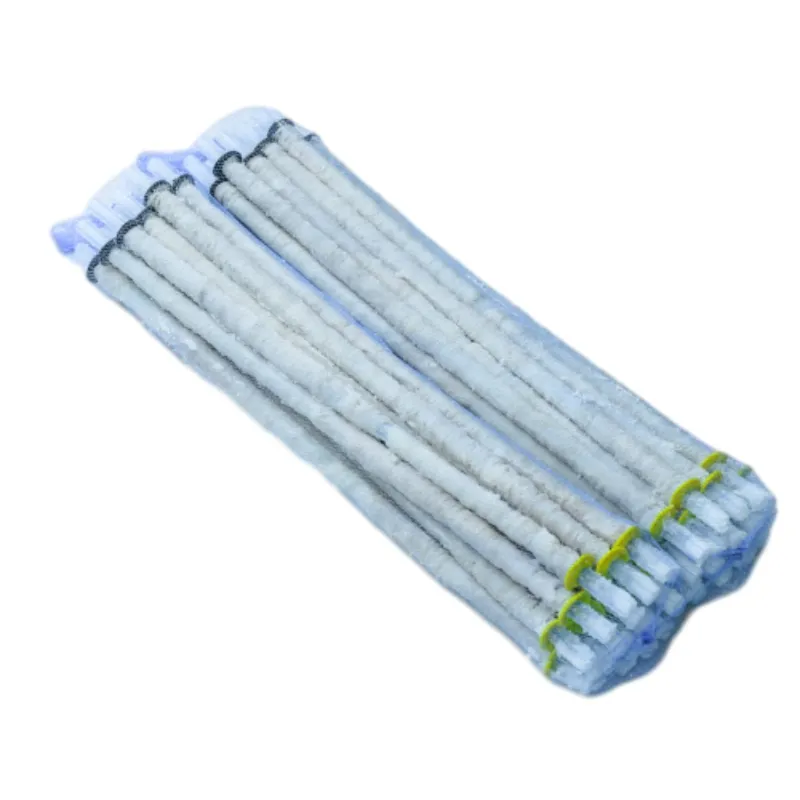
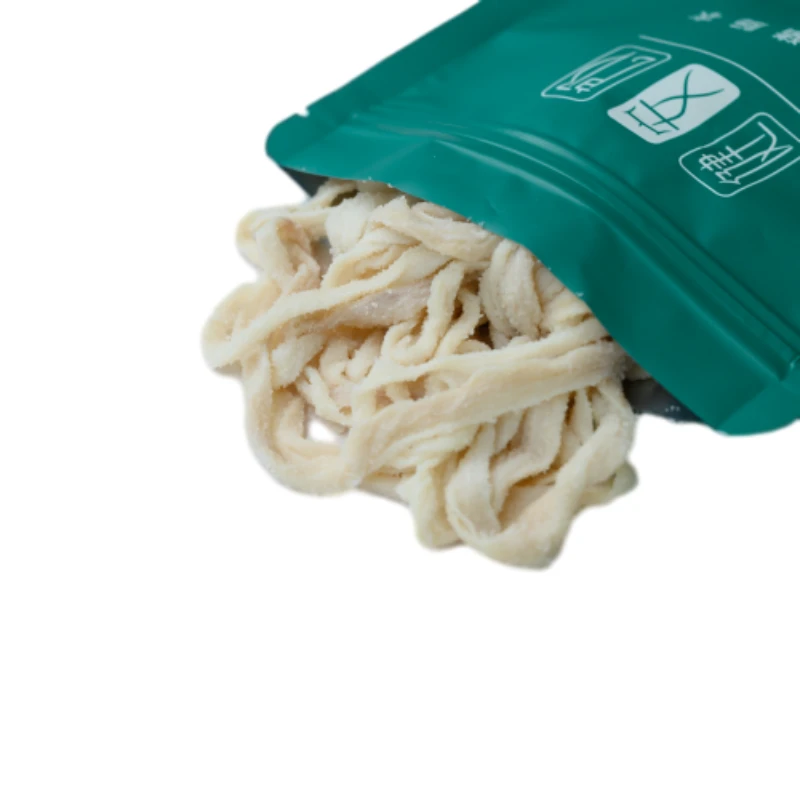
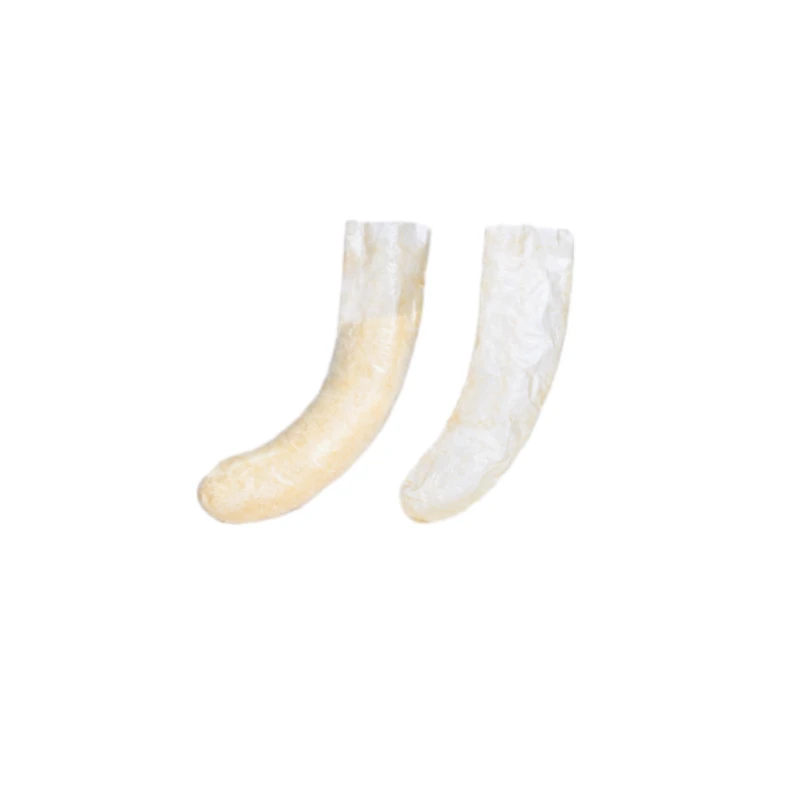
Simply put, a natural hog casings manufacturer specializes in the preparation and supply of edible casings extracted from the small intestines of pigs. Unlike synthetic or collagen casings, these are natural products that maintain the texture, peelability, and "snap" beloved by sausage aficionados.
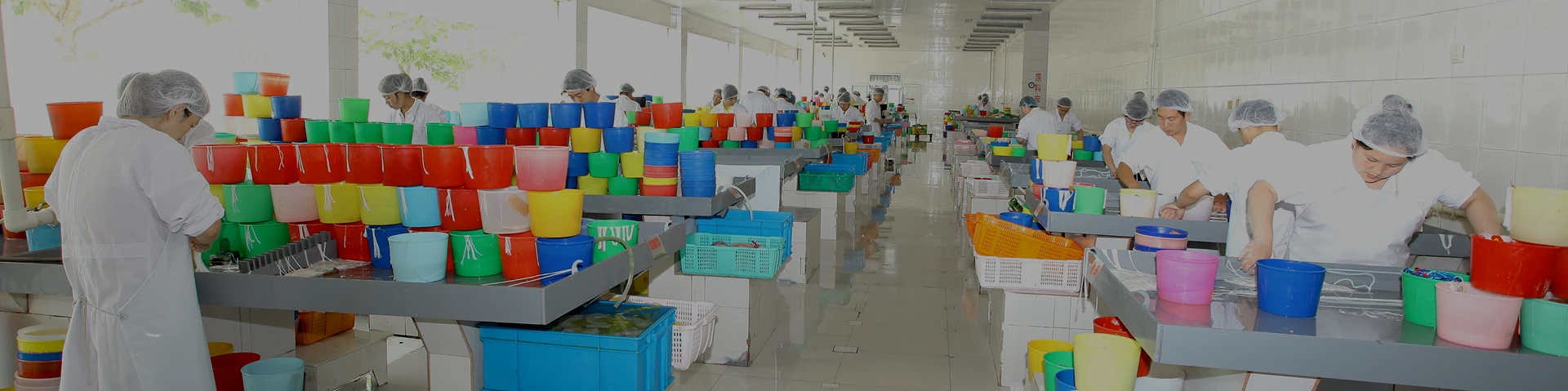
In modern industry terms, these manufacturers must balance artisanal skills with rigorous quality control, hygiene standards, and scalability — a tricky combo for a product so deeply tied to a biological source. Their role extends beyond food, too. Natural casings often find use in educational and training contexts for food science or culinary arts, and even humanitarian efforts where culturally appropriate food aid is necessary.
Core Components of the Natural Hog Casings Manufacturing Process
1. Durability and Quality Control
One of the first things every manufacturer focuses on is ensuring the hog casings retain their strength and elasticity after cleaning and processing. Durability means fewer damaged casings, less waste, and safer transport and storage. That "snap" sensation when you bite a sausage is no accident — it’s a direct result of preserving the casing’s natural collagen structure.
2. Scalability and Supply Chain Management
Demand can fluctuate with seasons and regional diets, so manufacturers must have efficient sourcing channels, often working closely with local abattoirs. Scalability also implies investing in machinery or partnering with suppliers across borders, especially in regions where pork consumption is rising fast, like parts of Asia and Eastern Europe.
3. Cost Efficiency and Sustainability
Their cost pressures are intense — needing to maintain natural product integrity while keeping prices competitive. But many companies now invest in environmentally friendly practices, such as waste reduction, water recycling, and ethical sourcing, seeing sustainability not just as greenwashing but as a long-term business cornerstone.
4. Hygiene and Food Safety Standards
As edible products, casings are subject to strict hygiene controls — from their initial cleaning to the packaging stage. Many manufacturers adhere to ISO 22000 or HACCP certifications. This ensures casings comply with global food safety standards, a must-have to access international markets.
5. Customization and Product Variety
Not all sausages are created equal. Manufacturers often tailor casing diameters and treatments depending on customer requests, whether for small artisan producers or large-scale sausage factories. This customization often requires intimate knowledge of both the casing material and end-product needs.
Mini takeaway: Success in this industry depends on blending tradition with modern manufacturing, hygiene, and sustainability — a fascinating balancing act.
Global Applications and Real-World Use Cases
- Europe: Regions like Germany, Italy, and Spain rely heavily on natural hog casings to produce their iconic sausages — bratwurst, salami, chorizo — where casing quality directly influences taste and texture.
- Asia: China and Vietnam have burgeoning demand as their pork consumption grows, making partnerships with reliable natural hog casings manufacturers crucial to meet local tastes.
- Disaster Relief: Some humanitarian agencies prefer supplying culturally familiar foods during emergencies and thus look to natural casings manufacturers for products that appeal and nourish effectively.
- Artisan Sausage Makers: Small scale charcuterie and butcher shops worldwide prize natural casings for authenticity, often sourcing directly from trusted manufacturers.
In a rough metaphor, natural hog casings manufacturers are like the invisible link between farmer, butcher, and dinner table — their reliability can make or break a sausage’s success in any market.
Advantages of Choosing Natural Hog Casings Manufacturers
- Taste and Texture: Natural elastin gives a unique bite and snap that synthetics mimic but rarely match.
- Environmental Benefits: Being a byproduct of pork processing, they’re biodegradable compared to plastics or collagen alternatives.
- Cultural Preservation: Many traditional foods rely exclusively on natural casings, so manufacturers help keep heritage alive.
- Economic Impact: Supporting these manufacturers often means supporting rural economies and small farms.
- Food Safety: When properly processed, natural casings meet stringent safety standards and reduce chemical exposure.
Mini takeaway: Natural casings provide not only culinary superiority but also environmental and cultural benefits — a win-win.
Future Trends & Innovations in the Industry
The industry is slowly but steadily embracing technology. For example, automation is helping manufacturers improve cleaning precision and reduce manual labor. Digital tracking systems are becoming standard to ensure traceability back to the source, crucial for food safety and export compliance.
Meanwhile, sustainability drives innovation toward eco-friendly packaging and waste management. Some experimental projects explore using enzymatic treatments or less water-intensive cleaning processes. And oddly enough, certifications emphasizing ethical sourcing are becoming a key competitive edge.
In real terms, the natural hog casings manufacturer of tomorrow is probably a hybrid entity — part artisan, part technologist — navigating both tradition and innovation.
Challenges and How Industry Players Tackling Them
The biggest hurdles include seasonal supply fluctuations, vulnerability to diseases impacting hog populations, and variability in casing quality. Then there’s the challenge of convincing customers to pay slightly more for "natural" when synthetic alternatives cost less.
To address these, manufacturers are investing in:
- Developing strategic supplier networks.
- Enhancing quality controls with better inspection tech.
- Educating customers on the benefits of natural casings.
- Exploring value-added services like customized sizing or pre-seasoning.
It feels like an evolving dance — accommodating market demands, public perceptions, and technological capabilities without losing the essence of what makes natural hog casings special.
Product Specification Table
| Specification | Detail |
|---|---|
| Source Animal | Domestic pig (Sus scrofa domesticus) |
| Diameter Range | 14 mm – 32 mm (custom sizes available) |
| Processing Method | Mechanical scraping, washing, salting |
| Shelf Life | Up to 2 years when properly salted and stored |
| Certifications | ISO 22000, HACCP compliant |
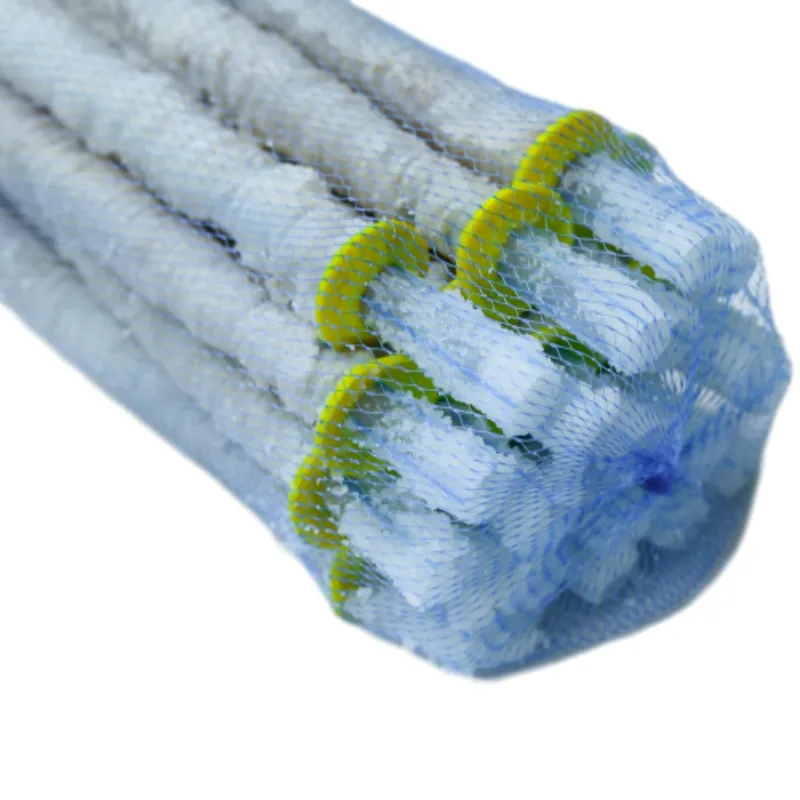
| Packaging | Vacuum sealed or salted bundles |
Vendor Comparison Table
| Feature | Vendor A | Vendor B | Vendor C |
|---|---|---|---|
| Annual Output (tons) | 500 | 350 | 600 |
| ISO 22000 Certified | Yes | No | Yes |
| Customization Options | Full | Limited | Moderate |
| Sustainable Practices | Advanced | Basic | Moderate |
| Lead Time (weeks) | 4 | 6 | 3 |
Frequently Asked Questions About Natural Hog Casings Manufacturers
Q1: How does a natural hog casings manufacturer ensure consistent quality?
Manufacturers implement strict quality control processes, including mechanical scraping to remove impurities, sanitization, and salting to preserve the casings. Additionally, adherence to ISO 22000 and HACCP standards ensures consistency and safety. Regular batch testing and supplier audits help maintain product standards.
Q2: Are natural hog casings suitable for all types of sausages?
Natural hog casings are versatile but best suited for traditional sausages that require a tender bite and characteristic snap, such as bratwurst or Italian sausages. For larger or specialty sausages, other casing types like collagen or synthetic might be preferred, but many purists swear by natural casings.
Q3: Can natural hog casings manufacturers customize casings for specific needs?
Yes, many manufacturers offer customization in diameter, thickness, and packaging to cater to artisan producers or industrial-scale sausage makers, ensuring the product meets precise culinary or production requirements.
Q4: What are the storage requirements for natural hog casings?
When properly salted and stored in a cool, dry place, natural hog casings can last up to two years. Vacuum-sealed packaging extends shelf life but refrigeration is often recommended after opening to maintain freshness.
Q5: How is sustainability addressed by natural hog casings manufacturers?
Many manufacturers focus on reducing water usage during processing, recycling waste products, and sourcing ethically from local abattoirs. Biodegradability of natural casings also supports eco-friendly objectives compared to synthetic alternatives.
In Conclusion: Why Natural Hog Casings Manufacturers Matter
Natural hog casings manufacturers might not be household names, but their impact spans food culture, sustainability, and rural economies. They are the keepers of a craft demanding both ancient knowledge and modern expertise, blending quality, hygiene, and environmental responsibility. Choosing natural casings supports not only better sausage but also a more resilient food system.
If you’re interested in exploring trusted natural hog casings, their varieties, or partnering for your sausage production, I highly recommend visiting our website for a detailed look at the latest products and services.