Dec . 02, 2025 18:02
Salted Hog Casing Manufacturer: More Than Just a Meat Industry Staple
When you hear salted hog casing manufacturer, you might think, "Okay, it’s about sausage skins," and you wouldn’t be entirely wrong. But there’s a whole global story behind this tiny slice of food processing—that affects economies, traditional industries, and even sustainability efforts worldwide. Understanding this niche supplier isn’t just for butchers or meat processors, but for anyone interested in how industries weave tradition with modern demand.
Why Should We Care About Salted Hog Casings?
Truth is, natural casings made from hog intestines have supported meat product manufacturing for centuries. Globally, the sausage industry alone is valued at several billion dollars and is growing—as people globally savour heritage food and artisanal products. According to UN sources, global meat consumption is rising steadily, with pork as one of the top meats worldwide.
Salted hog casing manufacturers play a pivotal, often unseen role by preserving these delicate natural materials—transforming them to last, travel, and provide consistent quality for sausage makers everywhere. Without their expertise, many small and large producers would struggle to deliver premium products that meet safety and quality standards. So, yeah, it actually matters quite a bit.
Mini takeaway: Salted hog casings are a vital link in food production chains worldwide, blending tradition with technical know-how to meet modern demands.
Global Industry Context: The Unsung Backbone of Sausage Production
To put it in context, the global pork market was valued at around $300 billion in recent years, with sausages being a top segment. Countries like China, Germany, and the U.S. are major producers and consumers. But here’s a wrinkle—natural casings (which include salted hog casings) face stiff competition from synthetic alternatives. Despite that, natural casings hold sway for their texture, flavor retention, and consumer preference for “natural” products.
This balance raises challenges. On one hand, manufacturers have to ensure consistent supply and quality of natural casings. On the other, they must adapt to environmental regulations, meeting hygiene and safety rules set by bodies like ISO and the USDA. Salted hog casing manufacturers are at the intersection of tradition, science, and regulatory pressure—all while managing supply chains often affected by farming realities and logistics hiccups.
Mini takeaway: These manufacturers tackle complex issues, maintaining a delicate natural product in a high-demand, highly scrutinized market.
Making Sense of Salted Hog Casings
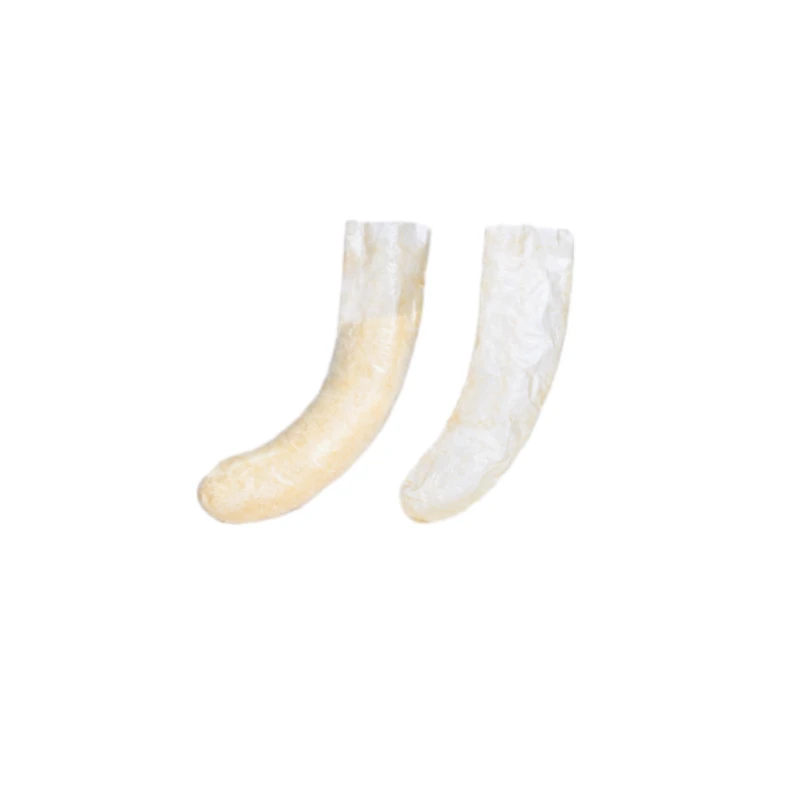
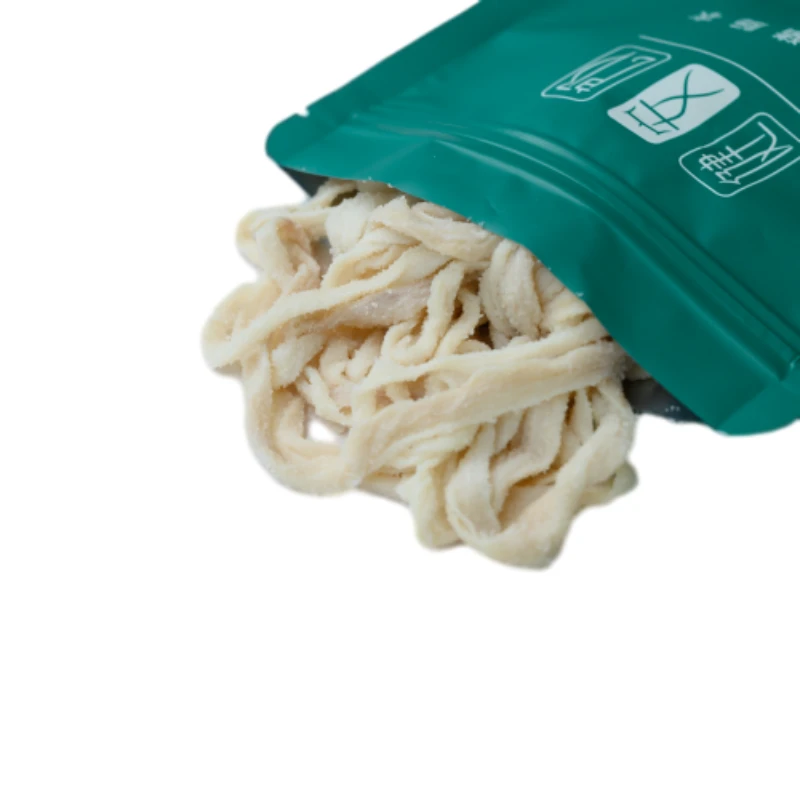
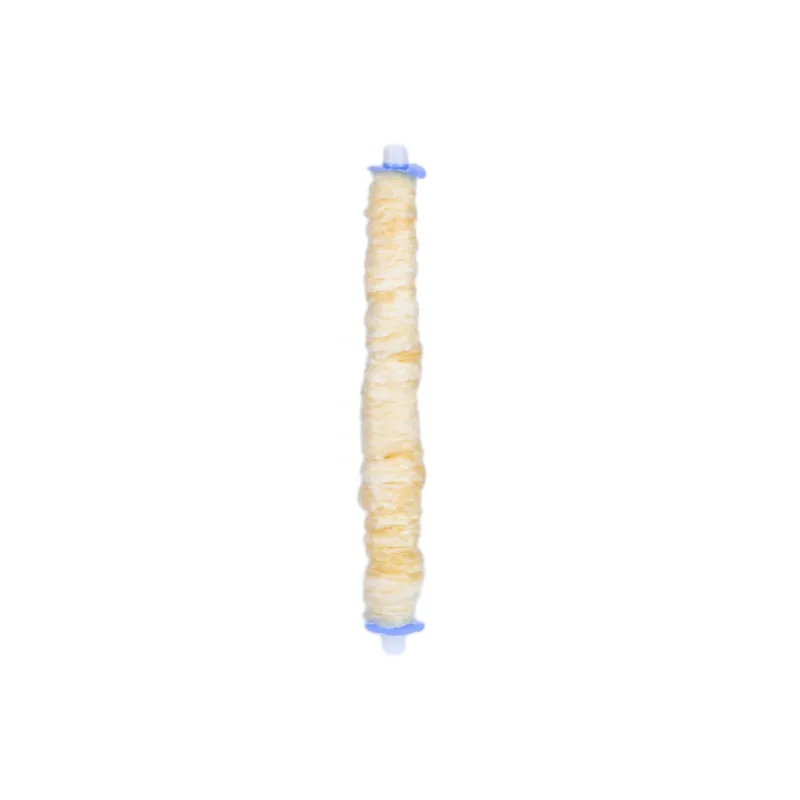
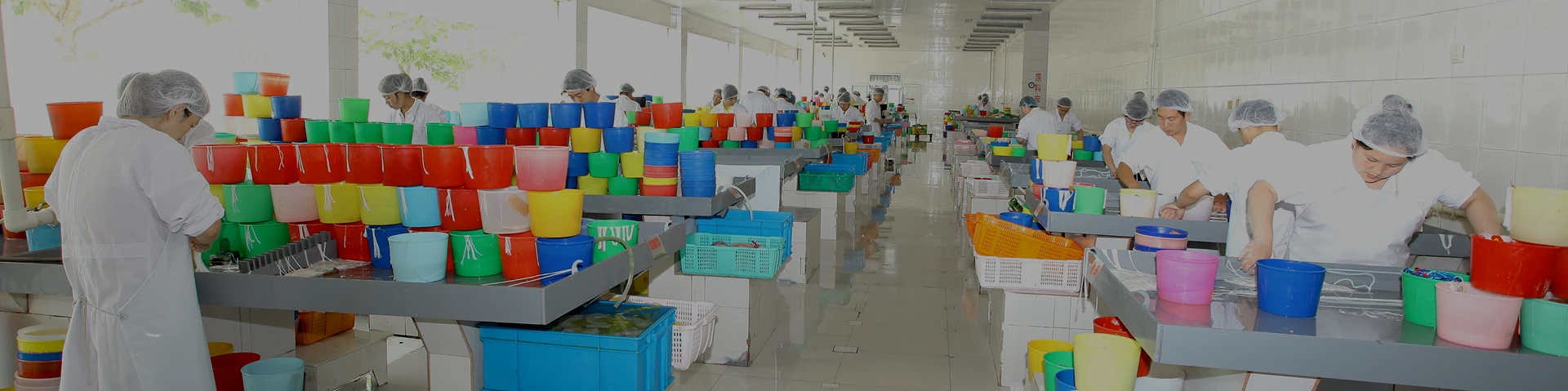
Simply put, a salted hog casing manufacturer is a specialist company that sources hog intestines and processes them into salted casings for sausage making. The process typically includes cleaning, salting (which preserves and firms the casing), drying, and packaging. These casings need to be flexible yet durable enough to withstand stuffing machines and cooking.
Interestingly, these casings also connect to humanitarian or artisanal sectors where natural, low-tech food preservation methods are prized for sustainability and local niche markets. So, their meaning goes beyond just packaging meat—it’s about preserving culinary heritage and enabling small-scale food economies.
Mini takeaway: At its core, a salted hog casing manufacturer transforms natural hog intestines into practical, preserved sausage casings through skilled, time-tested processes.
Core Components of a Quality Salted Hog Casing Solution
1. Quality Control and Hygiene
Because the product is a natural organ material, strict hygiene and quality controls are paramount. Manufacturers adhere to international standards like ISO 22000 for food safety and conduct microbial tests to ensure casings are safe and pristine.
2. Salt Curing and Preservation
Salt acts as a natural preservative, not just stopping spoilage but also firming the casing to an ideal texture for stuffing and cooking.
3. Durability and Elasticity
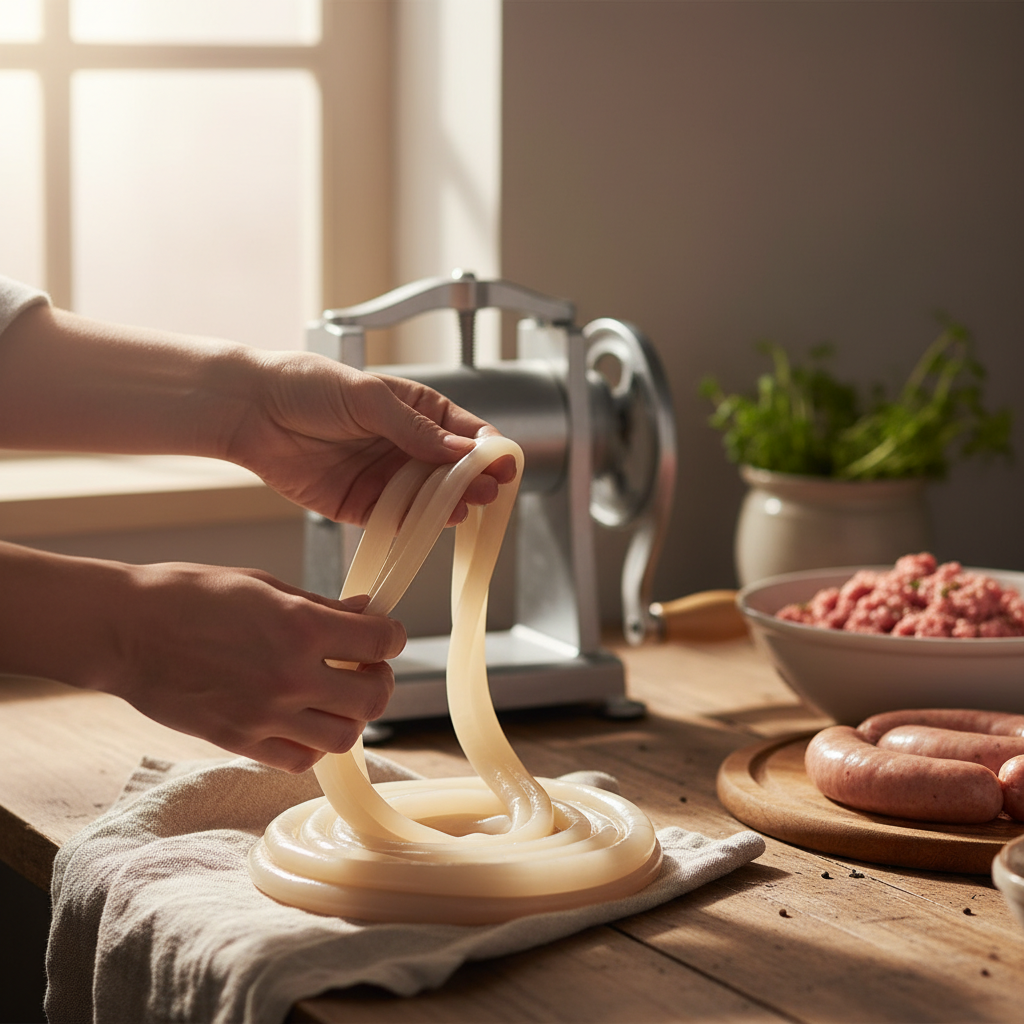
Casings must resist tearing from mechanical stuffing equipment while remaining elastic enough to hold various types of meat blends during cooking.
4. Supply Chain and Traceability
From sourcing hog intestines—often from local slaughterhouses—to final packaging, traceability ensures consistent deliveries and allows end users to verify origin and quality.
5. Customization & Packaging
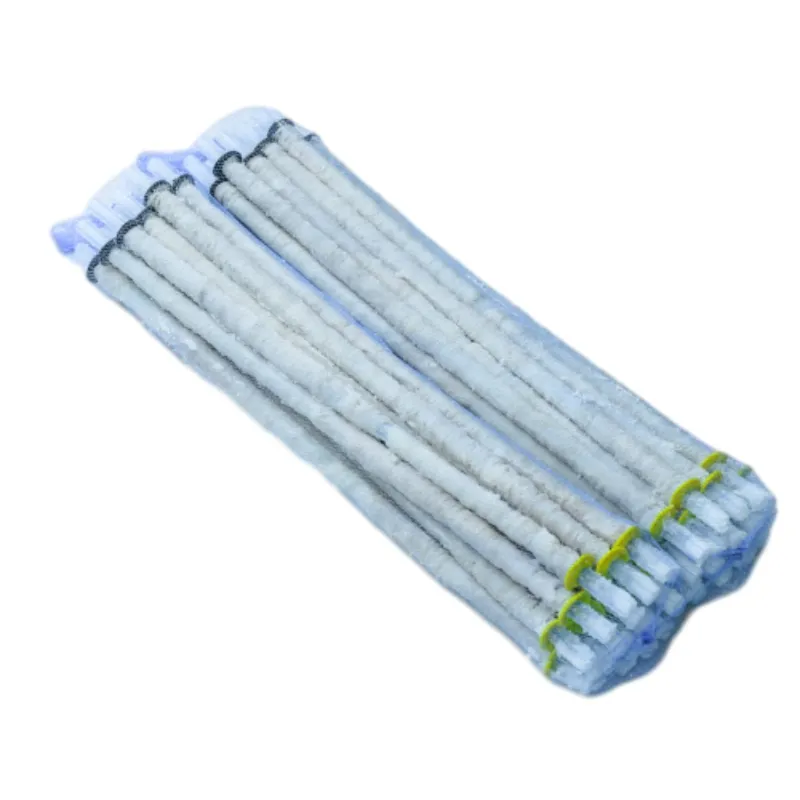
Some manufacturers offer different casing sizes, lengths, and packaging types (moist, dry, salted) tailored to client needs, improving usability in various sausage products.
Mini takeaway: The interplay of quality, preservation, physical properties, and supply reliability defines a top-notch salted hog casing supply.
Global Applications & Who Benefits
In practical terms, salted hog casings find active use across continents—Europe’s artisanal charcuterie, Asia’s rising sausage markets, or North America’s industrial-scale meatpackers. NGOs and community projects even rely on them when supporting local food industries or disaster relief food production.
- Europe: Traditional sausage makers prize natural casings for authentic products like bratwurst or chorizo.
- Asia: Expanding middle-class demand fuels a rising market for sausages and delicatessen items.
- Disaster & Relief: Some agencies use salted natural casings in field kitchens for reliable food production in tough conditions.
- Africa & South America: Local producers incorporate natural casings in rural or artisanal meat products.
Mini takeaway: The salted hog casing manufacturer’s reach is wider than expected, bridging artisanal craft to food security initiatives worldwide.
Advantages and Long-Term Value of Natural Casings
Beyond taste and tradition, salted hog casings offer tangible advantages:
- Cost Efficiency: While sometimes pricier than synthetics, their natural properties reduce waste and improve product yields.
- Sustainability: Using animal by-products reduces food industry waste streams, adding to circular economy benefits.
- Consumer Trust: Natural casings meet increasing demands for clean-label, non-synthetic ingredients.
- Food Safety: When properly processed, these casings support safe food production with low contamination risks.
- Emotional Connection: Many consumers appreciate the tradition and authenticity associated with natural casings.
Mini takeaway: Salted hog casings marry commercial sense with ecological and cultural value, which many find compelling.
Looking Ahead: Innovations & Trends
In future, the salted hog casing sector faces pressures and opportunities alike. Automation in casing sorting and washing increases efficiency. More eco-conscious manufacturing uses greener salts and water-saving techniques. Some research explores hybrid casings combining natural material with bio-compatible coatings for extended shelf life.
Additionally, digital traceability via blockchain technology is emerging, reassuring customers about origin and safety in a transparent way. Industry associations also push tighter sustainability guidelines, so manufacturers innovating early may set standards for decades.
Mini takeaway: The future of salted hog casing manufacturers blends tradition with tech—securing their place in a sustainable, traceable food system.
Challenges and Solutions in Current Manufacturing
Obtaining consistent quality inputs is tricky; farm animal health, slaughter practices, and seasonal variability all affect raw materials. Plus, regulatory complexity and international logistics can pinch small manufacturers.
To overcome these, larger manufacturers invest in supplier partnerships, better testing labs, and flexible logistics. Technology enables improved preservation methods to extend casing shelf life without quality loss. Collaboration with industry groups helps align standards globally.
Mini takeaway: The salted hog casing supply chain is complex, but ongoing innovation and partnerships help ease long-standing challenges.
Product Specification Table
| Specification | Details |
|---|---|
| Material | Hog Small Intestines (natural) |
| Preservation Method | Salt curing |
| Diameter Range | 16 - 28 mm (custom sizing available) |
| Length per Bundle | 50 - 60 meters |
| Packaging | Vacuum-sealed or plastic-wrapped bundles |
| Shelf Life | Up to 12 months refrigerated |
Vendor Comparison: Leading Salted Hog Casing Manufacturers
| Vendor | Quality Standards | Range of Sizes | Global Reach | Price Level |
|---|---|---|---|---|
| RTCasing | ISO 22000, USDA | 16-28 mm, customizable | Asia, Europe, Americas | Mid-range |
| NaturalSkin Ltd. | ISO 9001, HACCP | 18-30 mm | Europe, Middle East | Premium |
| CasingWorld | FDA Approved | 14-25 mm | North America, Asia | Budget |
FAQ: Frequently Asked Questions About Salted Hog Casing Manufacturers
1. How long do salted hog casings last when stored properly?
When stored in a cool, dry, and refrigerated environment, salted hog casings can last up to 12 months without losing quality. Proper packaging like vacuum-sealing helps significantly extend shelf life by preventing moisture and contamination.
2. Can I customize the size of the casings for specific sausage types?
Yes, many reputable salted hog casing manufacturers, including salted hog casing manufacturer specialists, offer a range of diameters and lengths to suit different sausage varieties, from small breakfast links to larger frankfurters.
3. Are natural hog casings better than synthetic alternatives?
Natural casings are preferred for their texture, breathability during cooking, and the authentic "snap" they give sausages. Though synthetics offer consistency and sometimes easier handling, many artisanal producers still swear by natural hog casings.
4. How do manufacturers ensure the safety of salted hog casings?
By following strict hygiene protocols, including thorough cleaning, salt curing, microbiological testing, and adhering to standards like ISO 22000, manufacturers mitigate contamination risks and provide safe products for food production.
5. Is it possible to import salted hog casings for small-scale production?
Absolutely. Import regulations vary by country, but many salted hog casing manufacturers offer export services with proper documentation. Partnering with experienced suppliers helps navigate customs and compliance smoothly.
Conclusion: Why the Salted Hog Casing Manufacturer Really Matters
So, what’s the bottom line? Salted hog casing manufacturers are quietly crucial players ensuring that sausage makers worldwide get reliable, high-quality natural casings. Their work touches on tradition, food safety, sustainability, and evolving food demands.
If you’re in the food production scene—or simply curious about how authentic sausages come to life—checking out trusted suppliers like salted hog casing manufacturer options is a smart step.
Curious to explore the freshest offerings and latest standards? Visit our website to dive deeper.
References:
1. UN Food and Agriculture Organization, "World Meat Market Trends," fao.org
2. ISO Food Safety Management, "ISO 22000 Overview," iso.org
3. USDA Food Safety, "Natural Casing Requirements," fsis.usda.gov