Nov . 30, 2025 07:25
Sheep Casings: A Natural Solution with Global Impact
If you’ve ever savored a traditional sausage, chances are you tasted a product encased in sheep casings. But beyond the kitchen, sheep casings represent an important micro-industry bridging food culture, global trade, and sustainable manufacturing.
Understanding sheep casings isn't just about appreciating charcuterie’s craftsmanship; it’s also about recognizing a material with wide-reaching benefits—environmental, economic, and cultural. Oddly enough, this humble product connects a chain from farmers and processors to global consumers and exporters, embodying centuries of tradition adapted for modern use.
Why Sheep Casings Matter Globally
Globally, sheep casings are a small but mighty piece of the meat processing puzzle. According to data from the United Nations Food and Agriculture Organization (FAO), worldwide sheep populations are over 1 billion heads, with significant production in regions like the Middle East, Europe, Australia, and parts of South America. This abundance sustains not only the meat industry but also the supply of natural casings. In fact, the global natural sausage casing market is projected to grow annually, fueled by rising demand for organic and clean-label food products.
But the story goes beyond food: producers and exporters grapple with quality control, sustainability issues, and international trade regulations. Plus, the increasing focus on eco-friendly alternatives to synthetic casings means sheep casings often serve as a preferred choice for consumers and manufacturers alike.
For example, in the Mediterranean region, shepherding and casing production have supported rural economies for generations, directly linking tradition to global supply chains. In a way, sheep casings solve the challenge of providing natural, biodegradable packaging—something more important in today’s sustainability-conscious world.
What Exactly Are Sheep Casings?
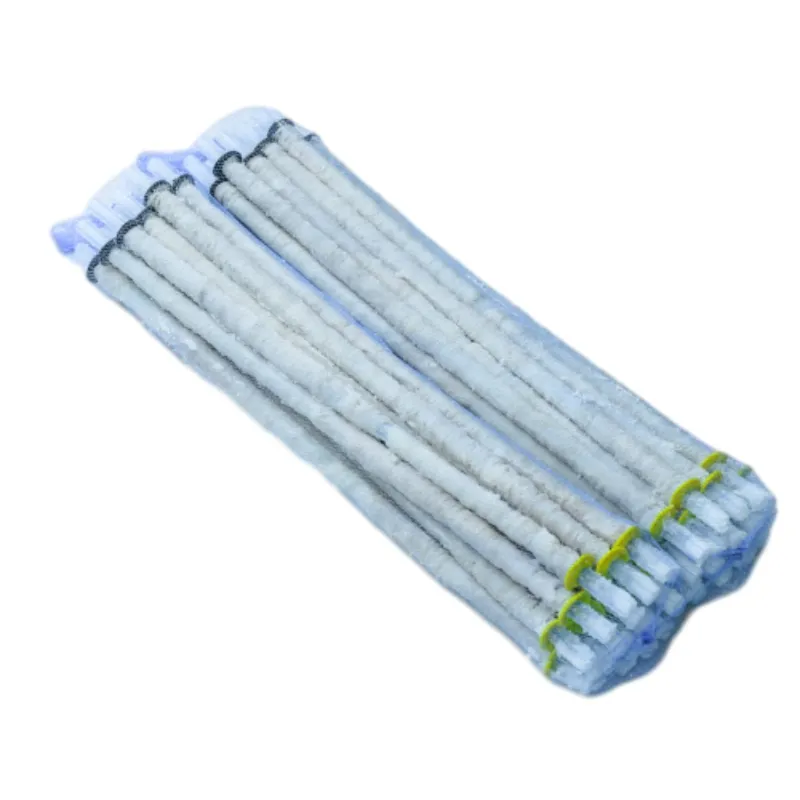
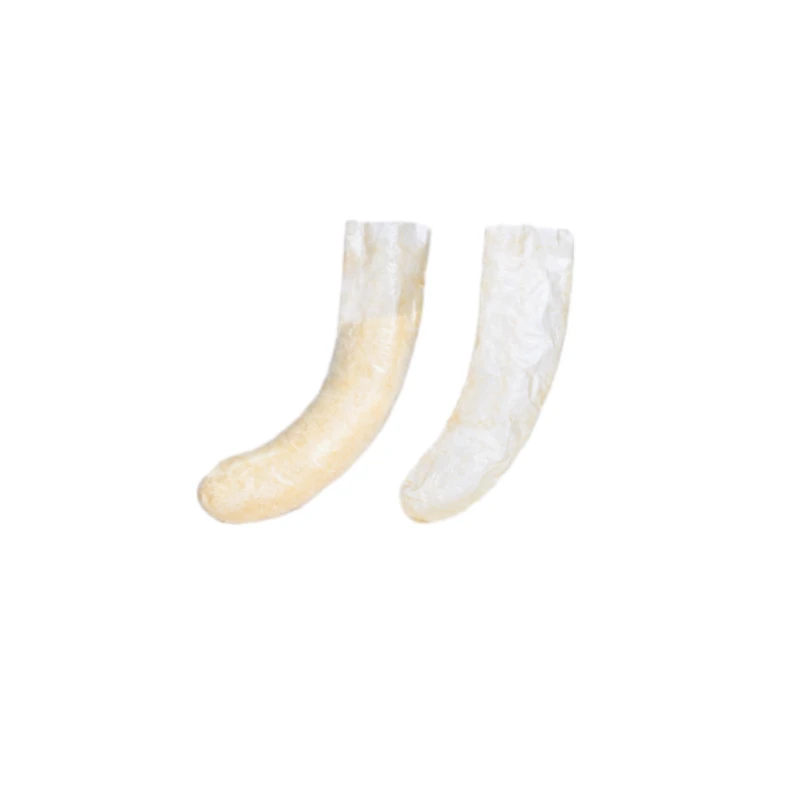
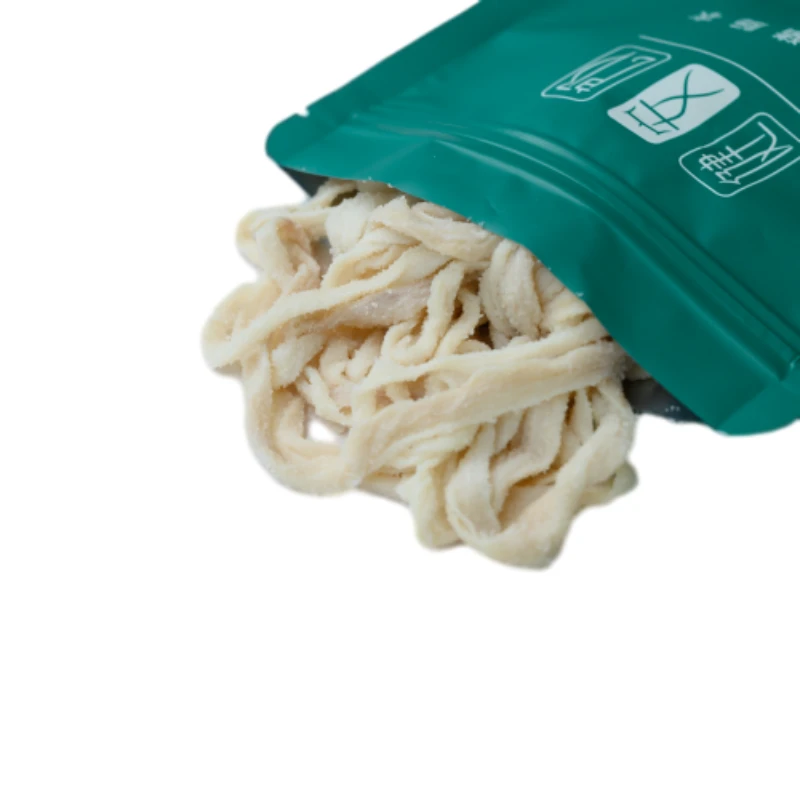
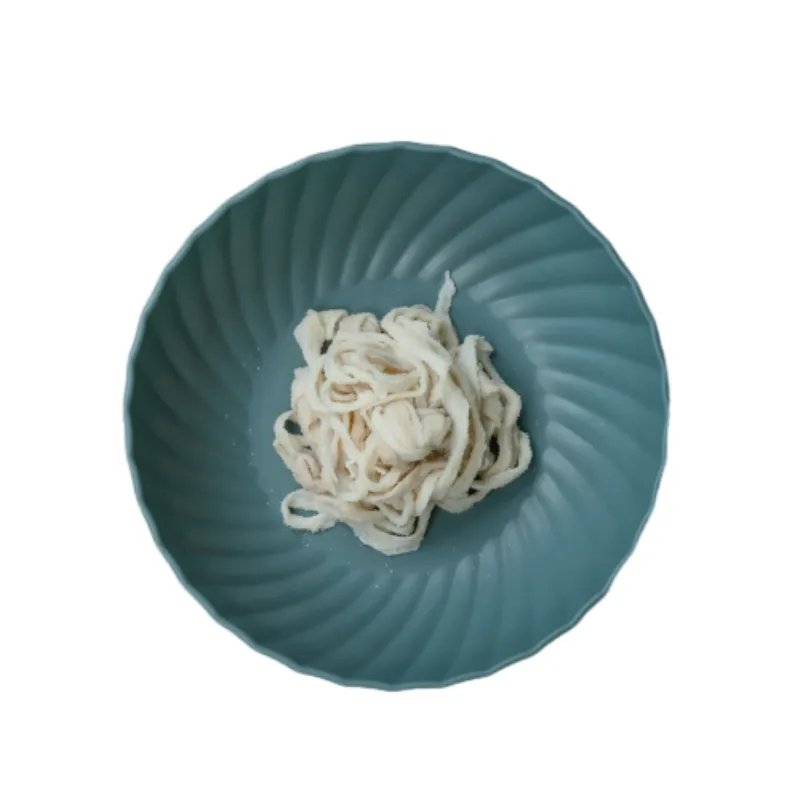
Simply put, sheep casings are the cleaned and processed intestines of sheep used primarily as the natural casing for sausages. Unlike synthetic or collagen casings, they provide a natural bite and texture that many food artisans swear by. In technical terms, these casings are gathered from the small intestines, thoroughly cleaned, and prepared for stuffing.
They bridge the gap between traditional food preparation and the industry’s efforts to maintain authenticity and bio-based production. Beyond food, sheep casings occasionally show up in niche markets—like biodegradable tubing or specialty crafts—although food remains their primary domain.
Key Characteristics of Sheep Casings
1. Durability and Elasticity
One of the reasons sheep casings remain popular is their impressive elasticity. These casings stretch well during the stuffing process yet resist bursting when cooked or smoked. Their durability ensures a consistent product shape and texture.
2. Natural Origin and Sustainability
Because sheep casings derive from renewable animal sources, they make far less ecological impact than synthetic alternatives. Their biodegradability ensures minimal waste, aligning well with increasing demands for sustainable packaging materials.
3. Versatility Across Sausage Types
The relatively small diameter of sheep casings makes them ideal for specialty sausages such as breakfast links, bratwursts, or gourmet products. They lend themselves well to smoking, drying, and curing.
4. Cost Efficiency in Production
For processors and manufacturers, sheep casings balance cost and quality. While slightly pricier than synthetic options, their natural appeal justifies premium products' price point.
5. Regulatory Compliance and Food Safety
Processed under strict hygiene controls, sheep casings meet international food safety standards, easing export and import hurdles in global trade.
Sheep Casings in Real-World Applications
In practical terms, sheep casings grace grocery shelves, food festivals, and butcher shops from Europe to Asia to the Americas. Some of the most notable applications include:
- Traditional Sausage Making: Countries like Germany, Italy, and Spain use sheep casings extensively in regional specialties.
- Export Markets: Australia, New Zealand, and Uruguay have developed strong sheep casing export industries supporting rural livelihoods.
- Post-Disaster Relief Food Supply: NGOs rely on durable casing-based products that can be transported easily and meet diverse nutritional needs.
- Artisanal Food Businesses: Small-scale producers leverage natural casings to appeal to consumers seeking authentic, organic products.
Example: In remote industrial zones, packaged sausages with natural casings provide reliable nutrition for workers in harsh conditions, highlighting both casing durability and natural appeal.
Product Specification Table
| Specification | Typical Range | Units |
|---|---|---|
| Diameter (caliber) | 16–22 | mm |
| Length | 40–60 | meters / pack |
| Tensile Strength | 550–700 | kPa |
| pH (processed) | 5.5–6.1 | - |
| Moisture Content | 65–75 | % |
Comparing Top Sheep Casing Vendors
| Vendor | Origin | Quality Grade | Price Range (USD/meter) | Export Capabilities |
|---|---|---|---|---|
| RTCasing | Romania | Premium | 0.12–0.18 | Worldwide |
| SheepCo | Turkey | Standard | 0.10–0.15 | Europe & Middle East |
| LambLink | New Zealand | Premium | 0.14–0.20 | Worldwide |
Advantages and Long-Term Value of Sheep Casings
The advantages of sheep casings come on multiple levels. First, there’s the tactile satisfaction of a natural casing—chefs and consumers alike often highlight the superior texture and taste. Then there’s the social value: sourcing sheep casings supports rural farmers and processors, sustaining economies in developing regions.
From an environmental perspective, the biodegradability of natural casings drastically reduces plastic waste problems prevalent with synthetic alternatives. Considering the global push for sustainability, sheep casings remain a smart choice for manufacturers aiming to innovate responsibly. They feel authentic—both literally and figuratively—which builds consumer trust.
Finally, the economic side matters: though priced slightly above some synthetics, their durability reduces spoilage and returns, turning long-term value into immediate cost savings.
Looking Ahead: Innovations Shaping the Future of Sheep Casings
Innovation is stirring in this centuries-old industry. Scientists and food engineers are experimenting with enhanced cleaning processes that maintain casing integrity while reducing water and chemical use—this aligns with ISO sustainability metrics. There's also early-stage research into digital quality tracing, helping consumers track casing origin to promote transparency.
Automation in production plants is growing, too, enabling faster processing without compromising natural quality. Oddly enough, even things like UV sterilization and bio-coating treatments are being trialed to extend shelf life without additives—pushing natural casings closer to modern food tech standards.
I suppose as more consumers demand “clean labels” and sustainably sourced foods, sheep casings will increasingly serve food manufacturers worldwide.
Challenges Faced and Potential Solutions
It’s not all rosy, of course. Challenges include variability in raw materials — after all, natural products aren’t as uniform as synthetics. Seasonal and regional supply fluctuations also complicate large-scale operations.
Furthermore, regulatory hurdles differ by country, sometimes restricting imports or mandating cumbersome certification.
However, industry leaders propose standardization of grading and processing methods. Collaborations between exporters and regulatory bodies aim to smooth cross-border logistics. Plus, advances in microbiological controls promise to mitigate food safety concerns.
FAQ: Common Questions About Sheep Casings
Q1: How long do sheep casings typically last when stored properly?
Stored under refrigerated conditions (around 4°C) and kept moist, sheep casings can last several months. Dry or salted casings, when stored in cool, dry places, may last even longer—up to a year. However, manufacturers recommend careful visual and sensory inspection before use to ensure freshness.
Q2: Are sheep casings suitable for all types of sausages?
While ideal for many small and medium-sized sausages, sheep casings may not be suited for very large or heavily processed products where thicker casings (like hog or beef) are preferred. Their smaller diameter lends them particularly well to specialty sausages and artisan foods.
Q3: Can synthetic casings replace sheep casings entirely?
Synthetic options offer uniformity and cost advantages but often lack the natural bite and flavor impact of sheep casings. For producers targeting premium or traditional markets, sheep casings remain unmatched.
Q4: How do I import sheep casings internationally?
Importers should verify that suppliers follow stringent hygiene standards (like HACCP) and comply with destination country regulations. Partnering with experienced vendors who handle export documentation simplifies the process.
Conclusion: Why Sheep Casings Still Matter
All said and done, sheep casings represent a fascinating blend of history, sustainability, and culinary artistry. They help uphold quality in the food industry while supporting environmental goals and rural economies worldwide. It’s not just a casing; it’s a story of natural resources working hard in a modern world.
If this has piqued your interest or you’re looking for premium, reliable sheep casings, visit our website at RTCasing. The future of quality sausage starts with the right casing.