Nov . 29, 2025 12:10
What Are Natural Lamb Casings and Why They Still Matter Globally
When we talk about natural lamb casings, we’re really diving into one of the oldest and most fascinating materials in the food industry. If you’ve ever savored a finely crafted sausage, chances are it was wrapped in something natural — and not synthetic. But beyond just making our taste buds happy, natural lamb casings carry weighty significance worldwide: from cultural culinary traditions to economic livelihoods in rural communities. Oddly enough, this simple product bridges small-scale farmers and global markets, and understanding its core benefits means appreciating its sustainability, quality, and role in modern food security.
Global Context: Why Natural Lamb Casings Are More Relevant Than You Might Think
Globally, the demand for meat products and artisan sausages is rising, driven by expanding middle classes in Asia, Europe, and North America. According to the UN Food and Agriculture Organization (FAO), over 70 million sheep are slaughtered annually for meat worldwide — many of these providing lamb casings as a byproduct.
Yet, the manufacturing and trade of natural lamb casings is not without challenges. These casings are delicate, intensive to process, and require strict hygiene standards. Meanwhile, synthetic alternatives keep gaining market share due to cost, prompting concerns about preserving natural, high-quality casings within global food supply chains.
Therefore, understanding natural lamb casings’ role is essential not only for producers but for food technologists, distributors, and even humanitarian organizations where nutrition and food preservation are of high importance.
Defining Natural Lamb Casings in Simple Terms
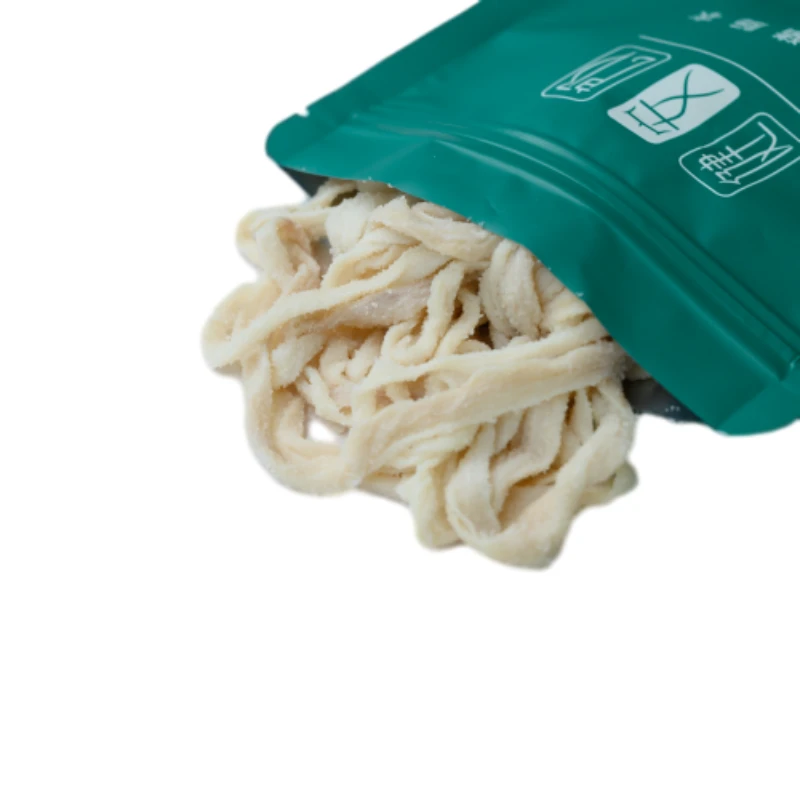
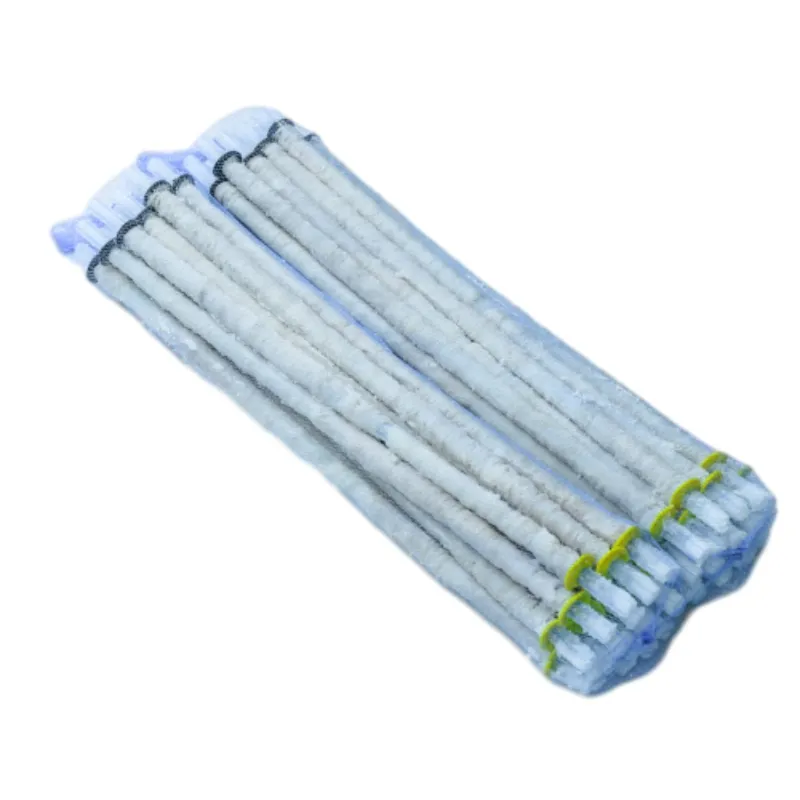
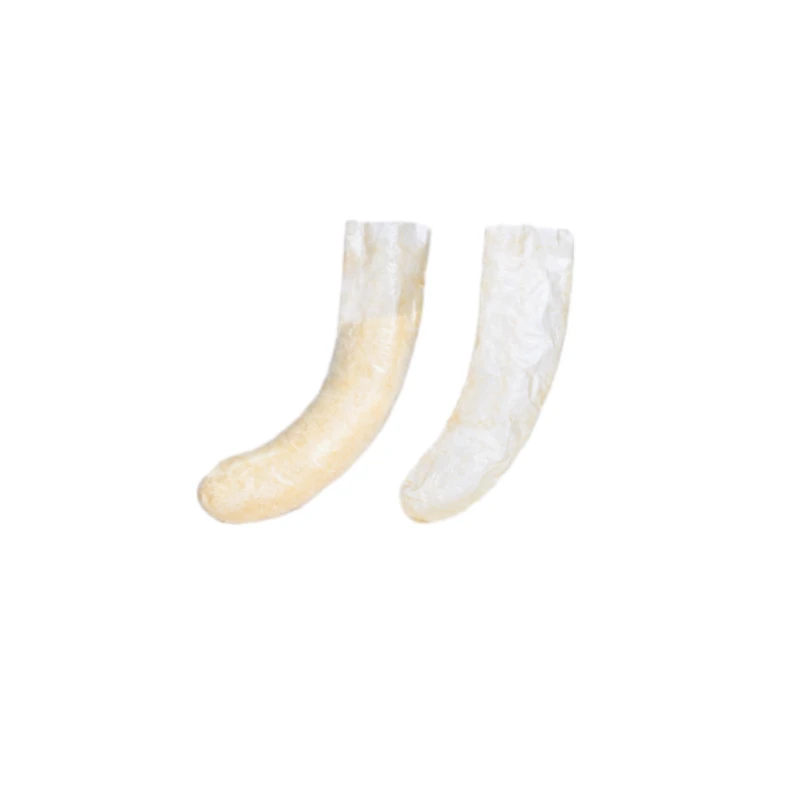
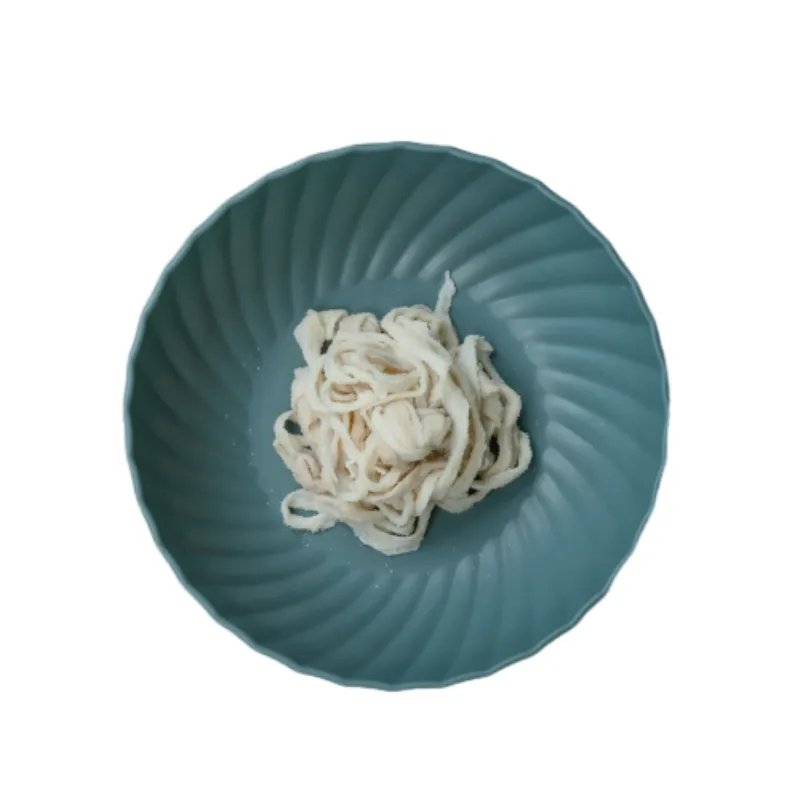
Natural lamb casings are, quite simply, the cleaned and processed intestines of lambs. They form the traditional casing material primarily used in sausage making. Unlike synthetic casings made from collagen or cellulose, natural casings offer unique elasticity, breathability, and flavor enhancement.
These casings are carefully harvested, salted, and prepared to ensure safety and longevity, connecting time-honored artisanal butchery methods with today’s food industry standards. They play a surprising role in industries seeking natural, biodegradable packaging and even in humanitarian efforts requiring reliable food supplies.
Key Characteristics of Natural Lamb Casings
1. Durability and Texture
Natural lamb casings provide unbeatable texture — thin yet strong enough to hold sausage meat securely during cooking. Their delicate casing delivers a bite that synthetic alternatives haven’t replicated quite the same way.
2. Flexibility and Sizing
Sourced from lambs, these casings generally range between 16 to 22 mm in diameter. This makes them ideal for fine sausages, a boon for sausage artisans who require consistent size and shape. The flexibility also allows for easy stuffing and shaping while preserving meat integrity.
3. Food Safety and Processing Standards
Modern processing methods adhere to strict international hygiene and quality controls — following ISO standards like ISO 22000 for food safety management. Processing ensures these casings are free from pathogens yet maintain their natural properties.
4. Environmental Impact and Sustainability
Since natural lamb casings are a byproduct of meat consumption, they contribute to zero waste principles and biodegrade naturally. This eco-friendliness appeals increasingly to sustainability-conscious producers and consumers alike.
5. Cost Considerations
While natural casings are typically more expensive than synthetics, their quality and culinary results justify the premium in many markets. They also offer a stable supply chain when managed carefully.
Mini Takeaway
Natural lamb casings balance tradition with modern quality demands — delivering texture, environmental benefits, and food safety.
Global Applications & Practical Use Cases
Natural lamb casings find their niche mainly in traditional sausage making across Europe, the Middle East, and parts of Asia — think of beloved products like merguez, soujouk, or bratwurst. They’re also popular among gourmet food producers globally, delivering authentic culinary experiences that synthetic alternatives rarely match.
Beyond gastronomy, humanitarian groups have turned to natural lamb casings to package nutrient-dense food items in disaster zones, especially where refrigeration infrastructure is limited. Their biodegradability and flexibility add to their favor in remote industrial zones or eco-tourism lodges emphasizing local, sustainable sourcing.
Advantages and Long-Term Value of Choosing Natural Lamb Casings
- Superior taste and texture: Provides a bite that enhances the eating experience.
- Biodegradable and sustainable: Naturally decomposes, reducing plastic use.
- Supports rural economies: Many small farmers and processors depend on casing trade revenues.
- Cultural authenticity: Keeps traditions alive in food production.
- Food safety: High hygiene standards prevent contamination.
The emotional satisfaction that comes from savoring traditionally crafted meat products adds a human dimension — something many food enthusiasts and producers treasure deeply.
Product Specification: Typical Natural Lamb Casings
| Specification | Details |
|---|---|
| Diameter Range | 16 – 22 mm |
| Processing Type | Salted & cleaned, packed in brine |
| Shelf Life | 12 – 24 months (refrigerated) |
| Material Source | Lamb intestine, naturally sourced |
| Food Safety Certifications | ISO 22000, HACCP compliant |
Leading Vendors of Natural Lamb Casings: A Quick Comparison
| Vendor | Product Quality | Global Reach | Certifications | Customer Support |
|---|---|---|---|---|
| RTCasing | Premium, consistent diameter | Europe, Middle East, Asia | ISO 22000, HACCP | 24/7 multilingual support |
| Natural Casings Co. | Good, seasonal variation | North America, Europe | FDA approved | Standard business hours |
| Heritage Casings | Artisanal focus | Europe only | EU GMP certified | Strong regional relations |
Future Trends: What’s Next for Natural Lamb Casings?
The trend towards sustainability can’t be overstated. As more food producers seek eco-friendly alternatives, natural lamb casings stand to gain from innovations in quality control and traceability. For example, blockchain technology might track casing origins to assure customers of ethical sourcing.
Moreover, developments in freeze-drying and preservation techniques aim to extend shelf life while keeping casings fresh. Automation in processing plants allows for faster, safer packaging without compromising tradition.
And one last observation — even as synthetic casings evolve, natural ones maintain a loyal market due to heritage and sensory qualities. Perhaps a hybrid approach is on the horizon, blending tech and tradition.
Challenges in the Industry & Expert Solutions
Natural lamb casings do come with some hurdles — supply fluctuates with animal populations and slaughter rates, and processing requires specific expertise to avoid contamination. Also, seasonal demand spikes can cause shortages.
Experts suggest solutions like fostering local supply chains, investing in rigorous processing training, and adopting digital inventory management. Collaborations between producers and NGOs also help stabilize markets and share best practices.
FAQ: Your Natural Lamb Casings Questions Answered
Q1: How do natural lamb casings compare with synthetic ones in flavor?
A: Natural lamb casings tend to impart a more authentic bite and subtle taste enhancement to sausages, unlike synthetic casings which are flavor neutral but sometimes less textured. This results in a preferred eating experience for many connoisseurs.
Q2: Can natural lamb casings be used for all types of sausage?
A: They are best suited for smaller diameter sausages due to their size and elasticity. For larger sausages, hog or beef casings are more appropriate. But for fine, artisan sausages, lamb casings remain a gold standard.
Q3: What storage conditions best preserve natural lamb casings?
A: Natural lamb casings should be stored refrigerated in their salted brine to maintain flexibility and hygiene. When properly stored, they can last up to two years but should be handled carefully to avoid damage.
Q4: Are natural lamb casings sustainable?
A: Yes, because they’re a byproduct of lamb meat production, they reduce waste and are biodegradable, unlike many synthetic options. Sustainable sourcing and processing reinforce their eco-friendly profile.
Q5: How can I ensure food safety when using natural casings?
A: Purchase from reputable suppliers who comply with ISO 22000 or HACCP standards, handle casings with clean hands and tools, and always cook sausages to safe temperatures.
Conclusion and Call to Action
To sum it all up, natural lamb casings are much more than just sausage wrappers. They embody a centuries-old tradition while meeting modern food safety and sustainability expectations — balancing artisanal quality with global market demands. Choosing natural casings supports environmentally responsible sourcing, enriches culinary experience, and strengthens rural economies.
Interested in exploring premium natural lamb casings? Visit https://www.rtcasing.com to learn more about sourcing, products, and how you can integrate them into your food production.