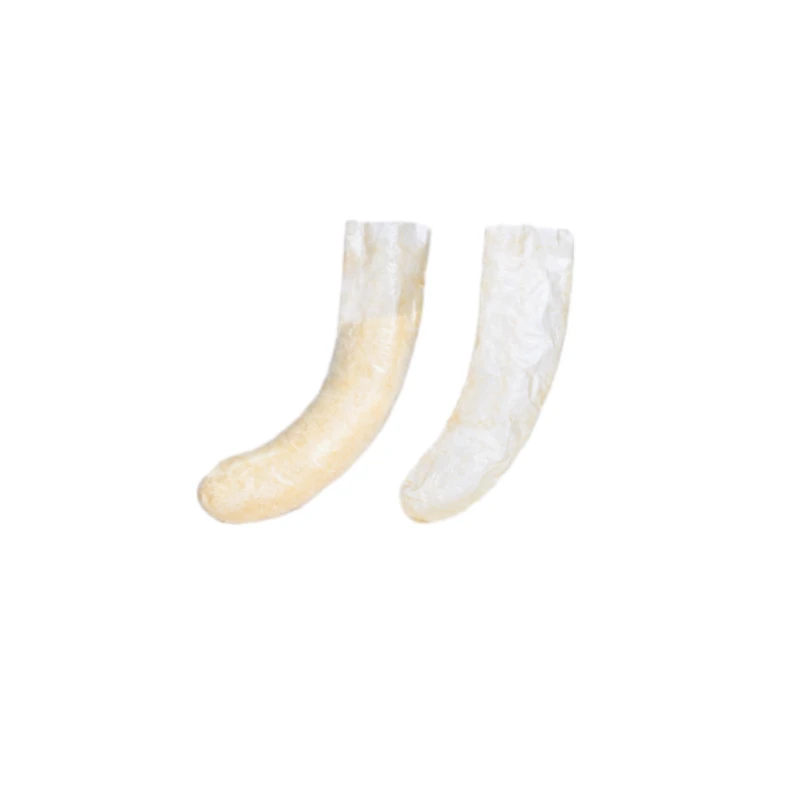
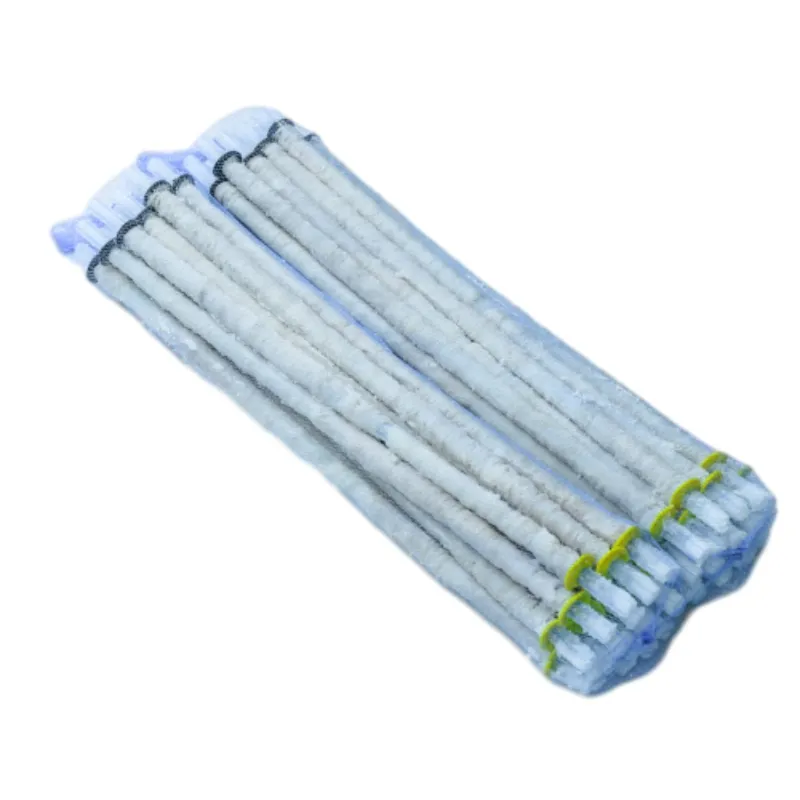
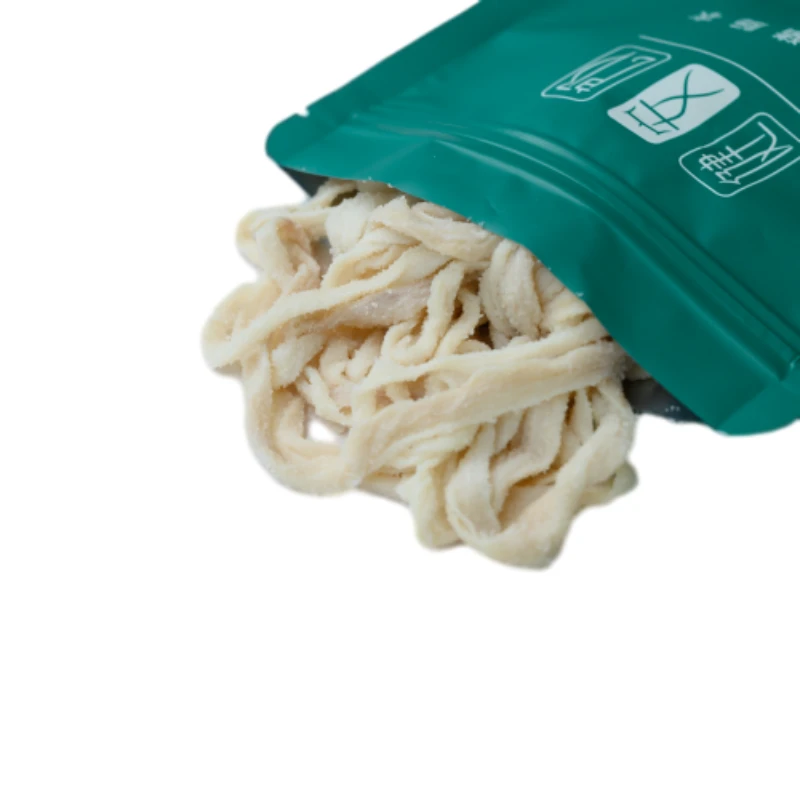
Premium natural hog casings Solutions for Zambia's Meat Industry

Empowering Zambian food processors with high-durability, food-grade casing technology to enhance sausage yield and shelf-life in Southern Africa.

Premium natural hog casings Solutions for Zambia's Meat Industry

We provide specialized meat processing components and casings tailored for the unique climatic and industrial requirements of Zambia, ensuring maximum product consistency.

Current Landscape of Meat Processing in Zambia

Analyzing the intersection of traditional butchery and industrial modernization in the Zambian market.

In Zambia, the meat processing sector is currently transitioning from artisanal production to semi-industrialized scales. The demand for salted hog casing has surged as local producers seek to standardize their sausage outputs for urban supermarkets in Lusaka and the Copperbelt region.

The tropical savanna climate of Zambia poses significant challenges for organic preservation. The reliance on high-quality salted sausage casings is critical to prevent premature spoilage and ensure that the casing maintains its elasticity during the filling process in high-humidity environments.

Currently, there is a noticeable gap in the local supply chain for specialized equipment and high-grade consumables. This has led to an increased dependency on imported dried hog casing which offers better stability during long-distance transit across African borders.

Evolution of Casing Technology in Zambia

From traditional curing methods to precision-engineered casing solutions.

Market Development History

Prior to 2010, the Zambian market relied almost exclusively on local, fresh-slaughtered casings which suffered from high variability in diameter and short shelf lives, limiting the growth of the commercial sausage industry.

Between 2010 and 2020, the introduction of standardized salted sheep casing allowed for the production of high-end cocktail sausages and specialty meats, aligning local production with international quality standards.

From 2020 to the present, the focus has shifted toward integrated processing equipment. The synergy between automated filling machines and premium casings has reduced waste by 15% for medium-sized enterprises in Zambia.

Future Development Trends

Cold-Chain Integration

The next 3 years will see a surge in refrigerated logistics, allowing for the use of less salted, more natural casings without compromising safety.

Precision Calibration

A shift towards machine-sorted casings to ensure zero-burst rates during high-speed industrial stuffing processes.

Eco-Friendly Processing

Increasing demand for chemical-free, natural processing methods in accordance with global E-E-A-T food safety principles.

Industry Outlook and Technical Forecast

Projecting the growth trajectory of meat accessory manufacturing for the Southern African region.

Automation Synergy
Integration of high-speed stuffing equipment with uniform natural casings to maximize throughput.
Shelf-Life Extension
Advanced salting techniques to ensure stability during Zambian inland transportation.
Diameter Standardization
Moving towards strict caliper-measured casings to eliminate manual sorting waste.
Compliance Growth
Alignment with HACCP and international food safety standards for export-grade meat.

Industry Outlook

Google search trends indicate a rising interest in "industrial food processing equipment" within the Zambian market, suggesting that local producers are moving away from manual labor towards systemic efficiency.

The future will be defined by a hybrid approach: combining the authenticity of natural casings with the precision of modern European and Asian manufacturing equipment to meet the growing middle-class demand for premium deli products.

Localized Application Scenarios in Zambia

Practical implementations of our casing and equipment solutions in real-world Zambian environments.

01. Urban Supermarket Supply Chain

Implementing standardized natural hog casings for Lusaka-based sausage factories to ensure uniform product length and weight for retail packaging.

02. Rural Artisanal Upgrade

Providing salted sheep casing to small-scale butchers in the Southern Province, allowing them to produce high-value specialty sausages with longer shelf stability.

03. Export-Grade Meat Processing

Utilizing precision-sorted dried hog casing for plants targeting the SADC regional export market, ensuring zero burst rates during long-haul shipping.

04. High-Humidity Processing Zones

Deployment of advanced salted sausage casings in Copperbelt facilities to resist moisture-induced degradation during the stuffing phase.

05. Integrated Equipment Retrofitting

Combining our professional stuffing machinery with calibrated casings to reduce raw material waste by 12% for Zambian industrial meat processors.

Brand Story

Global Development Journey of Shunping Hengrui Import and Export Co., Ltd.

Foundational Excellence

Started with a commitment to solving the inconsistency of natural casings, focusing on strict quality control and traditional curing expertise.

Technological Integration

Expanded into the manufacturing of processing equipment, bridging the gap between raw materials and finished meat products.

Global Market Expansion

Successfully entered the African market, adapting our products to withstand challenging logistics and climatic conditions in regions like Zambia.

Quality Certification

Achieved international food safety certifications, ensuring that every casing delivered meets global E-E-A-T and HACCP standards.

Vision for the Future

Dedicated to empowering meat processors worldwide with sustainable, high-yield solutions that combine nature with precision engineering.

Comprehensive Product Portfolio for the Zambian Market

A full range of casing solutions and processing accessories designed for maximum efficiency in Southern Africa.

Zambia Meat Processing FAQ

Expert answers to the most common technical questions from our Zambian partners.

How do I store salted hog casing in Zambia's high temperatures?

We recommend storing casings in a cool, dry place between 2-8°C. For Zambian climates, utilizing vacuum-sealed packaging and maintaining a strictly controlled cold room is essential to prevent salt crystallization and moisture loss.

What is the best way to prepare natural hog casings for stuffing?

Soak the casings in lukewarm water (approx. 30°C) for 30-60 minutes to remove excess salt and restore elasticity. Ensure the water is not too hot, as this can damage the protein structure of the natural membrane.

Why are salted sausage casings preferred over fresh ones for long-distance transit?

Salting acts as a natural preservative, inhibiting bacterial growth. This is critical for transport across the diverse terrains of Zambia, where cold-chain breaks can occur during transit from ports to inland cities.

How do I choose between salted sheep casing and hog casings?

Sheep casings are ideal for thin, high-end sausages like cocktail or chipolatas. Hog casings are more versatile and durable, suitable for traditional breakfast sausages and larger diameter deli products.

Can dried hog casing be used in automated stuffing machines?

Yes, provided they are properly rehydrated. Our dried casings are processed to ensure consistent diameter, which reduces the risk of blockage and bursting in industrial-grade stuffing equipment.

What causes bursting in natural casings during production?

Common causes include over-stuffing, inadequate hydration, or inconsistent casing diameter. We solve this by providing precision-sorted casings and offering technical guidance on machine pressure settings.

Ready to Optimize Your Production?

Our experts are ready to provide technical support and premium casing solutions tailored for the meat processing industry in Zambia.

Contact Us Now

If you are interested in our products, you can choose to leave your information here, and we will be in touch with you shortly.


If you are interested in our products, you can choose to leave your information here, and we will be in touch with you shortly.