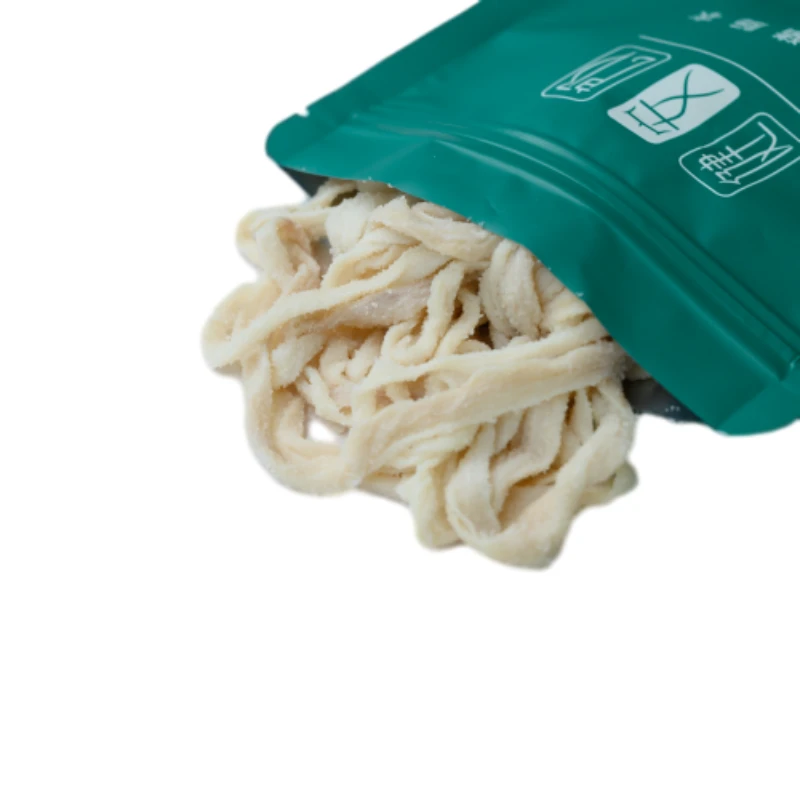
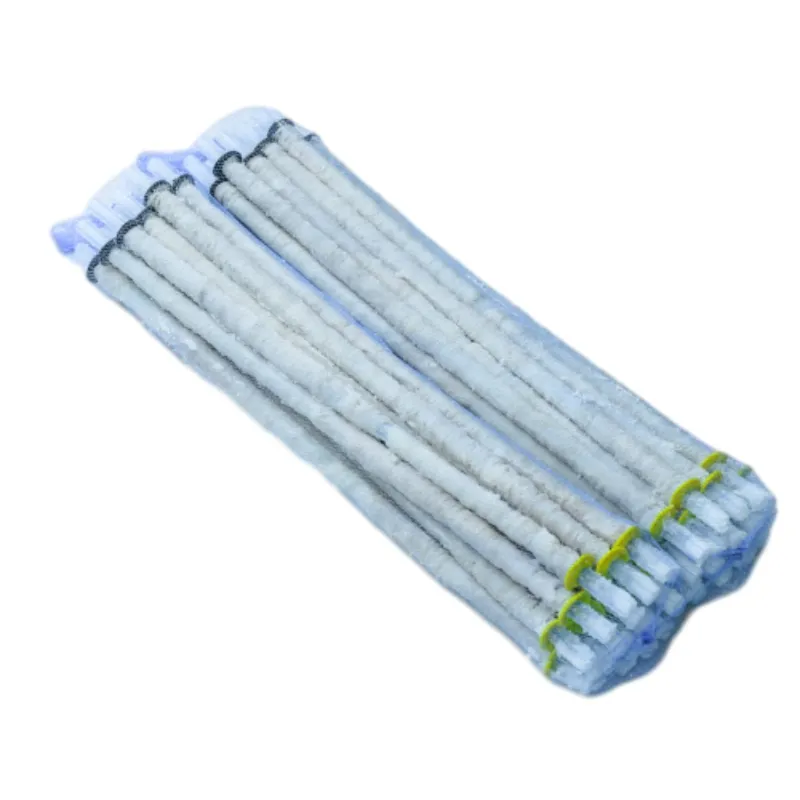
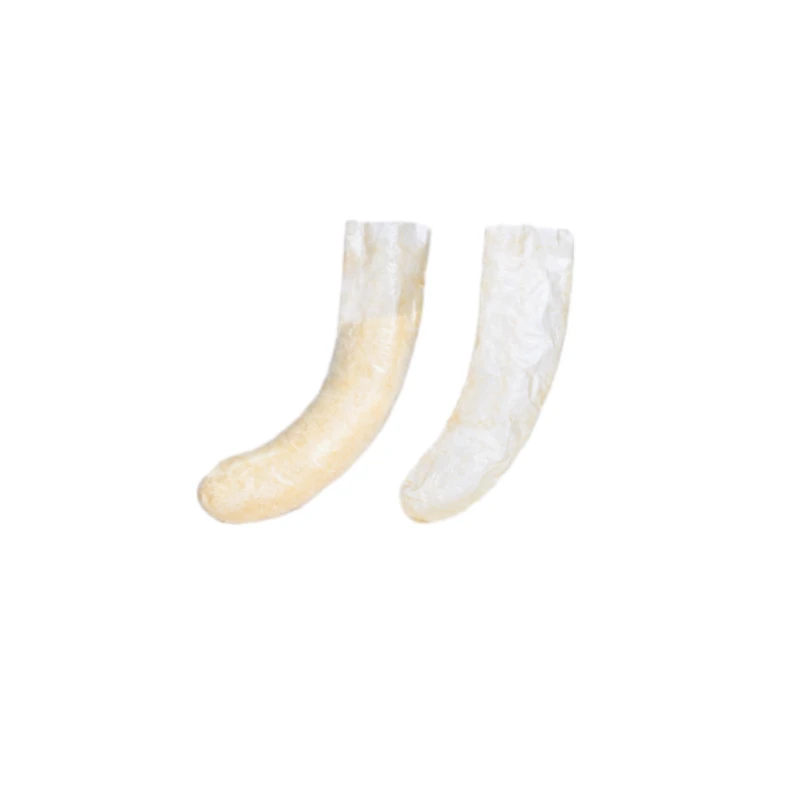
Premium natural hog casings Solutions for Tanzania's Meat Industry

Optimizing sausage production in East Africa with high-performance biological casings and precision processing equipment.

Premium natural hog casings Solutions for Tanzania's Meat Industry

Providing the Tanzanian meat processing sector with world-class casing materials and machinery to ensure consistent diameter, superior burst strength, and authentic taste.

The Landscape of Casing Processing in Tanzania

Analyzing the intersection of tropical climates and biological casing preservation.

Tanzania's meat processing industry is currently transitioning from fragmented artisanal production to centralized industrial hubs. In cities like Dar es Salaam and Arusha, the demand for salted sausage casings has surged as urban consumers shift toward processed meats, yet the high humidity and temperature of the coastal regions pose significant challenges for the shelf-life of biological materials.

The local reliance on traditional curing methods often leads to inconsistency in casing thickness. This creates a critical need for stabilized salted hog casing that can withstand the logistical stresses of the Tanzanian supply chain, where cold-chain infrastructure is still developing in rural inland regions.

Furthermore, the growth of the livestock sector in the highlands has increased the availability of raw materials, but the lack of specialized machinery for the production of dried hog casing means that high-quality, standardized imports remain the primary choice for premium sausage manufacturers in the region.

Evolution and Technical Trajectory

From traditional salt-curing to automated precision manufacturing.

Market Development History

Prior to 2010, the Tanzanian market relied almost exclusively on local, unprocessed skins and rudimentary salt-drying. The consistency was low, and the risk of rupture during stuffing was high, limiting the scale of commercial sausage production.

Between 2010 and 2020, the introduction of standardized salted sheep casing began to penetrate the gourmet market. This era saw the shift toward imported, calibrated casings that allowed for the production of uniform "Frankfurter" style products for the growing hospitality sector.

From 2020 to the present, the focus has shifted toward integrated processing equipment. Manufacturers are now adopting automated stuffing and clipping machines that require high-specification natural hog casings to minimize waste and maximize throughput.

Future Development Trends

Cold-Chain Integrated Logistics

Integration of IoT monitoring in the transport of salted casings to prevent salt crystallization and moisture loss during transit across Tanzania's diverse climate zones.

Precision Calibration Standards

A move toward ultra-narrow diameter tolerances to support the rise of "cocktail" and "snack" sausage formats in urban supermarkets.

Eco-Friendly Preservation

Developing bio-preservatives that reduce the sodium load in salted casings while maintaining the same antimicrobial efficacy required for the African heat.

Strategic Outlook for Meat Processing Equipment

Forecasting the technological shifts in Tanzania's agro-processing sector.

Automated Calibrated Filling
Adopting high-speed vacuum fillers that optimize the usage of natural casings to reduce bursting rates.
Hygienic Processing Units
Implementation of stainless steel grade 316 equipment to combat corrosive salt environments.
Climate-Controlled Storage
Specialized refrigeration systems designed for biological casing stability in tropical zones.
Digital Traceability
Blockchain-based tracking from the source of the casing to the final sausage product in Tanzania.

Industry Outlook

Over the next 3-5 years, Google search trends for "industrial food processing" in East Africa indicate a sharp increase in interest for automated solutions. We expect Tanzania to lead in the adoption of high-capacity casing processing lines that can handle thousands of meters of casing per hour.

The convergence of food safety regulations and the rise of an urban middle class will force a shift toward certified, traceable biological casings, replacing local unregulated sources with standardized global supplies.

Localized Application Scenarios in Tanzania

Practical implementation of casing solutions across various Tanzanian meat sectors.

1. Urban Gourmet Deli Production

High-end butcheries in Dar es Salaam utilizing calibrated natural hog casings to produce consistent, boutique bratwursts for the expatriate and tourist market.

2. Regional Industrial Sausage Plants

Large-scale facilities using high-volume salted sausage casings paired with automatic fillers to supply supermarkets across the Tanga and Pwani regions.

3. Traditional Market Modernization

Transitioning local artisans from raw skins to pre-salted, hygienic casings to improve food safety and extend the sellable window of fresh sausages.

4. Export-Grade Meat Processing

Applying strict diameter controls and high-burst-strength casings to meet international export standards for processed meats leaving the port of Dar es Salaam.

5. Hotel and Hospitality Catering

Using premium sheep casings for small-diameter breakfast sausages in luxury lodges within the Serengeti and Ngorongoro circuits.

Brand Story

Global Development Journey of Shunping County Hengrui Import and Export Co., Ltd.

Foundational Excellence

Established with a mission to standardize biological casings, we began by perfecting the salt-curing process to ensure maximum stability.

Technological Integration

We expanded our expertise from raw materials into processing equipment, solving the pain point of casing rupture during industrial stuffing.

Global Expansion

Identifying the needs of emerging markets, we tailored our logistics to serve high-temperature regions, ensuring product integrity upon arrival.

Quality Certification

Achieving international food safety standards to provide Tanzanian partners with confidence in the biological purity of every shipment.

Sustainable Future

Committing to eco-friendly processing and supporting the growth of Africa's agro-industrialization through technical knowledge transfer.

Comprehensive Casing Portfolio for the Tanzanian Market

A full range of biological solutions tailored for East African meat processing.

Tanzania Casing Industry FAQ

Expert answers to common technical challenges in local sausage production.

How to store salted hog casing in Tanzania's humid climate?

We recommend storing casings in airtight, moisture-proof packaging within a temperature-controlled environment (between 2-8°C) to prevent premature spoilage and salt degradation.

What is the best way to prepare natural hog casings before stuffing?

Casings should be soaked in lukewarm water for 30-60 minutes to remove excess salt and regain elasticity, ensuring they don't burst during the filling process.

Why should I choose salted sheep casing for breakfast sausages?

Sheep casings offer a smaller, more uniform diameter and a thinner wall, providing the classic "snap" and appearance required for high-end breakfast sausages.

Can dried hog casing be used in automated stuffing machines?

Yes, provided they are properly rehydrated. Our dried casings are processed to maintain a consistent diameter, making them ideal for automated systems.

How do I reduce the rupture rate of salted sausage casings?

Ensure that your meat emulsion is properly emulsified and that your stuffing pressure is calibrated to the specific diameter of the casing you are using.

Are your natural casings compliant with food safety standards for Tanzania?

Absolutely. All our products undergo rigorous cleaning and curing processes to meet international biological safety standards, ensuring they are free from contaminants.

Ready to Upgrade Your Production?

Connect with our technical experts to optimize your meat processing line in Tanzania.

Contact Us Now

If you are interested in our products, you can choose to leave your information here, and we will be in touch with you shortly.


If you are interested in our products, you can choose to leave your information here, and we will be in touch with you shortly.