
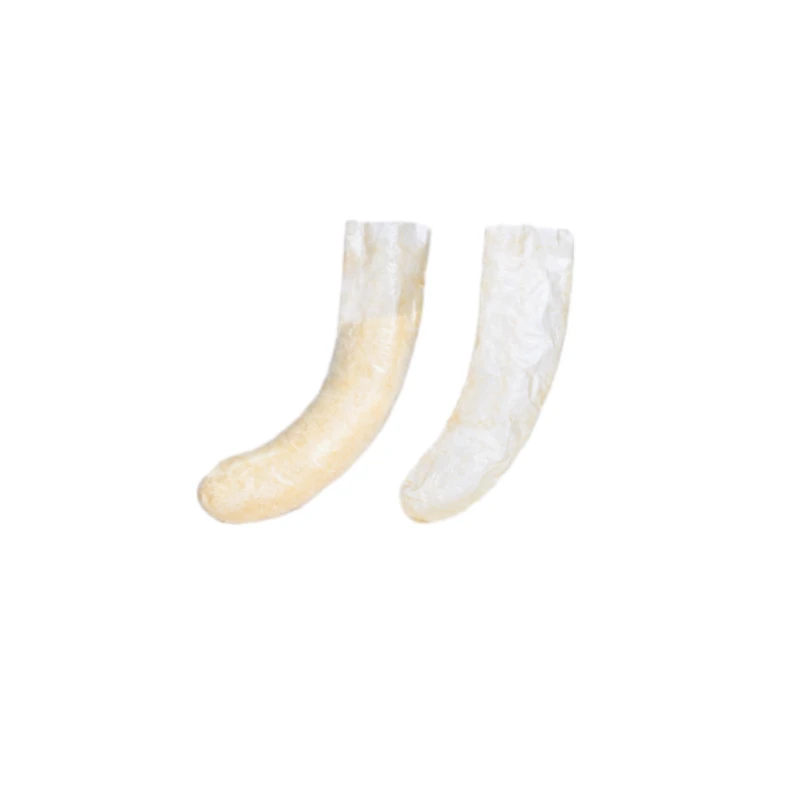
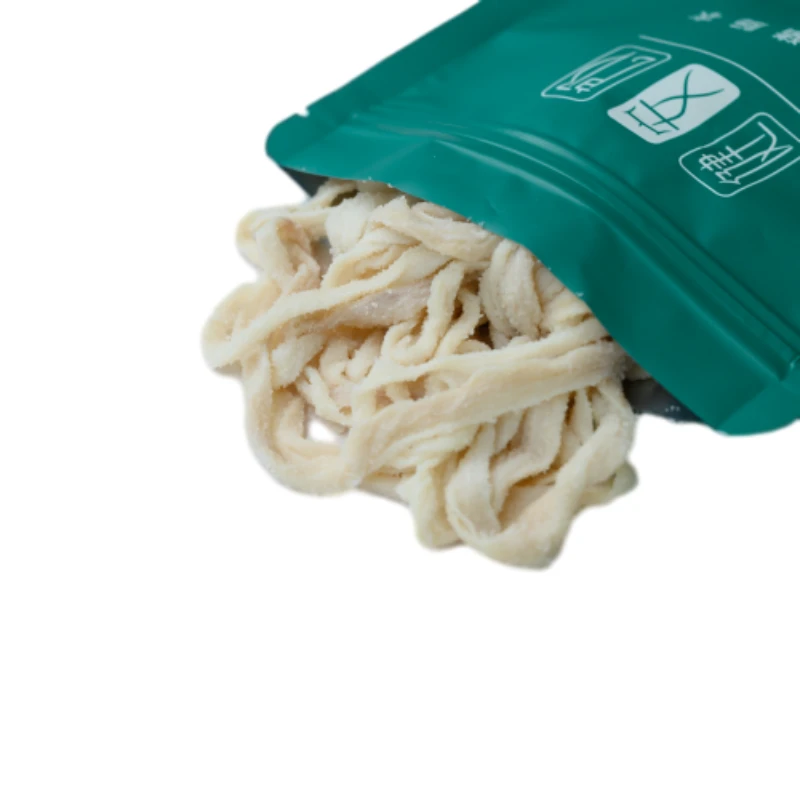
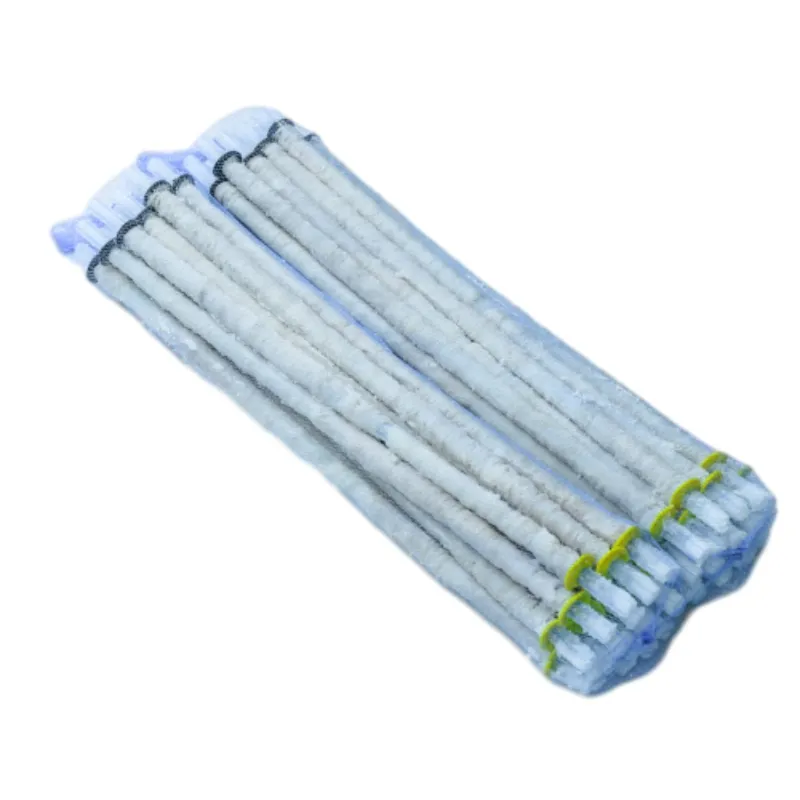
In the Japanese market, the demand for salted hog casing is driven by an obsession with "Kuchi-atari" (mouthfeel) and aesthetic uniformity. Japan's unique climate, characterized by high humidity in summer and dry winters, necessitates highly stable preservation methods to prevent premature degradation of the collagen structure.
The local industry is currently transitioning from small-scale butcher shops to highly automated processing plants. This shift has increased the need for salted sausage casings that can withstand high-speed filling machines without bursting, while maintaining the natural appeal of a non-synthetic product.
Furthermore, strict import regulations and health certifications in Japan mean that only the highest grade of dried hog casing is accepted, requiring meticulous salt-curing processes and rigorous cleaning to meet the Ministry of Health, Labour and Welfare standards.


