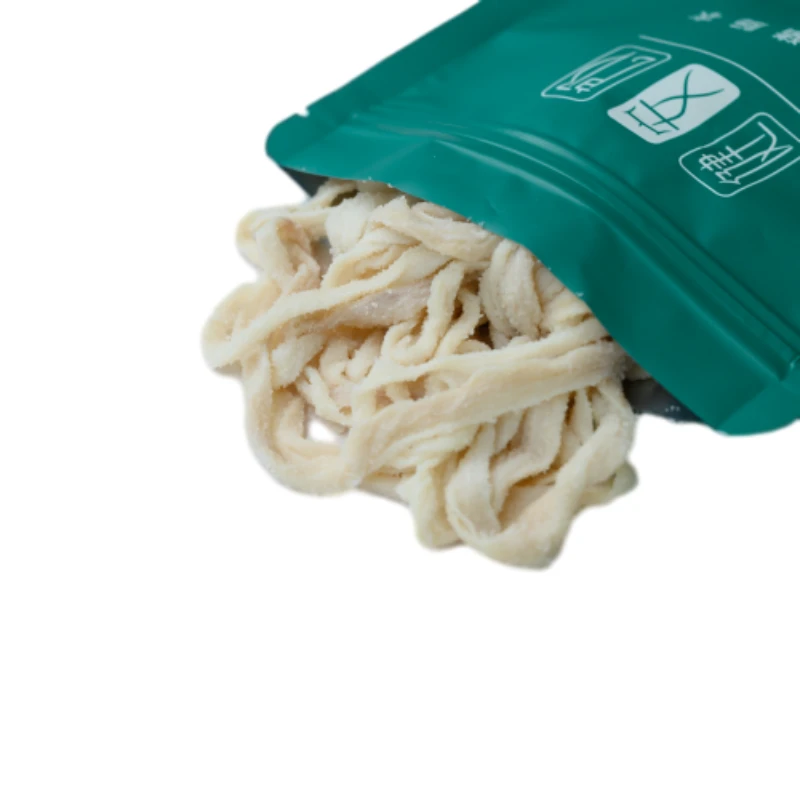
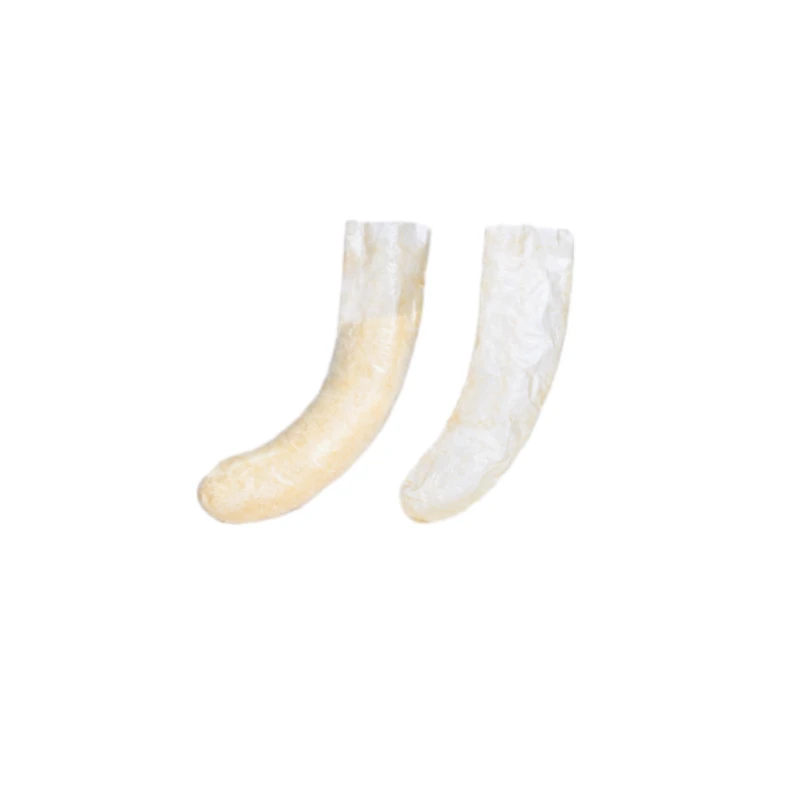
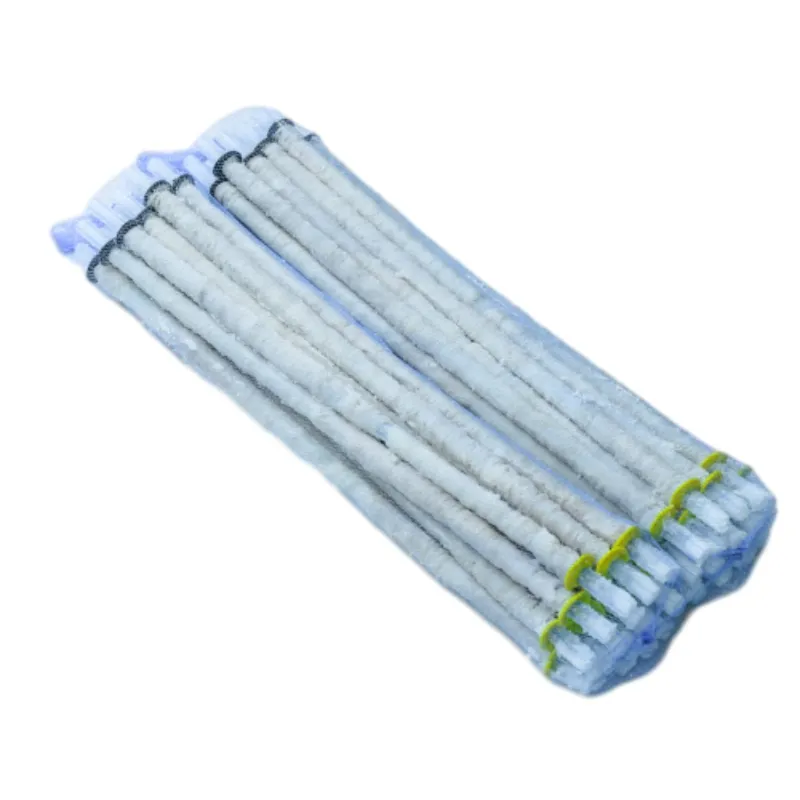
Premium natural hog casings Solutions for Ecuador's Meat Processing Industry

High-performance casing technology designed to enhance productivity and product quality for Ecuadorian sausage manufacturers.

Premium natural hog casings Solutions for Ecuador's Meat Processing Industry

Providing the Ecuadorian food processing sector with specialized casing materials that ensure consistent diameter, superior burst strength, and authentic texture for traditional and industrial charcuterie.

Current State of Casing Supply in Ecuador

Analyzing the intersection of coastal humidity and meat processing requirements.

In Ecuador, the meat processing industry faces unique challenges due to the diverse climate, ranging from the humid coast to the Andean highlands. This environmental variability makes the storage of salted hog casing critical, as moisture control is essential to prevent premature degradation and ensure shelf-life stability during transport to local factories.

Currently, many local producers rely on a mix of traditional artisanal methods and imported industrial materials. There is a growing demand for salted sheep casing for high-end gourmet products in cities like Quito and Guayaquil, where the culinary market is shifting toward European-style thin-diameter sausages.

The local supply chain for salted sausage casings often struggles with consistency in calibration. This inconsistency leads to waste during the stuffing process, prompting Ecuadorian manufacturers to seek global partners who can provide standardized, high-yield casing materials that withstand the rigors of local processing equipment.

Evolution of Meat Casing Technology in South America

From ancestral preservation to precision industrial engineering.

Market Development History

During the early 20th century, Ecuadorian meat processing was primarily decentralized, relying on fresh, locally sourced casings. The shift toward salted preservation began in the mid-century to allow for longer distribution cycles between rural slaughterhouses and urban centers.

By the 1990s, the introduction of specialized processing machinery required more uniform inputs. This period saw the transition from rough-cut casings to calibrated dried hog casing, reducing the burst rate in industrial fillers and increasing the output of regional sausage plants.

From 2010 to the present, the focus has shifted toward "Clean Label" requirements. Ecuadorian consumers now demand transparency, leading to a resurgence in natural materials over synthetic alternatives, emphasizing the purity and organic nature of the casing source.

Future Development Trends

Precision Calibration 2.0

Integration of laser-measured diameter control to ensure that every meter of casing fits perfectly into automated stuffing machines, eliminating manual adjustment times.

Advanced Dehydration Techniques

Implementation of vacuum-drying technologies for dried hog casing to reduce weight for shipping while maintaining cellular integrity for easier rehydration.

Sustainable Sourcing Certification

A move toward traceable, animal-welfare certified sourcing to meet the export standards required for Ecuadorian meat products entering the EU and North American markets.

Industry Trends and Future Outlook

Strategic forecasts for the Ecuadorian meat processing equipment and accessories sector.

Automation Synergy
Increasing compatibility between high-grade casings and high-speed vacuum fillers to maximize hourly throughput.
Cold Chain Optimization
Developing salt-stable casings that maintain elasticity even under the fluctuating temperatures of Ecuadorian logistics.
Eco-Friendly Processing
Reducing the chemical footprint in the cleaning and salting process to meet new regional environmental regulations.
Market Diversification
Expanding the use of specialized casings for fusion products combining Ecuadorian flavors with European sausage styles.

Industry Outlook

Based on Google search trends within South America, there is a significant increase in queries related to "natural ingredients" and "industrial efficiency" in the food sector. For Ecuador, this translates to a move away from artificial collagen casings back toward premium natural options that offer a superior "snap" and mouthfeel.

We predict that within the next 3-5 years, the market will prioritize suppliers who can provide integrated solutions—combining high-quality casings with the technical knowledge of how to optimize stuffing equipment to reduce waste by up to 15%.

Localized Application Scenarios in Ecuador

Practical implementations of our casing solutions across various Ecuadorian production environments.

01. Artisanal Chorizo Production in the Andes

Utilizing salted hog casing to maintain the traditional look and taste of highland sausages while ensuring the salt levels prevent spoilage during the curing process in cool mountain air.

02. Industrial Scale Salami Factories in Guayaquil

Implementing standardized natural hog casings in high-speed production lines to ensure uniform weight and length, critical for retail packaging and supermarket distribution.

03. Gourmet Sheep Sausage Boutiques in Quito

Applying premium salted sheep casing for the production of thin, high-tension sausages used in luxury appetizers and hotel catering.

04. Regional Export-Grade Meat Processing

Using rigorous quality-controlled salted sausage casings to meet the sanitary and structural requirements for meat products being shipped to neighboring Andean markets.

05. Low-Moisture Specialized Charcuterie

Integrating dried hog casing in specialized curing facilities where precise water activity control is required to create long-aged, dry-cured meats.

Brand Story

Global Development Journey of Shunping Hengrui Import and Export Co., Ltd.

Foundation of Excellence

Established with a vision to bridge the gap between raw agricultural outputs and high-precision food processing needs, focusing on the purity of natural materials.

Technical Breakthroughs

Developed proprietary salting and curing processes that extended the shelf life of natural casings without compromising their biological elasticity.

Global Expansion

Expanded operations into South America, tailoring product specifications to meet the unique climatic and culinary demands of markets like Ecuador.

Quality Standardization

Achieved international certifications ensuring that every batch of casing meets global food safety standards and industrial calibration requirements.

Commitment to the Future

Dedicated to solving the pain points of waste and inconsistency in the meat processing industry through continuous R&D and customer-centric service.

Comprehensive Casing Portfolio for Ecuador

A full range of natural solutions tailored for Ecuadorian sausage and meat processing equipment.

Frequently Asked Questions in Ecuador

Technical support and guidance for local meat processors.

How to store salted hog casing in high-humidity regions like Guayaquil?

We recommend storing in a cool, dry, and well-ventilated area, ideally between 2-8°C, with moisture-proof packaging to prevent salt crystallization and mold growth caused by coastal humidity.

What is the best way to rehydrate natural hog casings for industrial use?

Soak the casings in lukewarm water (approximately 20-30°C) for 30-60 minutes. This ensures the collagen fibers relax and expand, reducing the risk of breakage during high-pressure stuffing.

Can salted sheep casing be used for traditional Ecuadorian chorizo?

Yes, although sheep casings are thinner, they provide a premium "snap" that is highly valued in gourmet versions of traditional Ecuadorian sausages.

How do I prevent bursting when using salted sausage casings in vacuum fillers?

Ensure the casing is properly lubricated and the filling speed is calibrated to the casing's diameter. Check that the meat emulsion is at the correct temperature to allow for smooth expansion.

What are the advantages of dried hog casing over salted options for long-term storage?

Dried casings have a lower water activity level, making them significantly more stable for long-distance transport and storage in environments without strict climate control.

Do your natural casings comply with Ecuadorian health regulations?

Yes, our products are processed under strict hygiene standards and are designed to meet the food safety requirements for the South American meat processing industry.

Ready to Optimize Your Production?

Contact our technical team today for customized casing solutions tailored to the specific needs of your facility in Ecuador.

Contact Us Now

If you are interested in our products, you can choose to leave your information here, and we will be in touch with you shortly.


If you are interested in our products, you can choose to leave your information here, and we will be in touch with you shortly.