
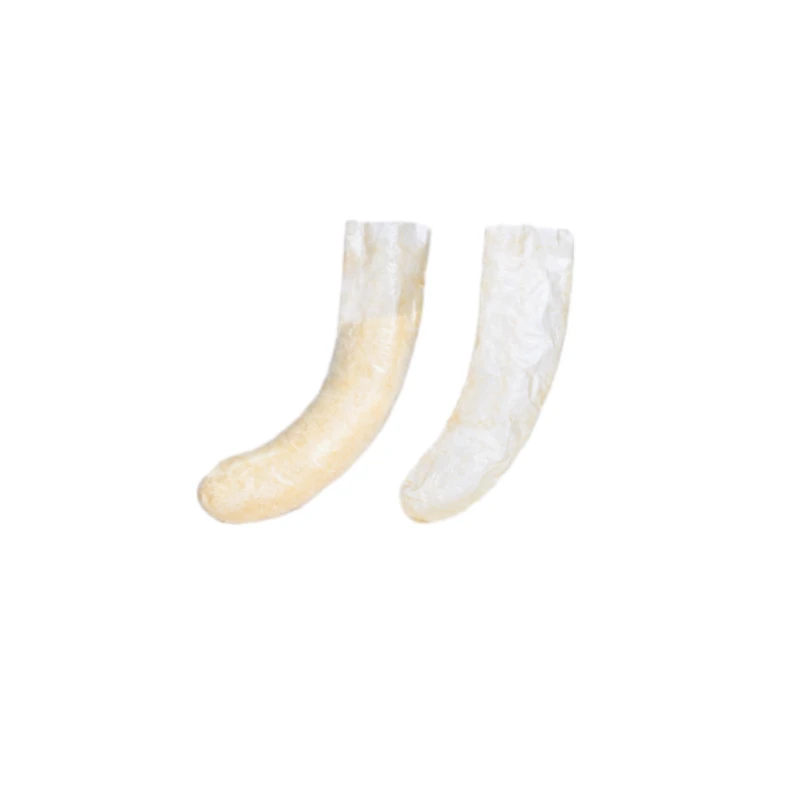
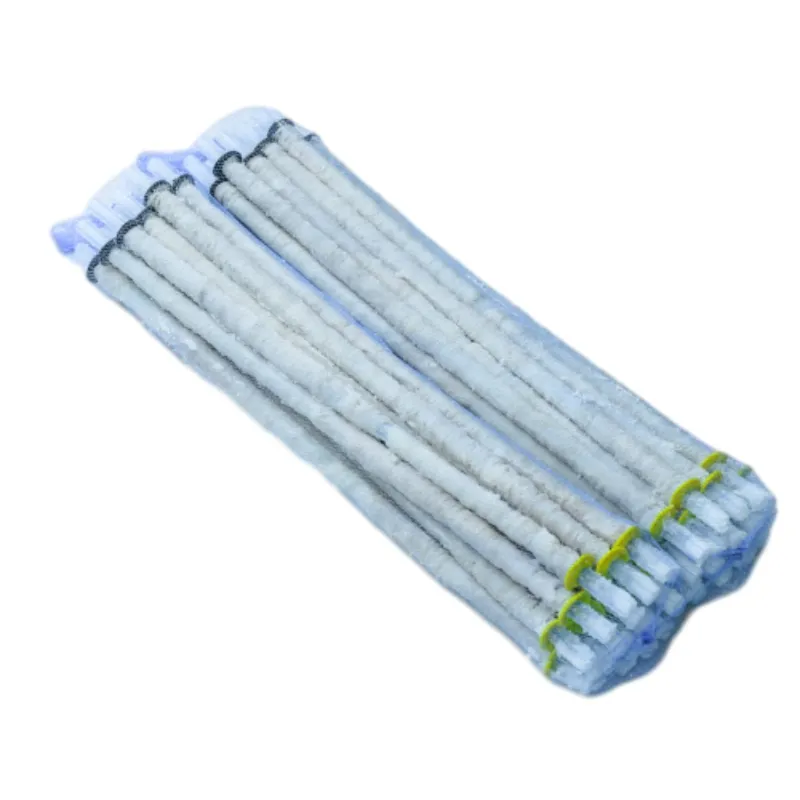
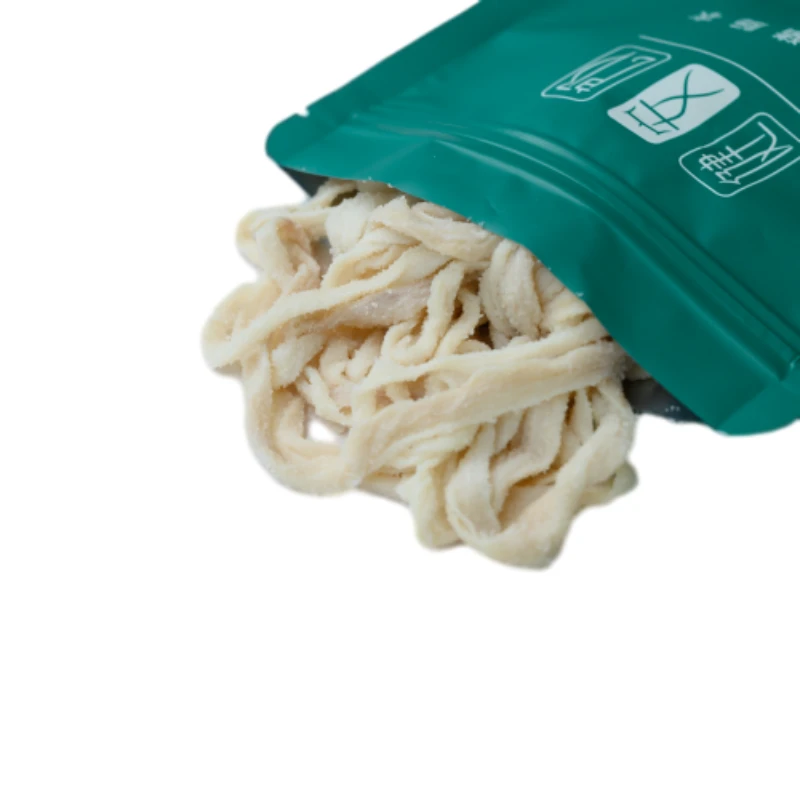
The Canadian meat processing sector currently faces a unique challenge balancing high-volume industrial output with a growing consumer demand for "clean label" products. This shift has revitalized the demand for salted hog casing, as producers move away from synthetic alternatives to meet organic and natural certification standards across provinces like Alberta and Quebec.
Climate variability in Canada impacts the storage and hydration of biological materials. The industry has transitioned toward highly standardized salted sausage casings that can withstand temperature fluctuations during transit from processing hubs to regional distributors without compromising tensile strength.
Economically, the integration of automated stuffing equipment has forced a requirement for extreme uniformity in casing diameter. Whether using salted sheep casing for specialty bratwurst or larger hog varieties, the focus is now on reducing "burst rates" during high-speed industrial filling processes.


