Premium Natural Hog Casings Solutions for Bolivia's Meat Industry

Optimizing charcuterie production across the Bolivian Altiplano and Lowlands with high-permeability, salt-preserved natural membranes.

Premium Natural Hog Casings Solutions for Bolivia's Meat Industry

Providing high-standard casing materials tailored for the unique climate and processing requirements of the Bolivian meat processing sector, ensuring consistency from Santa Cruz to La Paz.

Meat Processing Landscape in Bolivia

Analyzing the intersection of traditional craftsmanship and industrial expansion in the Andean region.

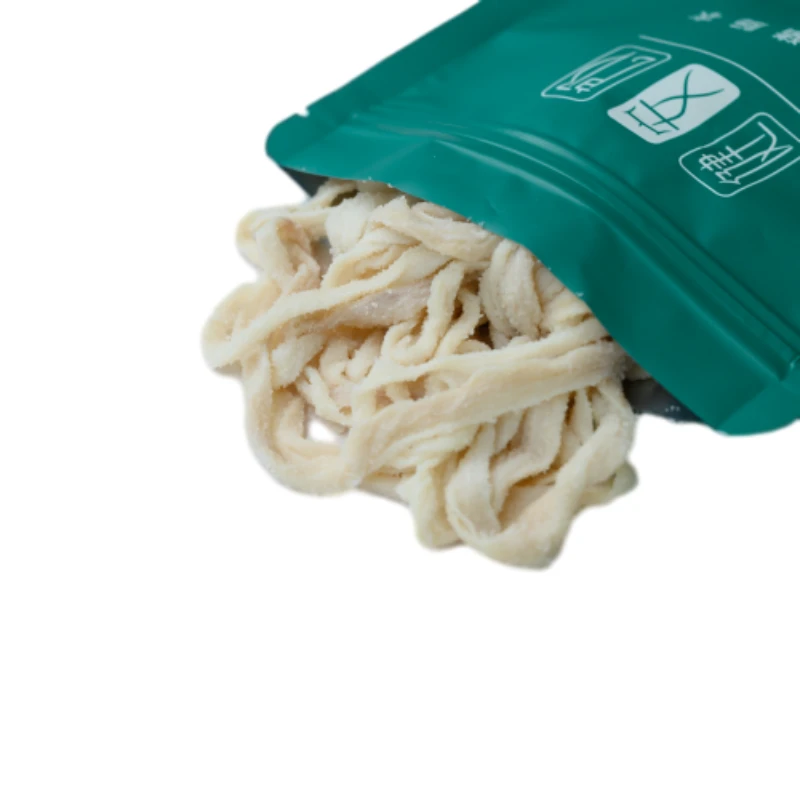
The Bolivian meat processing industry is characterized by a sharp divide between artisanal producers in the highland regions and large-scale industrial plants in the Eastern lowlands. The demand for high-quality salted hog casing has grown as local producers strive to meet international export standards while maintaining the authentic texture of traditional sausages.

Environmental factors, particularly the extreme altitude of La Paz and the humidity of Santa Cruz, pose significant challenges for the storage of natural hog casings. Local manufacturers require products with superior salt-stability to prevent spoilage during transit across the diverse Bolivian topography.

Currently, the shift toward formalized meat safety regulations in Bolivia is driving a transition from unregulated local sources to certified global suppliers. This ensures that salted sausage casings meet strict hygiene protocols, reducing bursting rates during high-speed filling processes.

Evolution of Casing Technology in Bolivia

From artisanal salt-curing to precision-graded industrial membranes.

Market Development History

Prior to 2000, the Bolivian market relied almost exclusively on local, minimally processed casings. These lacked standardization, leading to inconsistent sausage diameters and high wastage in artisanal workshops.

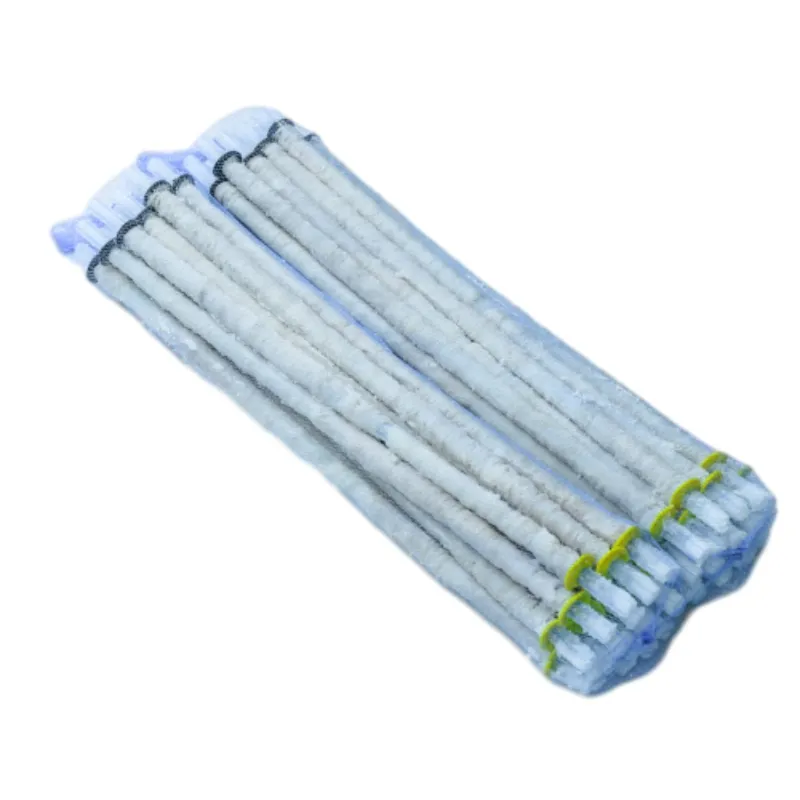
Between 2010 and 2020, the introduction of standardized dried hog casing allowed Bolivian processors to implement automated stuffing machinery. This period marked the transition from manual hand-filling to semi-industrialized production lines.

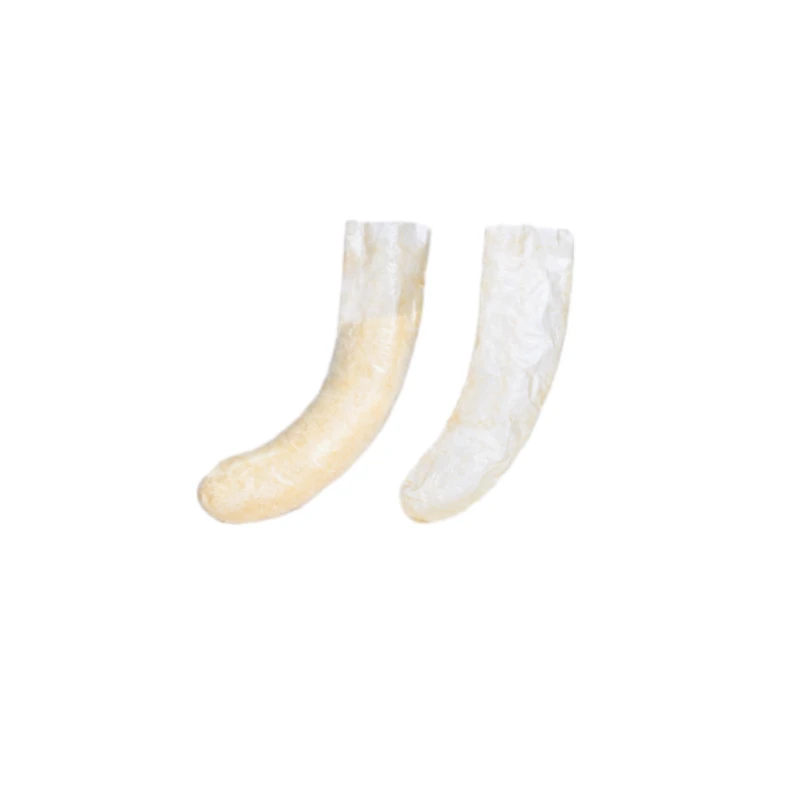
Since 2021, the focus has shifted toward specialty products. The rise of gourmet charcuterie in urban centers has increased the demand for salted sheep casing to produce high-end, thin-walled sausages that appeal to a more sophisticated consumer base.

Future Development Trends

Automated Calibration Systems

Integration of laser-sorted diameters to ensure zero-defect filling in large-scale Bolivian factories.

Climate-Controlled Logistics

The adoption of specialized cold-chain transport to maintain the elasticity of casings across the Andes mountains.

Sustainability and Traceability

Implementing blockchain-based sourcing to certify the organic origin of all natural membranes used in exports.

Industrial Trends and Future Outlook

Strategic forecasting for the meat processing equipment and accessories sector in Bolivia.

Precision Sizing
Shift toward strictly calibrated diameters to minimize product loss during stuffing.
Vacuum Packaging
Enhanced packaging for casings to withstand Bolivia's high-altitude pressure changes.
Eco-Processing
Reducing salt waste and implementing biodegradable cleaning agents in the casing line.
Global Compliance
Adopting HACCP standards to enable Bolivian meat products to enter the EU and US markets.

Industry Outlook

Google search trends indicate a rising interest in "natural additives" and "organic casing" within the South American region. For Bolivia, this translates into a growing preference for natural membranes over collagen alternatives, as consumers seek a "clean label" experience.

Over the next 3-5 years, we expect a surge in the integration of smart-filling machines that automatically adjust pressure based on the thickness of the casing, significantly reducing the burst rate for premium sausages.

Localized Application Scenarios in Bolivia

Practical implementations of high-grade casing solutions across different Bolivian provinces.

01. Santa Cruz Industrial Processing

Large-scale facilities utilizing natural hog casings in high-speed vacuum stuffers for mass-market frankfurters, ensuring uniform diameter and high throughput.

02. La Paz Highland Charcuterie

Artisanal producers using salted sheep casing for traditional thin sausages, optimized for the low-pressure environment of the Altiplano.

03. Cochabamba Regional Markets

Medium-sized plants employing salted sausage casings for regional specialty chorizos, focusing on durability during local transport.

04. Beni Export-Oriented Units

Advanced facilities using dried hog casing for long-term cured products destined for international markets, prioritizing shelf-life and skin-tight aesthetics.

05. Sucre Boutique Delicatessens

High-end culinary shops using a mix of premium salted casings to create handcrafted, gourmet meat products for the luxury tourism sector.

Brand Story

Global Development Journey of Shunping Hengrui Import and Export Co., Ltd.

Foundational Excellence

Started with a mission to standardize the supply of natural membranes, bridging the gap between raw source and processed efficiency.

Technological Pivot

Invested in advanced salt-curing and drying technologies to eliminate the risk of contamination and extend product viability.

Global Reach

Expanded operations to South America, tailoring product specifications to meet the challenging geographic conditions of Bolivia.

Quality Certification

Achieved international food safety certifications, ensuring every shipment meets global pharmaceutical-grade cleanliness standards.

Future Vision

Dedicated to empowering Bolivian meat processors with sustainable, high-performance casing solutions that drive economic growth.

Comprehensive Casing Portfolio for the Bolivian Market

A curated selection of natural membranes designed for versatility and durability in diverse climates.

Bolivian Industry FAQs

Expert answers to common technical queries regarding natural casings in Bolivia.

How to store salted hog casing in high-humidity regions like Santa Cruz?

We recommend storing casings in a cool, dry environment (below 10°C) with humidity control. Ensuring the salt layer remains intact is critical to prevent mold growth in humid lowlands.

What is the best natural hog casings diameter for traditional Bolivian chorizos?

Depending on the regional style, we usually recommend diameters between 32mm and 36mm for a balanced burst-resistance and traditional aesthetic.

Do salted sheep casing products require special desalting for Andean recipes?

Yes, a controlled rinse in potable water is recommended. Due to the thinness of sheep casings, we suggest a gentle soak to avoid over-stretching the membrane.

How does dried hog casing differ in performance for cured meats?

Dried casings offer a more concentrated salt profile and longer shelf life, making them ideal for the long-term curing processes common in high-altitude Bolivian charcuterie.

Can salted sausage casings be used in fully automated stuffing machines?

Absolutely. Our casings are processed for uniform elasticity, making them compatible with high-speed industrial fillers used in Bolivia's modern meat plants.

What certifications ensure the safety of natural casings imported to Bolivia?

Our products comply with HACCP and international veterinary health certificates, ensuring they are free from pathogens and suitable for human consumption.

Get Expert Consultation for Your Production Line

Partner with a global leader to optimize your meat processing efficiency in Bolivia.

Contact Us Now

If you are interested in our products, you can choose to leave your information here, and we will be in touch with you shortly.


If you are interested in our products, you can choose to leave your information here, and we will be in touch with you shortly.