Nov . 20, 2025 13:30
Understanding 32 35mm Hog Casings: An Essential Commodity in Global Food Production
If you’re not in the food production or meat processing industry, 32 35mm hog casings probably sound like a very niche, obscure thing. But oddly enough, they’re a linchpin in everything from small family farms to massive international sausage manufacturing. These natural or processed casings, typically derived from hog intestines and sized around 32 to 35 millimeters in diameter, have a surprisingly broad impact on food quality, sustainability, and global markets.
Why does it matter globally? Because the demand for quality, preservable meat products is only increasing — from bustling cities in Southeast Asia to the food halls of Europe. Moreover, understanding these casings offers a window into sustainable food sourcing, international trade complexities, and evolving technologies in meat processing.
32 35mm hog casings serve as a natural, biodegradable alternative to synthetic casings and are essential to many artisanal and industrial sausage varieties worldwide.
Global Context: Why 32 35mm Hog Casings Are More Relevant Than Ever
With global meat consumption projected to grow by nearly 15% over the next decade according to the United Nations Food and Agriculture Organization (FAO), the hog casing industry quietly underpins a vast amount of this growth. While synthetic casings exist, natural hog casings still hold about 25% market share in many regions due to their texture, taste influence, and consumer preference for “natural” products.
Yet, there’s a hitch: hog casing supply depends on healthy, sustainable pig farming practices, which face challenges such as animal health, export restrictions, and fluctuating demand. Many processors face quality inconsistencies and logistical hurdles. Addressing these problems while meeting rising demand is our industry’s ongoing challenge.
Mini takeaway: 32 35mm hog casings aren’t just an ingredient—they’re a bellwether of global meat production trends and sustainability challenges.
What Exactly Are 32 35mm Hog Casings?
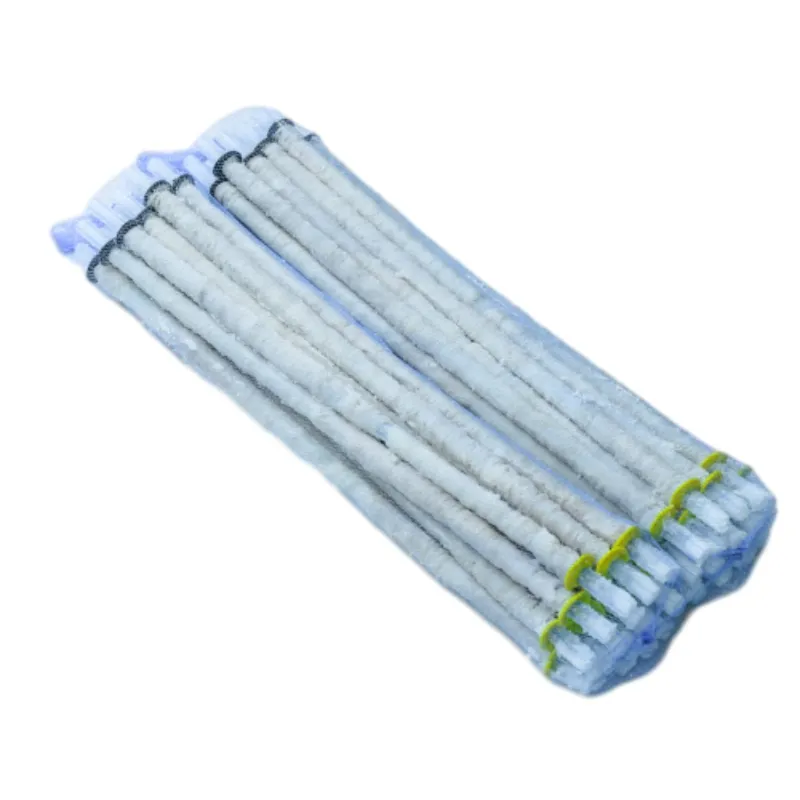
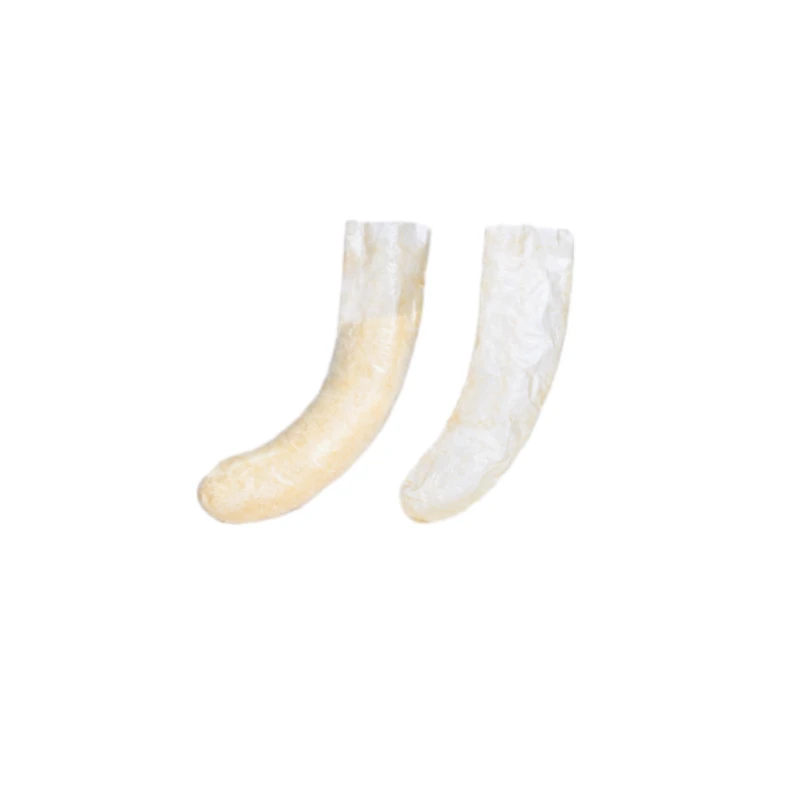
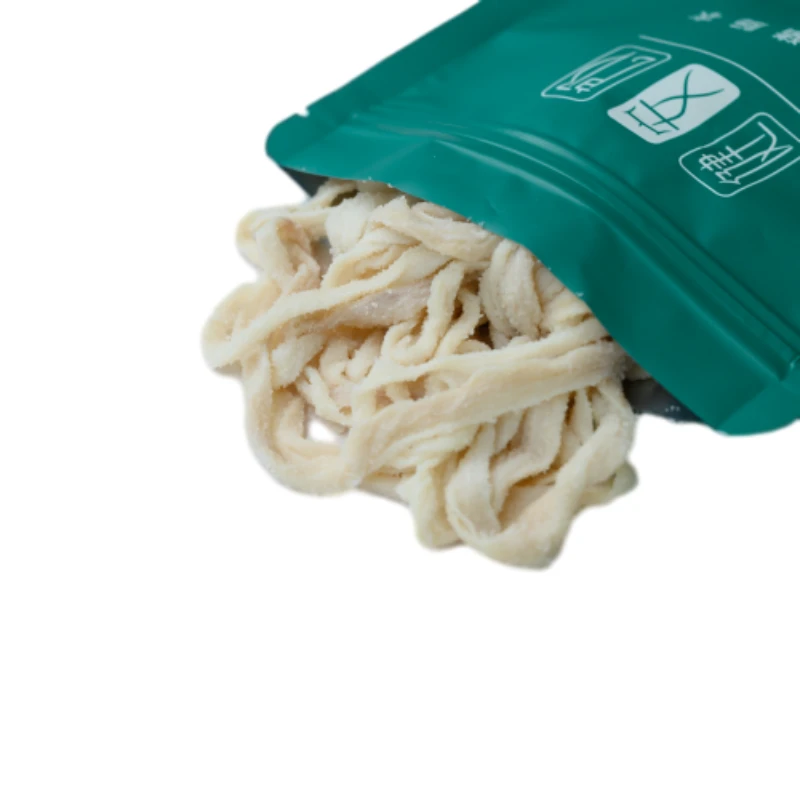
Simply put, 32 35mm hog casings are tubular products made from the cleaned and processed intestines of hogs, specifically sized to fit sausage products like bratwurst, hot dogs, or spicy Italian sausages. The “32 35mm” part refers to their diameter, which gives a balanced casing thickness — thin enough to snap crisply when you bite but durable enough for processing machines.
The natural casing not only shapes meat but contributes subtle flavor and textural quality no plastic or cellulose wrap can replicate. This small diameter category is popular because it fits both hand-tied artisan sausages and highly mechanized assembly lines.
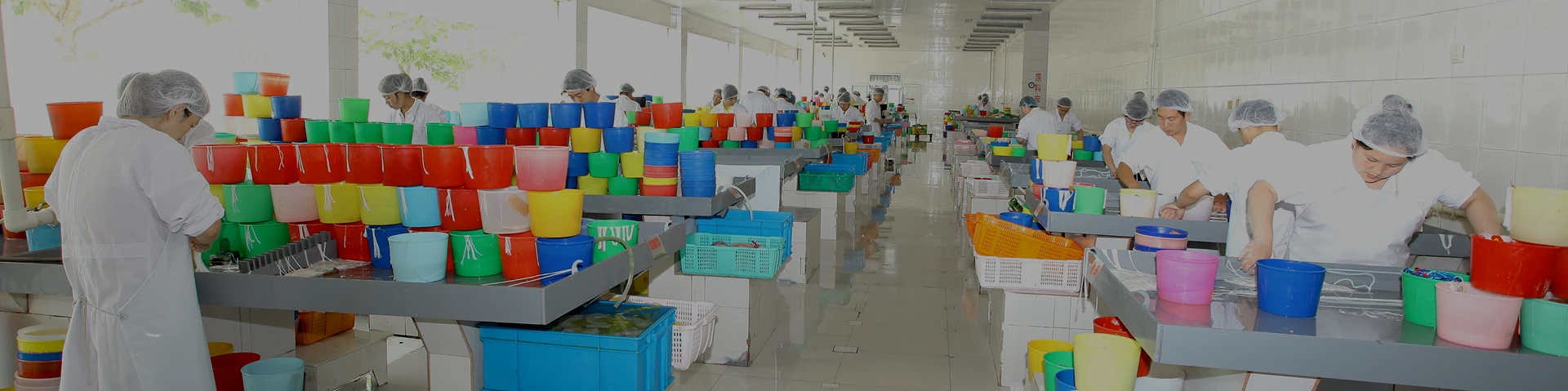
An interesting tidbit: these casings require meticulous cleaning and grading to avoid imperfections that might cause breakage during cooking or transportation — meaning quality control is absolutely critical.
Key Components of 32 35mm Hog Casings
1. Durability and Elasticity
One reason these casings are prized is their superb balance between elasticity—allowing sausages to expand during cooking without bursting—and durability to withstand mechanical stuffing machines. The collagen fibers in hog intestines naturally give them this flexibility.
2. Natural Composition
Unlike synthetic casings, hog casings break down biologically and don’t add chemicals to the food. This appeals to consumers wary of artificial ingredients – a growing demographic globally.
3. Size and Consistency
Sausage makers highly value consistent casing diameter like 32 35mm because it determines filling pressure, aesthetic appeal, and cooking time—key factors in product quality.
4. Seasonal Availability and Supply Chain Constraints
The availability of hog casings follows pig slaughter cycles and export regulations. Seasonality impacts prices and supply reliability—a major headache for global distributors and manufacturers.
Mini takeaway: The technical features of 32 35mm hog casings—durability, natural origin, and dimensional uniformity—explain why they’re irreplaceable in many sausage-making processes.
Global Applications: From Artisan Sausages to Relief Efforts
While we mostly associate hog casings with food, especially sausages, their role extends well beyond traditional European butchers.
- Europe & North America: Specialist and organic sausage producers treasure 32 35mm hog casings for authentic product lines — think German bratwurst or Southern BBQ links.
- Asia-Pacific: Rising middle classes increasingly demand quality meat products wrapped in natural casings; this opens markets for reliable 32 35mm supply chains.
- Remote food manufacturing zones: In regions where cold chain infrastructure lags, natural casings help preserve meat through traditional curing and smoking.
- Post-disaster or humanitarian contexts: Ready-to-eat or preserved meat products using these casings provide protein sources that last without refrigeration.
For example, I recently read about a small Indonesian firm that used 32 35mm hog casings to produce locally valued sausage snacks, boosting regional employment and income.
Product Specification Table: Typical 32 35mm Hog Casings
| Parameter | Value | Comment |
|---|---|---|
| Diameter | 32–35 mm | Standard for medium-sized sausages |
| Material | Natural hog intestine | Biodegradable, all-natural |
| Length per bundle | 30–35 meters | Bundles ready for stuffing machines |
| pH Level | ~5.0 - 6.0 | Indicates freshness and quality |
| Salt content | 8–10% | For preservation during transport |
Advantages and Lasting Value of 32 35mm Hog Casings
Natural casings offer a sensory experience unmatched by synthetic wraps: that “snap” when you bite into a perfectly cooked sausage is a mix of texture, freshness, and tradition. Beyond that, they contribute to sustainability by being compostable and requiring no petrochemical inputs.
On the logic side, these casings reduce the chance of cooking blowouts, lowering product waste and returns. Emotionally, they convey authenticity, artisan pride, and customer trust, which can build lasting brand bonds.
Vendor Comparison: Popular Suppliers of 32 35mm Hog Casings
| Vendor | Origin | Price Range (per bundle) | Special Features | Lead Time |
|---|---|---|---|---|
| RTCasing | USA | $75–$90 | High consistency, strict quality control | 5–7 business days |
| EuroCasings Ltd | Germany | $70–$85 | Organic certified options | 7–10 business days |
| Asia Meat Supplies | China | $60–$75 | Bulk orders & export expertise | 10–14 business days |
Emerging Trends & Innovations Around 32 35mm Hog Casings
There’s quite a buzz recently about improving hog casing sustainability via waste reduction in processing and automated grading technologies using AI image recognition to detect imperfections faster. Some experimental biopolymer blends aim to mimic the texture while enhancing shelf life, though natural casings still dominate premium markets.
Additionally, pressure mounts to reduce antibiotic use in pig farming, which affects intestinal quality and shifts supply chains. We also see a digital revolution with traceability tools ensuring casings’ origin meets safety and organic certifications — a big boost for consumer confidence.
Challenges and How Experts Solve Them
It isn’t all rosy — natural casings are sensitive to storage conditions and require careful handling, or they degrade quickly. Seasonal variability can inflate prices. Logistics across borders can complicate timely delivery and require strict cold-chain management.
Experts suggest better freezing techniques, tighter supply contracts, and investments in localizing production close to key markets as answers. The industry increasingly embraces cloud-based inventory systems and predictive analytics to forecast demand and reduce waste.
FAQ: Your Questions About 32 35mm Hog Casings Answered
Q1: Are 32 35mm hog casings suitable for both manual and automated sausage production?
A: Yes, their diameter and flexibility make them ideal for both hand-stuffing artisans and industrial machines. Their durability reduces breakage, which is crucial in fast-paced production lines.
Q2: What’s the shelf life of these natural casings when properly stored?
A: When salted and refrigerated, they typically last up to 12 months. If frozen, they can keep quality for even longer. Proper moisture control is critical to avoid mold or brittleness.
Q3: Can 32 35mm hog casings be shipped internationally without losing freshness?
A: Absolutely, provided cold-chain logistics and proper salting are maintained. Many suppliers have protocols to ensure casings arrive fresh, even after long transit times.
Q4: How do natural hog casings compare environmentally to synthetic options?
A: Natural casings biodegrade in composting environments and don’t rely on petrochemicals, making them a more eco-friendly choice. However, their sourcing depends on ethical and sustainable farming.
Q5: Are there certification standards I should look for when purchasing 32 35mm hog casings?
A: Yes, certifications like ISO 9001 for quality management and organic labels (where applicable) are important. Traceability certifications are increasingly requested by international buyers.
Conclusion: Why Investing in 32 35mm Hog Casings Pays Off Long Term
All that considered, these humble natural hog casings are much more than just a sausage wrapper. They represent a fusion of tradition, science, and global commerce. Whether you’re a start-up artisan or large-scale meat producer, sourcing consistent, quality 32 35mm hog casings can boost product appeal, reduce waste, and help meet modern sustainability goals.
If you’re in the market, I’d encourage you to check out RT Casing’s range of 32 35mm hog casings — they’ve built a solid reputation for quality and reliability that can make your production smoother and your final products truly outstanding.
References
- Food and Agriculture Organization of the United Nations (FAO), Meat Market Reports (2023)
- Wikipedia: Natural Casing
- ISO 9001 Quality Management Standards, ISO.org