Dec . 02, 2025 19:24
Understanding OEM Salami Natural Casing: An Unsung Hero of Sausage Craft
If you’ve ever bitten into a juicy, evenly textured salami, chances are the casing played a silent yet crucial role in your enjoyment. When we talk about OEM salami natural casing, we’re referring to the authentic, animal-derived layers that encase the meat, providing it with shape, protection, and often contributing to that characteristic snap as you bite. It might seem like a niche component, but globally, this industry quietly powers much of the world’s cured sausage market.
Why does it matter? Well, the natural casing affects product quality, sustainability, and consistency - concerns that ripple far beyond your dinner table into international trade, food safety, and waste reduction. For anyone involved in food manufacturing, artisanal foods, or packaging innovations, understanding these casings can unlock new efficiencies and better product outcomes.
Global Context: Why OEM Salami Natural Casing Has a Worldly Role
In 2023, global meat processing volumes exceeded 350 million tons according to the Food and Agriculture Organization (FAO), with cured meats representing a significant share. Natural casings, sourced primarily from hog intestines, lamb, or beef, serve as the backbone of traditional salami making. Around 60% of global sausage casing demand relates to natural rather than synthetic or collagen casings (source: International Sausage Association, 2022).
However, the supply chain faces hurdles. Hygiene, standardization, and traceability challenges frequently crop up, especially in OEM (original equipment manufacturing) setups that deliver casings ready for high-volume salami production. Modern consumers want not just taste, but assurance — that the casing is sustainably obtained, safe, and consistently high quality.
This is the core challenge that OEM salami natural casing manufacturers are tackling: to marry traditional craftsmanship with large-scale industrial demands.
What Exactly is OEM Salami Natural Casing?
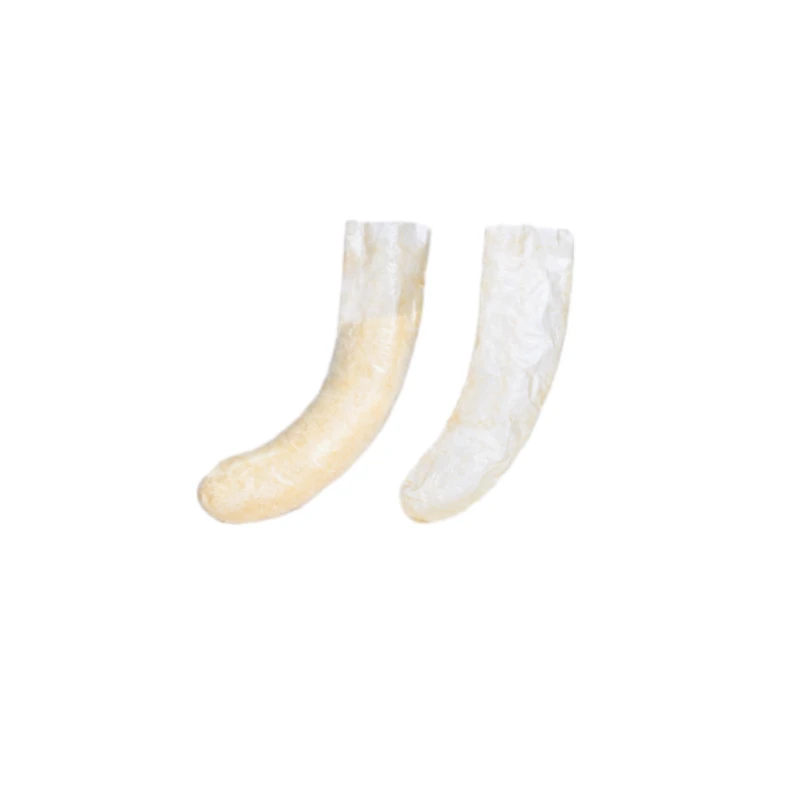
Simply put, OEM salami natural casing refers to animal-derived casings specifically processed and supplied in bulk to other manufacturers or brand-label producers to be stuffed with meat mixtures. “OEM” here means these casings are customized or produced to meet client specifications, supporting scalability and compatibility with automated or semi-automated salami lines.
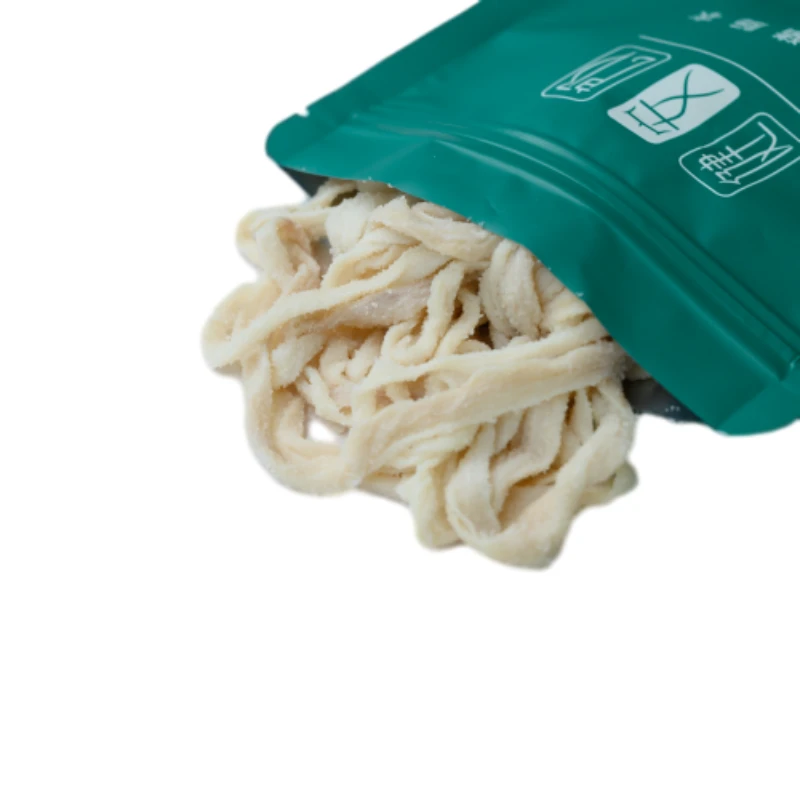
Imagine it as a collaboration between artisan integrity and industrial efficiency. The “natural” part speaks to their origin—the small intestines from pigs, sheep, or cattle—cleaned, salted, and prepared to act as a delicate yet sturdy shell for salami.
In humanitarian terms, such casings contribute indirectly to food security. Efficient meat preservation and packaging reduce spoilage, enabling better nutrition access in regions with supply chain fragility.
Main Characteristics that Define Prime Natural Casings
- Elasticity and Durability: Must handle stuffing pressures without tearing.
- Permeability: Allow for air and moisture exchange, critical for fermentation.
- Biodegradability: Sustainable disposal versus synthetic alternatives.
- Uniformity and Scalability: Size consistency supports mass production.
Core Components & Factors of OEM Salami Natural Casing
1. Durability Under Mechanical Stress
Natural casings need to endure the intense forces of machinery without rupturing. Many manufacturers have innovated cleaning and strengthening methods to boost structural integrity without compromising natural texture.
2. Size Grading and Customization
You want that perfect diameter for your product — whether a thin snack salami or a hefty slicing salami. OEM providers often offer casings graded by diameter and thickness, tailored for different markets, and compatible with automated stuffing machines.
3. Hygienic Processing Standards
Stringent cleaning processes—often in compliance with ISO 22000 or USDA standards—ensure safety for export markets with tight food regulations. This is crucial to avoid bacterial contamination and ensure shelf life.
4. Cost Efficiency and Supply Chain Reliability
OEM relationships optimize costs by reducing waste and streamlining procurement. Reliable suppliers minimize downtime and product variation.
Product Specification Table for Typical OEM Salami Natural Casings
| Specification | Details |
|---|---|
| Material Origin | Natural pork/cattle/sheep intestines |
| Diameter Range | 15mm - 45mm (custom sizes available) |
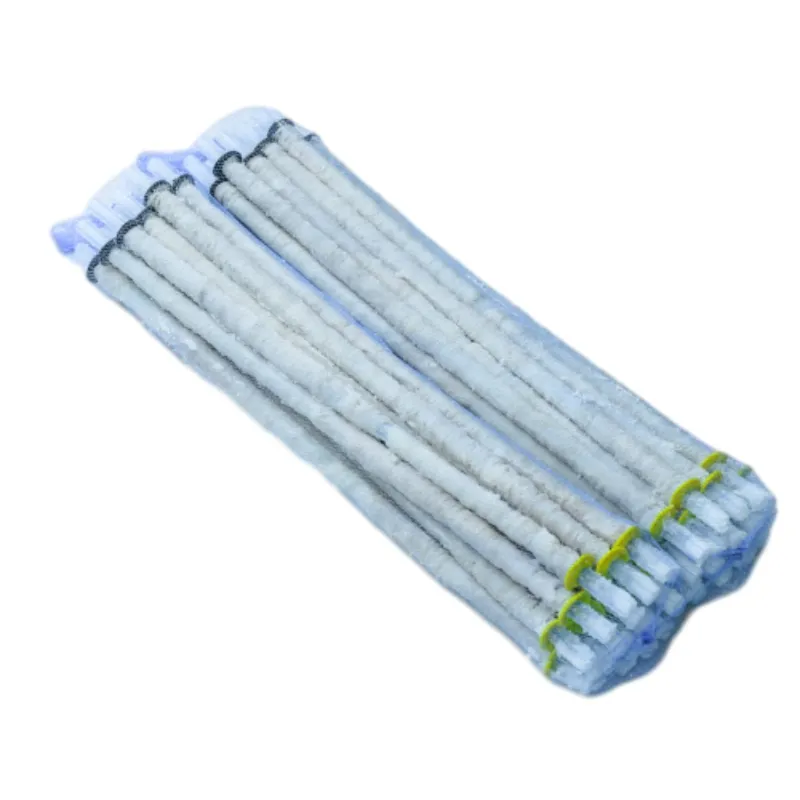
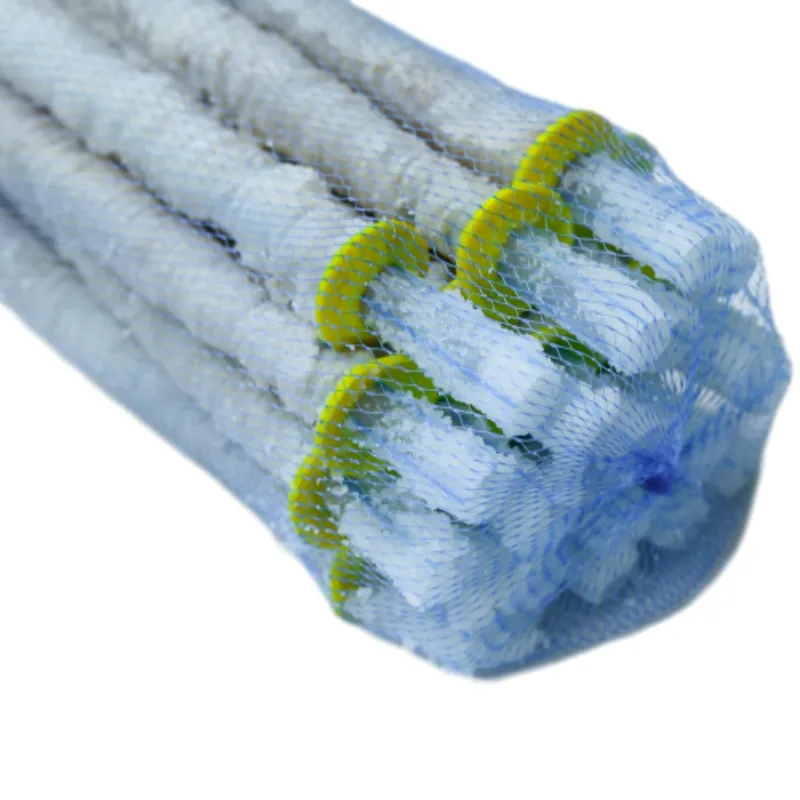
| Packaging | Salty, rolled in bundles of 20-50 meters |
| Compliance Standards | USP, ISO 22000, USDA approved |
| Shelf Life | Up to 12 months refrigerated |
OEM Salami Natural Casing Around the World: Applications & Use Cases
From Europe’s artisanal charcuterie houses to large-scale industrial producers in North America and Asia, natural casings are integral. Oddly enough, countries with strong traditional meat cultures like Italy, Spain, and Germany heavily rely on these casings for their signature cured sausages.
In less obvious contexts, OEM casings assist in emergency food programs and military ration production, where durable yet lightweight packaging can reduce waste and maintain food safety. For example, in remote regions of Africa or post-disaster zones in Southeast Asia, efficient salami production using OEM natural casings supports nutritional aid packages.
If you paid close attention to the way natural casings behave on large automated filling lines, you’d see just how sensitive these raw materials are — even slight inconsistency can cause production halts. That’s why the interface between OEM suppliers and meat processing plants is so critical.
The Tangible Benefits of Choosing OEM Salami Natural Casing
- Authenticity: Natural texture and flavor that synthetic casings can’t mimic.
- Sustainability: Fully biodegradable and sourced from by-products, aiding waste reduction.
- Cost Savings: Improved yields and reduced product defects with reliable casing supply.
- Consumer Trust: Increasingly valued by consumers seeking 'clean label' and natural foods.
- Versatility: Works with traditional and modern production techniques.
Ultimately, the casing carries a lot more than meat — it carries cultural heritage and responsible innovation.
Innovations & Future Trends in OEM Salami Natural Casing
We’re starting to see blends of natural casings with bioengineered treatments that improve durability while maintaining breathability. Digital technology also plays a role: RFID and blockchain are emerging to verify casing origin and processing history, boosting traceability for export markets.
On the sustainability front, some manufacturers are pioneering waste-free processing lines and exploring alternative animal sources with lower environmental footprints. Automation integration continues to refine casing grading and cleaning, tailoring supplies for ultra-modern filling machinery.
So, while it might feel old-school, the OEM salami natural casing sector is quietly embracing a burst of green and digital innovation.
Challenges & How the Industry is Addressing Them
Raw material variability and hygiene are the two biggest bugs in the ointment. Intestines vary by animal diet, breed, and slaughter conditions, influencing casing consistency. Poor cleaning can invite microbial risks.
OEM producers respond by implementing improved slaughterhouse sourcing, advanced curing techniques, and real-time quality checks. Some invest in R&D to develop coatings that extend shelf life without impairing natural casing properties.
Vendor Comparison: Leading OEM Salami Natural Casing Providers
| Vendor | Material Source | Customization Options | Certifications | Lead Time |
|---|---|---|---|---|
| Natural Casings Ltd. | Hog & Sheep | Diameter & Length | ISO 22000, FDA | 2 weeks |
| Global Sausage Casings | Pork & Cattle | Diameter, Custom Treatments | USDA, HACCP | 3-4 weeks |
| EcoCasing Co. | Sheep Intestine | Diameter, Eco-friendly Packaging | ISO 14001, Organic | 2-3 weeks |
FAQ: Frequently Asked Questions About OEM Salami Natural Casing
Q1: How does OEM salami natural casing differ from synthetic casing?
A1: Natural casings come from cleaned animal intestines, offering superior texture and breathability needed for fermentation and drying. Synthetic casings are man-made and can lack aroma and mouthfeel, though they’re more uniform.
Q2: Can I customize the size and treatment of OEM natural casings?
A2: Absolutely. Most OEM suppliers offer a range of diameter grades and surface treatments tailored to your production process and product type.
Q3: Are natural casings safe and compliant for international export?
A3: When processed to food-grade and certified by standards like ISO 22000 or USDA, natural casings meet most global export requirements. Always verify supplier certification.
Q4: How can OEM salami natural casing improve my production efficiency?
A4: Consistent sizing reduces waste and downtime. Plus, premium casings reduce defects like bursting, saving on rework and product loss.
Wrapping Up: Why OEM Salami Natural Casing Still Matters
All in all, the humble OEM salami natural casing is a bridge — between tradition and technology, between artisan flavor and mass production. It helps ensure your salami isn’t just food but a crafted experience, respectful of nature and industry alike.
If you’re curious about sourcing or learning more, check out oem salami natural casing providers that combine quality, compliance, and sustainability.
Mini Takeaway:
OEM salami natural casings are the unsung connectors of global food safety, authenticity, and innovation. They’re worth the attention if you’re in meat production or just passionate about what’s in your sausage.
References
- Food and Agriculture Organization (FAO), Global Meat Production Report 2023.
- International Sausage Association, Annual Market Survey 2022.
- ISO 22000 Food Safety Management Standards, 2023 Edition.