Dec . 02, 2025 18:52
The Quiet Power of OEM Natural Sheep Casings: Why They Matter Globally
If you’re like me, maybe you’ve barely thought about what sausage casings are made from — but oem natural sheep casings quietly underpin a fascinating web of food culture, industry innovation, and global trade. They’re more than just a foodstuff accessory; they represent centuries of tradition meeting modern manufacturing, sustainability efforts, and food safety standards worldwide. Understanding their role opens up insights into how simple, natural materials serve big economic and cultural roles across continents, feeding millions and enabling a vast array of culinary delights.
OEM natural sheep casings, specifically, form a key part of many sausage-making operations due to their superior texture and suitability for high-quality products. These casings impact not only product taste and appearance but also influence the efficiency and sustainability of food production on a global scale.
Global Context: Why OEM Natural Sheep Casings Are More Relevant Than Ever
We often associate the global food industry with giants like grains or proteins, yet according to a FAO report, the natural casing market has experienced steady growth driven by demand in Europe, the US, and parts of Asia. Natural casings — especially those sourced from sheep intestines — offer a biodegradable alternative to synthetic counterparts alongside exceptional cooking qualities.
Yet supply chains face challenges: fluctuations in livestock populations, evolving food safety regulations from bodies like the ISO, and logistics complexity for OEM providers who must guarantee consistent casing quality for meat processors worldwide. The right casing can reduce waste, increase product shelf life, and cater to a culturally diverse consumer base — big wins for manufacturers. But the volatility in raw materials requires precise sourcing and advanced processing techniques.
What Exactly Are OEM Natural Sheep Casings?
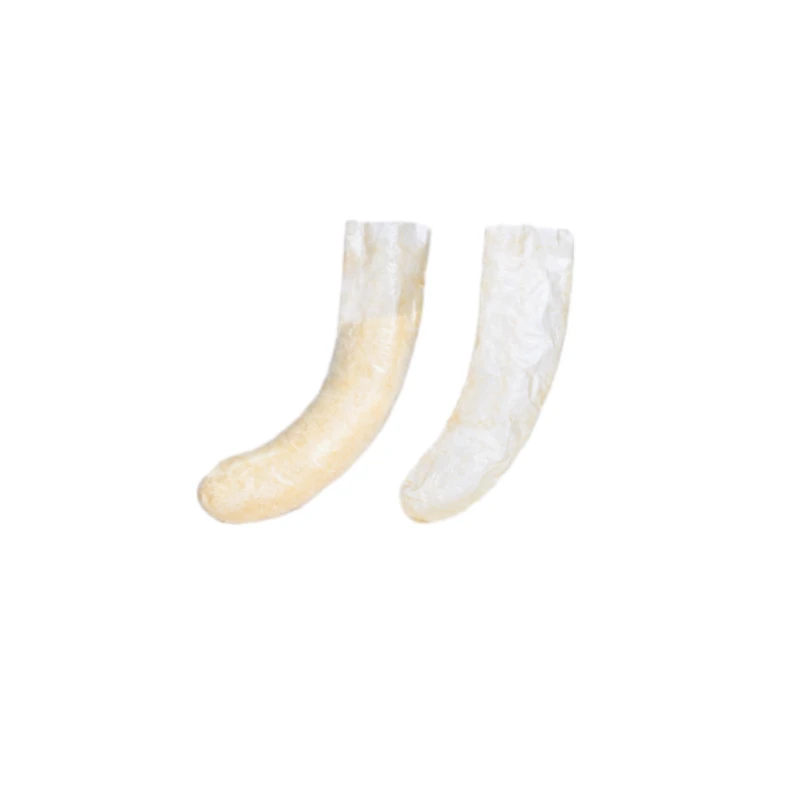
Simply put, these casings are the cleaned and processed intestines of sheep, tailored specifically (OEM means 'Original Equipment Manufacturer') to meet the specifications of meat producers who use them for stuffing sausages. Unlike synthetic versions, these are 100% natural, offering elasticity and bite that synthetic casings struggle to mimic. It’s a product that bridges traditional food craft and modern, scalable production needs.
OEM natural sheep casings are integral in fine sausages, like Mediterranean merguez or the delicate andouille, prized for that 'snap' when bitten. Their natural origin appeals to consumers who seek authenticity and cleaner ingredient profiles. Moreover, because they are renewable animal byproducts, these casings also contribute to reducing waste in livestock production.
Durability and Texture
One reason processors love natural sheep casings is their ideal balance between strength and tenderness. They flex during cooking, hold fillings firmly, and maintain the sausage’s shape without bursting easily — and odd as it sounds, they’re also forgiving in mechanized stuffing processes, which is crucial for OEM clients.
Customization and Sizing
OEM suppliers can tailor diameter and length to exact product needs. That’s critical because sausage size varies hugely by cuisine and market. For example, East European styles often use larger diameters, while more delicate Mediterranean sausages stick to smaller tubes.
Natural and Sustainable Material
In a world increasingly focused on sustainability, manufacturers appreciate that natural sheep casings are entirely biodegradable and sourced as a byproduct of the food industry. No animals are raised solely for casing production, so these represent efficient use of resources — an argument that resonates in quality-conscious markets.
Food Safety Standards
Modern processing follows strict hygiene protocols and certifications like ISO 22000 to ensure casings meet global food safety benchmarks. This gives OEM clients confidence for export and large-scale retail distribution.
How OEM Natural Sheep Casings Are Used Across the Globe
- Europe: The birthplace of many traditional sausages — Germany, Spain, and France rely on sheep casings for products like chorizo, merguez, or andouille.
- Asia: Countries like China and Turkey use natural casings extensively in local delicacies, and demand is on the rise due to expanding food processing industries.
- North America: Artisan producers prize natural sheep casings for premium flavors and natural labelling, with booming demand in specialty meat markets.
- Humanitarian Work: Oddly enough, in some humanitarian aid settings where food preservation is key and refrigeration limited, products with natural casings last longer and preserve nutritional value better.
Mini Takeaway: OEM natural sheep casings are truly a global connector, bridging diverse food cultures and embodying traditional values within modern food systems.
The Advantages and Long-Term Value of Using OEM Natural Sheep Casings
Cost-wise, natural sheep casings offer remarkable value considering their performance and shelf life. Many processors find they reduce batch spoilage, meaning less waste and sharper profit margins. Consumers, of course, enjoy better textures and the satisfaction of eating “real” food.
Environmentally, these casings support circular economy principles — turning what would be waste into a useful product. This sustainability narrative strongly appeals in today’s market, where buyers make choices aligned with ethical and ecological values.
Socially, the use of natural casings bolsters local supply chains, often providing income for smaller slaughterhouses and rural communities. Trust in food origin is growing everywhere; natural sheep casings help meet that demand for authenticity and transparency.
Spotlight: OEM Natural Sheep Casings Specification Table
| Specification | Detail |
|---|---|
| Source Animal | Sheep intestine (small intestine) |
| Diameter Range | 16-22 mm typical (customizable) |
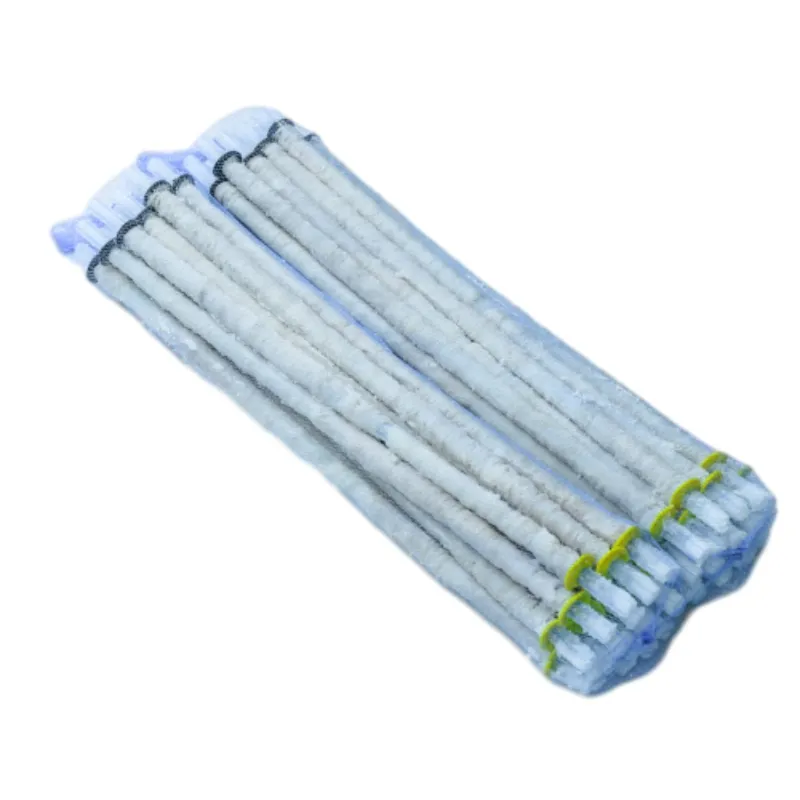
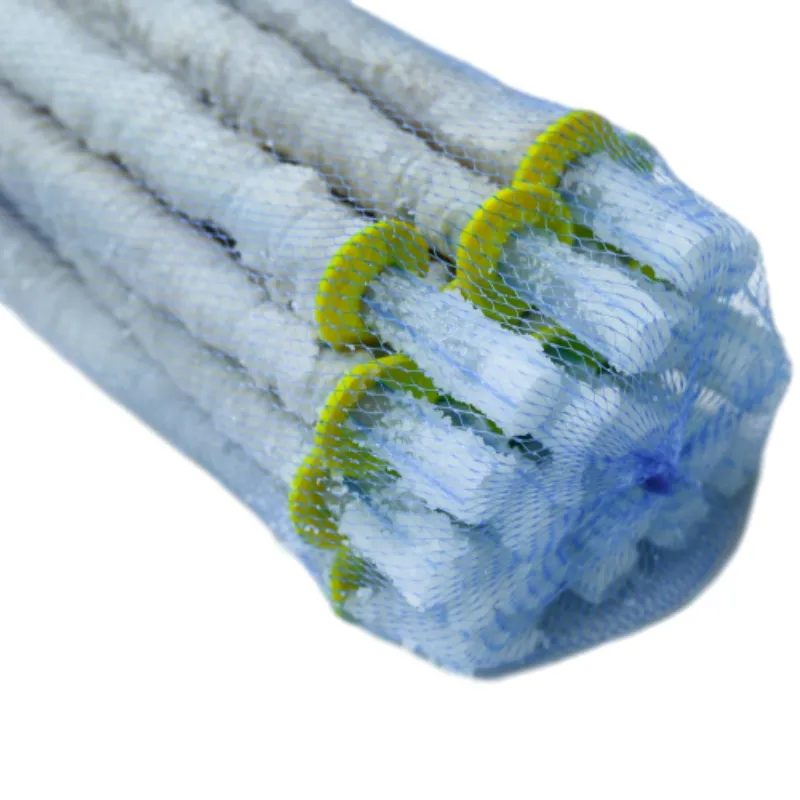
| Length per Stick | Up to 4 meters |
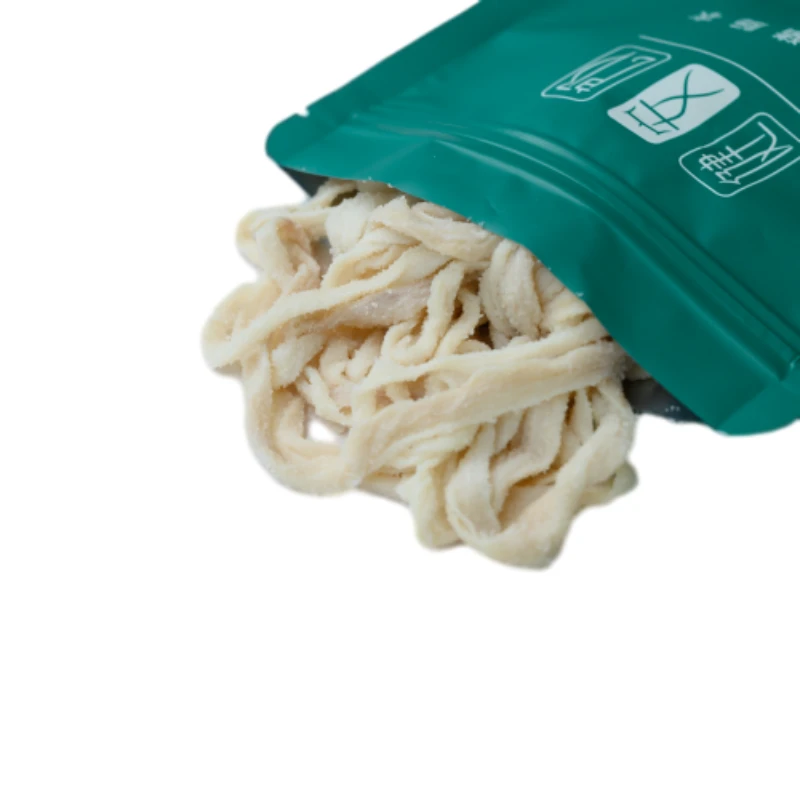
| Preservation Method | Salted and refrigerated or frozen |
| Food Safety Standards | ISO 22000, HACCP compliant |
| Color & Texture | Natural off-white, semi-transparent, smooth texture |
Comparing Leading OEM Natural Sheep Casings Vendors
| Vendor | Quality Grade | Customization | Typical Markets | Distribution |
|---|---|---|---|---|
| RTCasing | Premium Grade A | Diameter, Packaging, Length | Europe, Asia, North America | Global Express Shipping |
| GlobalSheepCasings | Standard Grade B | Diameter only | Europe, Middle East | Regional |
| EcoNaturalCasings | Organic Certified | Diameter, Length, Organic Certification | North America, Europe | International |
Looking Ahead: Trends and Innovations in OEM Natural Sheep Casings
It feels like every supplier is trying to stay ahead of the curve by improving traceability through blockchain technologies, giving buyers instant access to sourcing and processing histories. Sustainability standards are jumping too — innovations in low-salt preservation and eco-friendly packaging are rising fast.
In terms of technology, automation in cleaning and sizing is getting smarter, increasing throughput without sacrificing the traditional qualities that chefs love. Digital platforms for ordering customized OEM casing batches directly are also on the rise, making it easier for sausage producers globally to scale quickly or tweak recipes with new casing sizes.
Common Challenges and How the Industry Tackles Them
One obvious challenge is consistent supply. Sheep populations fluctuate and local events like drought or disease outbreaks sometimes tighten availability, driving prices up. Expert OEM vendors often diversify their sourcing geographically, ensuring no one region’s crisis becomes a global bottleneck.
Another challenge is sanitation — natural casings come raw, so processing must be razor sharp. Advanced washing processes with eco-friendly detergents and strict compliance to food safety standards help keep contamination risks minimal.
Finally, synthetic substitutes are cheaper but lack the culinary qualities of natural casings. The solution? OEM suppliers educate chefs and buyers on the value and benefits of genuine sheep casings to maintain demand and drive premium markets.
FAQ: What You’re Probably Wondering About OEM Natural Sheep Casings
Q1: How are OEM natural sheep casings preserved for shipping?
Traditionally, they are salted and refrigerated or frozen. Salting both preserves and disinfects the casing until it reaches the manufacturer. Modern exporters carefully control temperature during transit to maintain freshness and elasticity.
Q2: Can OEM natural sheep casings be customized for different sausage recipes?
Absolutely! OEM providers offer tailored diameters, lengths, and packaging options to suit various cuisines and processing equipment requirements. This flexibility is one reason they are favored worldwide.
Q3: Are natural sheep casings considered a sustainable choice?
Yes — they're a byproduct of the livestock industry and fully biodegradable, making them a sustainable alternative to artificial casings derived from plastics or collagen synthesized in labs.
Q4: What quality certifications should I look for when choosing an OEM supplier?
Look for ISO 22000 or HACCP compliance to ensure food safety standards. Organic certifications are also available if you require them for specialty products.
Wrapping It Up: Why OEM Natural Sheep Casings Matter for Your Business
Whether you’re a meat processor diving into artisanal sausage making or a global food producer seeking consistency, OEM natural sheep casings offer unmatched natural qualities, customization, and sustainability benefits. They connect centuries of food heritage with innovations in hygiene and tech, creating a product that’s more than just a casing — it’s a foundation for authentic, trusted food experiences.
If you want a reliable supplier with premium standards and global reach, checking out oem natural sheep casings providers like RTCasing could be the next step. It’s a niche market with surprising depth, but once you understand it, you’ll see why many processors keep coming back for these natural gems.