Dec . 02, 2025 20:34
Understanding OEM Dried Hog Casings: Why They Matter Globally
When you hear the phrase OEM dried hog casings, you might instantly think of sausages or food manufacturing, and you'd be right. But beyond the kitchen and factory floor, these casings play a surprisingly important role globally — from food safety and quality control to aiding small-scale producers and even humanitarian efforts. Understanding them helps industries innovate, maintain standards, and ensure a sustainable supply chain worldwide.
Oddly enough, despite their somewhat niche sound, these casings influence markets, cultural food traditions, and even economic development in rural regions. Getting a grip on how OEM dried hog casings work, and their benefits, can be a game changer for anyone interested in food technology, supply chain management, or global trade.
The Global Landscape: Why OEM Dried Hog Casings Are Essential
According to the Food and Agriculture Organization, global pork production surpassed 110 million tonnes in recent years, and naturally, the demand for natural casings follows suit. OEM dried hog casings, as a key raw material in sausage-making and other processed meats, form a crucial link in meat processing sectors worldwide.
That said, the industry faces challenges like inconsistent supply, animal disease outbreaks, and growing concerns over food safety and traceability. OEM dried hog casings, often produced with strict protocols, help to mitigate such issues by ensuring quality consistency and scalability for processors operating on a global scale.
What Exactly Are OEM Dried Hog Casings?
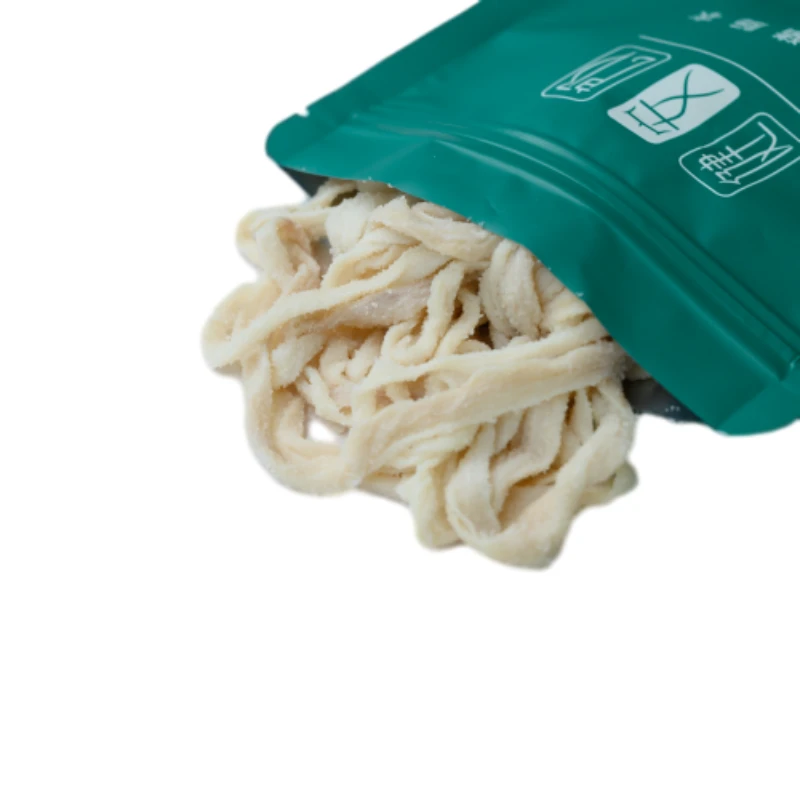
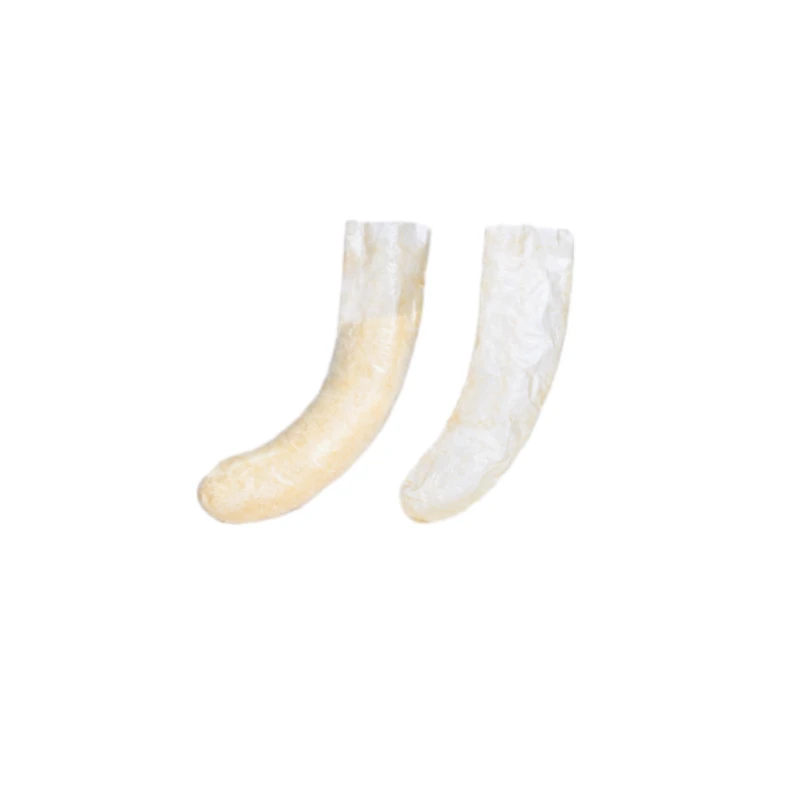
Simply put, OEM dried hog casings are the natural intestines of pigs that have been cleaned, processed, and dried to be used primarily as sausage casings. “OEM” stands for Original Equipment Manufacturer, indicating these casings are produced under specific agreements and to particular quality standards for food processors or distributors.
They marry traditional food technology with modern industry demands, linking natural, biodegradable materials with precise manufacturing controls — perfect for those businesses who want authentic, edible casings without worrying about inconsistent supply or variable sizes. In humanitarian terms, think of them as a reliable, natural packaging option for protein-rich foods in regions where shelf life and refrigeration are limited.
Key Features of OEM Dried Hog Casings
1. Durability and Consistency
These casings are renowned for their strength once dried but flexible enough during processing. Many manufacturers note a uniform caliber, reducing product waste and speeding up the stuffing process. For production lines, this reliability is gold.
2. Scalability for Volume Production
OEM suppliers often tailor casing sizes and packing volumes according to client needs. That adaptability makes it easier for large meat processors to maintain steady output without surplus inventory piling up.
3. Cost Efficiency in the Long Run
While natural casings might have a higher unit cost vs. artificial ones, their biodegradability, consumer preference, and lower waste factor frequently justify the investment.
4. Food Safety and Traceability
Strict OEM standards require detailed tracking of source pigs, processing methods, and storage conditions. In recent years, digital traceability has even been introduced in some factories, bridging traditional production with modern quality assurance.
5. Environmental Sustainability
Since these are natural by-products from pork industries, their use reduces waste and supports circular economies. Plus, being biodegradable improves environmental footprints compared to synthetics.
6. Customization Potential
Producers can often specify casing diameter, length, and even moisture content, allowing manufacturers to create sausages that fit regional tastes and technical requirements.
Mini takeaway: These core features make OEM dried hog casings an appealing choice for producers prioritizing quality, efficiency, and sustainability.
Global Applications: More Than Just Sausages
Though primarily used in food processing, the reach of OEM dried hog casings extends intriguingly far.
- Europe and North America: Being traditional sausage-consuming regions, these markets rely heavily on premium dried hog casings for gourmet and artisanal products.
- Asia-Pacific: With growing meat consumption, manufacturers adopt OEM casings to maintain product consistency in rapidly expanding markets.
- Humanitarian Food Programs: In refugee camps or disaster zones, protein safety and shelf life matter significantly. Natural casings can transport proteins packed in a way that conserves freshness without refrigeration—an underappreciated use.
- Specialty Meat Producers: Small, localized butchers or organic farms often prefer OEM sourced natural casings for authenticity and market differentiation.
For example, in rural Eastern Europe, cooperative sausage factories contract OEM providers to supply dried hog casings all year round, allowing stable employment and consistent product export.
Advantages and Long-Term Value of OEM Dried Hog Casings
Beyond the tangible benefits like cost savings and product quality, there’s an emotional and societal layer — these casings support food traditions, promote sustainable employment, and foster trust between processors and consumers.
Many marketers say consumers now demand transparency and sustainability, making natural OEM dried hog casings a choice that resonates beyond function — it signals respect for culture and environment. Plus, since these casings undergo rigorous production standards, they reduce recalls and health risks.
Logically, the reliability of supply and standardization helps protect brands long-term — because nothing kills customer loyalty faster than a poor product experience, especially with such a traditional food.
OEM Dried Hog Casings at a Glance: Specification Table
| Specification | Typical Value | Comments |
|---|---|---|
| Diameter | 16–26 mm | Varies by product & client specs |
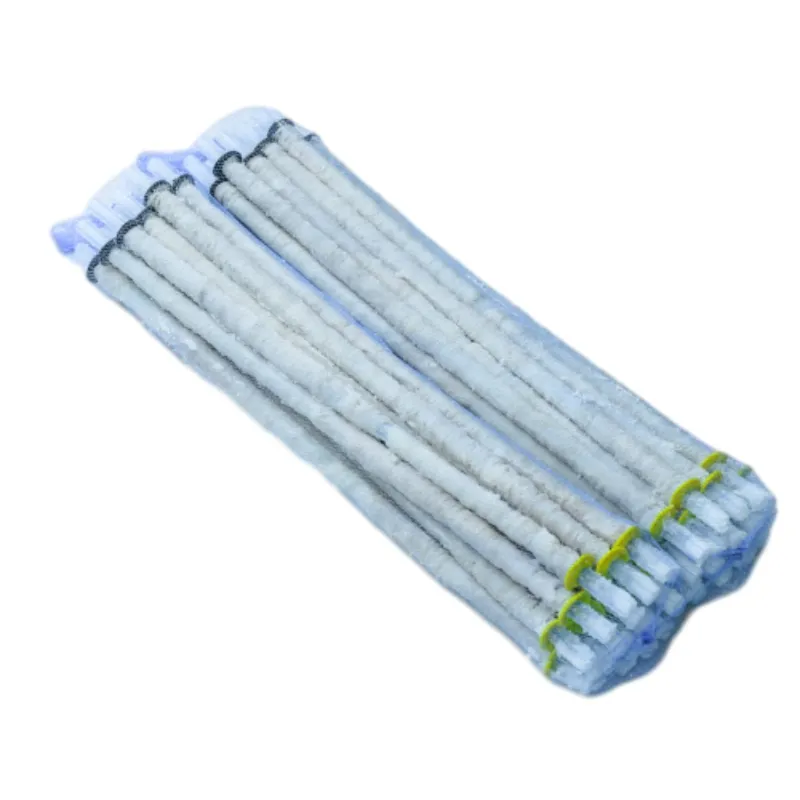
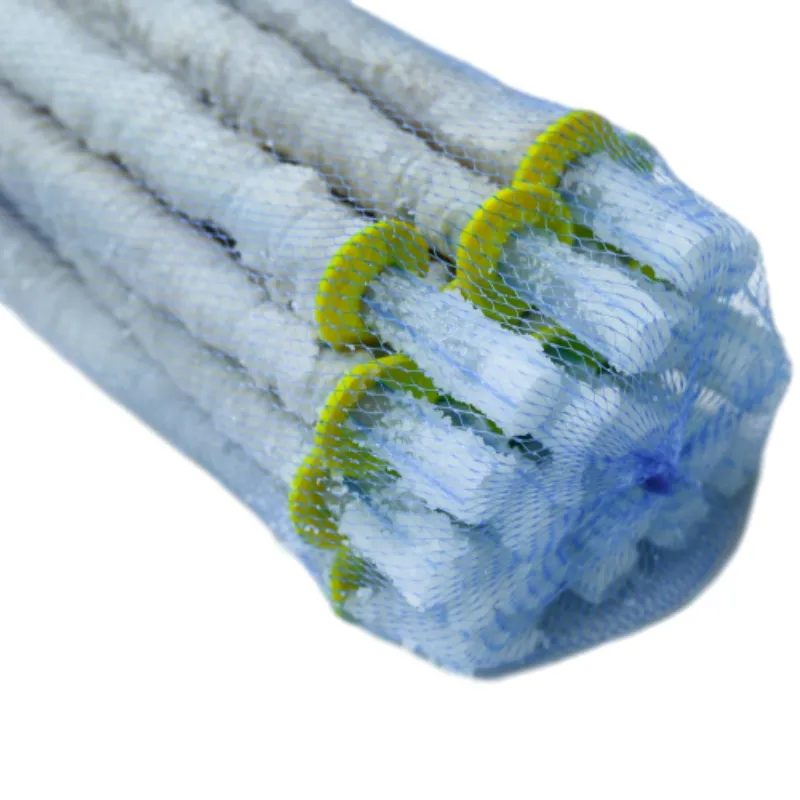
| Length (per bundle) | ~4–6 meters | Pre-cut and packaged |
| Moisture Content | 12–15% | Ensures pliability and storage |
| Packing Weight | 25–30 kg per bundle | Optimized for shipping & inventory |
| Shelf Life | 12–24 months (dry storage) | Stored in cool, dry conditions |
Comparing Major OEM Dried Hog Casings Vendors
| Vendor | Product Range | Quality Certification | Delivery Regions | Customization Options |
|---|---|---|---|---|
| Vendor A | 16–26 mm diameters, fresh & dried | ISO 22000, HACCP | Global | Diameter, length, packaging |
| Vendor B | Natural hog & sheep casings | ISO 9001, BRC | Asia, Europe | Tailored calibers & moisture |
| Vendor C | OEM dried hog casings, bulk | FDA Approved, HACCP | North America, EU | Packaging style & volume |
Looking Ahead: Future Trends in OEM Dried Hog Casings
Innovations here are quietly shaping the future of food packaging. Digitally integrated traceability systems are increasing consumer trust by providing transparency from farm to fork.
Also, sustainability-focused developments — like eco-friendly drying techniques to reduce energy usage and advances in bioplastic alternatives — show promise to supplement natural casings in hybrid production models. Automation in sorting and processing will cut labor costs and improve hygiene further.
With growing global concerns about animal welfare and environmental impact, sourcing transparency combined with improved processing tech might define OEM dried hog casing products of the future.
Facing the Challenges: Supply and Quality Issues
Of course, no product is without its hurdles. Supply unpredictability due to disease outbreaks in pig populations can disrupt availability. Plus, the delicate nature of the material means transport and storage need to be strictly managed.
Innovative companies are tackling this by diversifying pig sourcing, investing in improved drying tech to stabilize product quality, and implementing digital monitoring systems that flag issues in real time.
For businesses, partnering with reliable OEM producers, who emphasize rigorous testing and supply chain transparency, is a proven way to navigate these challenges.
FAQ: Common Questions About OEM Dried Hog Casings
Q1: What is the typical shelf life of OEM dried hog casings?
A1: Generally, dried hog casings last between 12 and 24 months if stored properly in cool, dry, and ventilated conditions. Avoid humidity to prevent deterioration or mold growth.
Q2: Can OEM dried hog casings be customized?
A2: Yes, many OEM manufacturers offer customization in diameter, length, moisture levels, and packaging types to meet specific production needs or regional preferences.
Q3: How do OEM dried hog casings compare to synthetic alternatives?
A3: Natural casings tend to offer superior texture, breathability, and biodegradability, though synthetics are sometimes preferred for cost or uniform shape. It depends on product goals.
Q4: Are food safety certifications important when sourcing these casings?
A4: Absolutely. Certifications like HACCP, ISO, and FDA approvals guarantee traceability, hygiene, and compliance with international food safety standards, critical for exports and consumer trust.
Q5: How can small producers access OEM dried hog casings internationally?
A5: Many OEM suppliers provide flexible shipments and handle international customs. It's best to work with vendors who have experience in global logistics and to start with smaller trial orders.
Wrapping It Up: Why Invest in OEM Dried Hog Casings?
Ultimately, OEM dried hog casings fuse tradition with modern quality demands, helping manufacturers worldwide deliver consistent, authentic products sustainably. Whether you’re a boutique butcher or a large-scale processor, these casings bring reliability, adaptability, and a nod to nature — a combo that’s both logical and, frankly, quite comforting.
For anyone interested in exploring trusted suppliers or upgrading their casing quality, visit our website to find out more about OEM dried hog casings tailored to your needs.