Dec . 02, 2025 19:02
Why the Natural Sheep Casings Company Matters Globally
Natural sheep casings — those thin, elastic membranes made primarily from the small intestines of sheep — might seem like an old-fashioned food industry niche. But frankly, they represent a fascinating crossroads of tradition, global agriculture, and modern manufacturing. Understanding natural sheep casings company operations isn’t just a matter of sausage-making aficionados; it’s a glimpse in how natural materials still play a role in supplying sustainable and quality food products worldwide.
Global demand for natural sheep casings continues to rise, particularly in regions where artisan sausage products are cultural staples. According to industry reports, the global natural casing market is expected to reach over $1 billion by 2027, driven largely by rising demand in Europe, Asia, and parts of the Americas. That’s no small number, especially when you consider the supply chain challenges of preserving the quality and safety of these perishable materials.
So why does this topic matter? Because natural sheep casings companies facilitate a unique balance: they support traditional food crafts while pushing forward innovations in sustainable production and quality control. This helps ensure food authenticity and economic stability in rural farming communities, particularly in countries with large sheep livestock populations.
Mini takeaway: The natural sheep casings industry connects heritage food production with global trade and sustainability concerns.
Global Relevance and Industry Context
Natural sheep casings companies operate at the intersection of agriculture, manufacturing, and international trade. The United Nations Food and Agriculture Organization (FAO) highlights that small ruminants, like sheep, account for nearly 30% of global red meat production. Countries such as China, Turkey, and Spain are among the largest producers and exporters of natural sheep casings, matching demand from food markets both local and international.
Yet, one of the biggest industry challenges is the inconsistent quality and supply of these natural materials. Being a product of biological origin, sheep casings can vary vastly, which complicates scaling and quality assurance efforts. Plus, the processing methods—typically involving delicate cleaning, salting, and packaging—must meet strict food safety standards (ISO 22000:2018 is often applied).
This leads many companies in the space to innovate continuously, from adopting more automated processing lines to digital traceability systems. The global consumers want transparency now — “Where did it come from? Is it safe? How sustainable is it?” And natural sheep casings companies must answer.
Mini takeaway: Natural sheep casings companies are globally vital but face reproducibility and safety challenges, pushing innovation in production and transparency.
What Exactly is a Natural Sheep Casings Company?
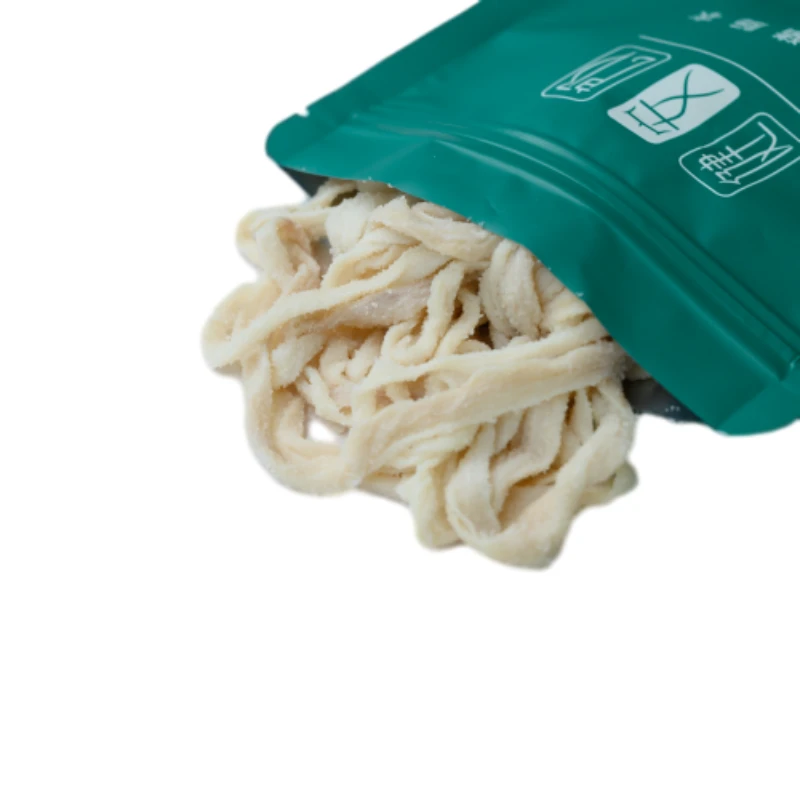
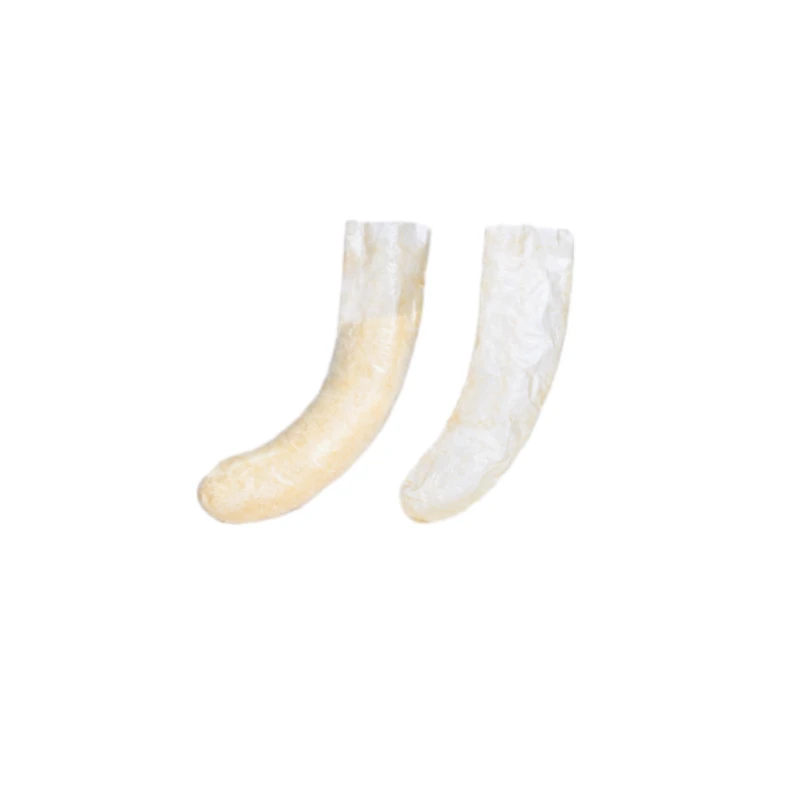
Simply put, a natural sheep casings company is an enterprise specializing in the preparation, preservation, and sale of sheep intestines cleaned and processed for use in sausage production and other food products. These casings are favored for their natural elasticity and breathability, providing that unique bite and appearance that synthetic alternatives often can't match.
Beyond sausages, natural casings are used in specialty food markets as well as humanitarian and industrial food supply chains. For instance, in regions where refrigeration is limited, the naturally preservative qualities of meat wrapped in sheep casings can help protect it longer without additives.
Interestingly, the connection between these companies and modern industry isn’t just about food — it’s also about rural development, animal husbandry, and eco-conscious manufacturing. Many companies partner closely with local shepherds to ensure sustainable sheep farming practices, which align with broader efforts to maintain biodiversity and reduce food waste.
Mini takeaway: Natural sheep casings companies preserve a tradition while contributing to rural livelihoods and sustainable food production.
Core Components of Natural Sheep Casings Companies
Quality Control and Standardization
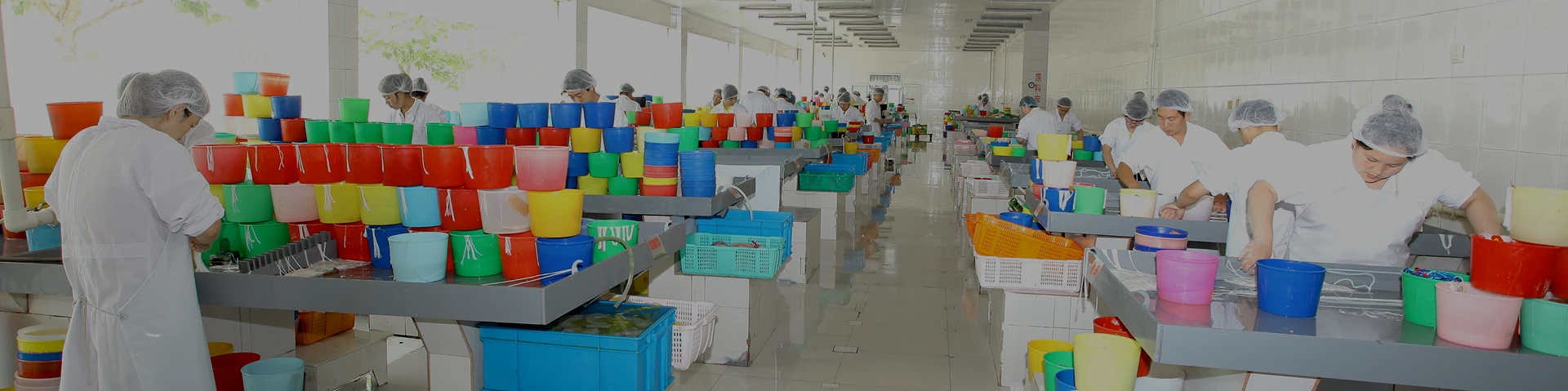
One of the defining factors of a credible natural sheep casings company is rigorous quality control. Since these casings come from a biological source, variations in thickness, diameter, and strength are natural. Companies invest in measuring and sorting by diameter rings (usually 16–22 mm for sheep), grading for intactness, and testing for elasticity.
Processing Techniques
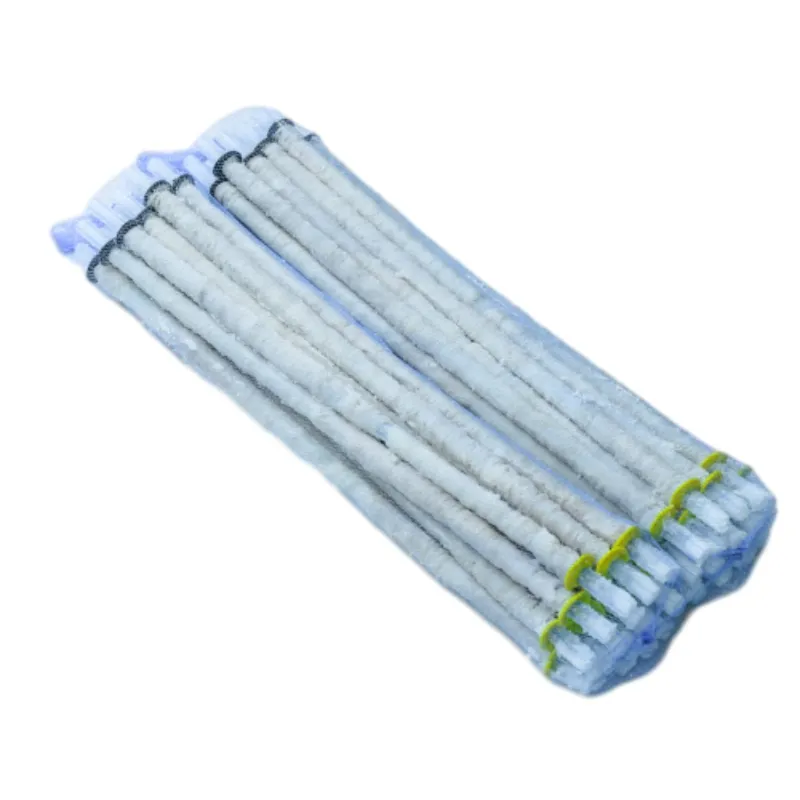
Traditional processing involves thoroughly cleaning the intestines, removing fat membranes, and preserving them via natural salting or chilling. Modern companies also use enzymatic treatments and cold storage technology to increase shelf life without chemical preservatives.
Supply Chain Stability
Since sheep casings are sourced seasonally and regionally, a company’s success often depends on deep relationships with farmers and flexible logistics—importantly for export businesses. Reliability in supply shapes customer trust in both artisan and large-scale food industries.
Sustainability Practices
Natural sheep casings companies are increasingly adopting environmentally mindful practices: sourcing from farms using rotational grazing that benefits soil health, minimizing chemical use in processing, and optimizing packaging to reduce waste.
Product Customization and Solutions
Some companies provide specific calibers or types of casings tailored for different sausages or culinary methods, adding value for their customers. The ability to provide customized batches can be a deciding factor for high-end producers wanting consistent quality.
Mini takeaway: Quality, processing, sustainable sourcing, supply relations, and customization define successful natural sheep casings companies.
Global Applications and Industry Use Cases
Natural sheep casings find their most obvious home in the food industry, but the breadth of application is surprisingly wide. Artisanal sausage producers throughout Europe, from Spain’s chorizo makers to Germany’s knackwurst specialists, rely heavily on high-quality sheep casings for authentic textures.
In North America, ethnic food producers serving Mediterranean and Middle Eastern communities source natural sheep casings to meet demand for traditional tastes. Meanwhile, in Asian markets like Japan and South Korea, natural casings allow chefs and manufacturers to offer more natural product lines amid growing consumer demands for clean-label foods.
Interestingly, humanitarian organizations have explored natural casings for protein preservation in disaster zones, where refrigeration is sparse but fresh protein remains a critical goal. Plus, natural casings sometimes serve niche uses in veterinary medicine and even as biodegradable packaging.
Example: A European natural sheep casings company recently partnered with a local shepherd network in Turkey to boost both export quality and domestic income, boosting rural sustainability efforts.
Mini takeaway: From traditional food products to humanitarian aid and niche industries, natural sheep casings serve diverse global needs.
Product Specification Table
| Specification | Typical Range | Description |
|---|---|---|
| Diameter | 16-22 mm | Ideal for sausage casings, provides uniform size |
| Length per unit | ~4 meters | Varies depending on processing batch |
| Preservation | Natural salt curing | No chemical preservatives, keeps membranes intact |
| Shelf life (packed) | 12–18 months (refrigerated) | Storage conditions critical for quality retention |
| Elasticity | High | Enables casing to stretch during sausage stuffing |
Advantages and Long-Term Value of Choosing Natural Sheep Casings
When you pick a reliable natural sheep casings company, you get more than just a product — you’re connected to a tradition of quality and authenticity. These casings offer superior taste and texture differences that synthetic alternatives often can't mimic.
From an operational viewpoint, natural casings can actually reduce waste because their breathable membranes allow sausages to dry evenly and naturally, avoiding “weeping” or excess moisture buildup. Many chefs swear by the natural snap of a sheep casing when you bite into a sausage — an intangible but powerful emotional connection to food heritage.
On a social impact note, supporting these companies means supporting smallholder farmers and rural economies. When companies build sustainable sourcing networks, they promote animal welfare and environmental stewardship.
Mini takeaway: Natural sheep casings marry superior sensory qualities with sustainable and socio-economic benefits that pay off long-term.
Vendor Comparison Table: Leading Natural Sheep Casings Companies
| Company | Origin | Quality Certification | Sustainability Initiatives | Customization Options |
|---|---|---|---|---|
| CasingsPlus | Turkey | ISO 22000 | Rotational grazing partnerships | Diameter & length adjustments |
| SheepMembranes Inc. | Spain | BRC Food Safety | Minimal chemical use in processing | Bulk & retail packaging |
| EcoCasing Ltd. | New Zealand | GLOBALG.A.P. | Biodegradable packaging, carbon offsetting | Custom shapes & branding available |
Future Trends and Innovations Shaping Natural Sheep Casings Companies
We live in a time when sustainability and traceability aren’t just buzzwords but crucial company pillars. Elaborate blockchain tracking is starting to show up in natural casings supply chains, enabling brands and consumers to verify the origin and handling every step along the way. I recently saw a company launch a QR-coded packaging system that links back to the farm — neat, right?
On the product side, innovations in enzymatic cleaning techniques and gentle drying processes improve shelf life without chemicals, reducing the environmental footprint. Some companies are even exploring biopolymer coatings to enhance strength and reduce permeability, offering a hybrid approach between natural and synthetic benefits.
Automation might sound at odds with “natural” but actually helps improve consistency and lessen labor intensity for these delicate biological materials. There’s also a trend towards diversified products—like specialty casings for plant-based meat analogues — ironically connecting old-school nature with the future of food.
Mini takeaway: Transparency, tech-enabled traceability, and green innovations are transforming natural sheep casings companies for tomorrow.
Challenges and What’s Being Done
Here’s the reality: natural sheep casings are tricky. The inherent biological variability means standardization is never perfect. Processing contamination risks, supply fluctuations due to disease or climate, and transport fragility all pose headaches. Moreover, economic pressure from cheaper synthetic casings challenges natural casing businesses.
Yet, many companies are overcoming these hurdles by embracing digital quality control tools—like infrared thickness scanners—and forging closer producer partnerships to secure steady raw materials. Also, educational programs about sustainable sheepherding and animal welfare help ensure supply stability and brand trust.
It’s not perfect, but frankly, the adaptation is impressive given how old this material and process are.
FAQ: Frequently Asked Questions About Natural Sheep Casings Company
- Q: How can I ensure consistent casing quality from a natural sheep casings company?
A: Look for suppliers with strict grading processes, ISO or BRC certifications, and those who offer diameter sorting. Also, ask about their cleaning and preservation methods. Many top companies provide sample batches for testing before bulk orders. - Q: Are natural sheep casings sustainable compared to synthetic alternatives?
A: Yes, because they come from renewable animal sources and use minimal chemicals. When sourced responsibly—paired with sustainable farming—they have a smaller environmental footprint than plastics. Plus, they’re biodegradable. - Q: What industries outside food use natural sheep casings?
A: Besides sausages, natural casings sometimes appear in biomedical research, traditional crafts, and even as biodegradable packaging materials. Humanitarian aid groups have also evaluated them for protein preservation in disaster zones. - Q: Can I customize natural sheep casing sizes and packaging?
A: Many companies offer customization based on diameter, length, and packaging type to suit different sausage makers or food processors. Ask about MOQ and turnaround times. - Q: How do natural sheep casings companies manage export regulations?
A: They typically comply with international food safety standards and provide necessary documentation like health certificates and material safety data. Partnering with experienced freight forwarders helps navigate complex customs.
Conclusion: Why Natural Sheep Casings Still Make Sense
In this age of digitization and synthetic surrogates, natural sheep casings companies hold a unique position merging tradition, sustainability, and innovation. They fuel authentic culinary experiences while supporting rural economies and advancing food safety through modern techniques.
If you’re involved in food production or distribution, exploring a trusted natural sheep casings company might just reconnect you to the roots of quality and sustainability. The long-term value here isn’t just product durability, but relationships—to nature, culture, and global markets.
Curious? Dive deeper at our website.