Oct . 01, 2025 17:20
Salted Hog Casings: a buyer’s field notes from the sausage line
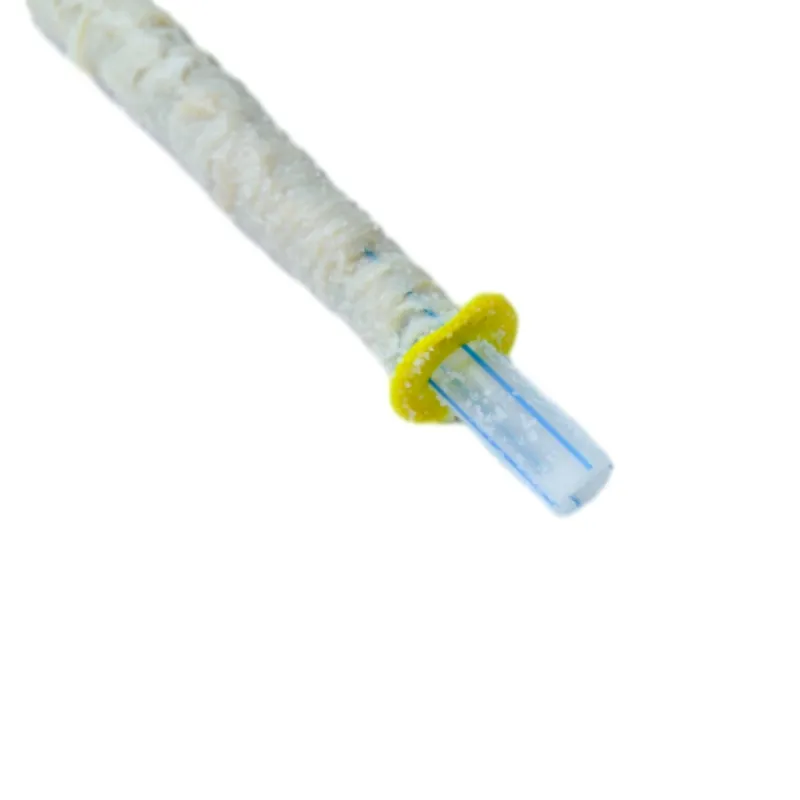
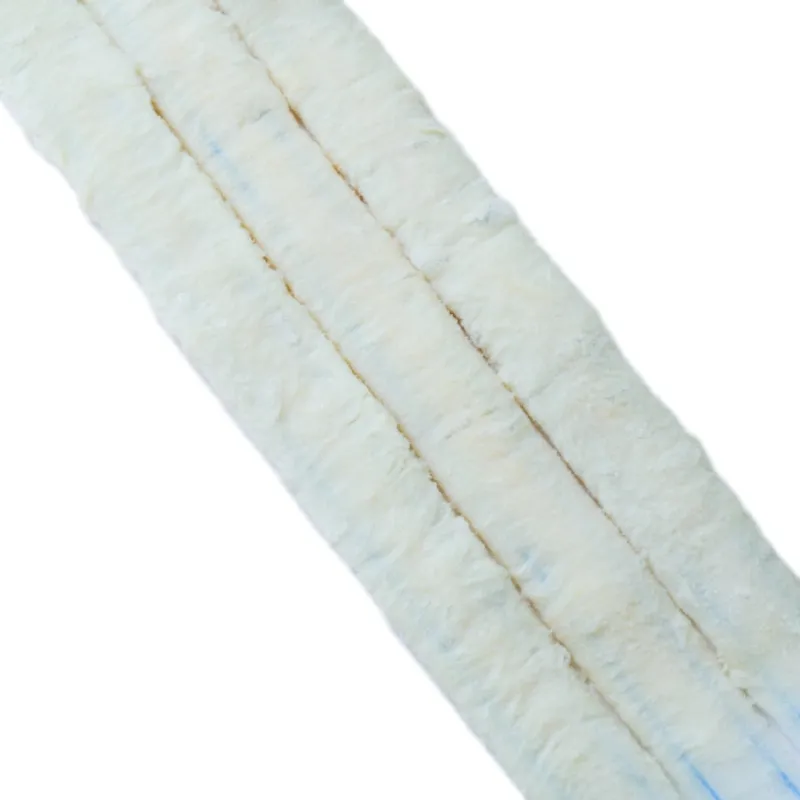
If you’re shopping for natural hog casings for sale, here’s the straight talk. I’ve toured plants, tasted more brat runs than I should admit, and watched small brands scale up without losing snap or aroma. Salted Hog Casings from Hebei, China (WEST PING’AN STREET, SHUNPING COUNTY) keep popping up in conversations—mainly because the grading is consistent and the hanks don’t fight the stuffer.
What’s trending (and why it matters)
Clean-label is now table stakes. Natural casings tick that box, and honestly, the bite is just better—moisture management and smoke permeability do the heavy lifting. Demand has shifted toward tighter caliber tolerances for co-packing runs and reliable rehydration curves to speed lines. The surprise? Many customers say they’re willing to pay a few cents more per hank to avoid mid-shift blowouts.
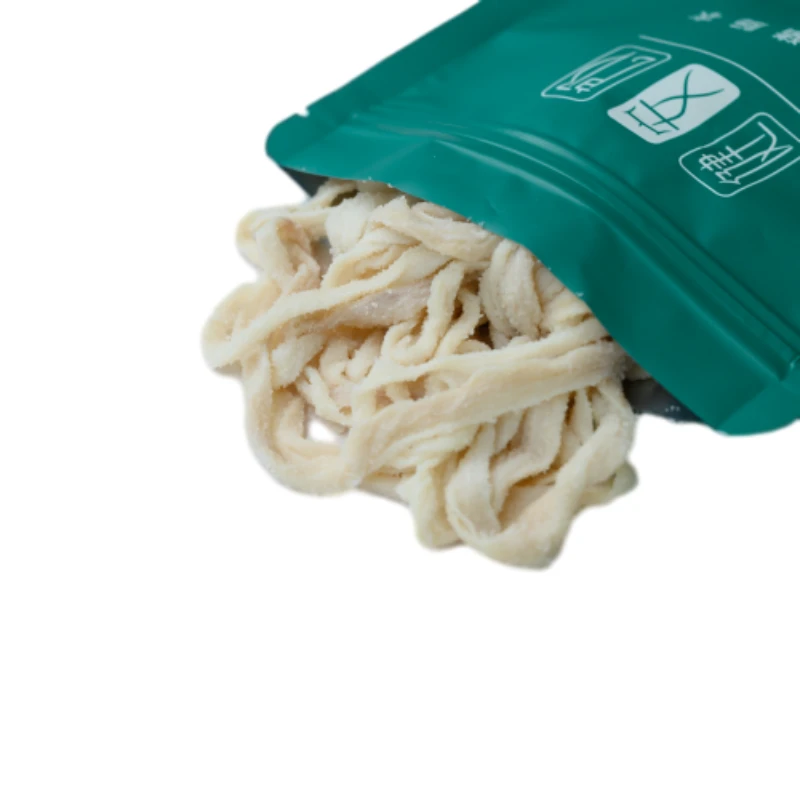
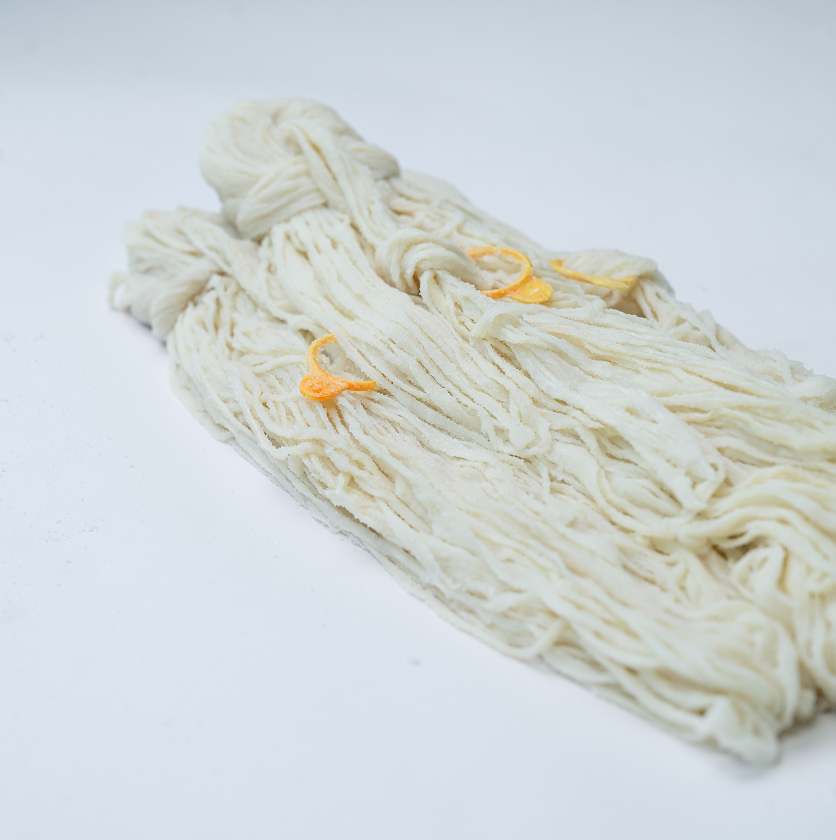
Product snapshot: Salted Hog Casings
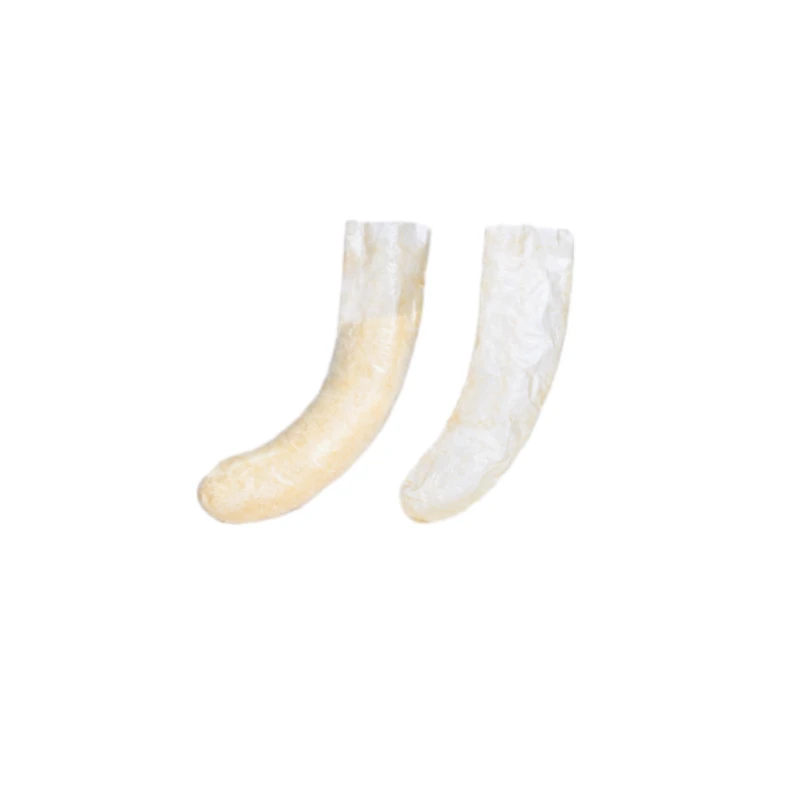
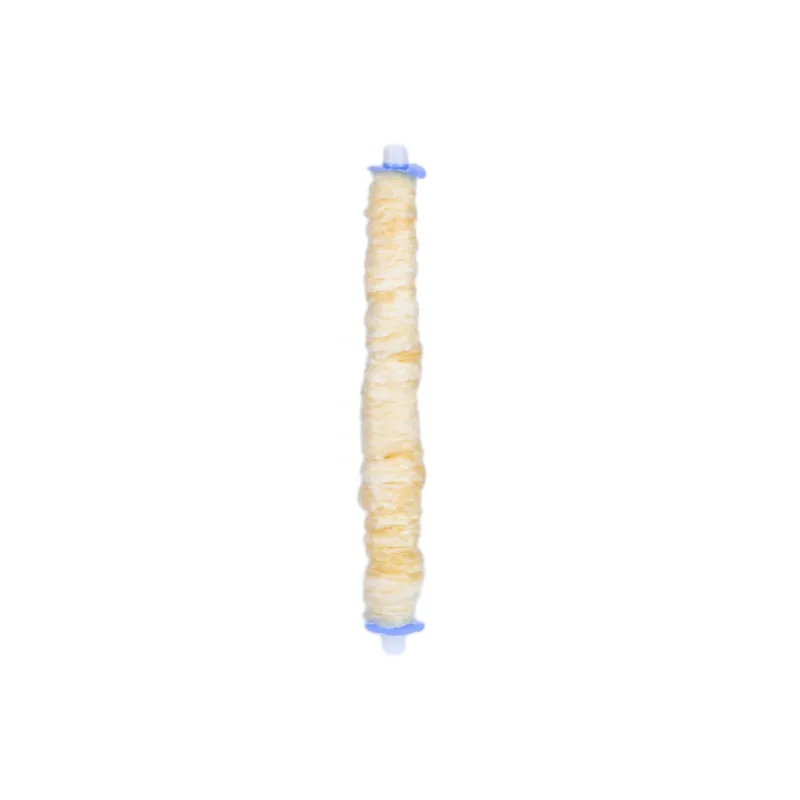
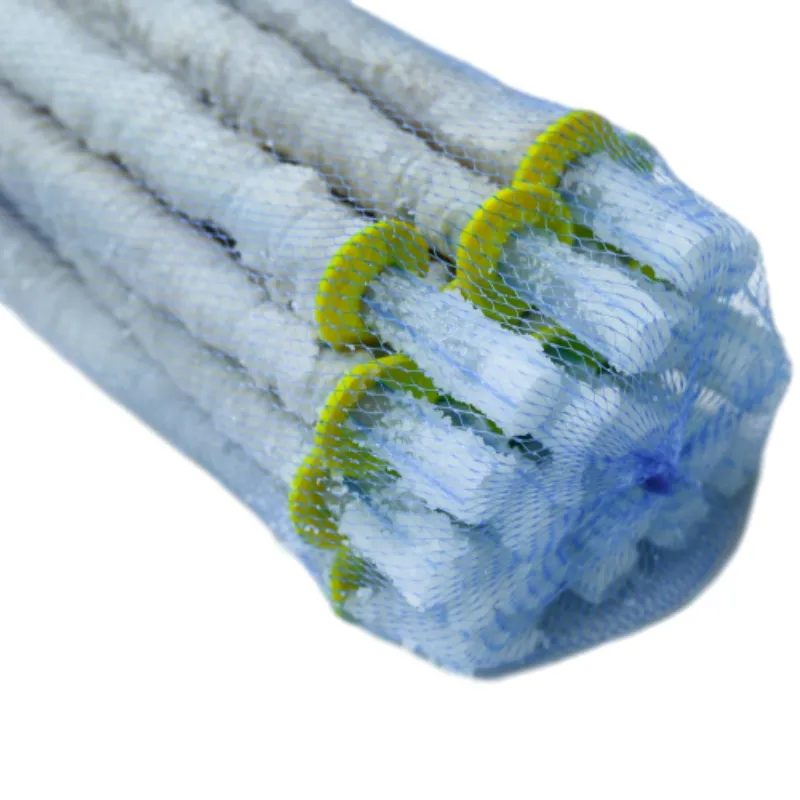
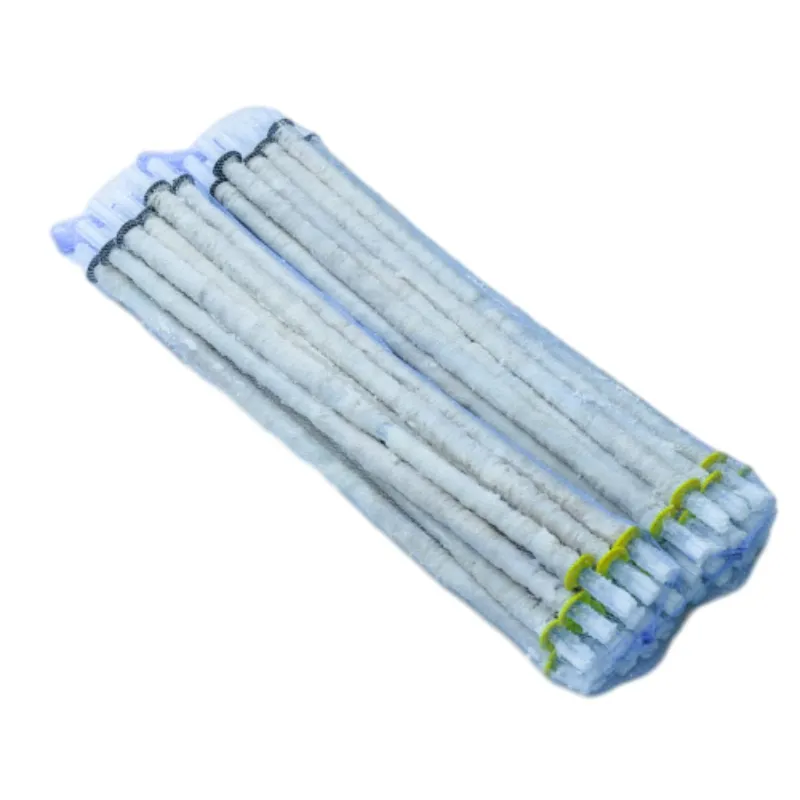
Material: cleaned, graded porcine intestines; preserved in food-grade NaCl. Origin: Hebei, China. Real-world use: fresh and smoked brats, kielbasa, chorizo, longaniza, Italian, and breakfast links on the larger calibers.
| Caliber (mm) | Format | Length/hank | Stuffed yield ≈ | Burst strength ≈ | Salt% | Shelf life |
|---|---|---|---|---|---|---|
| 28/30 | Hard-tube, salted | ≈ 90–100 m | 18–22 kg | ≥ 90 kPa (wet) | 35–40% | Up to 24 mo @ 0–10°C |
| 32/34 | Hard-tube, salted | ≈ 90–100 m | 20–24 kg | ≥ 95 kPa (wet) | 35–40% | Up to 24 mo @ 0–10°C |
| 36/38 | Hard-tube, salted | ≈ 90–100 m | 22–26 kg | ≥ 95 kPa (wet) | 35–40% | Up to 24 mo @ 0–10°C |
Process flow, testing, and standards
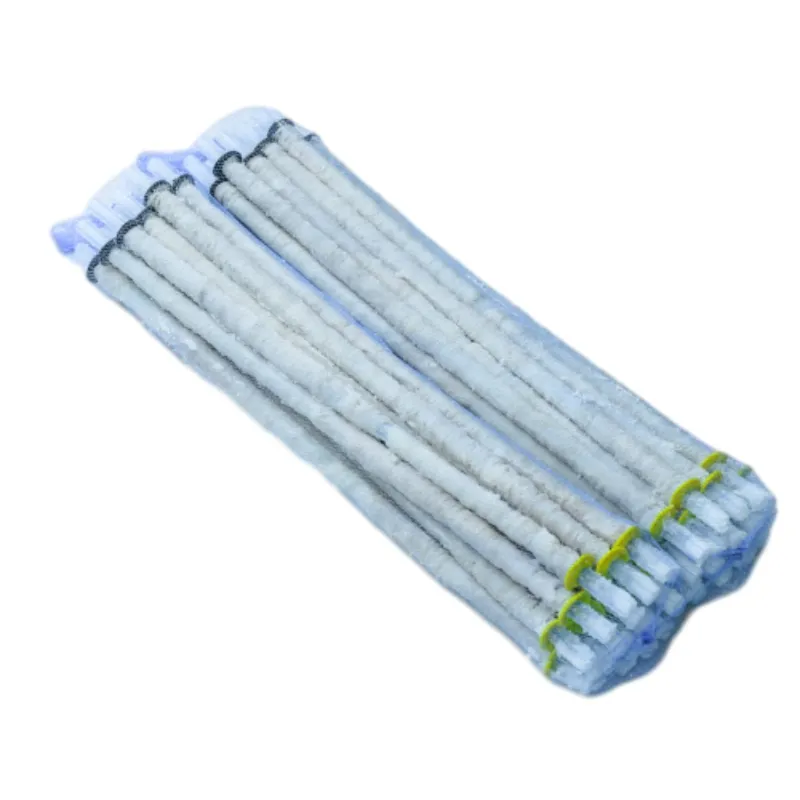
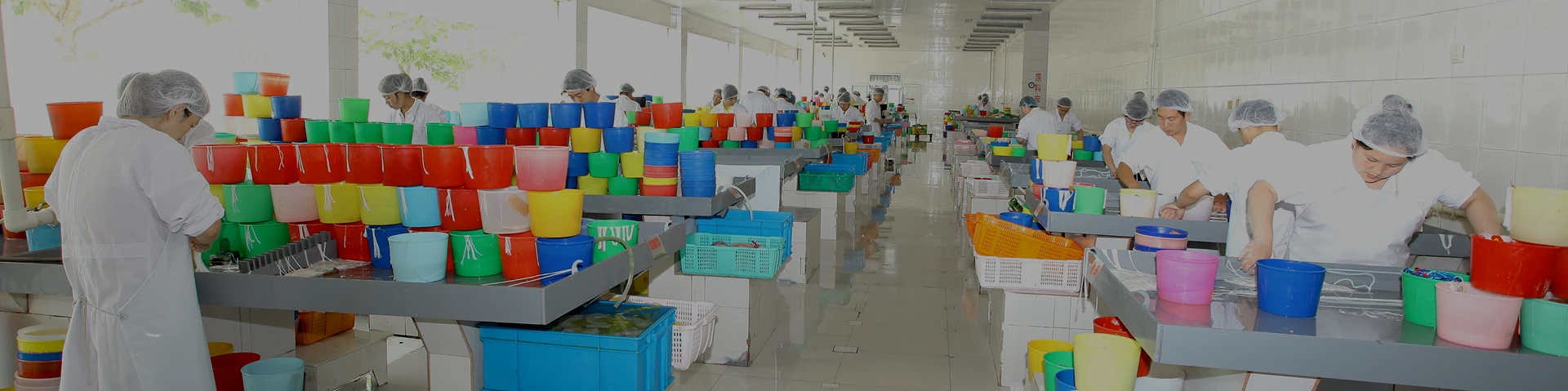
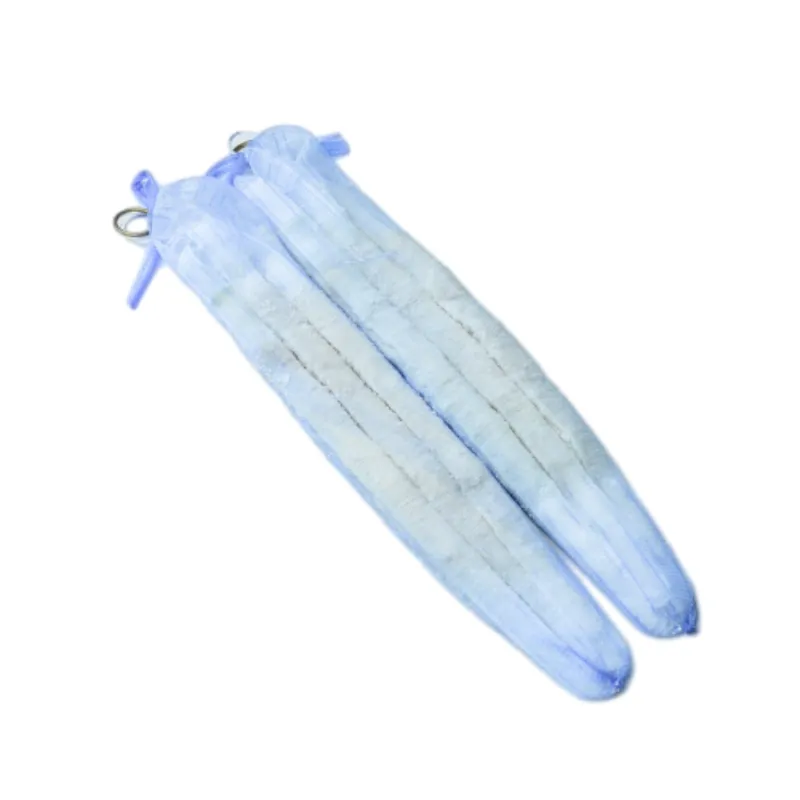
Materials & methods, in a nutshell: hog rounds are sourced from approved slaughterhouses; flushed, stripped, and deslimed; caliber-sorted; then salted (high-purity NaCl). Hard-tube packing helps prevent twist and kinks. Batch IDs maintain traceability from plant to pallet.
- Micro tests: TVC per ISO 4833-1; Salmonella (absent in 25 g) per ISO 6579-1; E. coli per ISO 16649-2.
- Chemical: salt %, water activity (aw) trend, moisture; AOAC methods where applicable.
- Mechanical: wet bursting strength and diameter variance checks (line QC + pre-shipment).
- System: HACCP, ISO 22000 or BRCGS Food Safety—ask for current certificates.
Applications, use, and service life
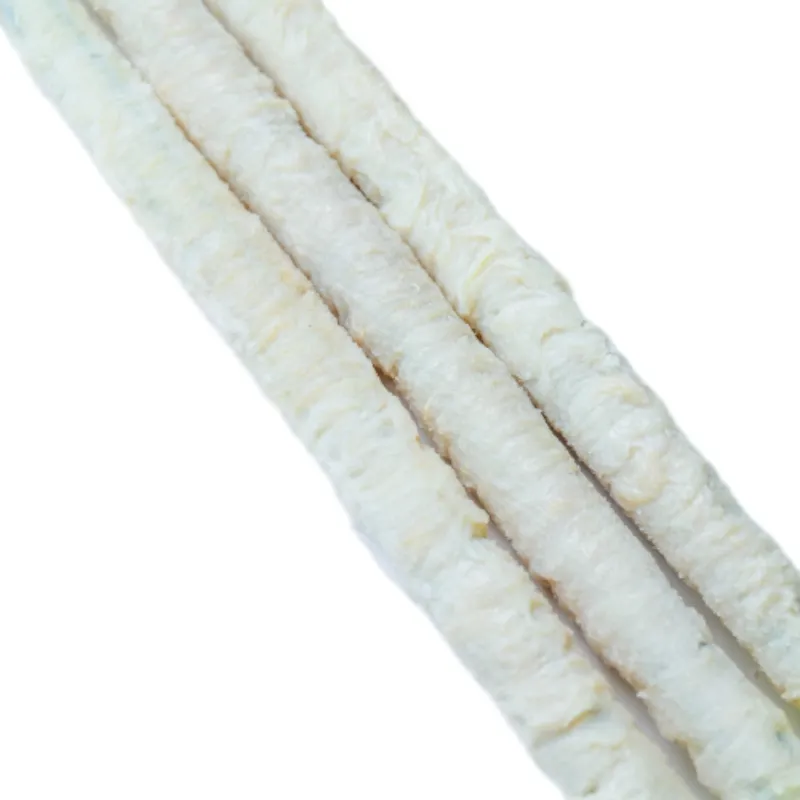
Rehydrate in 30–40°C water for 20–30 minutes (change water once). Rinse inside/out. Stuff, link, cook/smoke as usual. Storage: keep salted, sealed, and cold (0–10°C). Service life up to 24 months unopened; after opening, keep submerged in fresh salt and use promptly—real-world use may vary.
Vendor comparison (quick scan)
| Vendor | Calibers | Certifications | MOQ | Lead time | Traceability | Price/hank ≈ |
|---|---|---|---|---|---|---|
| RT Casing (Hebei) | 28/30–40/42 | HACCP, ISO 22000/BRCGS | 100 hanks | 10–20 days | Batch ID to plant | $7–$11 |
| EuroCasing Ltd. | 26/28–38/40 | BRCGS, ISO 9001 | 50 hanks | 7–14 days | Farm-to-batch (EU) | €9–€13 |
| Midwest Naturals | 30/32–38/40 | HACCP, USDA audited | Case (≈ 25 hanks) | Stock/2–5 days | Lot-to-processor | $10–$15 |
Customization
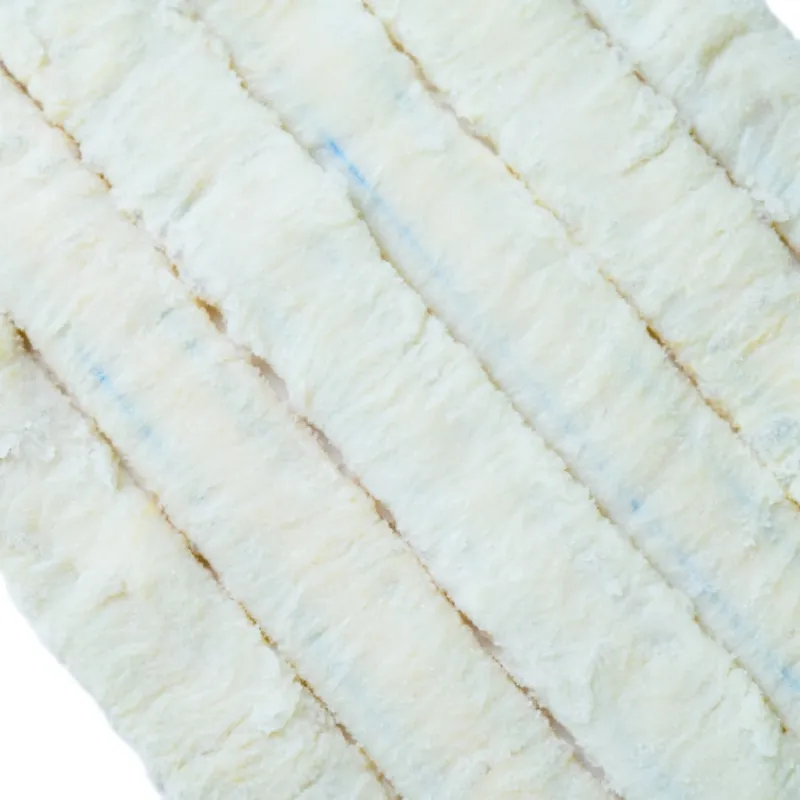
- Caliber selection by project (e.g., 30/32 for brats, 36/38 for kielbasa).
- Hank length, pre-tubed options, private-label cartons.
- Halal/Kosher availability upon request (documentation audit recommended).
Mini case files
Regional brat co-packer switched to 32/34 pre-tubed. QA saw a 22% drop in blowouts and a 6–8% faster linking rate. “Cleaner smoke uptake,” they said, “and less rework.”
Farm shop using 36/38 reported better moisture retention on hot-hold days and more uniform loops in the smoker. Small detail, big merch impact.
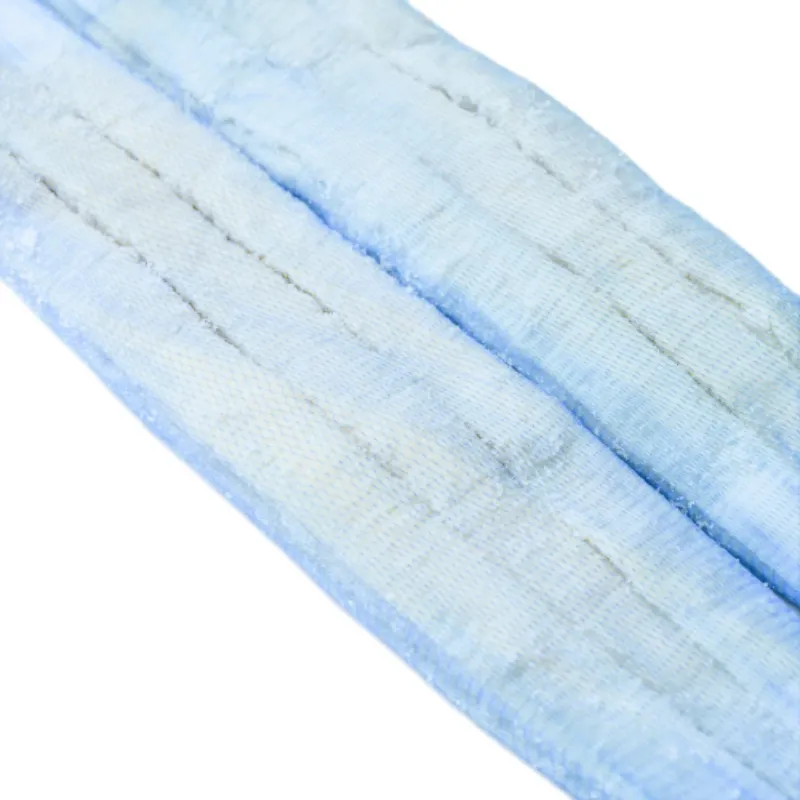
Bottom line: If you’re weighing options for natural hog casings for sale, look for caliber accuracy, micro certificates, and solid lot traceability. It sounds boring—until your line doesn’t stop.
Authoritative references
- ISO 22000:2018 Food safety management systems
- ISO 4833-1:2013 Microbiology of the food chain — Colony-count at 30°C
- ISO 6579-1:2017 Detection of Salmonella spp.
- ISO 16649-2:2001 Enumeration of E. coli — β-glucuronidase-positive
- BRCGS Global Standard for Food Safety
- Codex Codes of Hygienic Practice for Meat