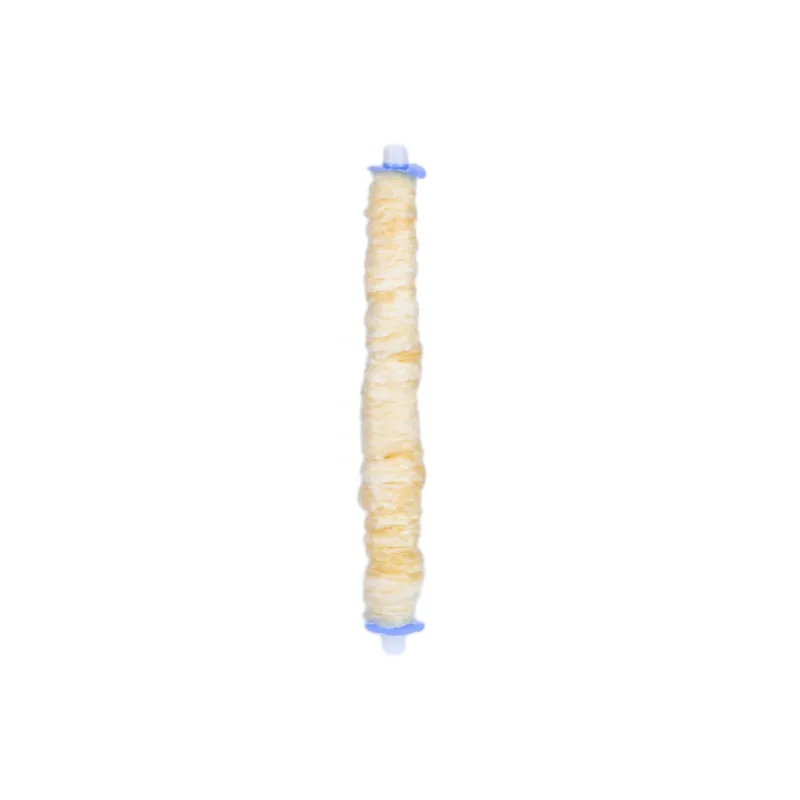
Oct . 16, 2025 15:30
Salted Hog Casings: What the Trade Is Buying Right Now
If you’re hunting for natural hog casings for sale, here’s the short version: demand is strong, clean-label keeps winning, and supply chains from Hebei to the Midwest have gotten noticeably faster. I’ve spent enough time around sausage makers to know—good casings are the quiet hero of a great link.
Industry pulse
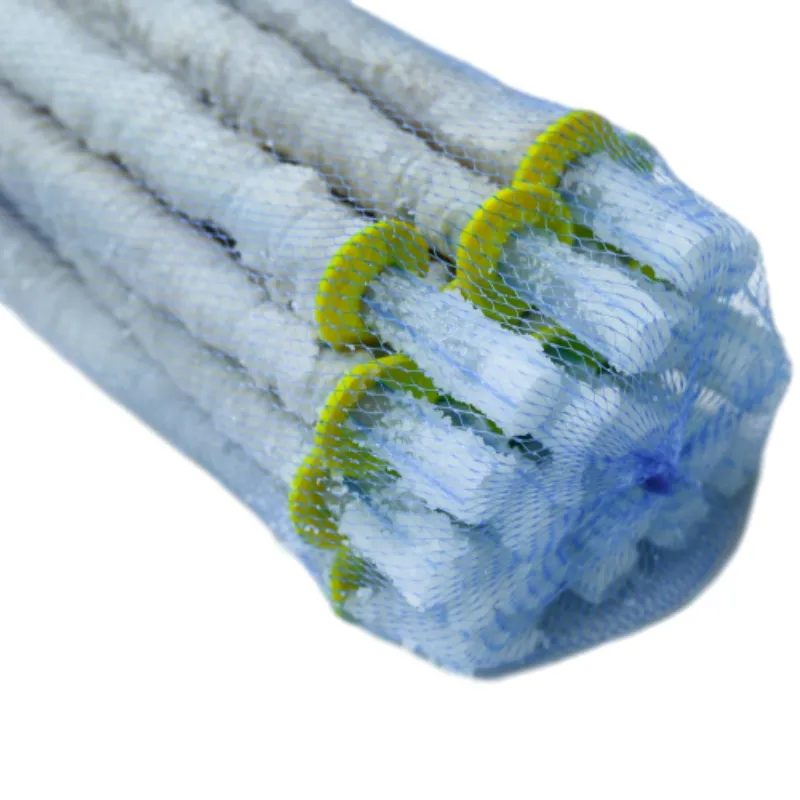
Trends? A few stand out: artisanal sausages are booming, smokehouses want better permeability and snap, and mid-sized plants are switching back to naturals after collagen experiments. Also, e-commerce butchers are asking for pre-tubed strands to speed up weekend rushes. Surprisingly, many customers say they’ll pay a touch more for consistent calibers—less trim, fewer blowouts.
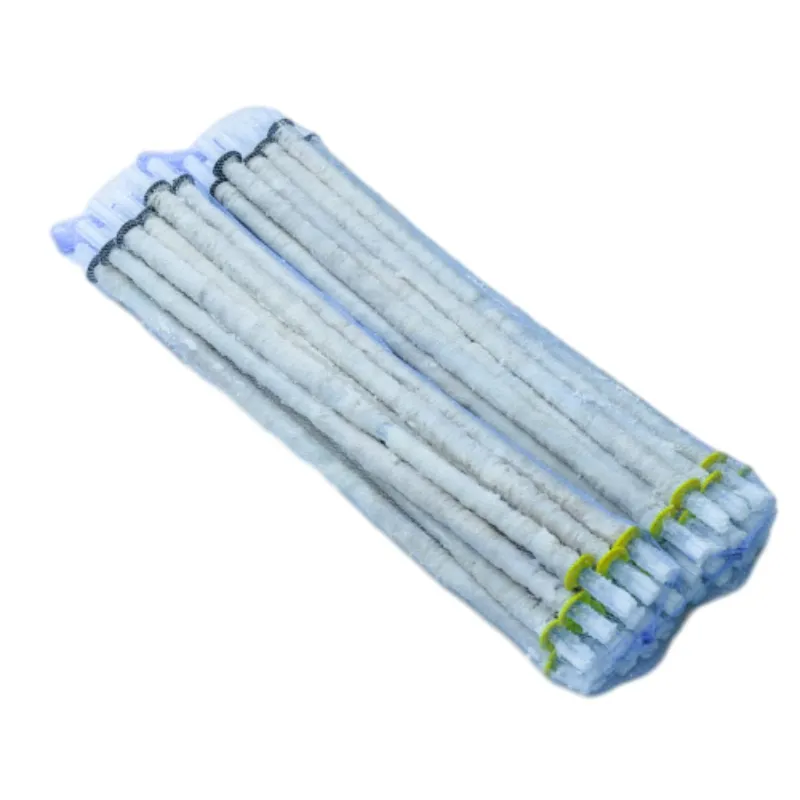
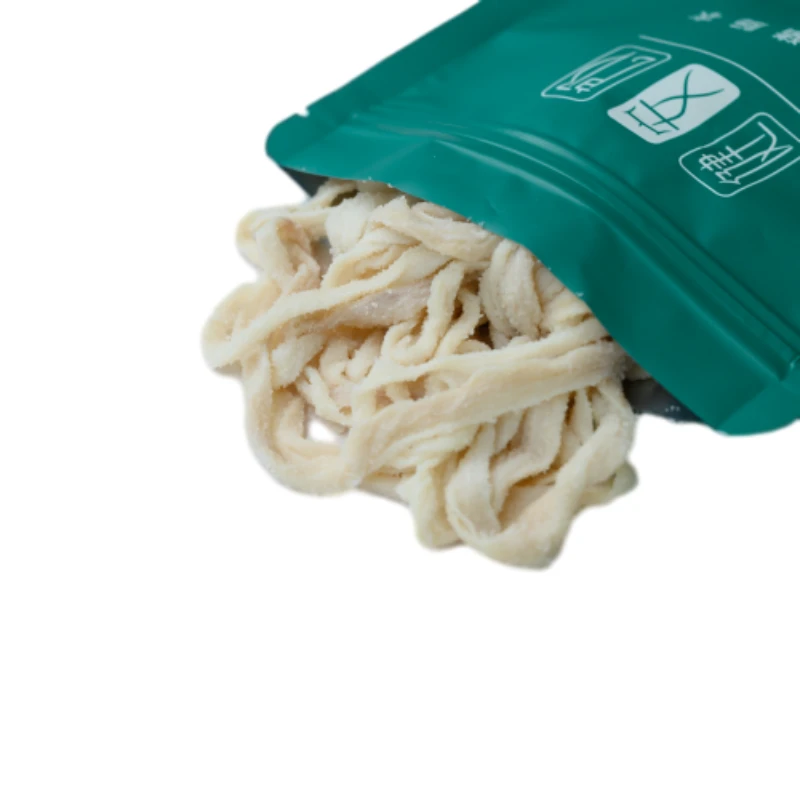
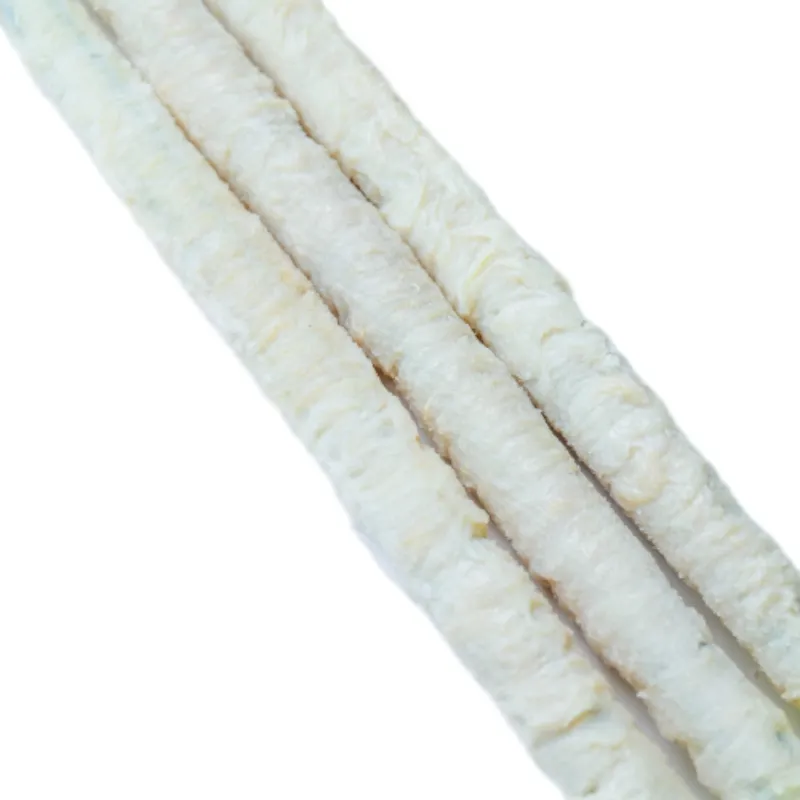
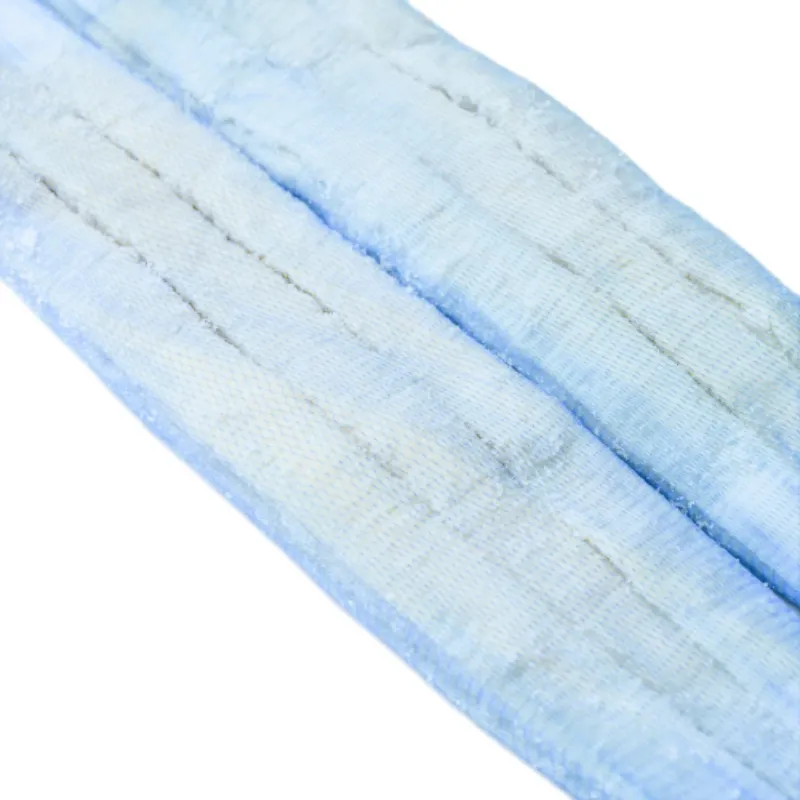
Product snapshot: Salted Hog Casings
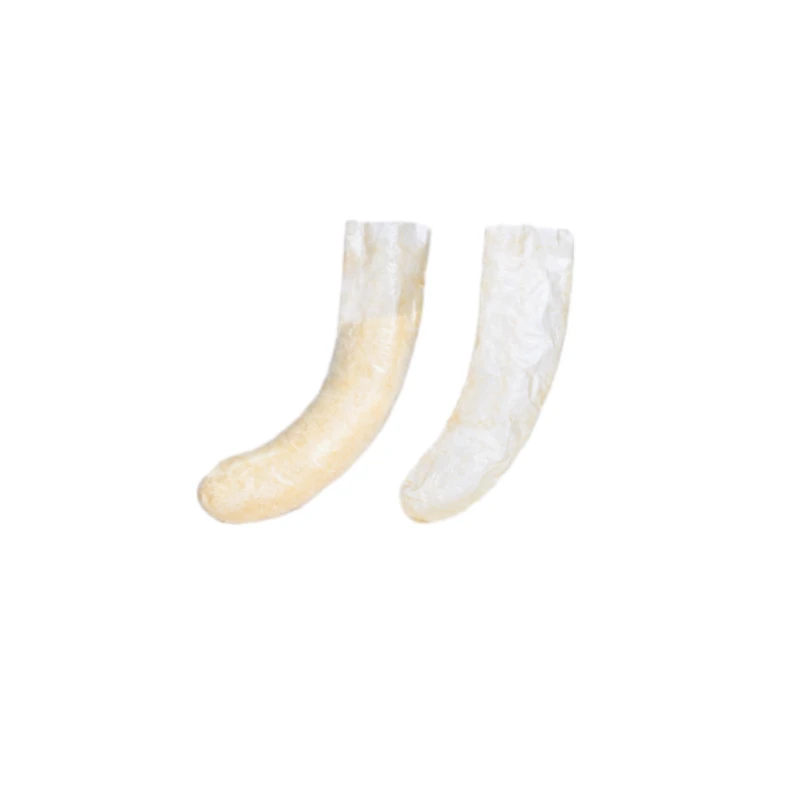
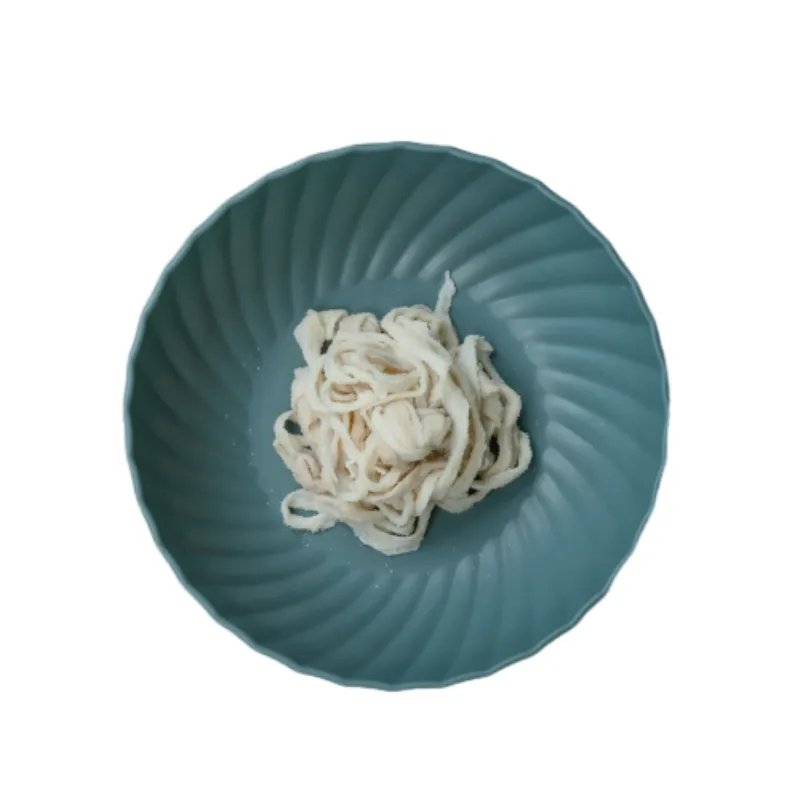
Origin: WEST PING’AN STREET, SHUNPING COUNTY, HEBEI, CHINA. Description: hog casings—yes, real intestines—are prized for authentic bite, smoke adhesion, and moisture management in sausages.
| Spec | Details (≈ real-world use may vary) |
|---|---|
| Calibers | 28/30, 30/32, 32/35, 35/38 mm |
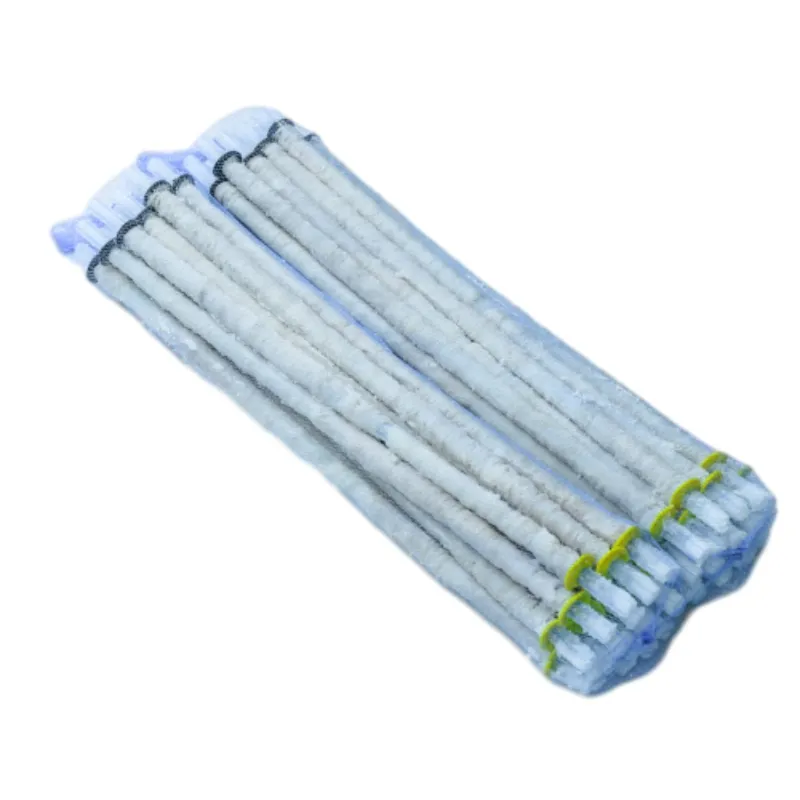
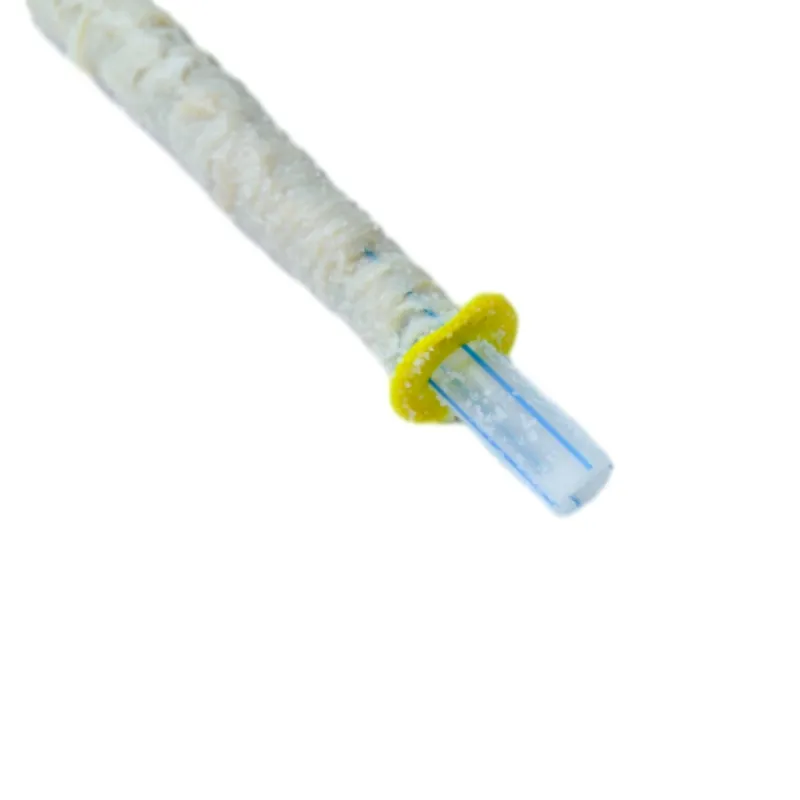
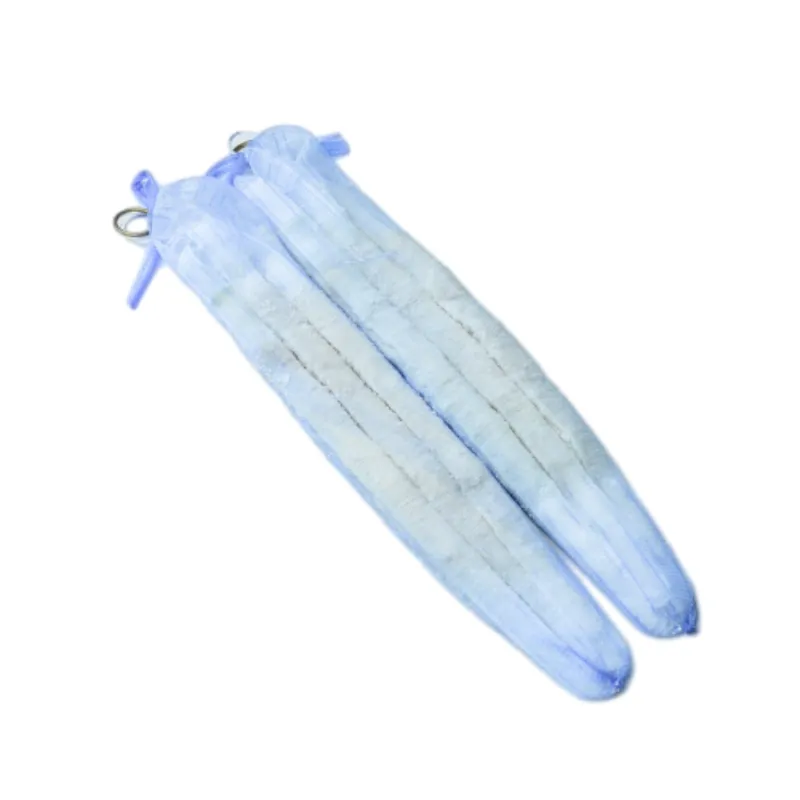
| Format | Salted hanks, pre-tubed on hard tubes, or flush-salted |
| Length per hank | ≈ 91 m (100 yards) |
| Stuffed yield | Around 45–55 kg per hank (recipe-dependent) |
| Microbial spec | TPC |
| Mechanical | Good burst resistance; tensile ≈ 12–20 N; expansion ≈ 8–12% |
| Shelf life | 12–18 months salted at 0–10°C |
| Certs (typical) | ISO 22000, HACCP; export docs on request |
Process flow and QA
Materials: selected hog small intestines. Methods: trimming and rinsing, desalting, reverse flushing, caliber grading, final salting (NaCl), and cold packing. Testing: salt content (AOAC), water activity, TPC, pathogens (ISO 6579 for Salmonella; ISO 11290 for Listeria), and visual lumen integrity checks. Service life: store cool, in salt; rehydrate 20–30 minutes before stuffing.
- Example lot data: aw ≈ 0.80; TPC 3.2×10³ CFU/g; no Salmonella/Listeria detected.
- Permeability: supports even smoke uptake and browning.
Applications
Use for bratwurst, chorizo, kielbasa, and breakfast links; also fresh, smoked, or semi-dry styles. Many small plants report fewer blowouts when switching to pre-tubed strands—honestly, it’s a time saver on busy mornings.
Vendor comparison (quick buyer’s view)
| Vendor | Origin | Calibers | Pre-tubed | Lead time | Notes |
|---|---|---|---|---|---|
| RT Casing (Hebei) | China | 28/30–35/38 | Yes | 2–4 weeks | Solid QC transparency; competitive MOQs |
| EU Trader A | Netherlands | 28/30–38/40 | Limited | Stock-based | Good for mixed pallets |
| US Importer B | USA | 30/32–35/38 | Yes | 1–2 weeks | Fast replenishment; higher price point |
Customization and real-world wins
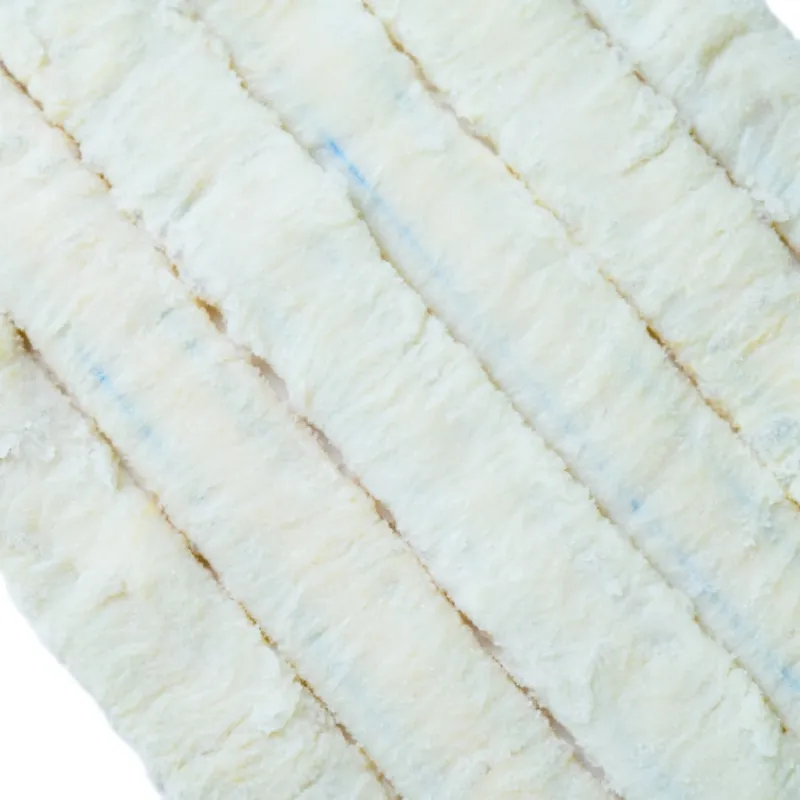
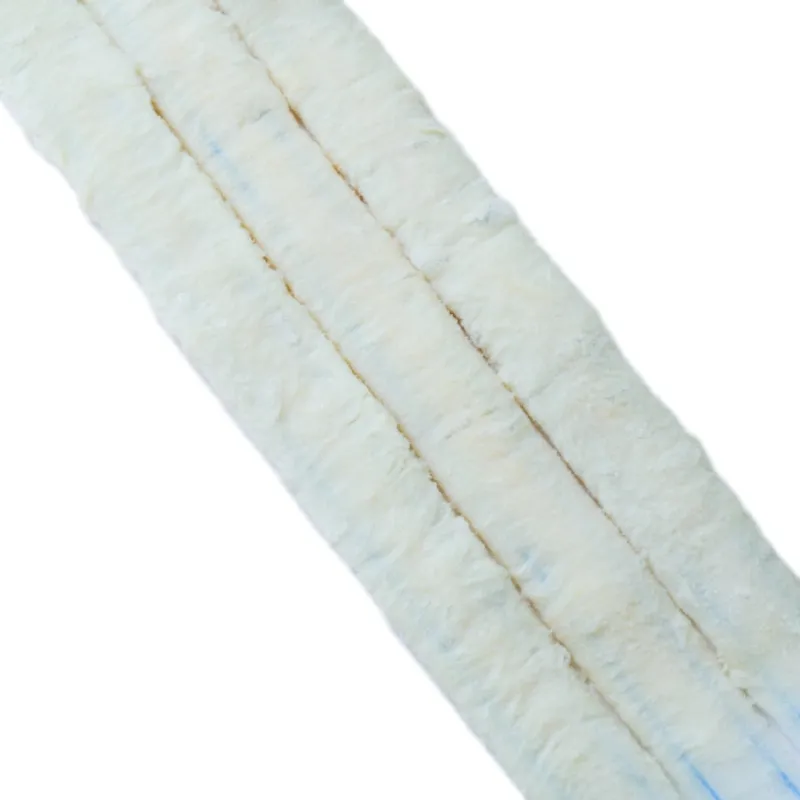
- Options: dyed caliber markers, pre-tubed sets (5–7 m/strand), private-label cartons, tight tolerance grades, halal docs where required.
- Case study 1: Midwestern brat shop cut linking time ≈ 18% after switching to pre-tubed 32/35.
- Case study 2: Smokehouse reduced split rate from ~3% to ~1.1% by moving to tighter 30/32 grading and longer soak (25 min, 30°C).
If you’re scanning for natural hog casings for sale, prioritize batch COAs, calibration logs, and pathogen verification. It seems obvious, but ask for recent lot photos—clarity saves headaches.
Buyer checklist
- COA with TPC and pathogen screens
- Exact caliber and hank count tolerance
- Pre-tubed vs. loose decision (labor vs. cost)
- Storage SOPs and shelf-life guarantees
- Compliance: ISO 22000/HACCP; Codex/EU 853/2004 alignment
References
- Codex Alimentarius: Code of Hygienic Practice for Meat (CAC/RCP 58-2005). https://www.fao.org/fao-who-codex
- ISO 22000:2018 Food safety management systems. https://www.iso.org/standard/65464.html
- EU Regulation (EC) No 853/2004 on hygiene rules for food of animal origin. https://eur-lex.europa.eu