Dec . 02, 2025 18:24
Understanding Natural Hog Casings Exporters: Why They Matter Globally
So, what exactly are natural hog casings exporters, and why should anyone outside the food industry care? Natural hog casings — the thin membranes from pig intestines — have been the gold standard for sausage making for centuries. Exporters specializing in these casings serve global sausage manufacturers, artisanal food producers, and even culinary institutions seeking that authentic snap and taste you just can’t replicate with synthetic alternatives. The importance of understanding this niche global trade lies in its economic, cultural, and sustainability impacts worldwide. Countries with robust pork farming sectors supply these casings through export routes that ripple through food culture and international markets, offering benefits like premium product quality, employment for rural communities, and an eco-friendlier alternative to synthetic casings.
Whether you’re a food business owner, a curious consumer, or someone interested in international trade chains, natural hog casings exporters are quietly essential. They bridge tradition, commerce, and sustainability in ways often unnoticed but deeply felt in every bite of your favorite sausage.
Global Context: The Reach and Importance of Natural Hog Casings Exportation
Here’s something I found rather fascinating: according to the Food and Agriculture Organization (FAO), global pork production has grown steadily, clocking in at over 120 million metric tons annually. With these numbers topping charts, it’s not surprising that natural hog casings form a subtle yet crucial component of this booming sector.
Still, the industry faces challenges — a growing demand for high-quality, natural casings coupled with stringent import/export regulations, hygiene standards, and fluctuating pork supplies means exporters must stay ahead. Add to that the increasing global focus on sustainable food systems and animal welfare, and you get a pretty complex landscape.
Exporters specializing in natural hog casings navigate this maze daily, ensuring their products meet international standards set by bodies like the ISO. Frankly, meeting these specs is no walk in the park, but it’s what keeps sausage lovers worldwide happy.
What Exactly Are Natural Hog Casings Exporters?
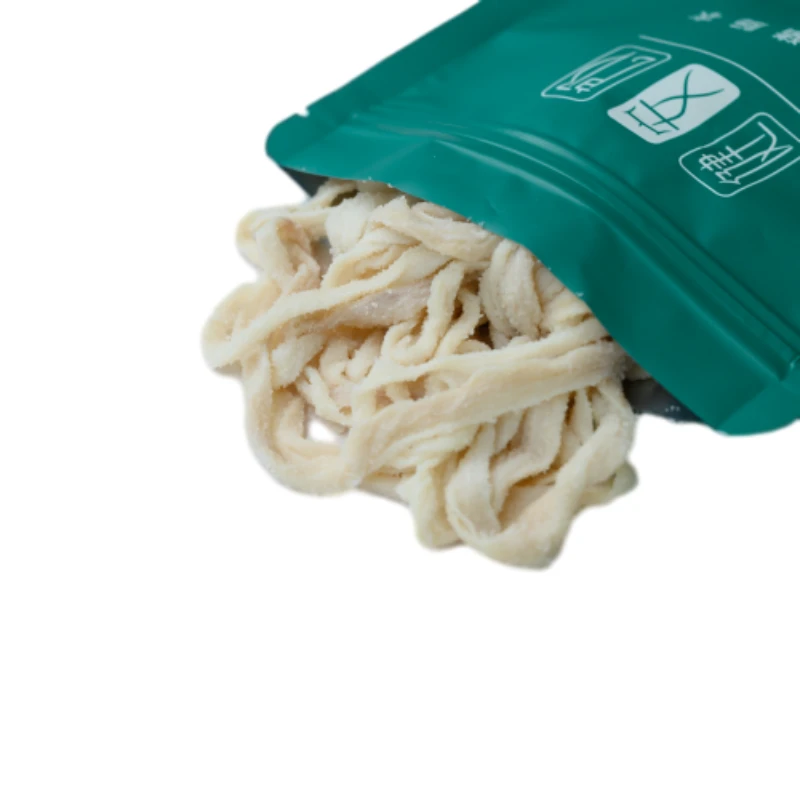
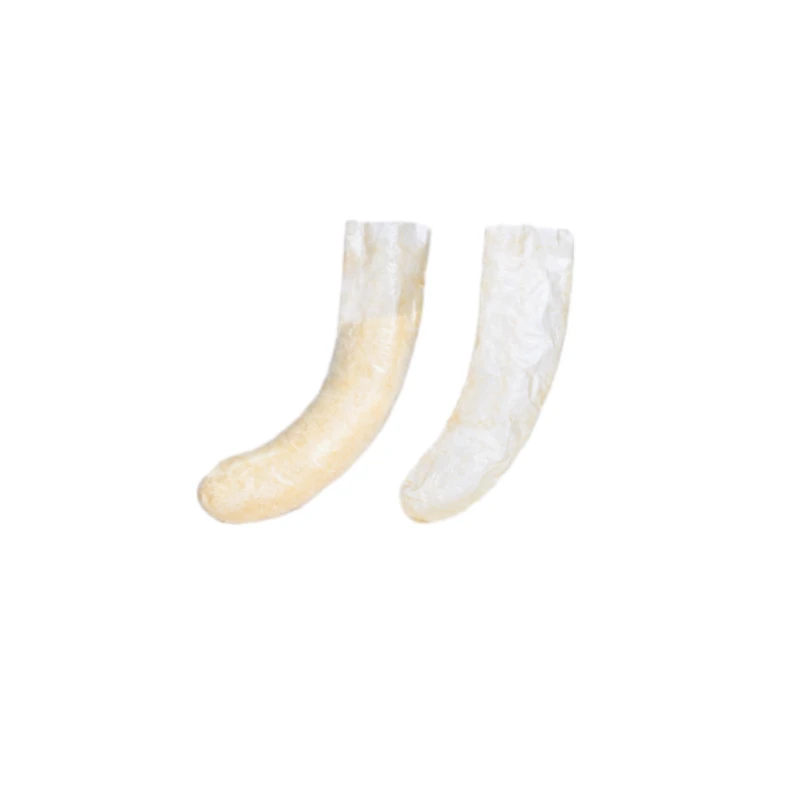
In simple terms, natural hog casings exporters are companies or entities that process, prepare, and ship natural hog casings from pork-producing countries to destinations worldwide. These casings come from cleaned, treated pig intestines and play a primal role in sausage-making — providing that natural wrapping around the meat mixture that defines texture and “snap.” You could say they are the unsung heroes behind traditional charcuterie.
Their role extends beyond culinary arts. Some humanitarian organizations rely on natural casings for pet food production or specialty products in remote areas, which means exporters have an indirect contribution to food security and economic resilience.
In the industry, natural hog casings exporters must balance hygienic processing, timely logistics, and adherence to ever-evolving food safety regulations. Their success means better products on your plate and stronger global food supply chains.
Key Aspects of Natural Hog Casings Exporters
1. Product Quality and Hygiene
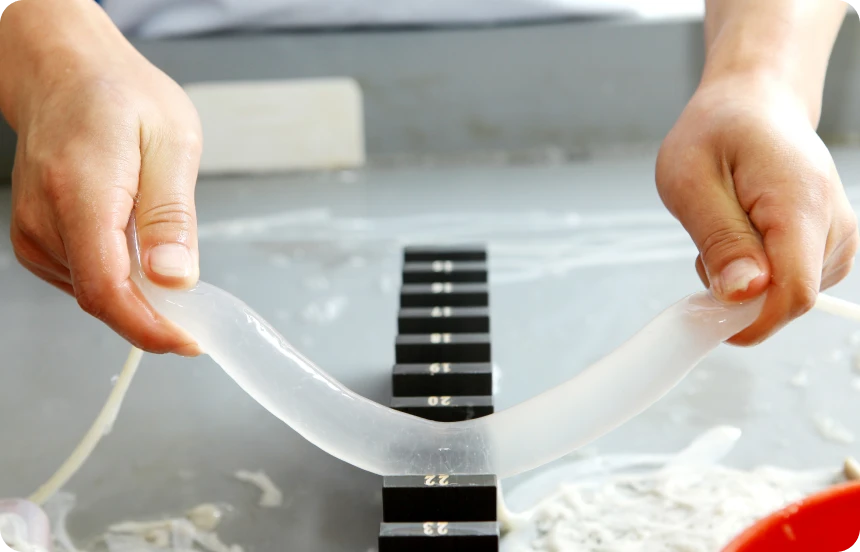
Top-grade natural hog casings undergo intense cleaning, salting, and grading to meet precise sizing and strength standards. Quality control is paramount since poor casing can ruin the entire sausage batch (no one wants a burst casing mid-grill!). Exporters continuously improve their sanitation protocols to comply with global export regulations.
2. Supply Chain and Scalability
Exporters operate a delicate balancing act — securing hog casings from abattoirs, processing them rapidly to maintain freshness, and shipping globally with minimal delay. The ability to scale operations up or down, depending on demand fluctuations (like holiday seasons or regional festivals), is a core competency.
3. Sustainability and Traceability
Since natural hog casings are animal-derived products, modern exporters focus heavily on ethical sourcing, traceability, and minimizing environmental impact. This commitment helps cater to customers demanding transparent supply chains in today's conscientious market.
4. Regulatory Compliance
Exporters must navigate diverse international regulations on animal by-products, food safety, and transport. This involves certifications, inspections, and detailed documentation — a surprising amount of paperwork for a seemingly simple product!
5. Customer Relationships and Customization
Different clients require specific casing sizes, treatments, or packaging. A dedicated exporter offers personalized services and swiftly adapts to these needs, building trust in long-term partnerships.
Mini takeaway: Quality, supply chain savvy, sustainability, regulatory know-how, and customer focus define the best natural hog casings exporters’ success.
Global Applications & Use Cases of Natural Hog Casings Exporters
From European delicatessens to Asian street markets, natural hog casings are the base of countless traditional sausages — chorizo, bratwurst, merguez, and more. Exporters supply manufacturers in regions where pork consumption is significant but local casing production is limited.
Interestingly, in post-disaster relief efforts or remote industrial zones, natural hog casings help in producing emergency rations or durable, nutritious foods that require preservation. For instance, humanitarian agencies sometimes collaborate with exporters to ensure continuity of traditional food supplies in disrupted markets.
Moreover, growing artisan food movements in North America, Australia, and even parts of Africa rely on imports from natural hog casings exporters to preserve culinary heritage while meeting modern demand.
Advantages & Long-Term Value of Choosing Natural Hog Casings Exporters
- Authentic taste and texture: Nothing matches the natural casing "snap" that synthetic alternatives struggle to imitate.
- Biodegradable and sustainable: They naturally decompose, reducing packaging waste impact.
- Economic uplift: They support rural economies by adding value to pork industry by-products.
- Trust and tradition: These casings hold cultural significance — using them connects consumers with generations of culinary heritage.
Beyond the technical and economic benefits, choosing natural hog casing exporters means investing in a product that values quality and sustainability, enriching both palate and planet.
Technical Snapshot: Typical Natural Hog Casing Product Specifications
| Specification | Details |
|---|---|
| Type | Natural Hog Intestine Casings |
| Diameter Range | 16-26 mm (typical for sausages) |
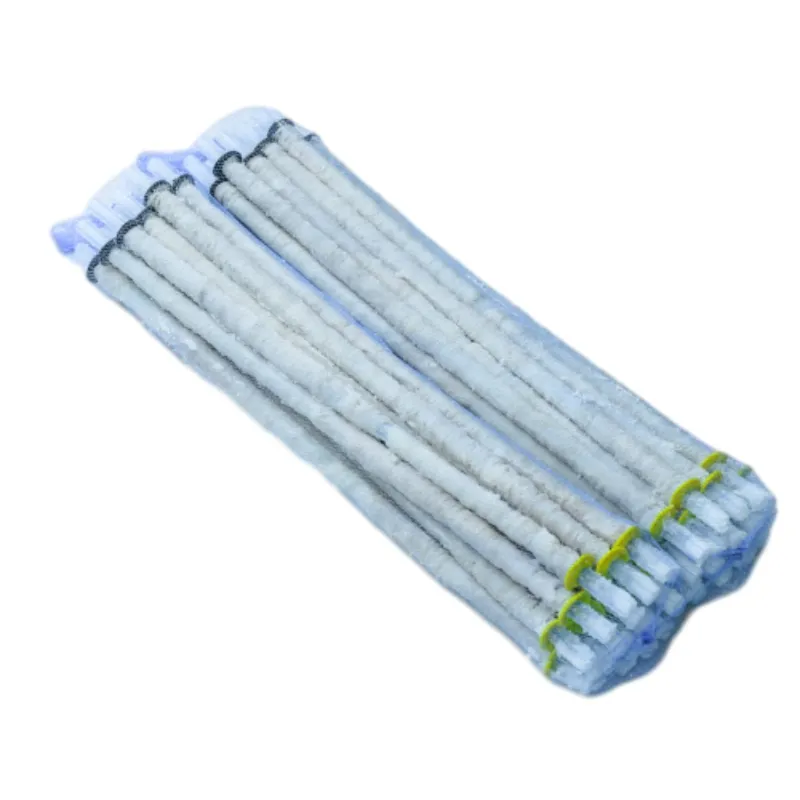
| Length per Bundle | Approximately 90-100 meters |
| Preservation | Salted and vacuum packed |
| Shelf Life | Up to 18 months if stored properly |
| Compliance | ISO 22000, HACCP certified |
Comparing Leading Natural Hog Casings Exporters
| Exporter | Country | Annual Capacity (Tons) | Certifications | Special Features |
|---|---|---|---|---|
| Casing World Ltd. | Poland | 500 | ISO 22000, HALAL | Custom packaging, rapid delivery |
| Prime Casings Exporters | China | 1200 | HACCP, ISO 9001 | Competitive pricing, large volume |
| Euro Casings Inc. | Germany | 400 | BIO, ISO 22000 | Organic certified casings |
Future Trends & Innovations in Natural Hog Casings Exporting
You might think the natural hog casings trade is old-fashioned and stuck in the past, but oddly enough, it’s evolving. Increasingly, exporters invest in digital traceability systems — blockchain-based tracking is gaining traction to guarantee provenance and reduce fraud. There’s also a trend toward greener energy in processing plants, helping reduce the carbon footprint connected to casing production.
Automation in cleaning and grading casings is improving efficiency and consistency as well, meeting higher hygiene standards while cutting manual labor. Sustainability isn’t just a buzzword here — some firms are exploring waste valorization from casing production leftovers, fitting into circular economy models.
In real terms, these innovations aim to keep natural hog casings relevant and competitive amidst synthetic alternatives, preserving an artisanal touch while embracing modern expectations.
Challenges Exporters Face & Solutions on the Horizon
- Supply volatility: Seasonal pork production fluctuations can delay casing availability. Solution? Building strategic partnerships with multiple farms to diversify supply.
- Regulatory complexity: Export rules differ widely across countries. Many exporters invest in compliance teams and certifications for smoother customs clearance.
- Competition with synthetics: Synthetic casings are cheaper, but quality-conscious markets stick with natural. Exporters focus on educating clients about taste and eco advantages.
- Preservation difficulties: Casings are perishable, requiring careful packaging and cold chain management — tech investments in vacuum packaging help stretch shelf life.
FAQs About Natural Hog Casings Exporters
1. How do natural hog casings exporters ensure product safety during shipping?
They follow strict sanitation protocols, salting and vacuum-sealing casings immediately after processing and maintaining cold chain logistics to avoid spoilage. Certifications like HACCP and ISO 22000 provide additional assurances.
2. Can exporters customize casing sizes for specific sausage types?
Yes, many exporters offer detailed grading and sizing options, tailoring casings to customer needs. This customization is key to meeting diverse culinary traditions worldwide.
3. Are natural hog casings eco-friendly compared to synthetic ones?
Absolutely. Since they are animal-derived and biodegradable, natural hog casings decompose naturally, reducing environmental impact unlike plastic-based synthetics.
4. How does global demand affect natural hog casings exporters?
Demand surges during holidays or festivals require exporters to scale operations quickly, often necessitating flexible supply chains and inventory management.
5. Where can I find reliable natural hog casings exporters?
Leading suppliers are often based in major pork-producing countries such as China, Poland, and Germany. For sourcing, visit natural hog casings exporters who specialize in verified, high-quality products.
Conclusion: Why Investing in Natural Hog Casings Exporters Is a Smart Move
Ultimately, natural hog casings exporters serve as vital cogs in a global industry that values tradition, quality, and sustainability. Choosing to engage with these exporters is a nod to authenticity and environmental mindfulness. If you’re involved in food production or distribution, keeping an eye on this market means catching benefits in product excellence and supply chain trustworthiness.
Curious to explore dependable suppliers or learn more about the trade? Visit our website: natural hog casings exporters and discover how this age-old product continues to build bridges in modern commerce.