Dec . 02, 2025 19:46
The World of Natural Casing Manufacturers: What You Need to Know
When you think about the global food supply chain, natural casings might not be the first thing that springs to mind. But natural casing manufacturers are a quietly vital link in everything from artisanal sausage production to large-scale meat processing. Understanding their role unlocks insights into sustainability, quality control, and cultural food heritage—and that feels more important now than ever in our increasingly globalized world.
Introduction: Why Natural Casing Manufacturers Matter Globally
The global meat industry is a thousand-billion-dollar business, and within that ecosystem, natural casings—essentially cleaned intestines used as edible sausage 'skins'—account for a robust niche. According to the ISO, and supported by UN agricultural reports, demand for natural casings remains steady, despite synthetic alternatives gaining ground.
Why? Because natural casing manufacturers preserve time-tested quality and provide a product that is biodegradable, breathable, and often preferred for taste and texture. The challenge, though, is sourcing, processing, and distribution amidst stricter health regulations and international trade logistics. This industry fills a very particular demand: connecting local agricultural economies to international markets while balancing tradition and modern standards.
Mini takeaway: Natural casing manufacturers operate at the crossroads of tradition, industry, and global trade, making them essential to many food markets worldwide.
Defining Natural Casing Manufacturers
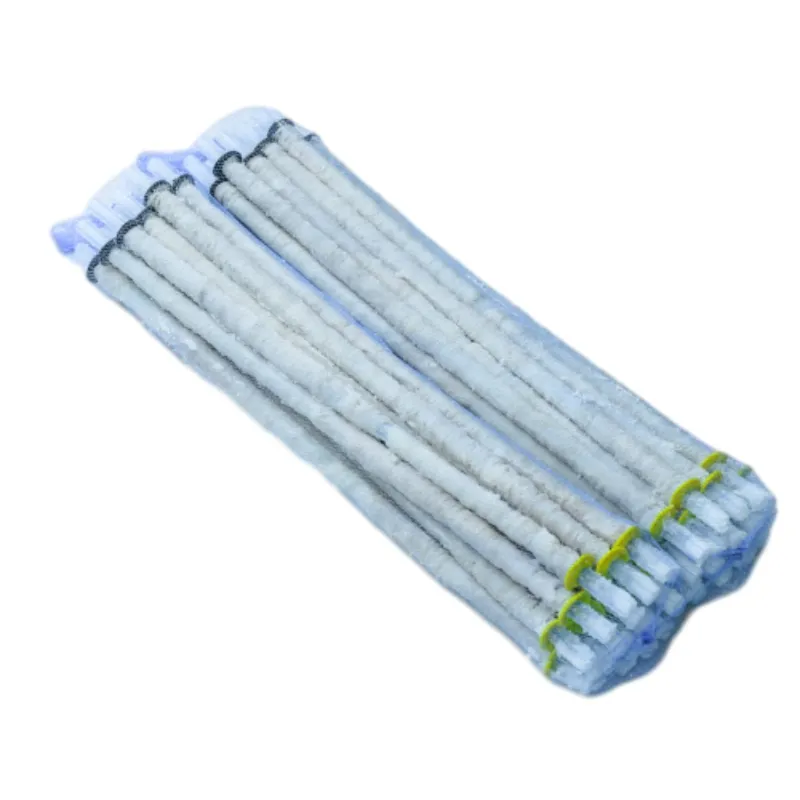
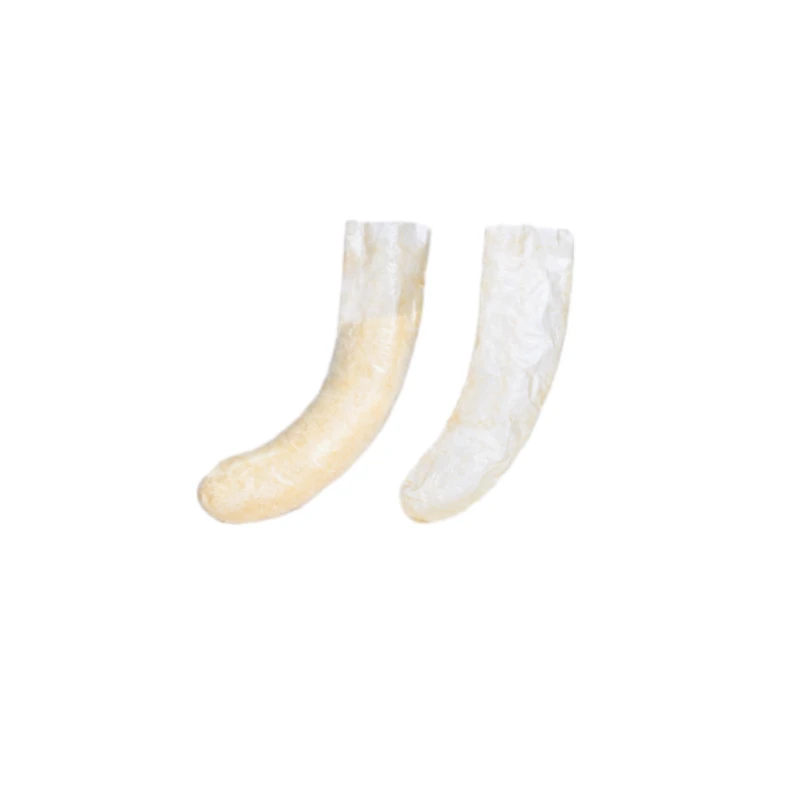
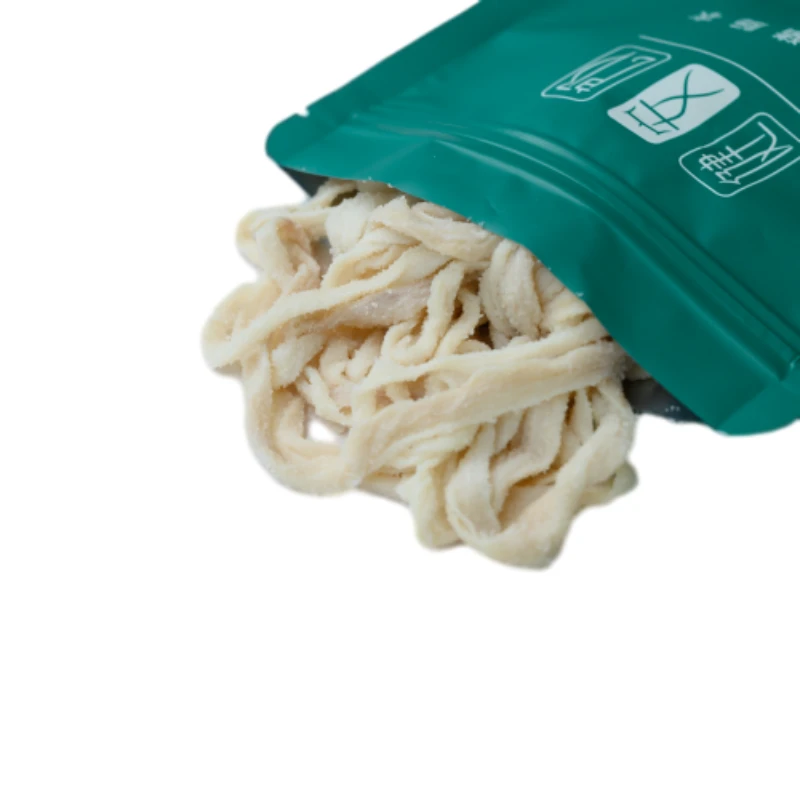
So who exactly are these manufacturers? Simply put, they’re companies or artisanal producers who process animal intestines—typically hog, sheep, or beef—into casings suitable for sausages and similar products. This isn’t just gut cleaning; it’s a specialized operation involving precise washing, grading, drying, and quality control to ensure food safety and consistency.
Their work is also linked to sustainability since natural casings are a by-product of meat processing, effectively reducing waste. In humanitarian and remote settings, natural casings offer a reliable food preservation method, especially where refrigeration or synthetic materials aren’t viable.
Key Aspects of Natural Casing Production
1. Raw Material Sourcing
Manufacturers rely heavily on the steady supply of fresh intestines from slaughterhouses. This connection means that any shifts in meat industry practices—like changes in livestock breeds or slaughter quotas—directly impact casing availability.
2. Quality Control & Hygiene
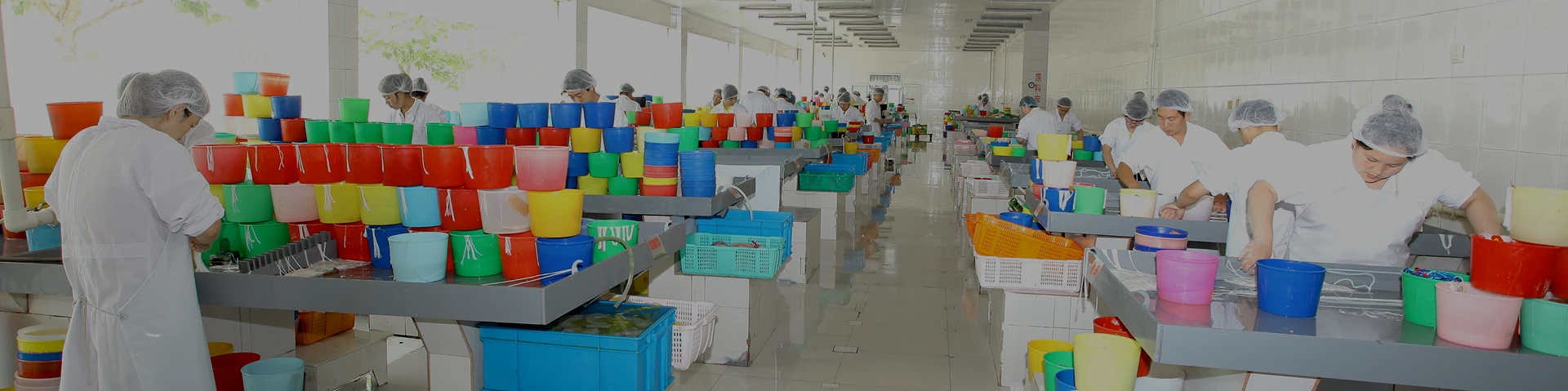
Stringent cleanliness is non-negotiable. Even slight contamination can ruin batches, so factories operate under tight monitoring, often following ISO food safety standards. Many producers also employ advanced washing technologies over traditional manual techniques.
3. Durability & Elasticity
The natural casing must balance toughness with flexibility, able to hold fillings without bursting yet yield a satisfying snap when bitten into. Different animals’ intestines offer varying textures: hog casings tend to be thicker, sheep finer.
4. Scalability of Production
From small-scale artisanal suppliers to large manufacturers, the industry caters to different markets. Scaling up requires investment in equipment and quality assurance processes, all while preserving the 'natural' element that synthetic alternatives can’t mimic.
5. Cost Efficiency
While natural casings are generally more expensive than synthetic ones, manufacturers have become adept at optimizing supply chains and processing to keep prices competitive—the trick being to offer quality without sacrificing profit margins.
Mini takeaway: The delicate balance of sourcing, hygiene, functionality, scale, and cost is what defines a successful natural casing manufacturer.
Global Applications & Use Cases
Across Europe, the US, and parts of Asia, natural casing manufacturers underpin traditional sausage-making crafts—think bratwurst, merguez, and Italian salami—helping preserve culinary heritage. It’s also a critical supply in areas where synthetic casings cannot be processed safely due to resource or infrastructure constraints.
Interestingly, humanitarian agencies often rely on natural casings for portable protein products in relief efforts. For example, during post-disaster recoveries in Southeast Asia, responders have turned to sausages encased naturally because they last longer in tropical climates without refrigeration.
In industrialized food sectors, manufacturers collaborate closely with meat producers and export businesses to streamline logistics, adapting casing sizes and types for automated sausage production lines.
Product Specification Table: Typical Natural Casing Types
| Casing Type | Source Animal | Diameter Range (mm) | Typical Use | Shelf Life (Refrigerated) |
|---|---|---|---|---|
| Sheep Casings | Sheep | 16-24 | Breakfast sausages, small links | 12 months |
| Hog Casings | Pig | 28-32 | Bratwurst, breakfast links | 12 months |
| Beef Casings | Cow | 32-38 | Salami, large chorizos | 9 months |
Advantages & Long-Term Value of Natural Casings
It’s easy to get caught up in cost when comparing natural versus synthetic. But for many chefs and producers, it’s the sensory experience that seals the deal: that subtle snap when you bite in, the way natural casings help develop flavor during curing, and biodegradability after all is said and done.
Socially and environmentally, supporting natural casing manufacturers helps reduce waste—these are byproducts that would otherwise be discarded. This aligns with global sustainability goals, cutting down reliance on plastics and synthetic materials.
From an emotional perspective, many consumers trust foods made with natural casings more, feeling they are "closer to nature," and manufacturers often market that authenticity proudly. A good casing can enhance brand loyalty in a crowded market.
Comparing Leading Vendors in Natural Casings
| Vendor | Product Range | Processing Technology | Sustainability Initiatives | Global Reach |
|---|---|---|---|---|
| RTCasing Inc. | Hog, Sheep, Beef | Automated washing, drying | Waste reduction, renewable energy usage | North America, Europe, Asia |
| Global Natural Casings | Primarily Hog & Sheep | Manual & Semi-automated | Focus on local sourcing | Europe, Middle East |
| PureCasings Ltd. | Beef & Specialty | Advanced sanitization tech | Certified organic process | Global |
The Future of Natural Casing Manufacturing
Looking ahead, the industry appears to be embracing sustainability and tech innovations. Smart drying methods powered by green energy, IoT-enabled monitoring for quality control, and blockchain traceability are becoming more common. This ensures not only product integrity but transparency for consumers curious about origin.
Automation, strangely enough, is not about replacing the "handmade" feel but enhancing precision and safety, reducing waste, and meeting growing global demand without compromising natural casing’s artisanal appeal.
Challenges and How the Industry Is Tackling Them
Challenges remain. Supply chain volatility due to animal disease outbreaks or changing consumption patterns can hit casing availability hard. Plus, strict sanitary standards can sometimes add costly barriers for smaller producers.
Innovative partnerships and certifications, often supported by ISO Food Safety standards, help overcome these. Some firms develop new methods to extend shelf life without preservatives, easing distribution challenges in warmer climates.
FAQ: Common Questions About Natural Casing Manufacturers
- Q: How do natural casings compare in durability to synthetic casings?
A: Natural casings are generally more flexible and have a better bite but can be more prone to variability. Proper processing by manufacturers boosts durability significantly, making them reliable for most sausage types. - Q: Can natural casing manufacturers customize casing sizes?
A: Yes, many manufacturers offer specific diameter ranges depending on the animal source, catering to various sausage styles from small breakfast links to large salamis. - Q: Are natural casings environmentally friendly?
A: Absolutely. They're biodegradable and sourced from meat industry by-products, reducing waste and plastic use in food packaging. - Q: How do manufacturers ensure food safety in natural casings?
A: Through rigorous cleaning, grading, and quality checks following ISO hygiene standards, many even use automated washing systems to lower contamination risks. - Q: Where can I find reliable natural casing manufacturers?
A: There are many worldwide, but trusted suppliers typically have certifications and global distribution networks. For a comprehensive selection, visit natural casing manufacturers.
Conclusion & Next Steps
In sum, natural casing manufacturers are essential pillars in keeping artisanal traditions alive while meeting modern food safety and sustainability standards. Their role bridges the ancient with the innovative, ensuring better taste, texture, and environmental stewardship.
Whether you’re a producer looking for dependable supply or just curious about the invisible threads in your food’s journey, diving into the world of natural casing manufacturers is surprisingly rewarding.
Check out trusted producers directly at https://www.rtcasing.com for detailed product info and sourcing options.
Mini takeaway: Supporting and understanding natural casing manufacturers is not just about food—it’s about preserving culture, reducing waste, and trusting quality.