Dec . 02, 2025 18:36
The Rising Importance of a Trusted Pork Casing Manufacturer
If you peek behind the scenes of the meat processing world, particularly sausage making, you'll find the unsung hero: the pork casing manufacturer. It’s one of those niche industries that rarely grab headlines but are critical to millions globally. These manufacturers supply the natural casings used in sausages and other meat products that fuel food culture worldwide.
Why does it matter? Well, natural pork casings deliver an unmatched texture and flavor to sausages. Plus, with growing interest in traditional foods, artisanal products, and even humanitarian food aid, understanding this industry's heartbeat leads to better sourcing, sustainability, and quality assurance.
Global Impact and Challenges Facing Pork Casing Manufacturers
On a global scale, pork casing manufacturers play a pivotal role in food production and trade. According to data from the Food and Agriculture Organization (FAO), the demand for natural casings has increased in emerging markets in Asia and Eastern Europe over the last decade.
These casings are prized because they’re biodegradable, edible, and provide that unique snap that synthetic alternatives still struggle to replicably deliver. However, manufacturers face challenges from fluctuating raw material availability, hygiene compliance, and varying international food safety standards like those set by the ISO.
It’s odd but true — balancing traditional food heritage with modern industrial demands isn’t simple. For example, a pork casing manufacturer has to constantly innovate while preserving the natural qualities that niche markets crave.
What Exactly Is a Pork Casing Manufacturer?
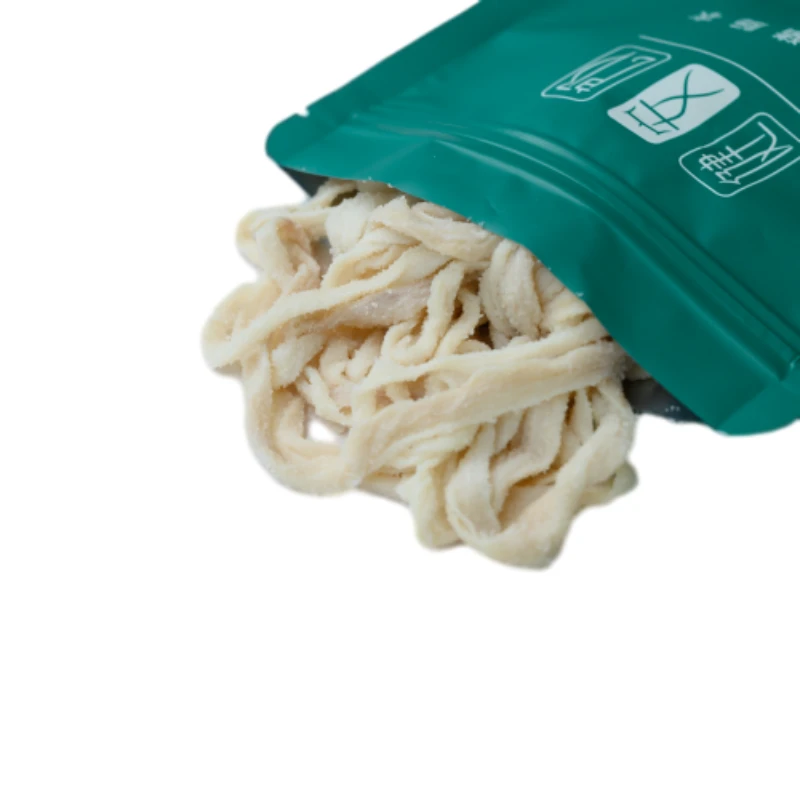
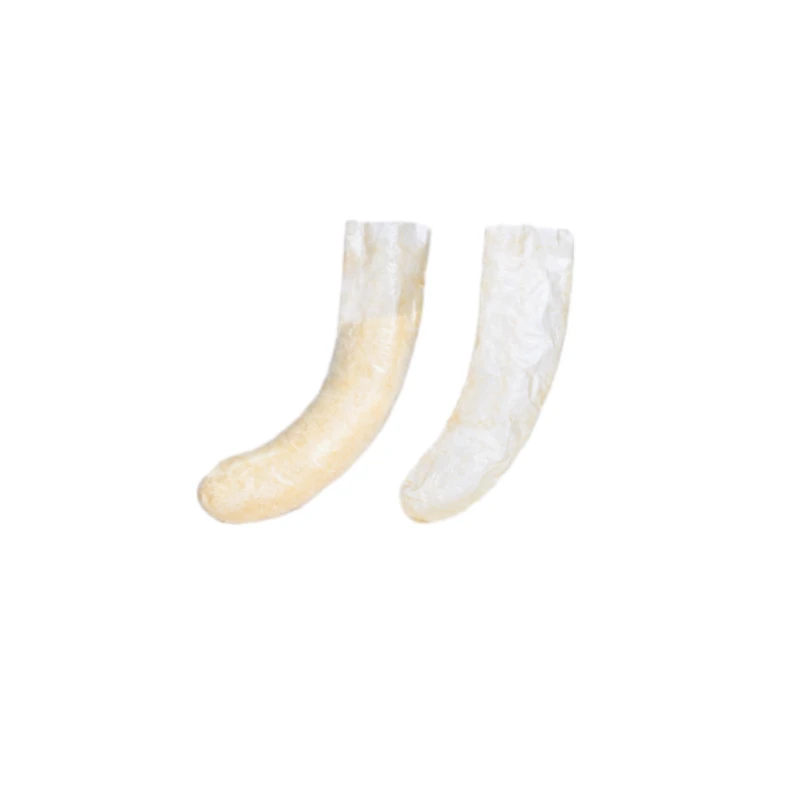
Simply put, a pork casing manufacturer processes the intestinal membranes of pigs into cleaned, prepared casings for sausage production. These casings act like natural tubes where meat mixtures are stuffed before smoking or cooking.
Beyond culinary uses, these casings have found occasional medicinal and industrial applications due to their organic nature. From an industry perspective, these manufacturers highlight the marriage of food processing with animal by-product valorization — turning what could be waste into prized consumables.
Core Aspects of Pork Casing Manufacturing
1. Quality and Durability
Durability matters because casings must withstand stuffing pressures without bursting. Quality also influences the texture and mouthfeel of final products. Many manufacturers invest heavily in quality control — measuring collagen strength and elasticity to ensure robust casings.
2. Scalability and Supply Chain
Pork casing manufacturers have to juggle scaling up production to meet seasonal meat demands and logistics challenges around sourcing fresh intestines. It’s a tightrope act between raw material freshness and large-scale output.
3. Hygienic Processing Standards
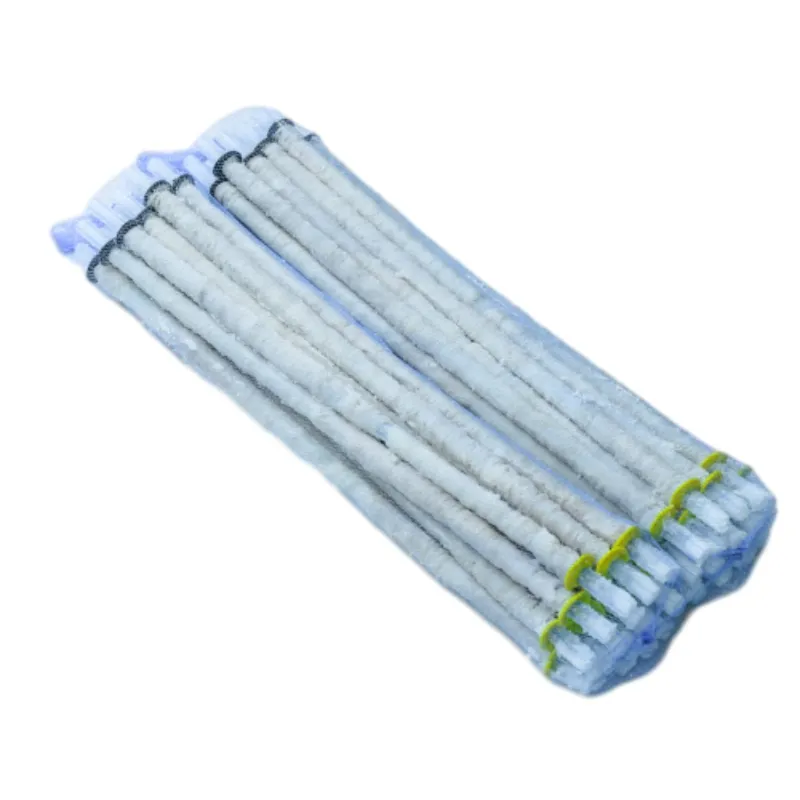
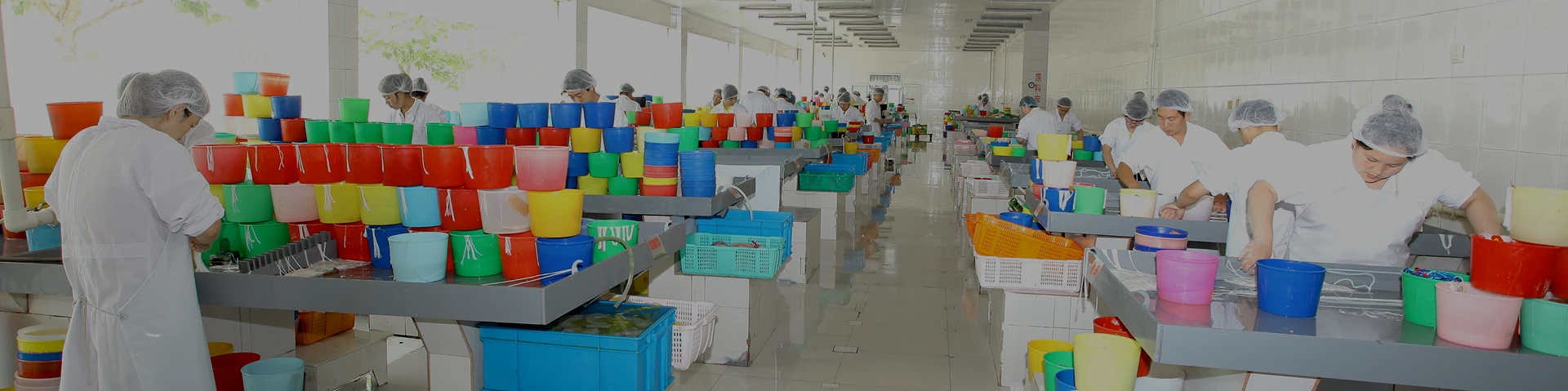
Food safety governs every step, from cleaning to salt packing. Strict hygiene protocols, often guided by HACCP and ISO food safety certifications, are mandatory. This is non-negotiable when supplying global markets.
4. Customization and Customer Relations
Different clients—from artisan charcuterie makers to multinational meat corporations—have unique specs. A pork casing manufacturer’s ability to customize diameter, thickness, and finish becomes a competitive edge.
5. Sustainability Practices
With growing environmental consciousness, manufacturers are exploring eco-friendly waste management and renewable energy use. It’s still a developing area but shows promise for reducing the industry’s footprint.
Mini takeaway: Pork casing manufacturing blends tradition with modern processing tech — demanding quality, hygiene, and sustainable innovations that keep the sausage world sizzling.
Global Applications of Pork Casings
Pork casing manufacturers serve vastly diverse regions. In Europe, artisanal producers cherish them for classic sausages like bratwurst and chorizo. Meanwhile, in Asia and the Americas, demand surges for both traditional and industrial sausage varieties.
In humanitarian scenarios, for example, natural pork casings have been occasionally used in nutrient-dense food packs designed for disaster zones—offering a shelf-stable, protein-rich solution. While synthetic casings dominate large-scale industrial production, pork casings remain prized for premium and specialty products.
Some interesting examples:
- Germany: Smaller producers rely heavily on local pork casing manufacturers to craft regional sausage delicacies.
- Vietnam: Growing middle-class appetite for Western-style sausages has expanded imports from reliable suppliers.
- United States: A robust market where pork casings fuel both artisanal and high-volume food processing sectors.
Advantages of Natural Pork Casings for End Users
Natural pork casings offer a blend of benefits hard to beat:
- Taste & Texture: They provide a unique, satisfying snap and chewiness.
- Edibility: Unlike some synthetic options, they are fully edible and require no peeling.
- Biodegradability: Environmentally kinder when disposed.
- Trust & Tradition: They carry heritage value, reassuring consumers seeking authentic products.
Yet, there's an emotional factor at play too. Knowing your sausage casing is natural — made by skilled manufacturers who respect the product — adds a sense of connection and pride. It’s like appreciating craftsmanship in a high-end watch.
Product Specification Table
| Specification | Typical Range | Notes |
|---|---|---|
| Diameter (mm) | 15 – 35 | Custom-sized per client request |
| Length (m per bundle) | 8 – 20 | Salt packed for preservation |
| Collagen Strength (MPa) | 40 – 70 | Ensures elasticity and durability |
| Shelf Life (months) | 12-24 | When properly stored in salt |
| Moisture Content (%) | 12-18 | Affects casing pliability |
Comparing Leading Pork Casing Manufacturers Worldwide
| Manufacturer | Primary Market | Customization | Sustainability | Lead Time |
|---|---|---|---|---|
| RTCasing | Global (Asia/Europe/US) | High (diameter, length, finish) | Emphasis on eco waste management | 4-6 weeks |
| Premium Casings Ltd. | Europe / North America | Medium (standard sizes) | Traditional waste disposal | 3-5 weeks |
| East Asia Casings Co. | Asia-Pacific | Low (mostly standard pack) | Limited sustainability programs | 2-4 weeks |
Looking Ahead: Innovations in Pork Casing Manufacturing
Technology is seeping into pork casing manufacturing in subtle but impactful ways. Automation in cleaning and sorting intestines, advanced microbial testing for hygiene, and digital tracking for supply chain transparency are reshaping the industry. Oddly enough, some makers are even exploring collagen enhancements through controlled enzyme treatments to improve casing elasticity without changing natural profiles.
Green energy adoption in processing plants and zero-waste initiatives hint that sustainability won't just be a checkbox but a core value for future manufacturers. I suppose as consumers push for transparency and authenticity, pork casing makers will have to innovate while staying true to tradition.
Challenges & How Modern Manufacturers Tackle Them
Here’s a quick rundown of persistent pain points:
- Raw Material Variability: Intestine quality changes by season and animal diet.
- Strict Hygienic Demands: Contamination risks necessitate constant vigilance.
- Global Regulatory Differences: Navigating export and import controls is complex.
Many manufacturers now invest in real-time digital monitoring, enhanced staff training, and flexible compliance teams. Some even work with suppliers upstream to ensure raw material traceability — which is a breath of fresh air for buyers worried about consistent quality.
FAQ: Common Questions About Pork Casing Manufacturers
Q1: What makes natural pork casings better than synthetic ones?
A: Natural pork casings offer superior flavor and texture, along with full edibility and biodegradability. Unlike synthetic options, they provide that classic 'snap' many sausage lovers crave, enhancing the eating experience.
Q2: How can I ensure the quality of pork casings from a manufacturer?
A: Look for certifications like ISO 22000 or HACCP compliance, inquire about testing protocols (collagen strength, microbial safety), and ask for traceability details. Reliable manufacturers will be transparent and willing to customize to your product needs.
Q3: Are pork casings suitable for all types of sausages?
A: They’re versatile but mainly used for fresh, cooked, or smoked sausages. Very thick or unusual sausage types might require synthetic casings designed for specific mechanical filling methods.
Q4: How long do pork casings last in storage?
A: Typically, salt-packed natural pork casings can last 12 to 24 months if kept in cool, dry conditions. Proper storage is key to maintain elasticity and performance.
Q5: Can small-scale producers order customized casing sizes?
A: Yes, many pork casing manufacturers, including pork casing manufacturer partners, accommodate bespoke diameters, lengths, and finishes tailored to artisanal or niche production.
In Summary: Why Choosing the Right Pork Casing Manufacturer Matters
In the end, choosing a reliable pork casing manufacturer isn’t just about fulfilling raw material needs. It’s about securing product integrity, sustainability, and customer trust in your own offerings. Manufacturers like RTCasing combine time-tested techniques with modern quality assurance to keep the global sausage supply chain running smoothly.
Considering the market’s growing demand for natural casings, investing in a trusted partner now can pay off long-term — in product excellence and ecological responsibility. And if you’re still pondering which supplier fits your needs, just remember: you really can’t rush tradition.
Ready to explore premium pork casing options? Visit our website: https://www.rtcasing.com for detailed product specs and consultation.