Oct . 06, 2025 00:45
Dried Hog Casing: the field guide I wish I had years ago
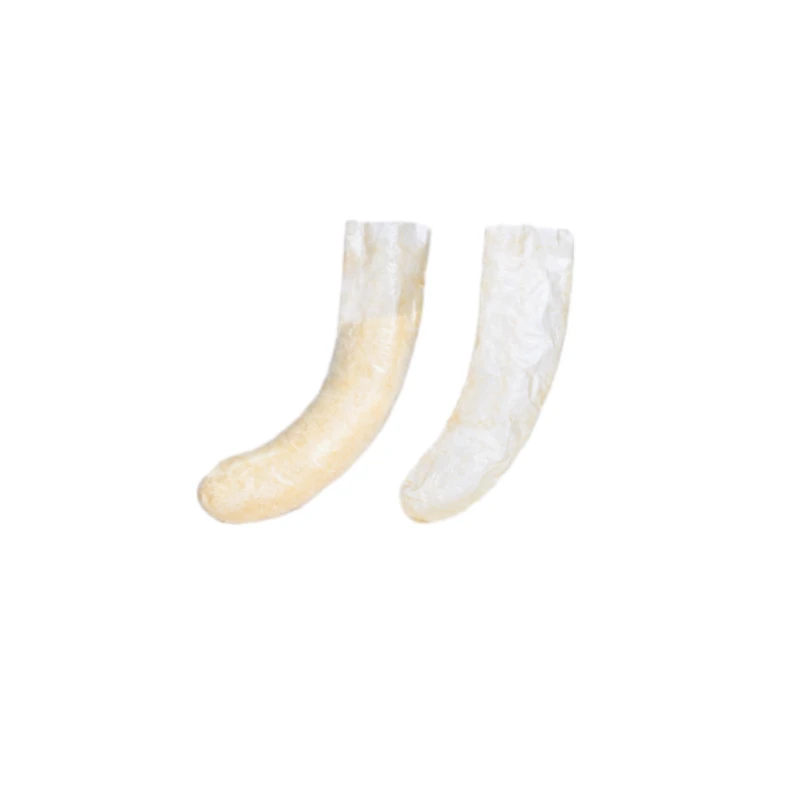
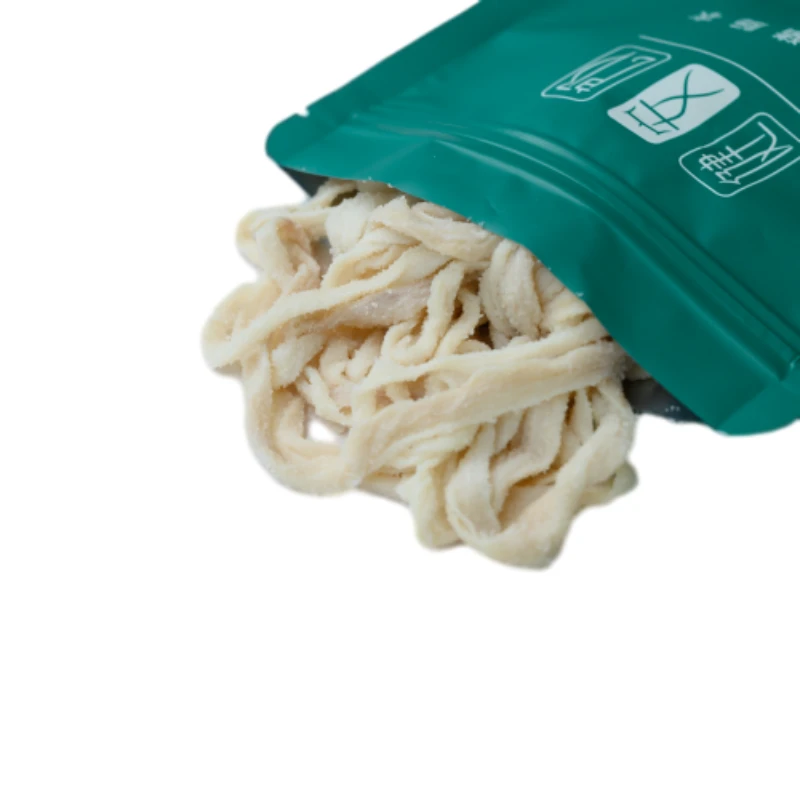
If you’re hunting for how to use dry sausage casing, you’re in the right smokehouse. I’ve watched dried hog casings move from “niche” to “standard issue” in craft and mid-scale plants—fewer variables, tighter yields, less hassle. Origin matters too: this line comes out of WEST PING’AN STREET, SHUNPING COUNTY, HEBEI, CHINA, from a facility that’s clearly built for consistency.
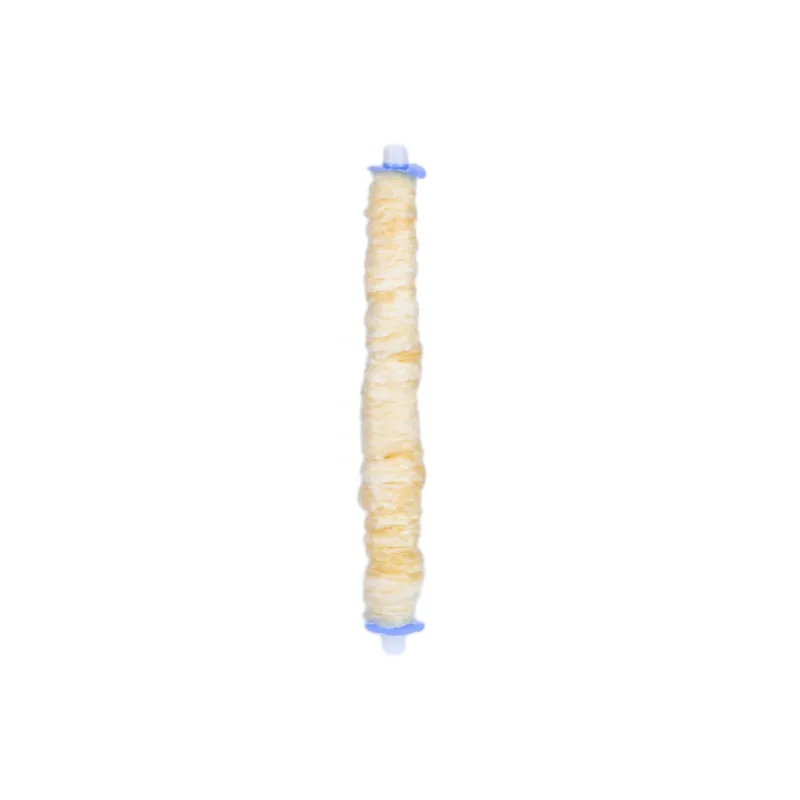
Quick process: how to use dry sausage casing without overthinking it
- Rinse: Brief cold rinse to wake the casing.
- Soak: 30–45 minutes in 30–35°C water; add ≈1–2% salt. For stubborn sets, another 10 minutes in fresh warm water does wonders.
- Flush: Run warm water through each length; you’ll feel the slip improve.
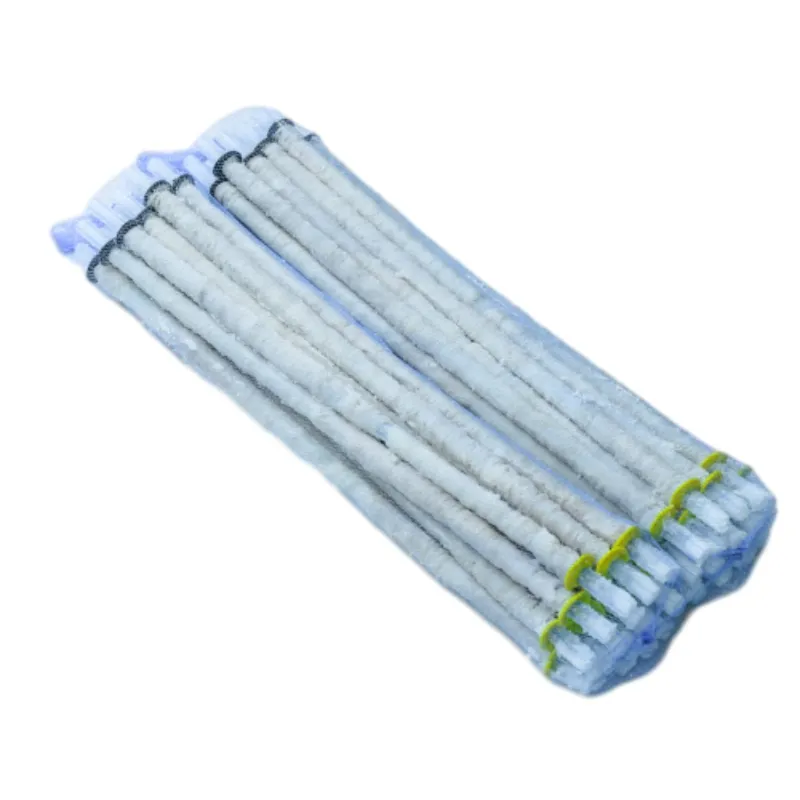
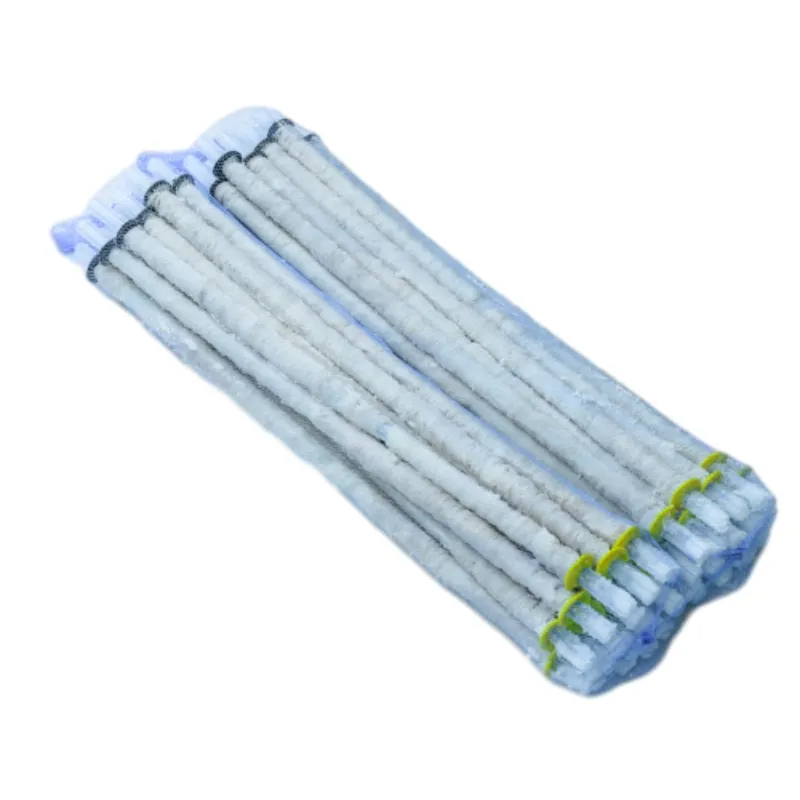
- Stuff: Keep horns wet; don’t overpressurize—aim for even fill.
- Link & prick: Twist, then de-air with a pin to prevent blowouts.
- Cook/dry/smoke per recipe. Rest to bloom color, then chill.
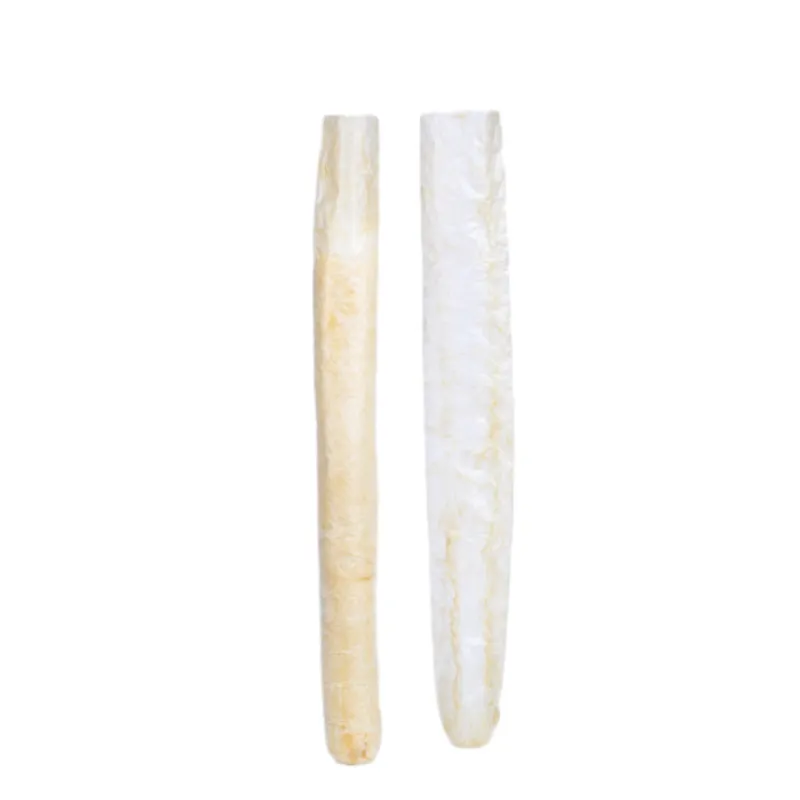
Why dried, and why now?
Trends are pretty clear: shops want stable SKUs, predictable calibers, and less waste. Dried casings ship light, store compactly, and—surprisingly—behave more consistently than some wet packs. Many customers say the soaking window is forgiving, which is gold on a busy line.
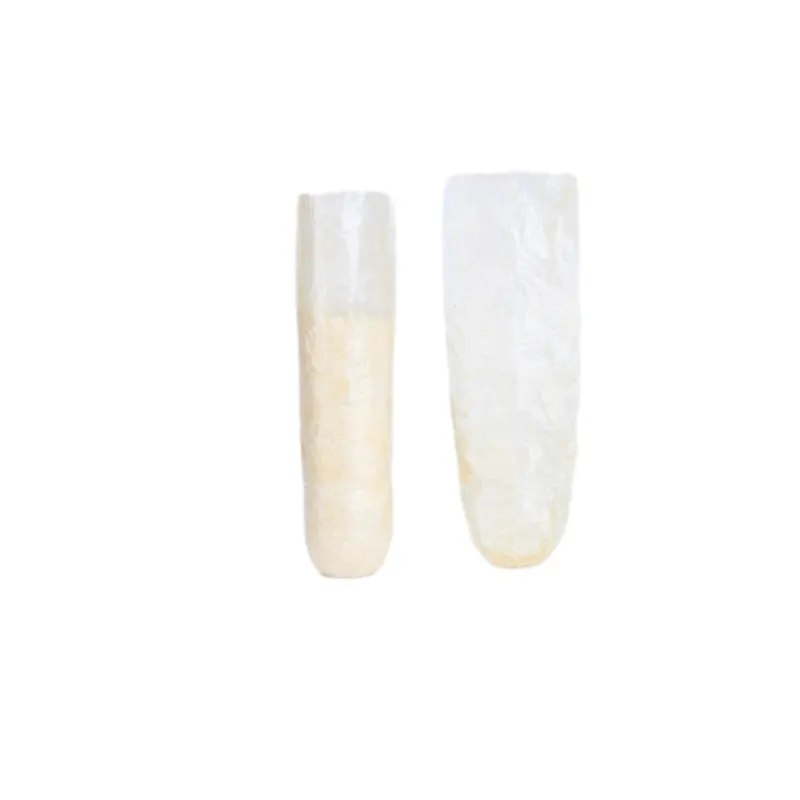
Technical specs (typical)
| Caliber (mm) | 28–45 mm (±1.5 mm) |
| Length per hank | ≈91 m (real-world may vary) |
| Burst strength | ≥0.35 MPa (wet, stuffed test) |
| Soak time | 30–45 min @ 30–35°C |
| Water activity (dry) | aw ≤ 0.85 (ISO 21807) |
| Shelf life (sealed) | 18–24 months, cool/dry |
| Certifications | HACCP, ISO 22000; Halal available |
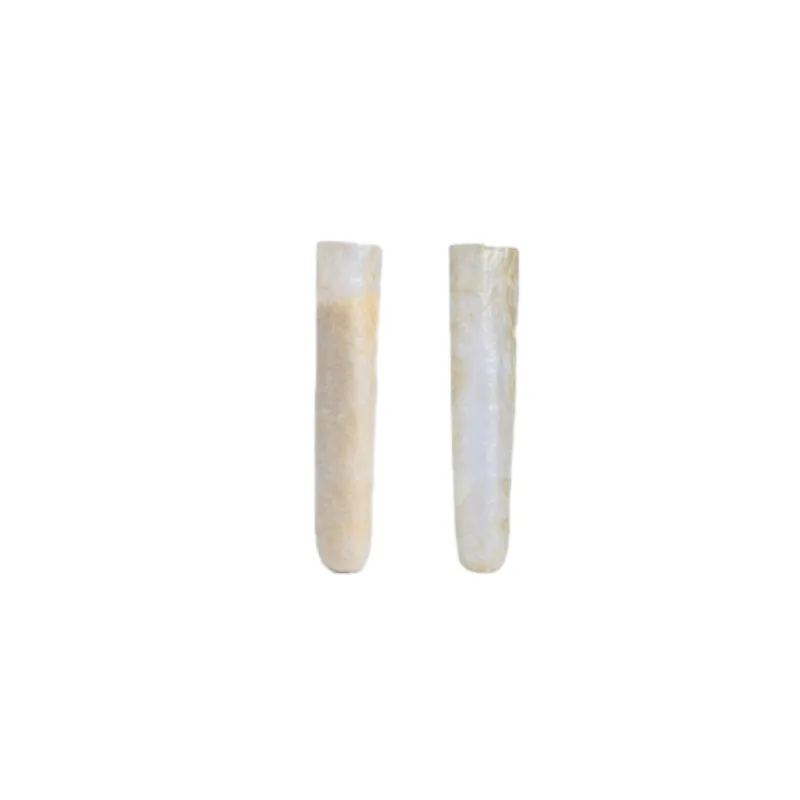
Applications and advantages
- Fresh sausages (brats), semi-dry (kielbasa), smoked links, chorizo, regional specialties.
- Advantages: compact storage, lower freight, consistent caliber, quick prep, clean bite and snap.
Quality, standards, and test notes
Lots are checked against HACCP plans aligned to Codex and ISO 22000. Routine tests include aw (ISO 21807), visual/odor, tensile, and micro per EU 2073 (e.g., Salmonella absent/25 g; E. coli within guidance). In a recent run I reviewed, average shrink on cook was ≈3.5% with zero blowouts at 32 mm—nice, to be honest.
Vendor snapshot (real-world buying)
| Vendor | Source/Material | Calibers | Certs | Lead time | Notes |
|---|---|---|---|---|---|
| RT Casing (Dried Hog Casing) | Natural hog, dried | 28–45 mm | HACCP, ISO 22000, Halal | ≈2–4 weeks | Strong consistency; cost-effective |
| EU Supplier A | Natural hog, salted | 26–46 mm | BRCGS, Halal | 3–5 weeks | Premium, higher landed cost |
| Domestic Supplier B | Natural hog, dried | 30–42 mm | HACCP | 1–2 weeks | Fast ship; limited sizes |
Customization, service life, and a quick case
Customization typically covers caliber sorting, strand length, and pre-tied options—handy for snack-link programs. Storage is simple: cool, dry, sealed; expect 18–24 months. After opening, keep salted and refrigerated; use within weeks. A Midwest co-packer told me their switch shaved 6% off material variance and tightened link uniformity—exactly what how to use dry sausage casing should deliver in practice.
Standards and references
- Codex Alimentarius: General Principles of Food Hygiene, CXC 1-1969 (HACCP).
- EU Regulation (EC) No 853/2004 on hygiene rules for food of animal origin.
- ISO 22000:2018 Food Safety Management Systems.
- ISO 21807:2017 Microbiology of food — Determination of water activity.
- EU Regulation (EC) No 2073/2005 on microbiological criteria for foodstuffs.
- International Natural Sausage Casing Association (INSCA) industry guidance.