Nov . 03, 2025 19:20
How To Use Dry Sausage Casing: field notes from the plant floor
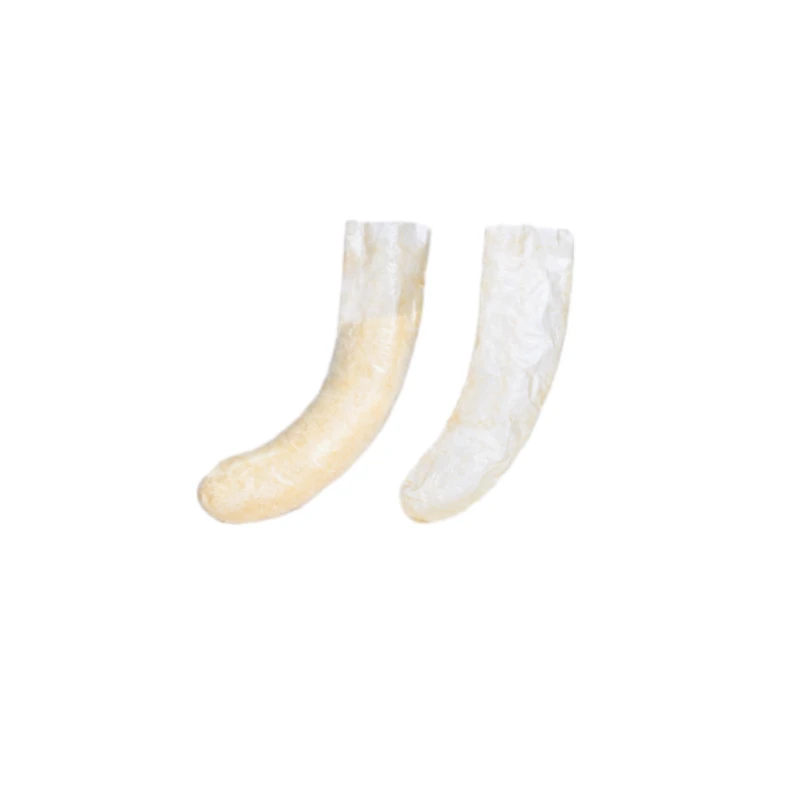
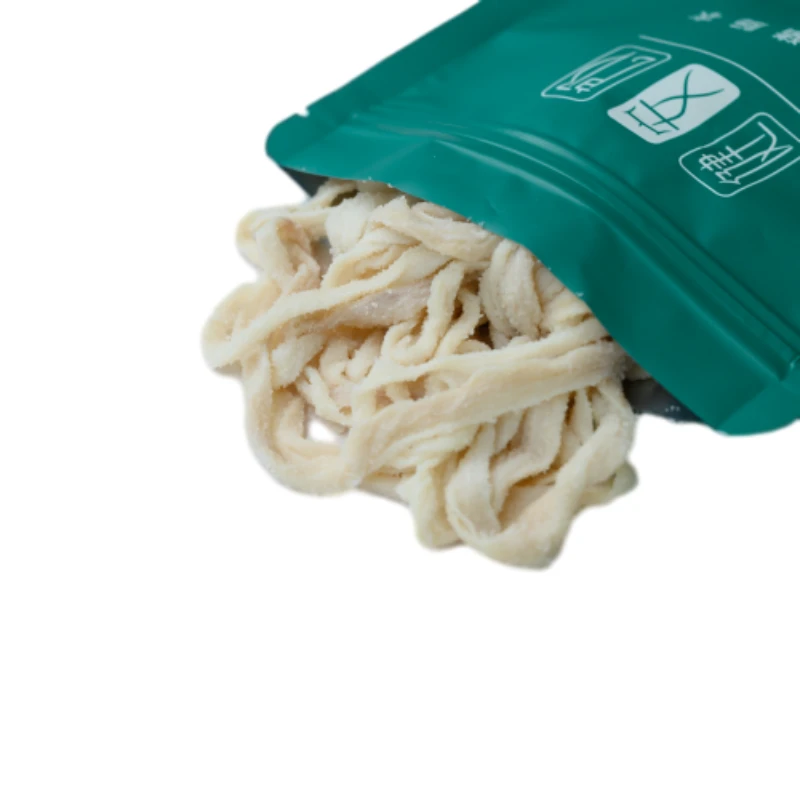
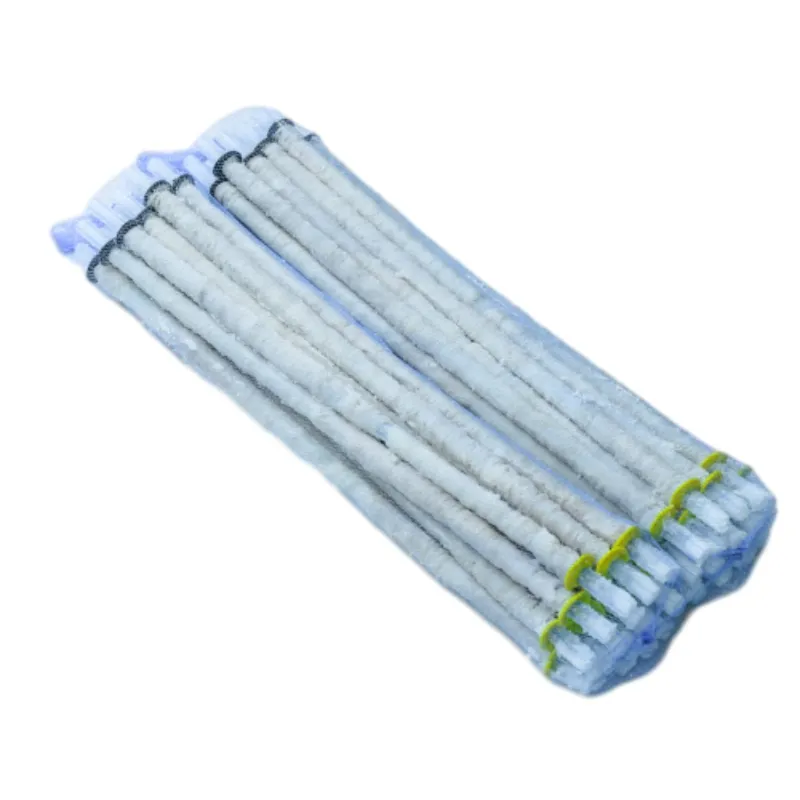
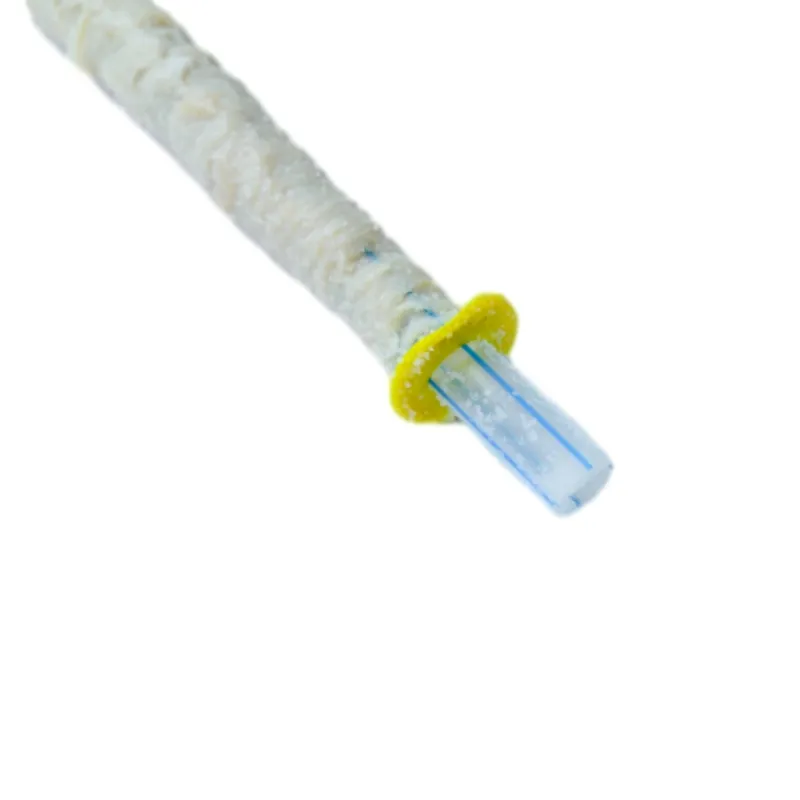
If you work with natural casings, you already know the quiet magic: snap, aroma, a rustic look that synthetic just can’t fake. Dried Hog Casing from WEST PING’AN STREET, SHUNPING COUNTY, HEBEI, CHINA has become a go-to because it ships light, stores easily, and—when handled right—stuffs like a dream.
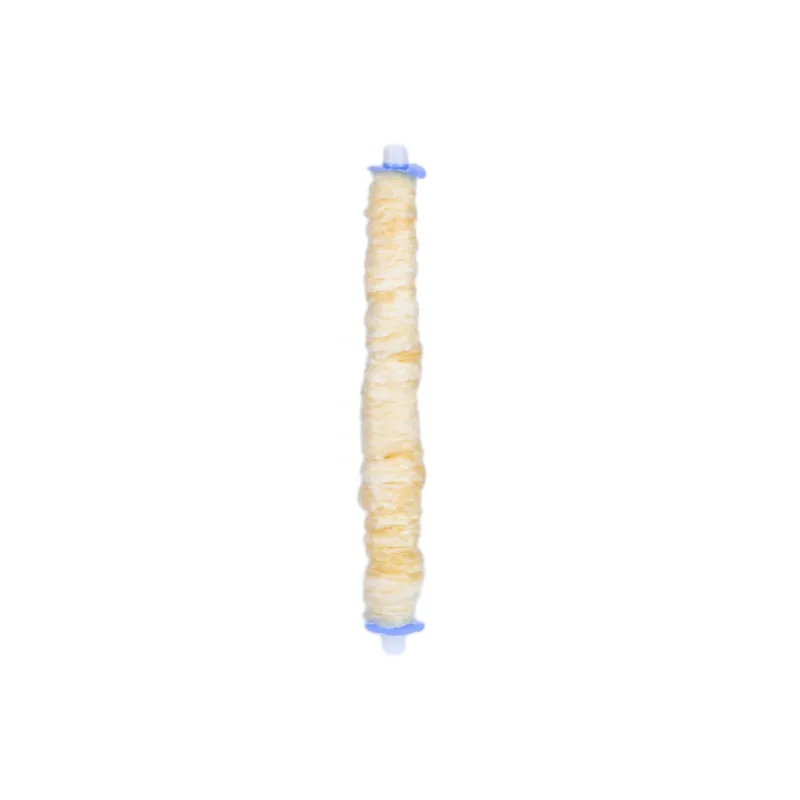
Why dried casing is trending
Two things are driving adoption: predictable yields and simpler logistics. Processors tell me hole rates are lower than salted casings after a careful soak, and freight savings are real. Actually, many customers say switching cut their storage footprint by around 40%.
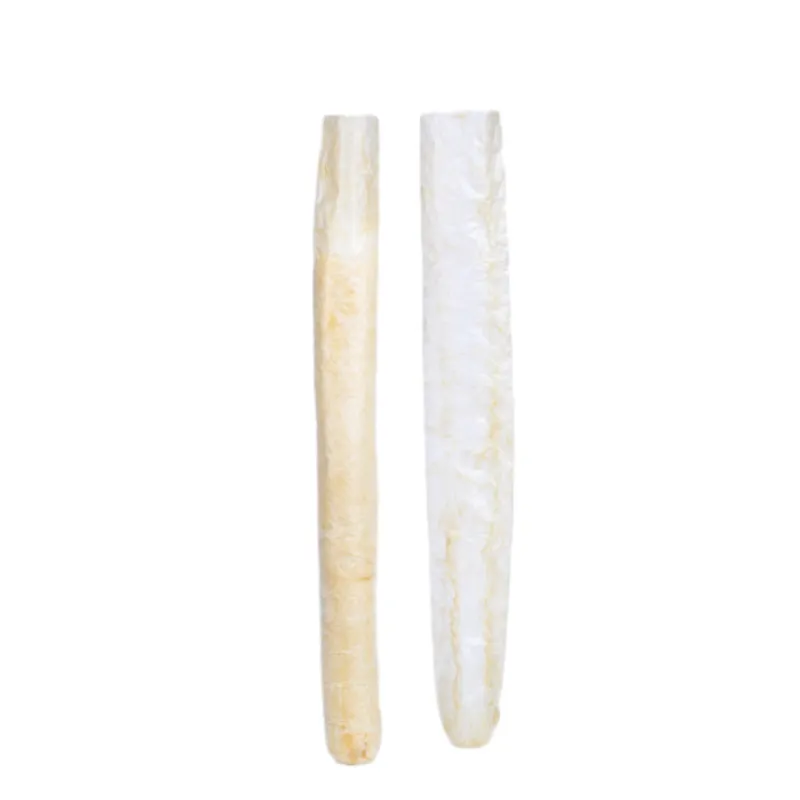
Quick process: from dry stick to stuffed links
- Inspect: check caliber, integrity, and label/lot. Keep a spare stick nearby—old habit from the night shift.
- Soak: 25–35 minutes in 30–35°C clean water, then 5 minutes in new warm water with ≈1% salt. Avoid hot water shock.
- Flush: run lukewarm water through the casing to open it and remove any residual salt crystals.
- Tube & stuff: load onto horn (fit the horn to caliber), maintain even fill pressure. Aim for firm but not “drum-tight.”
- Link & set: twist or clip at 12–16 cm for grillers; 20–25 cm for dry-cured. Rest 10–15 minutes before smoke or fermentation.
- Dry/smoke: for semi-dry, start at 45–50°C with 80–85% RH, then step down RH gradually. For fully dry-cured, slow is safer.
Testing tip: measure burst pressure on a few links per batch; it’s boring, but it saves rework. And, to be honest, auditors love the data trail.
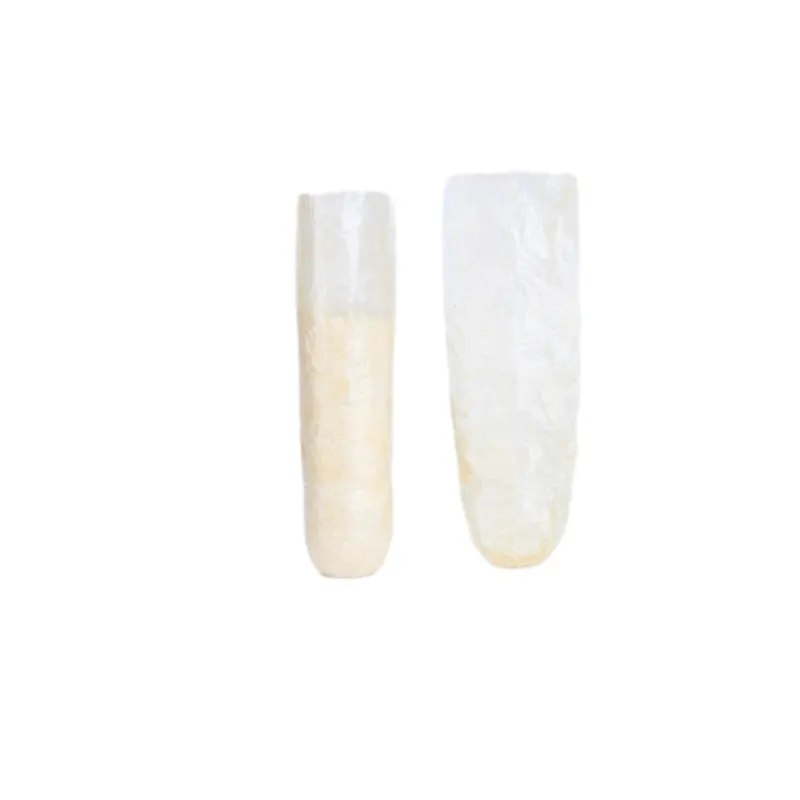
Product specs (Dried Hog Casing)
| Parameter | Typical | Notes |
|---|---|---|
| Calibers | 28/30, 30/32, 32/35, 35/38 mm | Measured wet; real-world may vary ≈±1 mm |
| Stick (hank) length | ≈80–90 m per hank | Yield depends on trim and twist length |
| Moisture (dry form) | ≤12% | Water activity aw ≤0.85 |
| Micro (TPC) | ≤1×10^3 CFU/g | Salmonella: absent/25 g |
| Burst pressure | ≥35 kPa (lab avg ≈42 kPa) | Wet, after 30 min soak |
| Shelf life | 24 months | Cool, dry; sealed, away from sunlight |
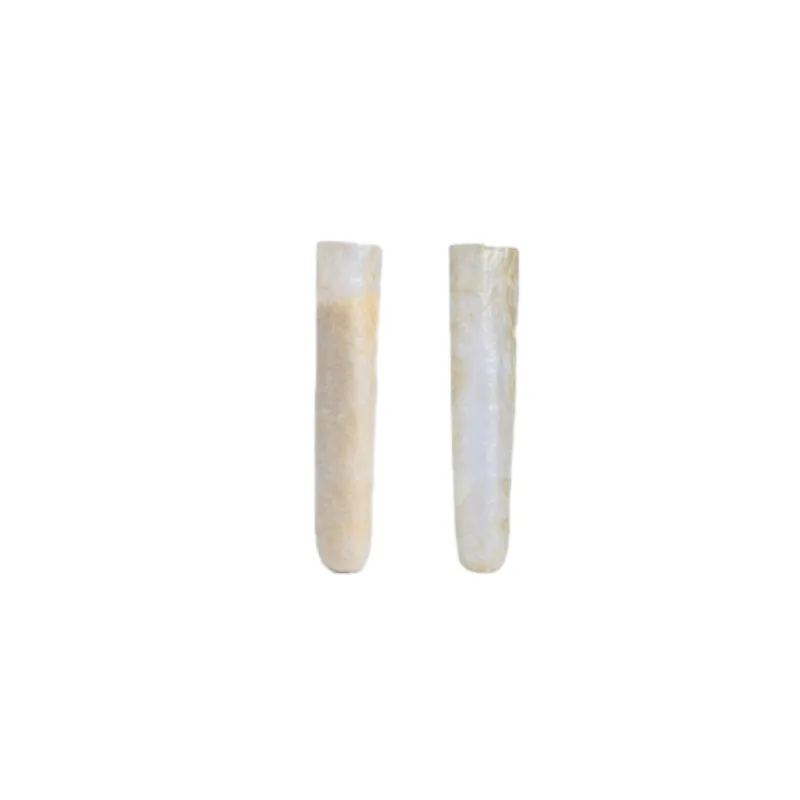
Quality, testing, and standards
Plants that impress auditors tend to map their casing program to ISO 22000/HACCP, cite the UNECE natural casings standard, and verify each lot with CoAs. Typical checks: caliber tolerance, microbiology (TPC, Enterobacteriaceae), visual defects, and soak-to-burst trials. Compliance with EU 853/2004 or USDA-FSIS import rules is increasingly requested, even in domestic-only operations.
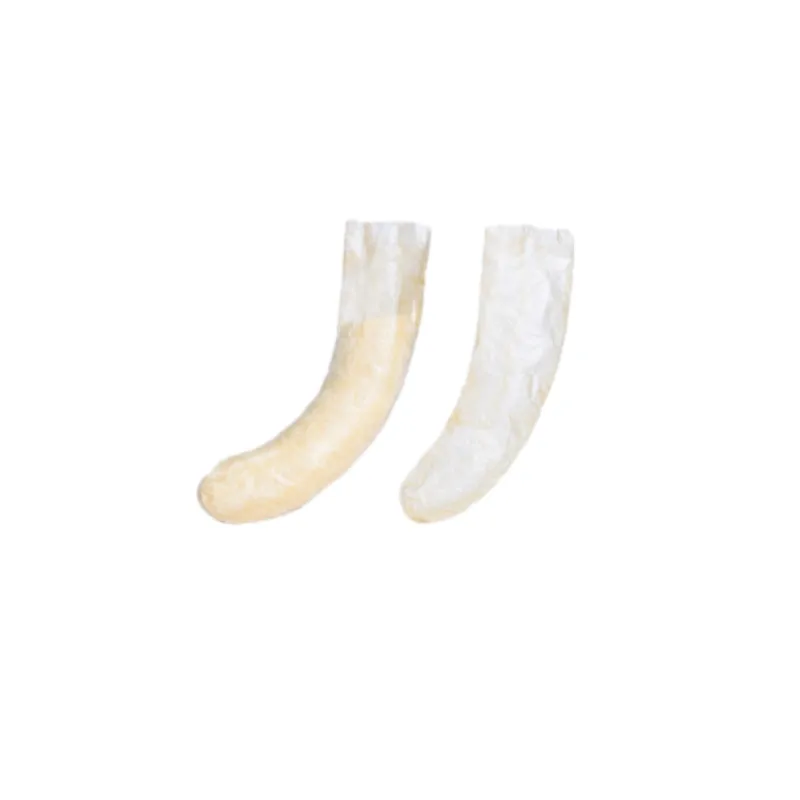
Application scenarios
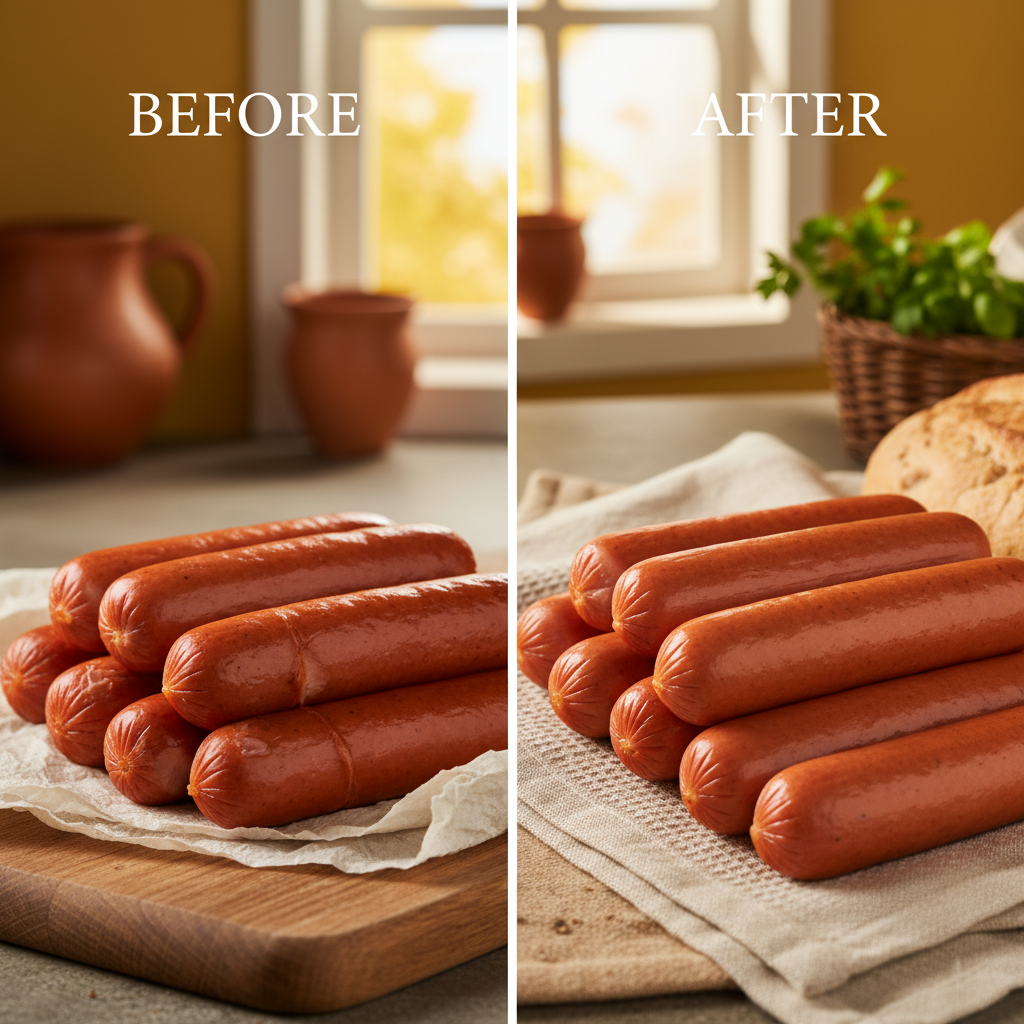
- Fresh grillers and breakfast links (snap is excellent on 30/32 mm).
- Semi-dry smoked (kielbasa-style) with gentle humidity ramping.
- Dry-cured snacks; I guess 28/30 mm is the crowd favorite for portion control.
- Foodservice batches where consistent untangling and low hole rate matter.
Customer feedback: “Low blowouts, cleaner peel from the horn, and easier training for new staff.” Average reported hole rate:
Vendor comparison (summary)
| Vendor | Certs | MOQ | Lead time | Customization | Price |
|---|---|---|---|---|---|
| RTCasing (Hebei) | HACCP, ISO 22000 (claimed) | ≈ 50 hanks | 2–4 weeks | Caliber, shirring, branding | $$ |
| EU Importer A | BRCGS, ISO 22000 | ≈ 100 hanks | 3–6 weeks | Limited | $$$ |
| Trader B (APAC) | Supplier CoA only | ≈ 30 hanks | 1–3 weeks | Mixed | $ |
Note: Always verify traceability and audit history; price gaps can mask higher defect rates.
Customization, service life, and industries
Custom options include branding on hanks, sorted calibers for tight specs, and pre-flushed packs for high-speed lines. Store sealed at 5–20°C, RH
Two quick case notes
- Midwest deli chain cut blowouts by ~30% after standardizing soak at 32°C and switching to 32/35 mm.
- ASEAN exporter passed an EU pre-audit by logging lot-level micro and burst tests—simple, decisive.
If you’re training new staff, print a one-pager with soak temps, link length, and a bold line: How To Use Dry Sausage Casing starts with water, patience, and consistent pressure. Honestly, that’s 80% of the game.
For procurement teams writing specs, include: caliber range, micro limits, CoA format, How To Use Dry Sausage Casing SOP steps, and acceptance criteria (burst ≥35 kPa; hole rate ≤2%).
References
- ISO 22000:2018 Food safety management systems.
- Codex Alimentarius, CXC 1-1969 (Rev.), General Principles of Food Hygiene.
- UNECE Standard for Natural Casings (ECE/TRADE/438).
- EU Regulation (EC) No 853/2004, Annex III: Specific hygiene rules for food of animal origin; USDA-FSIS import/compliance guidance for natural casings.