Oct . 21, 2025 15:30
How I really teach teams to get dry casings right
If you’re new to How To Use Dry Sausage Casing, relax—you’re in good company. Even seasoned butchers swap tips about soak times and horn sizes. I’ve worked with shops from Hebei to Houston, and the pattern is consistent: a little prep beats a lot of troubleshooting.
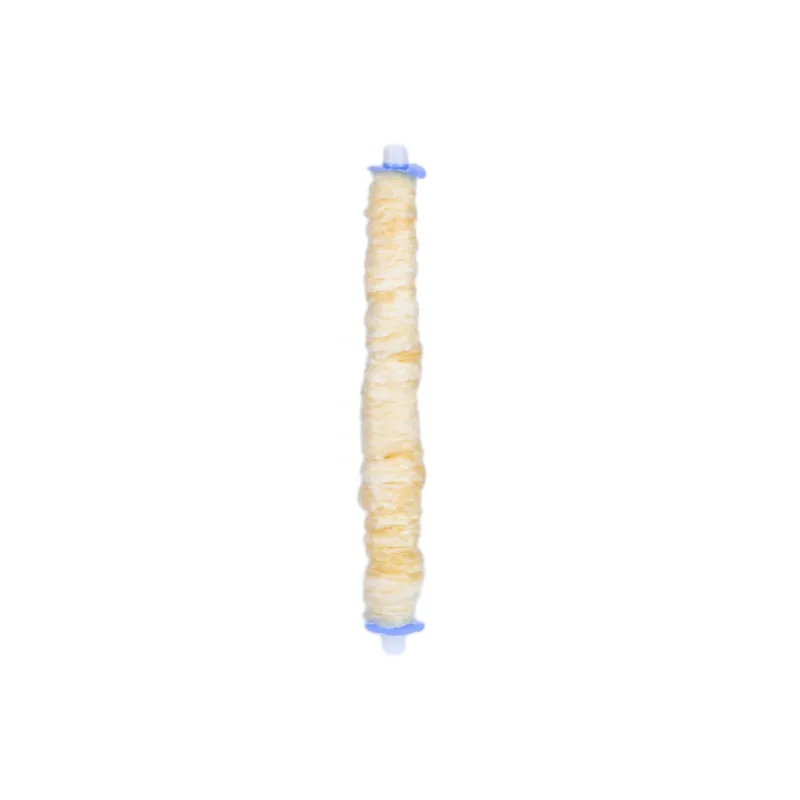
What we’re using
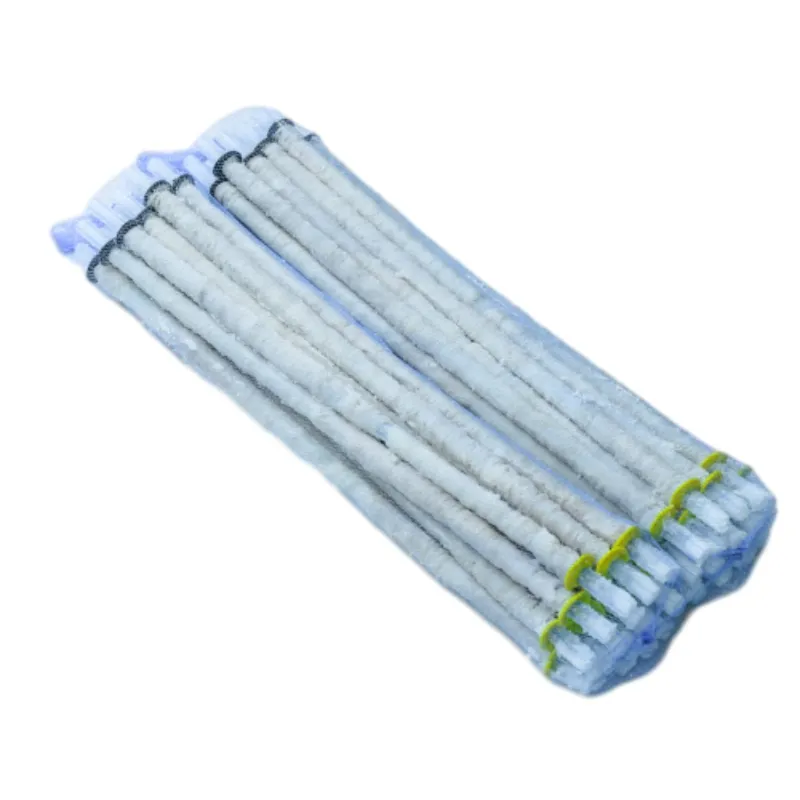
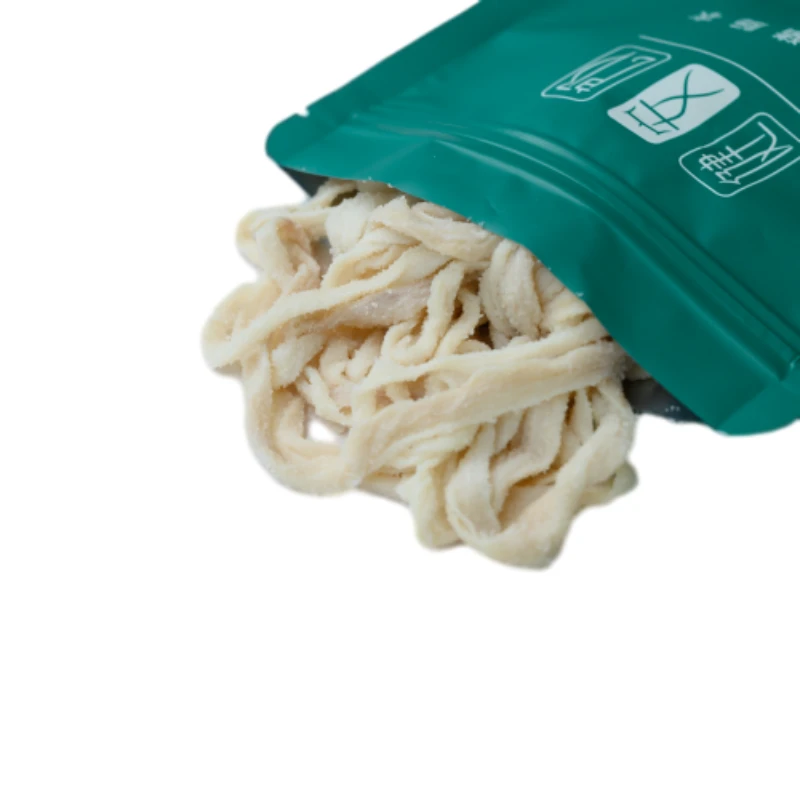
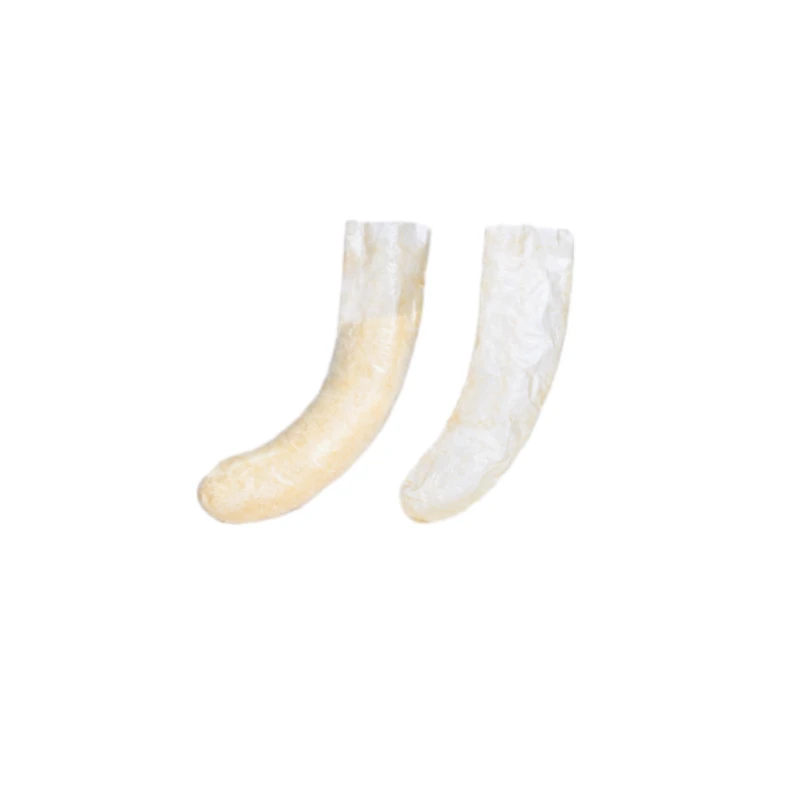
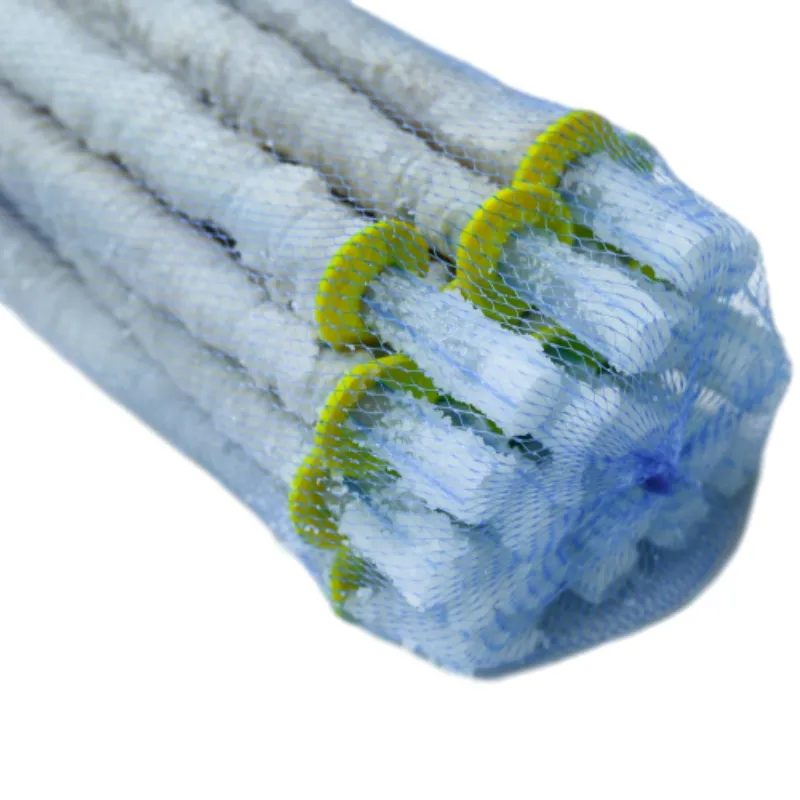
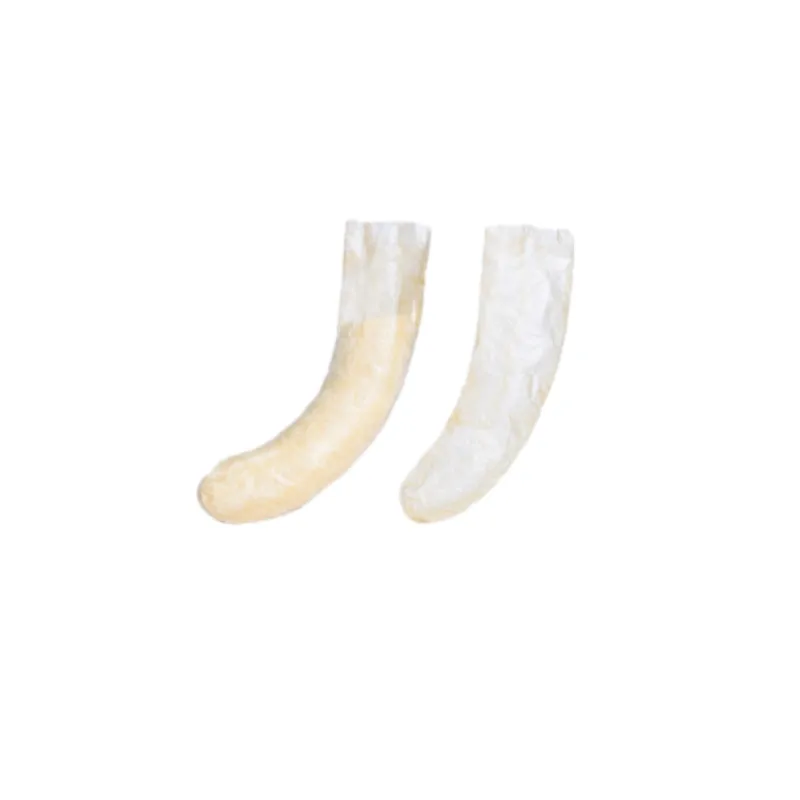
Product: Dried Hog Casing (origin: WEST PING’AN STREET, SHUNPING COUNTY, HEBEI, CHINA). These natural casings are dried and salted for shelf stability—popular because they’re convenient, consistent, and cost-effective. Many customers say they get less waste compared with wet-packed hog middles.
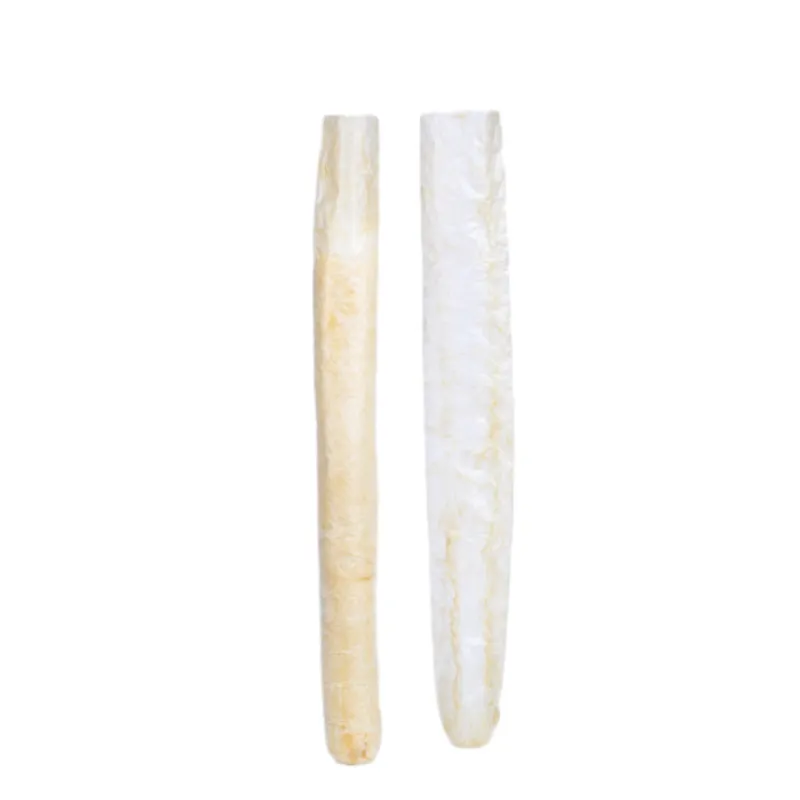
Quick industry pulse
Trends? Natural casings still dominate for premium, fermented, and smoked sausages—smoke permeability, snap, and artisanal look. Collagen and cellulose are strong in high-speed plants, sure, but craft brands lean natural. Rapid audits (HACCP, ISO 22000) and traceability have become non‑negotiable, especially for export.
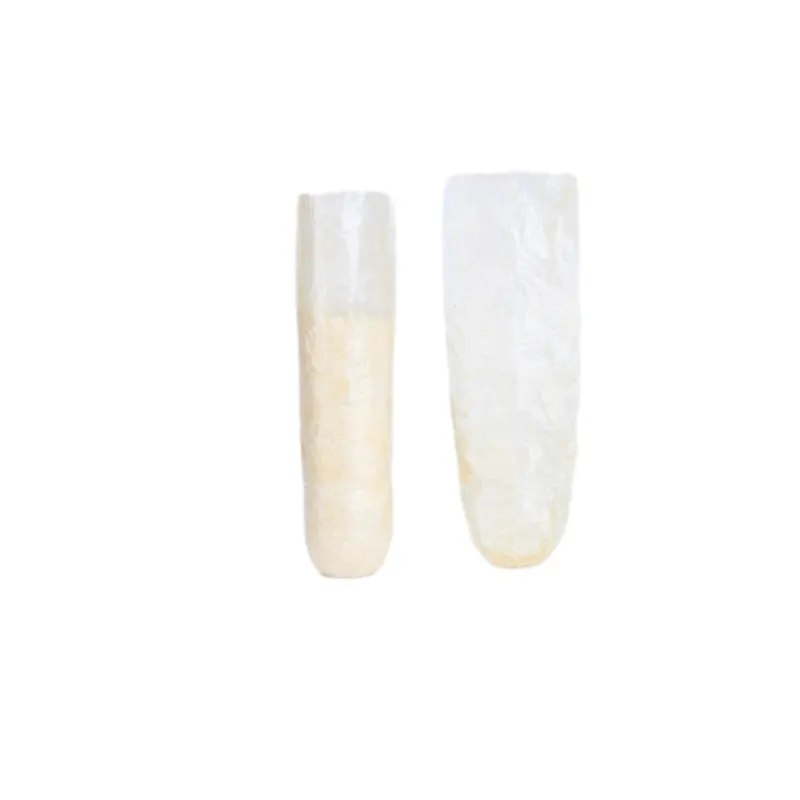
Specs that matter
| Parameter | Typical range (≈) | Notes |
|---|---|---|
| Caliber (mm) | 28–45 | Real-world use may vary ±1–2 mm |
| Salt content | 10–15% | For stability during storage |
| Burst strength | ≥ 1.0 MPa | Calibrated wet, per internal QC |
| Micro (TPC) | ≤ 10³ CFU/g | Compliant with HACCP plan |
| Shelf life | 18–24 months | Cool, dry, sealed |
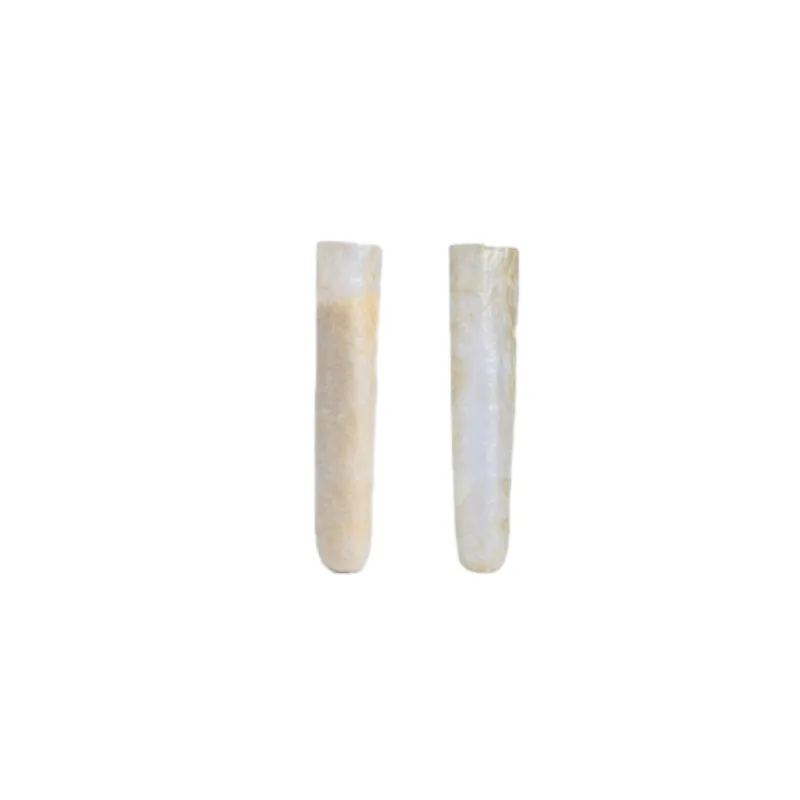
Step‑by‑step: How To Use Dry Sausage Casing
- Portion: Cut lengths to your batch plan. Check caliber against horn size.
- Rehydrate: Soak in 25–30°C water for 20–30 minutes; add a pinch of salt. For thicker casings, go 45 minutes. To be honest, patience pays here.
- Rinse & flush: Run clean water through each length to remove excess salt and open it up.
- Load: Slip onto the stuffing horn carefully; don’t twist too tight on the tip.
- Stuff: Keep even feed. If you see silvering, ease the pressure. Prick trapped air with a sterile pin.
- Link/coil: Twist at desired lengths. Rest 5–10 minutes before moving to smoke or fermentation.
- Process: Ferment/dry/smoke as your recipe dictates. Natural casings take smoke beautifully.
- Store leftovers: Salt heavily, drain, and refrigerate in a sealed bag.
Testing, standards, compliance
Lots are typically verified for caliber accuracy, burst strength, organoleptic checks, and micro limits. Certifications you should ask for: HACCP, ISO 22000, and compliance with FDA 21 CFR (indirect food additives), EU Reg. 852/2004 & 853/2004 (animal products), plus USDA‑FSIS guidance for import where relevant.
Vendor snapshot (real‑world, ≈ values)
| Vendor/Type | Edible | Caliber consistency | Smoke permeability | Prep time | Unit cost | Certs |
|---|---|---|---|---|---|---|
| RTCasing Dried Hog | Yes | High | Excellent | 20–30 min | Low–mid | HACCP, ISO 22000 |
| Local Importer A (natural) | Yes | Medium | Excellent | 20–30 min | Mid | Varies |
| Edible collagen | Yes | Very high | Good | No soak | Mid | BRC/IFS common |
| Cellulose (peelable) | No | Very high | Moderate | No soak | Low | BRC/IFS common |
Applications, customization, feedback
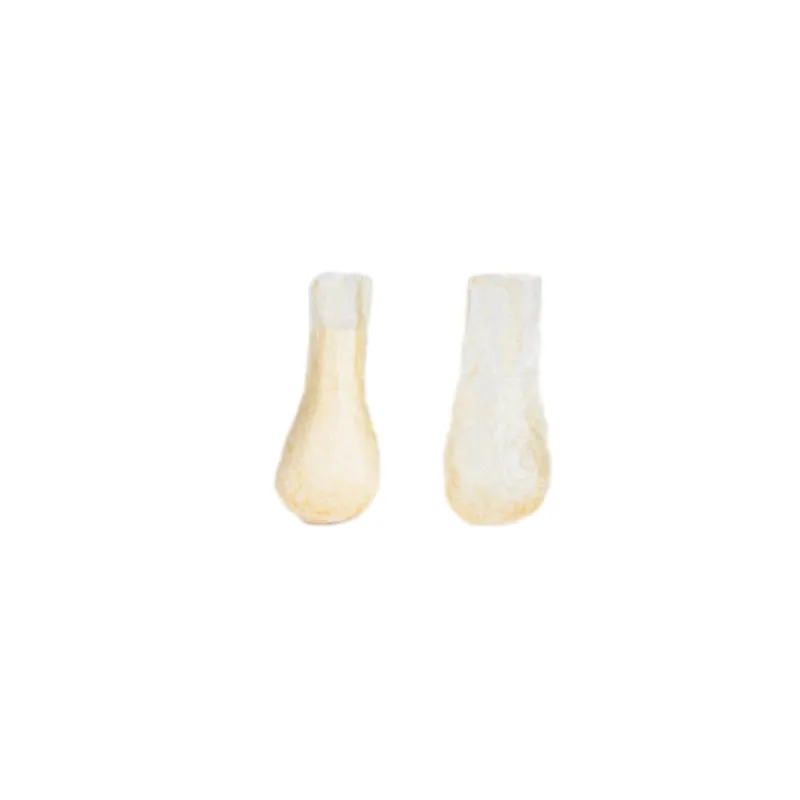
Use for bratwurst, fresh Italian, chorizo, kielbasa, and semi‑dry or fully cooked sausages. Customization includes caliber selection (28/30, 30/32, 32/35, 35/38, 38/40 mm), pre‑tubing, and cut lengths. One Midwest smokehouse told me waste fell ≈12% after switching to pre‑tubed dried hog. A Valencia chorizo maker liked the snap “without blowouts” at 32/35 mm—nice win.
Service life and storage
Keep sealed, cool (10–20°C), and dry. Avoid sunlight. Properly stored, service life is around 18–24 months. After opening, re‑salt generously and refrigerate. Before the next run, just repeat the How To Use Dry Sausage Casing prep: soak, flush, stuff.
Final notes
Actually, the biggest mistake is rushing the soak. Give the casing water and time, and it gives you speed on the stuffer. That’s the quiet math most crews learn the hard way.
Authoritative citations
- Codex Alimentarius CAC/RCP 1-1969 (HACCP) and ISO 22000: Food Safety Management Systems.
- EU Regulations 852/2004 and 853/2004 on hygiene of foodstuffs and specific rules for food of animal origin.
- USDA FSIS Import Guidance for Natural Casings; FSIS Directive 9500 series.
- FDA 21 CFR (Indirect food additives & GMPs) applicable to food-contact processing aids.
- AMI (NAMI) Meat Buyer's Guide notes on natural hog casings—caliber, handling, and performance.