Dec . 02, 2025 18:00
Understanding OEM Salted Hog Casing: A Global Perspective
OEM salted hog casing might sound like just another technical term tucked away in food manufacturing, but it's a fascinating piece of the global food supply puzzle. In essence, these casings are the natural intestines carefully prepared and salted, used primarily in sausage making across multiple continents. Why does this matter? Well, with the global demand for quality processed meats steadily rising, understanding the importance of OEM salted hog casing can reveal not just industry insights but also effects on food security and sustainable sourcing worldwide.
Introduction: Why OEM Salted Hog Casings Matter Globally
The global market for meat products is booming—expected to cross a $1 trillion mark within the next five years (source: FAO). Salted hog casings have long been an irreplaceable component in the production line. From traditional German bratwursts to spicy Asian sausages, these casings provide the natural barrier that gives products their texture and shape. But beyond culinary traditions, they also form a backbone for global meat processors and OEM manufacturers who rely on consistent, high-quality supplies.
However, sourcing OEM salted hog casings involves navigating the challenges of animal by-product regulations, quality consistency, and international logistics—all vital to meet the consumer appetite safely and sustainably.
What Exactly Is OEM Salted Hog Casing?
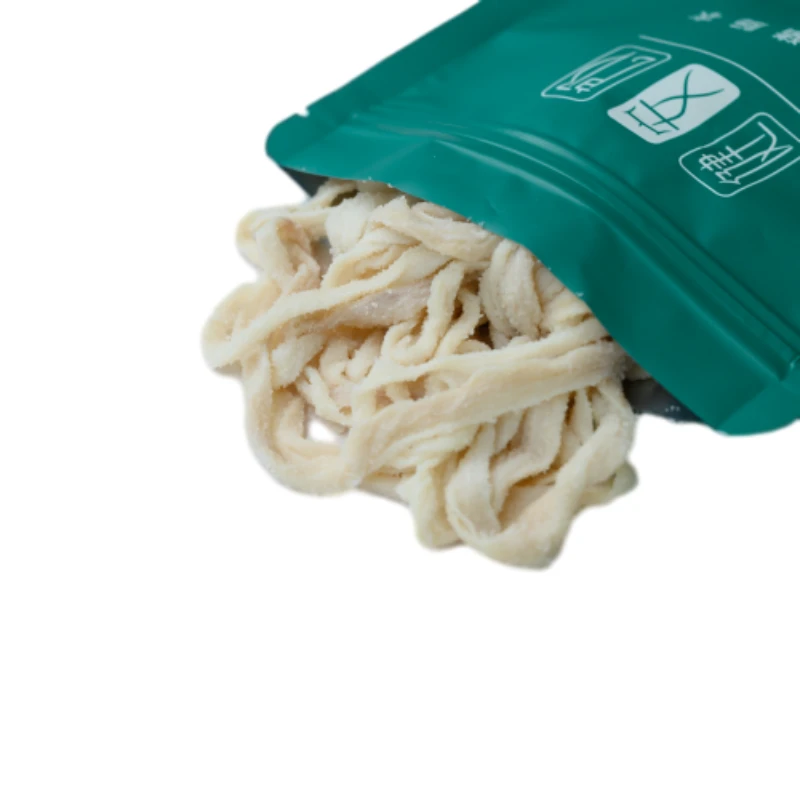
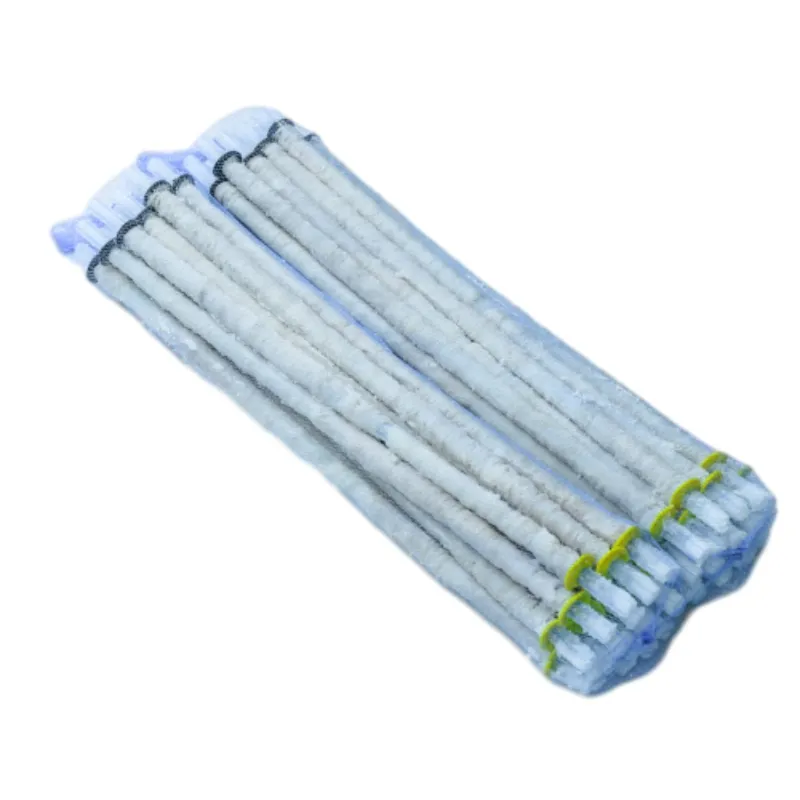
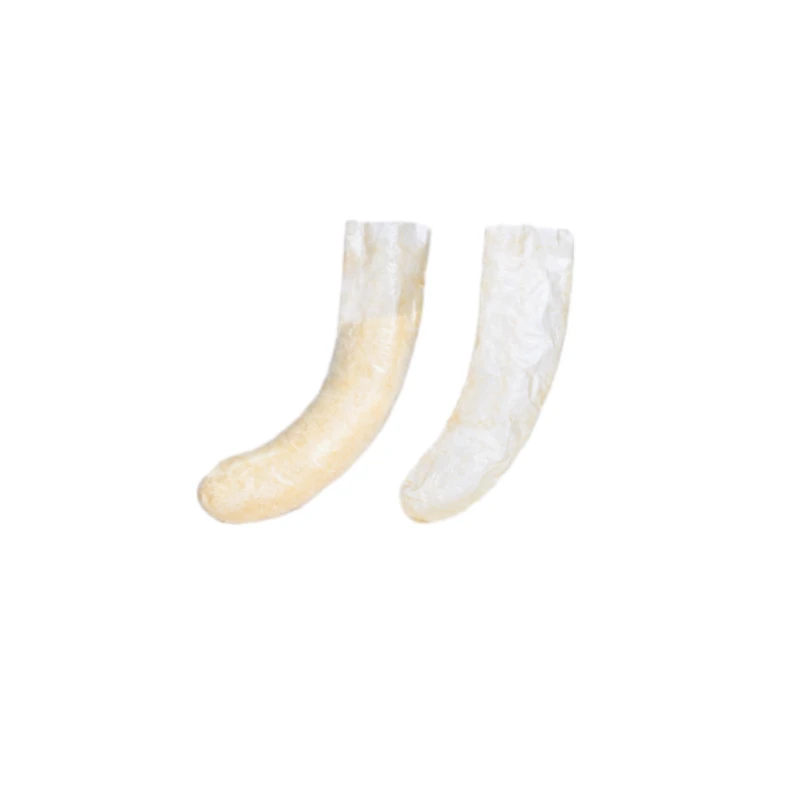
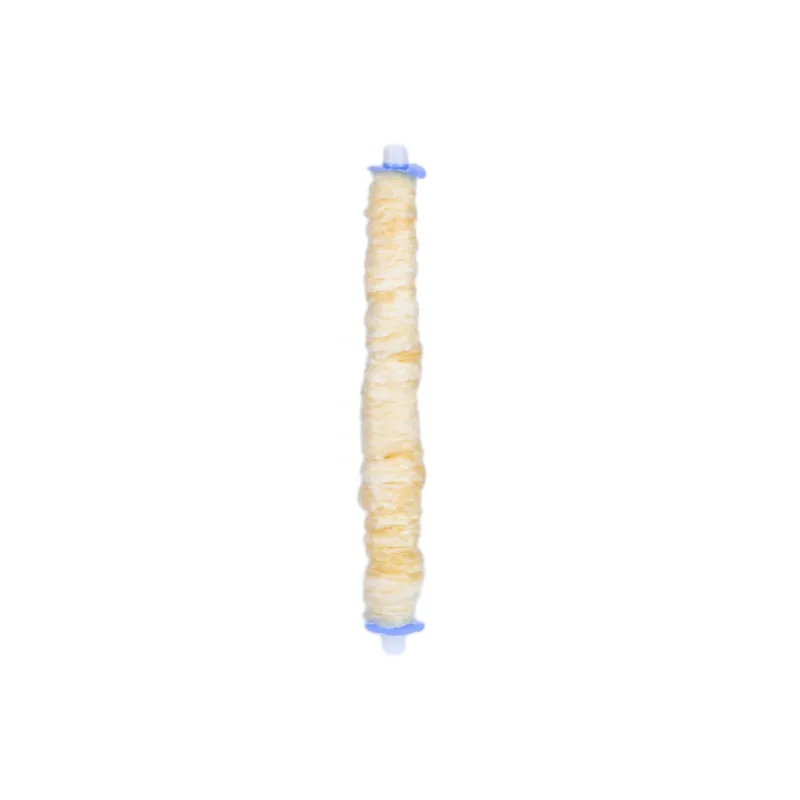
To put it simply, a salted hog casing is a cleaned and salted segment of pig intestine used predominantly as a natural encasement for sausages. The “OEM”—or Original Equipment Manufacturer—aspect refers to casings produced under contract for brands or processors, often tailored to exact specifications. These casings aren't just meat wrappers but are carefully processed to meet hygiene, thinness, and tensile strength standards demanded by modern food industries.
They connect traditional craftsmanship with industrial precision, ensuring products maintain authenticity while complying with global food safety norms. Oddly enough, these casings remain prized for their sustainability — being a natural, biodegradable alternative to synthetic plastics.
Core Factors Behind OEM Salted Hog Casings
Durability and Strength
OEM salted hog casings need resilience. They withstand stuffing pressures and cooking processes while preserving the sausage's shape and texture.
Many processors specify tensile strength levels to avoid breakages during production or cooking. This aspect directly influences product yield and consumer satisfaction.
Quality and Consistency
Since these casings come from natural sources, ensuring a uniform quality—a uniform diameter, thickness, and cleanliness—is a critical focus. OEM producers often employ advanced sorting, washing, and preservation techniques to deliver consistent batches.
This consistency reduces waste and speeds up production for manufacturers.
Cost Efficiency and Supply Chain Stability
Sourcing OEM salted hog casings can be tricky due to animal farming cycles and export restrictions, which occasionally cause price fluctuations. Finding reliable partners who can guarantee steady supply without compromising quality is an ongoing challenge manufacturers face.
After all, even the best sausage mix is useless without the right casing.
Scalability and Customization
OEM providers increasingly offer bespoke casing sizes, thicknesses, and salting methods to match diverse market demands—from artisanal producers to mega-factory lines. This flexibility facilitates innovation in spicy, low-fat, or organic sausage varieties.
Mini takeaway: In real-world sausage production, a casing’s specs aren’t just details on paper—they’re the difference between a premium product and one that disappoints customers.
Global Applications: Where and How OEM Salted Hog Casings Are Used
OEM salted hog casings have a truly global footprint. Europe, for example, leans heavily on their natural casing tradition, especially in Germany, Italy, and Spain. Meanwhile, Asia's growing meat processor sector increasingly sources these natural casings for their wide range of pork-based products.
In post-disaster zones, like in parts of Eastern Europe or Southeast Asia, reliable supply of foodstuff including sausages with natural casings helps NGOs and relief organizations provide protein-rich food that’s easy to transport and store.
In industrial zones such as Poland’s meat-processing belt or China’s Guangdong province, OEM casings form a critical part of automated production lines that can churn out thousands of products a day to satisfy both local and export markets.
Advantages and Long-Term Value of OEM Salted Hog Casings
- Biodegradability: Unlike plastic or collagen alternatives, natural hog casings break down easily, reducing environmental impact.
- Consumer Appeal: Many consumers prefer ‘all-natural’ products, enhancing brand trust and premium pricing opportunities.
- Cost-effectiveness: Compared to synthetic materials, salted hog casings often deliver better value when factoring in flavor and cooking behavior.
- Reliable Quality: OEM suppliers often adhere to stringent ISO and HACCP standards, ensuring food safety.
This combination of practical, emotional, and environmental benefits means OEM salted hog casings are far from obsolete technology—they remain a trusted linchpin in the future of sustainable food processing.
Product Specification Table: OEM Salted Hog Casing
| Specification | Details |
|---|---|
| Material | Natural pig small intestine |
| Preservation | Salted and dehydrated |
| Diameter | 18-22 mm (customizable) |
| Length per bundle | 50-100 meters |
| Tensile strength | >25 N/mm² |
| Certification | ISO22000, HACCP compliant |
Vendor Comparison: Selecting the Right OEM Salted Hog Casing Partner
| Feature | Vendor A | Vendor B | Vendor C |
|---|---|---|---|
| Country of Origin | China | Poland | USA |
| Supply Capacity | >500 tons/year | 300 tons/year | 150 tons/year |
| Price per Kg | $4.50 | $5.20 | $6.00 |
| Custom Sizes | Yes | Limited | No |
| Certifications | ISO, HACCP | ISO | FDA |
Future Trends & Innovations in OEM Salted Hog Casings
The shift to sustainability is reshaping even natural casing production. New biotechnologies aim to improve preservation without heavy salting, reducing environmental salt waste. Some companies explore digital tracking methods to enhance supply chain transparency—critical as consumers demand traceability.
Automated sorting systems powered by AI can now spot imperfections faster than human inspectors, ensuring only premium quality materials reach OEM clients. On the policy front, stricter international safety standards like ISO22000 updates encourage continuous innovation in processing lines.
Sustainability isn’t just a buzzword here: reducing water and chemical use during casing prep aligns with global green initiatives.
Challenges & Practical Solutions
Like all natural products, salted hog casings face supply variability due to livestock availability and regional disease outbreaks. Fluctuating tariffs and transport logistics add to cost unpredictability. Plus, natural casings require skilled handling to avoid waste.
Experts suggest diversified sourcing strategies—shortening supply chains regionally and building buffer inventories. On-site quality training minimizes handling damage. Also, paginated digital ordering platforms help manufacturers lock in prices and delivery slots months in advance.
In short, blending traditional knowledge with smart technology eases these headaches. That blend is kind of the whole point of OEM partnerships, after all.
FAQ: Common Questions About OEM Salted Hog Casings
- What makes OEM salted hog casings preferable over synthetic casings?
- Natural casings provide better texture and flavor authenticity which synthetic alternatives can’t replicate easily. They also biodegrade naturally, aligning with eco-friendly consumer demands.
- How long can OEM salted hog casings be stored safely?
- When properly salted and stored in cool, dry conditions, these casings can last up to 12 months without quality degradation.
- Are OEM salted hog casings suitable for automated sausage production?
- Yes, most OEM suppliers tailor casing strength, diameter, and packaging format to fit automated lines, supporting high-volume output with minimal breakage.
- Can these casings be customized for specific regional sausage recipes?
- Absolutely. OEM providers often produce casings in various diameters and thicknesses to replicate traditional regional products accurately.
- How do international manufacturers import OEM salted hog casings efficiently?
- They rely on trusted OEM vendors with export certifications and use shipping methods that maintain product integrity, like refrigerated containers and timely customs clearance.
Conclusion: Why Investing in OEM Salted Hog Casings Pays Off
Ultimately, OEM salted hog casings represent more than just a meat processing input—they embody the skillful marriage of tradition and technology, flavor and functionality, sustainability and scalability. For manufacturers aiming to stay competitive and eco-conscious, sourcing high-quality casings through trusted OEM partnerships is a practical, forward-thinking decision.
Interested in elevating your sausage production game with dependable, expertly prepared natural casings? Visit our website: oem salted hog casing for more information and tailored solutions.
References:
1. Food and Agriculture Organization of the United Nations (FAO): fao.org
2. ISO Standards - ISO22000 Food Safety Management
3. Wikipedia: Natural sausage casing en.wikipedia.org/wiki/Sausage_casing