Dec . 02, 2025 19:42
Why OEM Natural Casing Matters in Today’s Global Industry
If you’ve ever enjoyed a good sausage, odds are the craftsmanship behind it involved oem natural casing somewhere along the process. While it might sound niche, the global natural casing market actually touches on complex supply chains, food safety standards, and international trade — making it far more significant than one might think at first blush.
Globally, manufacturers demand natural casings that meet rigorous OEM (Original Equipment Manufacturer) standards to ensure consistency, quality, and safety. According to ISO standards and trade statistics, natural casings remain the preferred choice for premium sausages and specialty meat products worldwide, generating millions in related commerce. The demand pushes manufacturers to innovate supply, processing, and distribution — and that’s just the start. The right oem natural casing enhances product integrity, ensures compliance, and, frankly, elevates the consumer experience in subtle but crucial ways.
Mini Takeaway: OEM natural casing isn’t just an ingredient; it’s a core component in a complex global network supporting food culture, economies, and industry quality standards.
Understanding What OEM Natural Casing Really Means
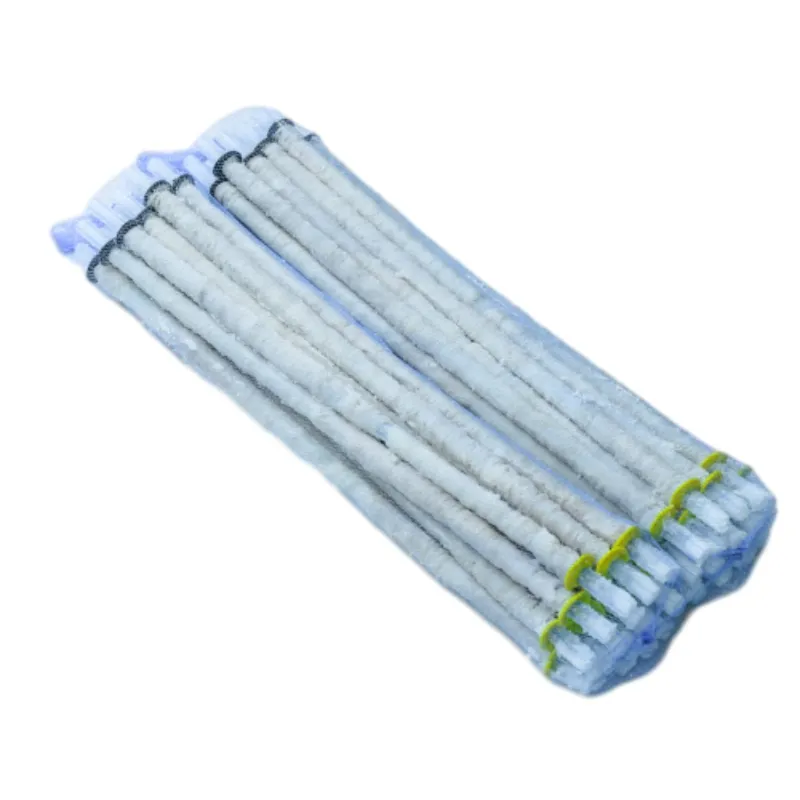
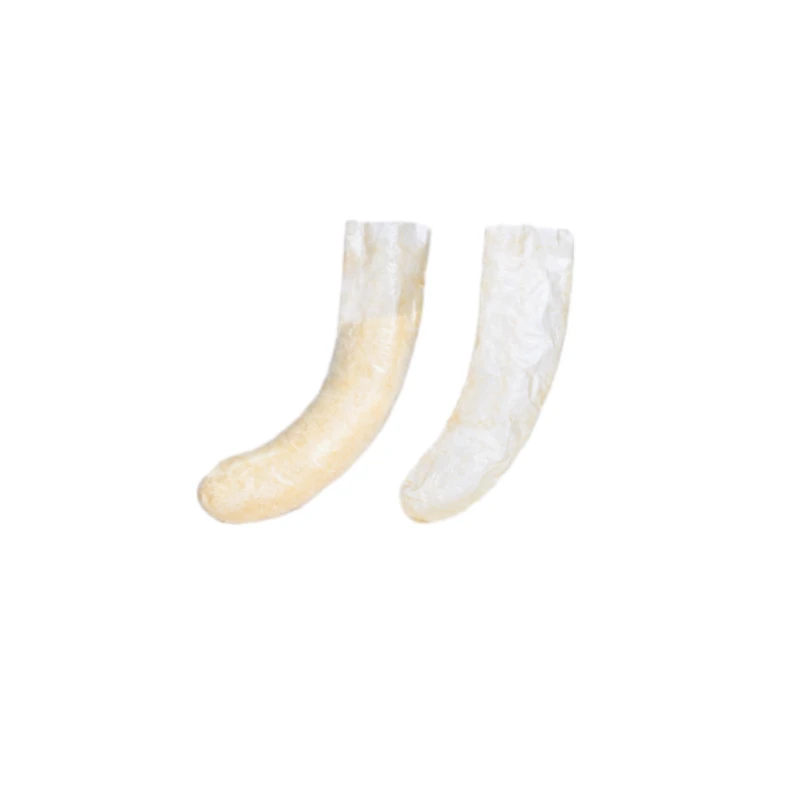
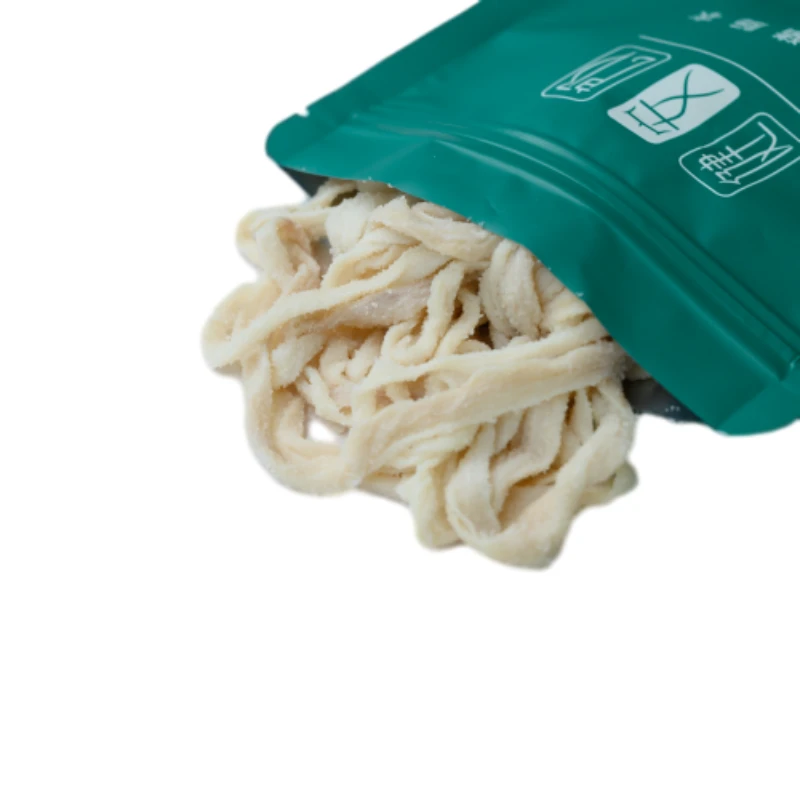
So what exactly does “OEM natural casing” mean? Simply put, natural casing refers to sausage casings made from the cleaned intestines of animals (mostly sheep, pigs, or cows). When paired with "OEM," it means these casings are produced to meet the precise specifications required by manufacturers—be it size, strength, or durability—ready for integration into their own production lines.
This isn’t just about tradition or artisanal craft; OEM natural casing links directly to modern industry needs — from mass production food companies to gourmet suppliers — helping them maintain consistent texture, flavor profiles, and safety standards. Oddly enough, despite new synthetic alternatives, many top meat producers still favor natural casings because of their breathability, bite, and authenticity.
Mini Takeaway: OEM natural casing is a precisely made, natural product that bridges traditional food craftsmanship with modern manufacturing demands.
Core Aspects of OEM Natural Casings Worth Knowing
1. Quality and Durability
One of the biggest draws is how robust yet flexible natural casings are. Engineered OEM casings undergo thorough cleaning and grading to ensure they won’t easily tear or burst during stuffing or cooking — and some OEM providers even customize tensile strength depending on the end product.
2. Scalability and Supply Chain Reliability
In industries where vendors might need thousands of meters per week, scalability is critical. Reliable OEM natural casing vendors implement standardized processing, storage (often with specialized salt curing), and logistics to meet demand without slipping on quality.
3. Cost Efficiency
Natural casing might sound pricier compared to synthetic counterparts, but for many, the long-term benefits in product appeal and consumer willingness to pay higher prices mean it’s quite cost-effective. OEM agreements often lock in pricing and create consistency that cuts down waste.
4. Food Safety and Compliance
Because casings directly contact food, hygiene is non-negotiable. Most OEM producers strictly adhere to food-grade certifications, including international norms like HACCP and ISO 22000, heightening trust among manufacturers and consumers alike.
5. Customization
Sizes, shapes, and thicknesses vary — and OEM capabilities usually include bespoke solutions. Whether it’s thicker casings for thicker sausages or smaller ones for breakfast types, this flexibility is a huge operational boon.
Mini Takeaway: Durability, scalability, and food safety make OEM natural casing not just a raw material, but an engineered product tailored to meet diverse culinary and industrial requirements.
Global Applications: Where OEM Natural Casings Shine
In practical terms, natural casings show up in many industries across continents. European sausage makers, especially in Germany and Spain, rely heavily on OEM natural casing for traditional products like Bratwurst or Chorizo — the casings add that distinctive texture and snap. Meanwhile, large-scale processors in the US and China often source OEM natural casing in massive volumes to fulfill consumer demand.
Interestingly, OEM natural casings also have humanitarian and niche industrial uses. For instance, in some remote regions, natural casing materials are used innovatively beyond food — for medical-grade tubing and even biodegradable packaging of certain products. Or consider post-disaster relief foods and military rations — trustworthiness and shelf life matter greatly, so OEM natural casing suppliers tailor solutions to these demanding contexts.
Mini Takeaway: Outside traditional sausage-making, OEM natural casing finds surprising and essential applications in medical, emergency, and specialty industrial contexts worldwide.
Advantages That Keep OEM Natural Casing in Demand
- Sustainability: Since the casing is a natural by-product of the meat industry, it lowers waste and fits better with sustainable food system goals.
- Consumer Appeal: Many consumers can tell the difference—the “bite” of natural casing is widely preferred and associated with premium products.
- Reliability: OEM arrangements ensure manufacturers get consistent quality that streamlines production and reduces downtime.
- Cultural & Emotional Value: Using natural casing preserves heritage recipes and methods, which is quite important in regional specialties.
Product Specification Table
| Specification | Typical Range | OEM Customization Options |
|---|---|---|
| Diameter | 16 – 36 mm | Custom diameters available |
| Material Source | Sheep, Hog, Beef intestines | Single source or blended |
| Tensile Strength | High (varies by treatment) | Adjusted for product type |
| Packaging | Salted or fresh packs | Custom labeling & packaging |
| Compliance | HACCP, ISO 22000 certified | Aligned with import/export laws |
Comparing OEM Natural Casing Vendors
| Vendor | Location | Customization | Certification | Lead Times | Typical Pricing |
|---|---|---|---|---|---|
| RTCasing | USA & China | Diameter, strength, packaging | HACCP, ISO | 2–4 weeks | $$$ (mid-range) |
| Global Casing Co. | Germany | Standard sizes only | ISO 9001 | 3–5 weeks | $$ (competitive) |
| EastAsia Casings | China | Partial customization | HACCP | 1–3 weeks | $ (budget) |
Emerging Trends & Future Directions in OEM Natural Casing
While natural casing isn’t new, there’s a quiet revolution in how it’s being improved. For one, enhanced traceability—leveraging digital tools such as blockchain—helps vendors ensure complete source transparency, a major plus for brands marketing “clean” or “organic” sausages.
Additionally, sustainability pushes have led to innovations in processing that reduce water usage and energy consumption in casing preparation. Some manufacturers are experimenting with hybrid casings that combine natural components with biodegradable polymers for improved shelf life and packaging synergy. Automation in casing grading and packaging is also expanding, delivering faster turnaround without human error.
Mini Takeaway: The OEM natural casing market is quietly transforming through technology-driven quality control and sustainability measures, promising smarter production and more responsible sourcing.
How Challenges Are Met Head-On
Still, natural casing production has limitations. Seasonal supply fluctuations, supply chain disruptions, and strict regulatory requirements make predicting availability tricky. Plus, maintaining hygiene and preventing spoilage during shipping sometimes frustrates manufacturers.
To tackle these, industry leaders recommend building strong OEM partnerships with vendors who invest in cold chain logistics and maintain ISO certifications. Investing in flexible contracts and multi-sourcing options can also buffer unpredictable supply while fostering innovation through joint R&D efforts.
Frequently Asked Questions About OEM Natural Casing
Q: How do OEM natural casings compare to synthetic ones?
A: Natural casings offer superior texture, breathability, and an authentic sausage bite that synthetic casings often lack. While synthetics are sometimes cheaper and more uniform, many premium producers favor OEM natural casing for its culinary advantages.
Q: Can OEM natural casing be customized for different sausage types?
A: Absolutely. OEM suppliers can tailor diameter, thickness, and tensile strength to fit everything from delicate breakfast links to robust summer sausages, meeting exact production needs.
Q: What certifications should I look for when sourcing OEM natural casing?
A: Leading vendors usually have HACCP, ISO 22000, and food safety certifications ensuring their casings meet international hygiene and safety standards.
Q: How long can natural casings be stored before use?
A: Salted natural casings can be stored refrigerated for up to two years if properly maintained, though fresh casings require quicker use—generally within weeks.
Q: How do OEM natural casing suppliers ensure consistent quality?
A: Through rigorous grading, sanitation, and often robotic sorting processes. Many also maintain traceability systems so any batch can be traced back to origin.
In Closing: The Lasting Appeal of OEM Natural Casing
OEM natural casing might be a subtle component in sausage manufacturing, but its impact is anything but small. By merging traditional craftsmanship with modern standards and innovations, it helps producers deliver products consumers trust, enjoy, and cherish worldwide.
If you’re aiming for quality, sustainability, and premium appeal, partnering with the right OEM natural casing supplier is a key step — and a path worth exploring through resources like oem natural casing.
So next time you bite into a sausage and savor that snap, remember—it’s the overlooked casings doing a lot of the quiet work behind the scenes.